Musk's answer to China's AI monster: 2 trillion parameter Grok 4.6 finishes training 'next week'

&imwidth=600&imheight=450&format=webp&quality=medium "Musk's answer to China's AI monster: 2 trillion parameter Grok 4.6 finishes training 'next week'")
Musk's answer to China's AI monster: 2 trillion parameter Grok 4.6 finishes training 'next week' Photograph: (X)
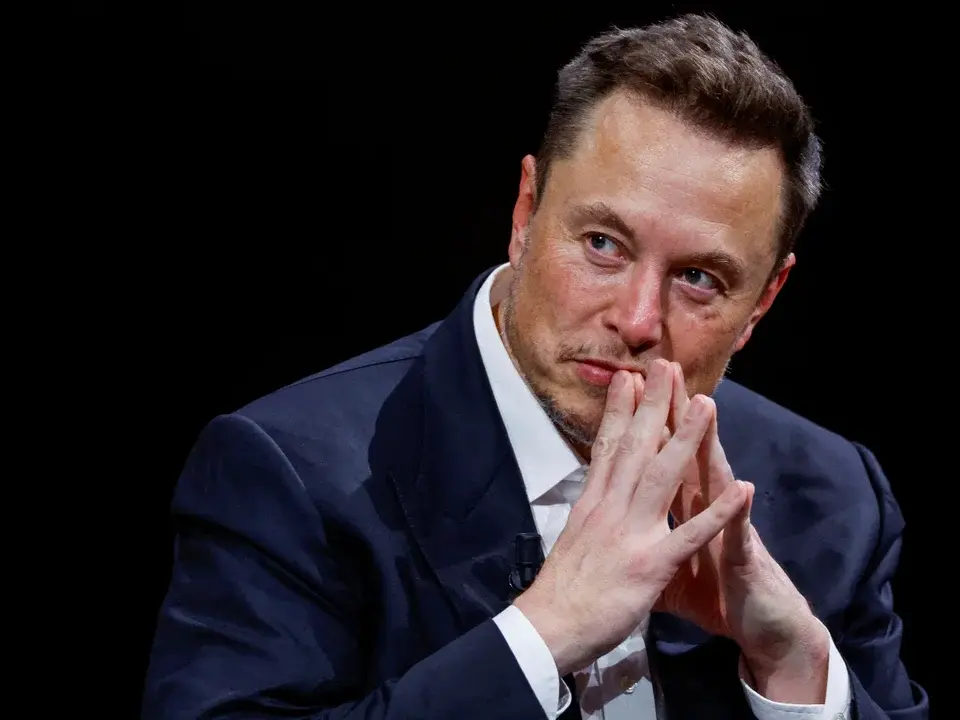
Two days after China's Kimi K3 stunned Silicon Valley by topping a major coding leaderboard, Elon Musk announced his answer: xAI's 2 trillion parameter model — expected to be called Grok 4.6 — finishes initial training next week and ‘might be able to exceed Kimi.’ The US-China AI race is now being fought in weeks, not years.
Two days after a Chinese model topped one of the world's most watched AI coding leaderboards, Elon Musk fired back. On July 18, the xAI chief announced that his company's next model — a 2 trillion parameter system expected to be called Grok 4.6 — will finish initial training within a week, and that it ‘might be able to exceed Kimi,’ the Chinese system that has rattled Silicon Valley.
What Musk Announced
In a post on X, Musk said the 2 trillion parameter model is better than xAI's current 1.5 trillion parameter flagship ‘in every way,’ while keeping the speed and token efficiency close to the current model, Grok 4.5. In plain terms: a substantially smarter model that costs roughly the same to run.
The pace is remarkable even by AI-industry standards. Grok 4.5 — the 1.5 trillion parameter model — launched on July 8. Ten days later, its successor was already finishing its initial training run. No other frontier lab is publicly iterating at that tempo.
The Scoreboard Musk Is Chasing
The target is explicit: Kimi K3, the 2.8 trillion parameter open-weight model released by Beijing-based Moonshot AI on July 16, which promptly took the number one spot on Arena's blind Frontend Code evaluation — ahead of every American flagship.
Trending Stories
&imwidth=280&imheight=210&format=webp&quality=medium)
&im=FitAndFill=(700,400)&imwidth=280&imheight=210&format=webp&quality=medium)
&imwidth=280&imheight=210&format=webp&quality=medium)
&imwidth=280&imheight=210&format=webp&quality=medium)
&imwidth=280&imheight=210&format=webp&quality=medium)
&imwidth=280&imheight=210&format=webp&quality=medium)
&imwidth=280&imheight=210&format=webp&quality=medium)
&imwidth=280&imheight=210&format=webp&quality=medium)
&imwidth=280&imheight=210&format=webp&quality=medium)
&imwidth=280&imheight=210&format=webp&quality=medium)
&imwidth=280&imheight=210&format=webp&quality=medium)
&imwidth=280&imheight=210&format=webp&quality=medium)
&imwidth=280&imheight=210&format=webp&quality=medium)
&imwidth=280&imheight=210&format=webp&quality=medium)
&imwidth=280&imheight=210&format=webp&quality=medium)
&imwidth=280&imheight=210&format=webp&quality=medium)
&imwidth=280&imheight=210&format=webp&quality=medium)
&imwidth=280&imheight=210&format=webp&quality=medium)
&imwidth=280&imheight=210&format=webp&quality=medium)
&im=FitAndFill=(700,400)&imwidth=280&imheight=210&format=webp&quality=medium)
&imwidth=280&imheight=210&format=webp&quality=medium)
&imwidth=280&imheight=210&format=webp&quality=medium)
&imwidth=280&imheight=210&format=webp&quality=medium)
&imwidth=280&imheight=210&format=webp&quality=medium)
&imwidth=280&imheight=210&format=webp&quality=medium)
&im=FitAndFill=(700,400)&imwidth=280&imheight=210&format=webp&quality=medium)
&imwidth=280&imheight=210&format=webp&quality=medium)
&imwidth=280&imheight=210&format=webp&quality=medium)
&imwidth=280&imheight=210&format=webp&quality=medium)
&imwidth=280&imheight=210&format=webp&quality=medium)
&imwidth=280&imheight=210&format=webp&quality=medium)
&imwidth=280&imheight=210&format=webp&quality=medium)
&imwidth=280&imheight=210&format=webp&quality=medium)
Independent testing by benchmarking firm Artificial Analysis, as reported this week, rates Kimi K3 at 57 on its intelligence index against Grok 4.5's 54. But the cost picture flips the other way: Grok 4.5 completes tasks at roughly $0.31 each against Kimi K3's $0.94. Musk's stated bet is that the 2 trillion parameter model closes the intelligence gap while keeping the cost advantage.
There is a deadline pressure too: Moonshot releases Kimi K3's full weights to the public on July 27. From that day, anyone on earth can download and run China's best model for free.
Why ‘Next Week’ Does Not Mean Next Week
Finishing initial training is not the same as launching. Post-training, evaluation and deployment typically follow, and estimates based on xAI's previous release cadence put a public Grok 4.6 launch somewhere between late August and mid-September. The announcement, in other words, is as much a message to markets and rivals as a shipping date.
And 4.6 is reportedly not the ceiling. xAI's roadmap is said to include 6 trillion and even 10 trillion parameter models in the Grok 5 class, training on the company's Colossus 2 supercluster — claims that, like all roadmap talk, should be treated as ambitions until models actually appear.
The Bigger Race
Step back and the week reads like a drumbeat. July 16: China releases its biggest open model and takes a leaderboard crown. July 18: Musk announces the counterpunch. July 27: China's weights go public. Late August: America's answer expected. Meanwhile Google's flagship Gemini 3.5 Pro sits months late over coding failures, and OpenAI's GPT-5.6 family rolls out globally.
The AI race between the United States and China used to be measured in years, then in months. This week it moved to a new unit: days. Whether Grok 4.6 actually beats Kimi K3 will be settled on public leaderboards within weeks — and for the first time, the champion America is chasing is Chinese.
