Leaked calls show Hungary shared probe details with Iran after Israel-linked pager attack on Hezbollah

&imwidth=600&imheight=450&format=webp&quality=medium "Leaked calls show Hungary shared probe details with Iran after Israel-linked pager attack on Hezbollah")
Leaked calls show Hungary shared probe details with Iran after Israel-linked pager attack on Hezbollah Photograph: (AFP)
Hungary offered to share intelligence with Iran after the Hezbollah pager attack, raising concerns over Orban’s foreign policy stance
Soon after the deadly Israeli operation in September 2024 that triggered explosions in thousands of Hezbollah pagers, Hungary’s government quietly offered assistance to Iran, the militant group’s primary backer. According to a Hungarian government transcript of a September 30 phone call, obtained and authenticated by a Western intelligence service, Foreign Minister Peter Szijjarto assured his Iranian counterpart, Abbas Araghchi, of full cooperation.
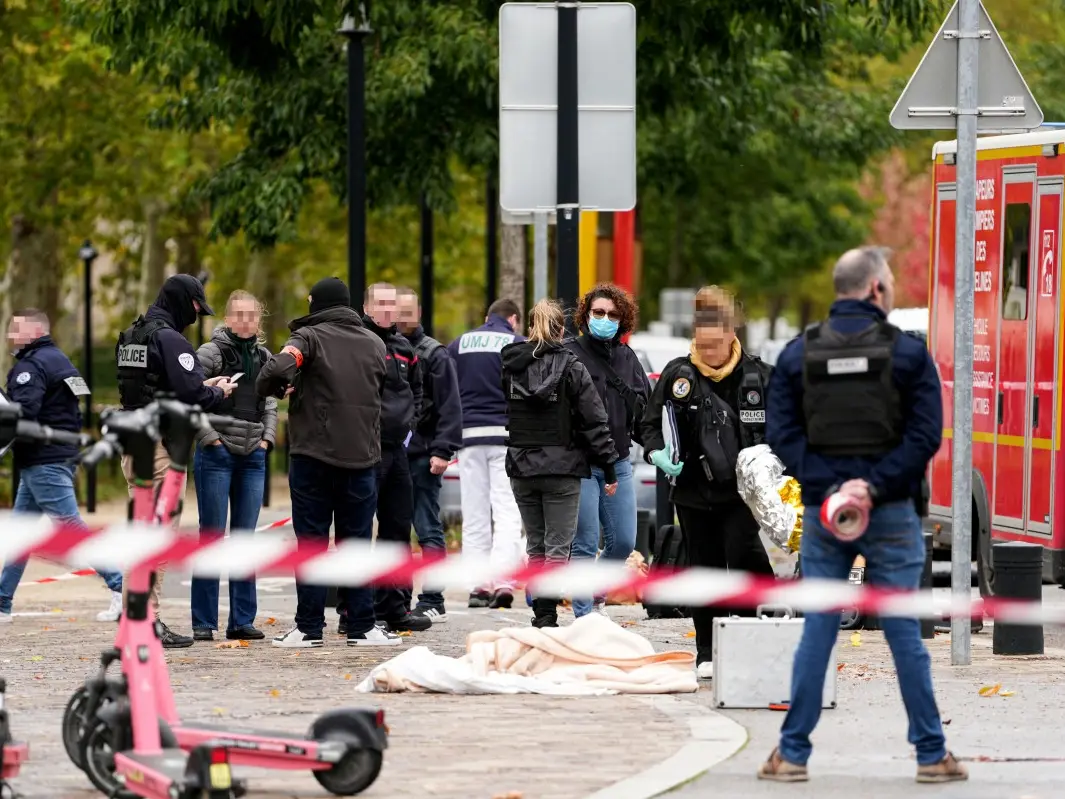
“Our secret service has already contacted your services, and we will share all the information we have gathered during the investigation,” Szijjarto said. “Every possible document will be shared with your services.” At the time, Hungary drew attention because the pagers carried the branding of a Taiwanese firm that claimed the devices were manufactured under license by a Hungarian company. Szijjarto stressed to Iran that Hungary had no involvement in Sept 17 attack in Lebanon, which killed 12 people and injured around 2,800, and insisted the devices were never produced in Hungary.
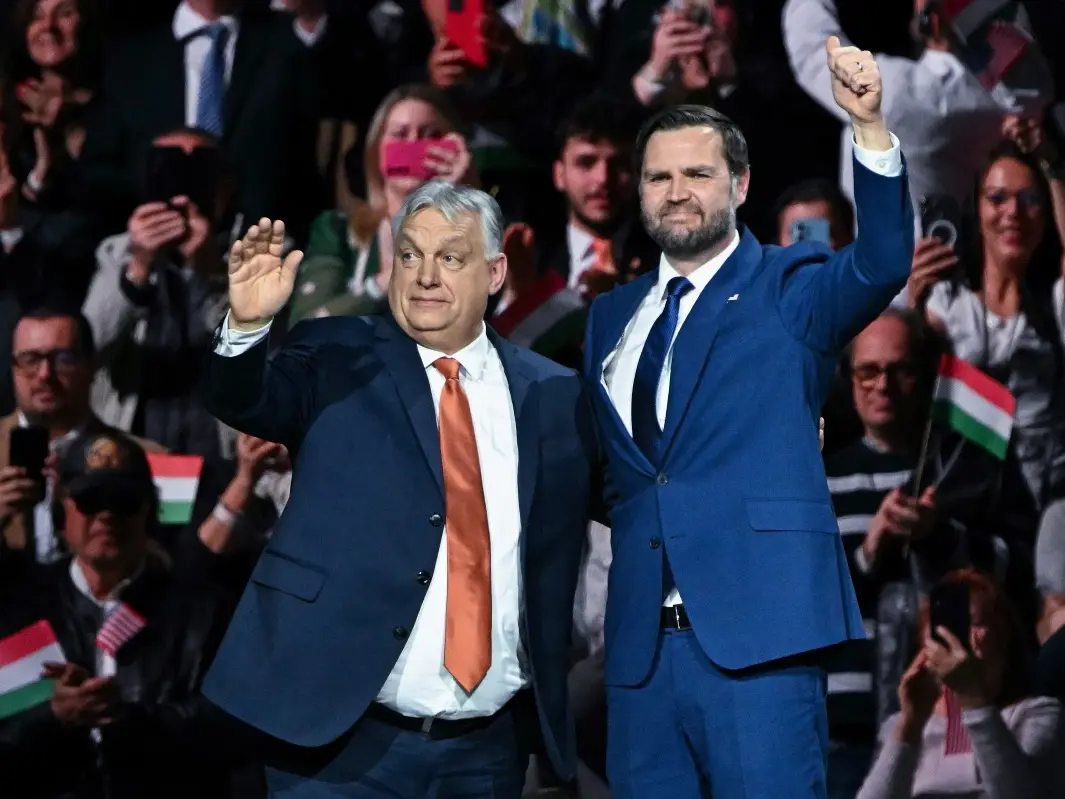
Despite these assurances, the call raises questions about Prime Minister Viktor Orban’s relationship with Iran, particularly as the United States remains in conflict with Tehran while simultaneously supporting Orban politically. The exchange also appears inconsistent with Hungary’s official pro-Israel stance. Orban has repeatedly backed Israel in international forums, including at the United Nations, and even announced Hungary’s withdrawal from the International Criminal Court during a 2025 visit by Israeli Prime Minister Benjamin Netanyahu.
Meanwhile, US political figures have shown support for Orban ahead of Hungary’s closely contested April 12 election, where he faces a strong challenge from opposition leader Peter Magyar. Hungary’s positioning has further complicated its standing within Europe. Orban has aligned himself with nationalist movements and maintained close ties with Russian President Vladimir Putin, while resisting key European Union initiatives, including a major financial package for Ukraine. Reports have also alleged coordination between Hungarian and Russian officials. A leaked call suggested Szijjarto communicated closely with Russian Foreign Minister Sergei Lavrov, including during sensitive EU discussions.
While Szijjarto did not deny the call, he downplayed its significance. The transcript of his conversation with Araghchi adds to scrutiny over Hungary’s geopolitical balancing. In the exchange, Szijjarto reiterated his willingness to assist Iran, “I just wanted to tell you personally that our services have already contacted yours.” After Araghchi expressed appreciation, “very grateful for you doing all this”, Szijjarto responded: “Absolutely, absolutely.”
Trending Stories
&im=FitAndFill=(700,400)&imwidth=280&imheight=210&format=webp&quality=medium)
&imwidth=280&imheight=210&format=webp&quality=medium)
&imwidth=280&imheight=210&format=webp&quality=medium)
&imwidth=280&imheight=210&format=webp&quality=medium)
&imwidth=280&imheight=210&format=webp&quality=medium)
&imwidth=280&imheight=210&format=webp&quality=medium)
&imwidth=280&imheight=210&format=webp&quality=medium)
&imwidth=280&imheight=210&format=webp&quality=medium)
&imwidth=280&imheight=210&format=webp&quality=medium)
&imwidth=280&imheight=210&format=webp&quality=medium)
&imwidth=280&imheight=210&format=webp&quality=medium)
&imwidth=280&imheight=210&format=webp&quality=medium)
&imwidth=280&imheight=210&format=webp&quality=medium)
&imwidth=280&imheight=210&format=webp&quality=medium)
&imwidth=280&imheight=210&format=webp&quality=medium)
&imwidth=280&imheight=210&format=webp&quality=medium)
&imwidth=280&imheight=210&format=webp&quality=medium)
&imwidth=280&imheight=210&format=webp&quality=medium)
&imwidth=280&imheight=210&format=webp&quality=medium)
&imwidth=280&imheight=210&format=webp&quality=medium)
&imwidth=280&imheight=210&format=webp&quality=medium)
&imwidth=280&imheight=210&format=webp&quality=medium)
&imwidth=280&imheight=210&format=webp&quality=medium)
&imwidth=280&imheight=210&format=webp&quality=medium)
&imwidth=280&imheight=210&format=webp&quality=medium)
&imwidth=280&imheight=210&format=webp&quality=medium)
&imwidth=280&imheight=210&format=webp&quality=medium)
&imwidth=280&imheight=210&format=webp&quality=medium)
&imwidth=280&imheight=210&format=webp&quality=medium)
&imwidth=280&imheight=210&format=webp&quality=medium)
&imwidth=280&imheight=210&format=webp&quality=medium)
&imwidth=280&imheight=210&format=webp&quality=medium)
&imwidth=280&imheight=210&format=webp&quality=medium)
&imwidth=280&imheight=210&format=webp&quality=medium)
&imwidth=280&imheight=210&format=webp&quality=medium)
&im=FitAndFill=(700,400)&imwidth=280&imheight=210&format=webp&quality=medium)
“If you need any further information or you wish to contact me, then I am always at your service.” He also firmly denied Hungary’s involvement in the devices: “These pagers are not produced in Hungary, they have never been to Hungary, and no Hungarian company has ever been related with these pagers physically. So we don’t have anything to do with it!”
Hungarian officials publicly maintained that stance, describing the company linked to the devices as merely an intermediary with no manufacturing presence in the country. However, they did not disclose that cooperation extended to Iranian intelligence services. Analysts say the outreach to Iran contrasts sharply with Hungary’s strong pro-Israel voting record and raises broader concerns about its foreign policy direction amid shifting global alliances.
Disclaimer: WION takes utmost care to accurately and responsibly report ongoing conflicts in West Asia involving Israel, Iran, the US, Gulf nations, and non-state actors like Hezbollah, Hamas, Houthis, Islamic State, and others. Claims and counterclaims, disinformation and misinformation are being made online and offline. Given this context, WION cannot independently verify the authenticity of all statements, social media posts, photos, and videos.

