Bangladesh Elections: Jamaat chief Shafiqur Rahman, who compared working women to prostitutes, wins Dhaka-15 seat

&imwidth=600&imheight=450&format=webp&quality=medium "Bangladesh Elections: Jamaat chief Shafiqur Rahman, who compared working women to prostitutes, wins Dhaka-15 seat")
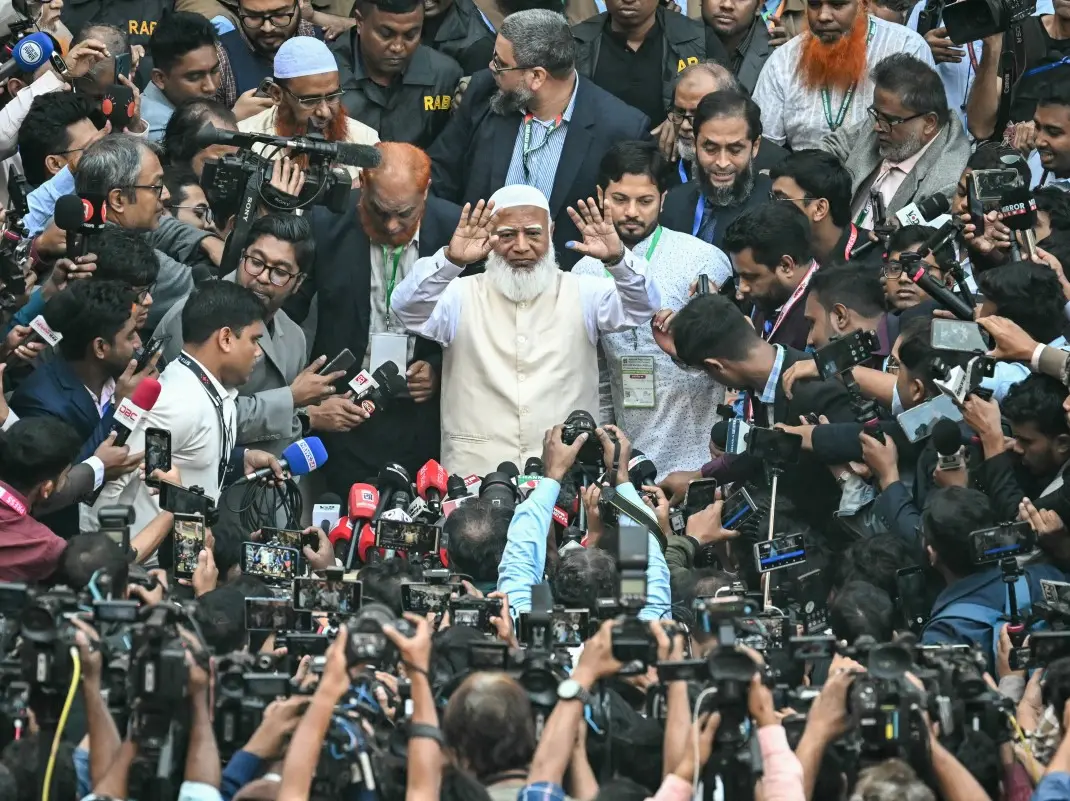
Bangladesh Jamaat-e-Islami party leader Shafiqur Rahman (C) gestures to the media after casting his vote at a polling station during Bangladesh's general election in Dhaka on February 12, 2026. Photograph: (AFP)
Jamaat-e-Islami chief Shafiqur Rahman, once criticised for comparing working women to prostitutes, has won the Dhaka-15 seat in Bangladesh’s parliamentary elections by over 21,000 votes. What does this result signal about the country’s shifting political mood? Scroll down to read.
Jamaat-e-Islami Ameer Shafiqur Rahman, the Bangladeshi leader who compared working women to prostitutes, has won the Dhaka-15 constituency in the South Asian nation's 13th parliamentary elections. The Jamaat chief, as per the result announced by Bangladesh's Election Commission, defeated his rival by a margin of 21,614 votes.
Also read | Bangladesh elections: US congratulates BNP as party claims ‘sweeping’ victory; Tarique Rahman poised for PM
Shafiqur Rahman wins Dhaka-15
Rahman, running with "scales" (daripalla), garnered 85,131 votes, whereas his nearest rival, BNP candidate Safiqul Islam Khan, obtained 63,517 votes.
Shafiqur Rahman controversy: When Jamaat-e-Islami chief compared working women to prostitutes
Earlier, in a post on X, the Jamaat chief had said that women cannot be the head of his party. He claimed that when women are pushed out of the home in the name of modernity, it is merely another form of prostitution. Following a massive uproar, he deleted the misogynistic post.
Trending Stories
&imwidth=280&imheight=210&format=webp&quality=medium)
&imwidth=280&imheight=210&format=webp&quality=medium)
&imwidth=280&imheight=210&format=webp&quality=medium)
&imwidth=280&imheight=210&format=webp&quality=medium)
&imwidth=280&imheight=210&format=webp&quality=medium)
&imwidth=280&imheight=210&format=webp&quality=medium)
&imwidth=280&imheight=210&format=webp&quality=medium)
&imwidth=280&imheight=210&format=webp&quality=medium)
&imwidth=280&imheight=210&format=webp&quality=medium)
&imwidth=280&imheight=210&format=webp&quality=medium)
&imwidth=280&imheight=210&format=webp&quality=medium)
&imwidth=280&imheight=210&format=webp&quality=medium)
&imwidth=280&imheight=210&format=webp&quality=medium)
&imwidth=280&imheight=210&format=webp&quality=medium)
&imwidth=280&imheight=210&format=webp&quality=medium)
&imwidth=280&imheight=210&format=webp&quality=medium)
&imwidth=280&imheight=210&format=webp&quality=medium)
&imwidth=280&imheight=210&format=webp&quality=medium)
&imwidth=280&imheight=210&format=webp&quality=medium)
&imwidth=280&imheight=210&format=webp&quality=medium)
&imwidth=280&imheight=210&format=webp&quality=medium)
&imwidth=280&imheight=210&format=webp&quality=medium)
&imwidth=280&imheight=210&format=webp&quality=medium)
&imwidth=280&imheight=210&format=webp&quality=medium)
&imwidth=280&imheight=210&format=webp&quality=medium)
&imwidth=280&imheight=210&format=webp&quality=medium)
&im=FitAndFill=(700,400)&imwidth=280&imheight=210&format=webp&quality=medium)
&imwidth=280&imheight=210&format=webp&quality=medium)
&imwidth=280&imheight=210&format=webp&quality=medium)
&imwidth=280&imheight=210&format=webp&quality=medium)
&imwidth=280&imheight=210&format=webp&quality=medium)
&imwidth=280&imheight=210&format=webp&quality=medium)
&imwidth=280&imheight=210&format=webp&quality=medium)
&imwidth=280&imheight=210&format=webp&quality=medium)
&imwidth=280&imheight=210&format=webp&quality=medium)
&imwidth=280&imheight=210&format=webp&quality=medium)
Also read | Bangladesh elections: BNP leader Mohibuzzaman Kochi dies outside polling station; party alleges push by Jamaat leader led to death
Earlier, he had said that a woman couldn't lead Jammat-e-Islami, arguing that men and women were created differently by God. Childbirth and breastfeeding, he contended, are biological differences that define leadership roles. In line with the Jamaat chief's hardline views, the party did not field any female candidates for parliament. Rahman had also tried to defend the move by citing cultural barriers. He also asserted that most political parties have fewer women representatives.
The party's female leaders stood by the decision, explaining it as an internal organisational affair, claiming that it was in line with the Jamaat's reading of Islamic principles. In a statement, Jamaat-e-Islami Women’s Wing Secretary Nurunnisa Siddika explained that the party's policy prevents women from occupying top leadership positions, citing Quranic principles that they believe designate these roles for men. According to her, Jamaat operates strictly according to its understanding of Islamic ideals, hence excluding women from leadership roles like ameer.

