China 'trumps' Trump on Iran sanctions, calls for return to talks | Gravitas

&imwidth=600&imheight=450&format=webp&quality=medium "China 'trumps' Trump on Iran sanctions, calls for return to talks | Gravitas")
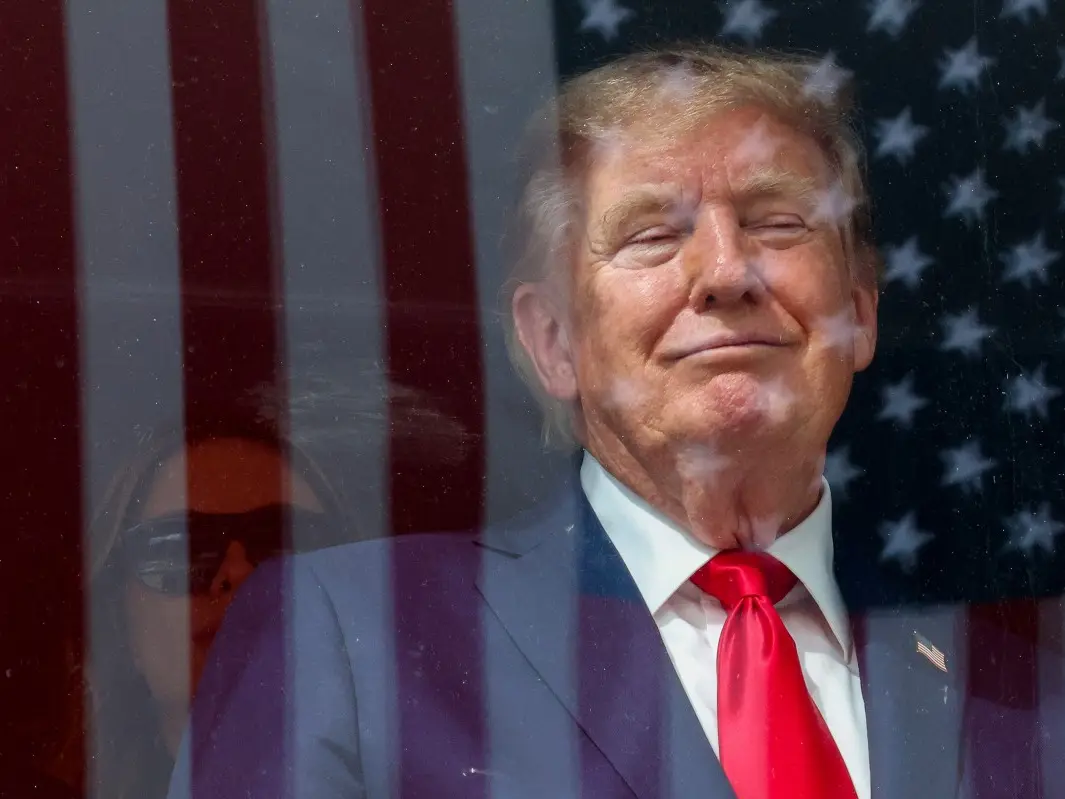
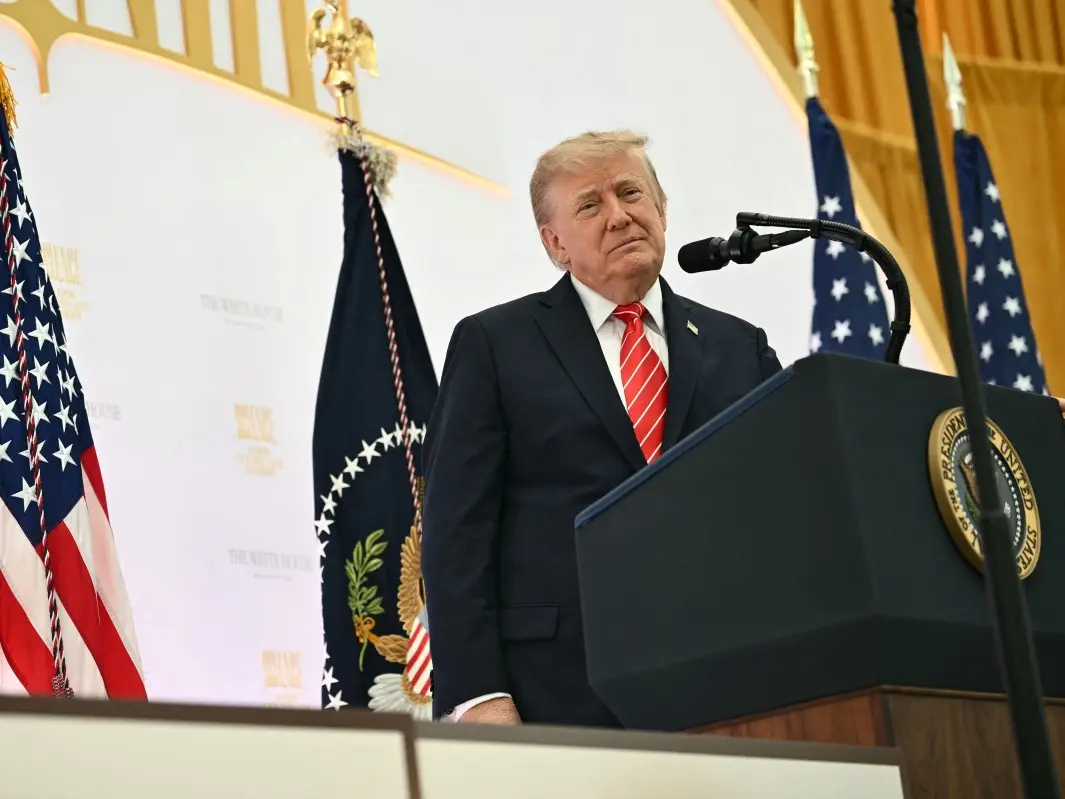
An American flag is reflected off bulletproof glass as U.S. President Donald Trump watches the end of the NTT INDYCAR Series on August 23, 2026 in Washington, DC. U.S. President Donald Trump established the Freedom 250 Grand Prix weekend as part of the yearlong celebration of America's 250th anniversary. Photograph: (AFP)
Iran faces fresh US sanctions as Washington threatens economic pressure and China urges restraint, while Tehran warns of retaliation and tensions persist over the Strait of Hormuz.
In a few minutes from now, the so-called economic D-Day for Iran will kick in, with US Treasury Secretary Scott Bessent set to unveil major economic sanctions on Iran. Trump claims that Iran is “completely collapsing”. But Tehran has asserted that this tactic will fail and threatened to shut down all oil exports from West Asia.
Without detailing specific measures, Bessent has signalled that the US would also target nations that practise appeasement by engaging with Iran’s economy and financial system.
China, though, drew the red line. Opposing the imposition of fresh sanctions against Iran, Beijing argued that they would escalate tensions and called upon all parties to exercise restraint and return to talks.
Now, why is China’s stance so crucial?
According to reports, Beijing helped push Tehran to the negotiating table for a ceasefire in April. Being Iran’s largest trading partner, which purchases roughly 90 per cent of its crude oil, China has high stakes in reopening the Strait of Hormuz.
Another key question arises: Can Trump bypass China’s opposition and go ahead with the economic sanctions? Since his visit to Beijing in May, the US President has been keen on China buying American soybeans, oil as well as Boeing jets. For America, China’s supply of critical minerals is also vital, as they are essential components in the production of weapons, which have been depleted by the war.
Trending Stories
&im=FitAndFill=(700,400)&imwidth=280&imheight=210&format=webp&quality=medium)
&imwidth=280&imheight=210&format=webp&quality=medium)
&imwidth=280&imheight=210&format=webp&quality=medium)
&imwidth=280&imheight=210&format=webp&quality=medium)
&imwidth=280&imheight=210&format=webp&quality=medium)
&imwidth=280&imheight=210&format=webp&quality=medium)
&im=FitAndFill=(700,400)&imwidth=280&imheight=210&format=webp&quality=medium)
&imwidth=280&imheight=210&format=webp&quality=medium)
&imwidth=280&imheight=210&format=webp&quality=medium)
&imwidth=280&imheight=210&format=webp&quality=medium)
&imwidth=280&imheight=210&format=webp&quality=medium)
&imwidth=280&imheight=210&format=webp&quality=medium)
&imwidth=280&imheight=210&format=webp&quality=medium)
&imwidth=280&imheight=210&format=webp&quality=medium)
&imwidth=280&imheight=210&format=webp&quality=medium)
&imwidth=280&imheight=210&format=webp&quality=medium)
&im=FitAndFill=(700,400)&imwidth=280&imheight=210&format=webp&quality=medium)
&imwidth=280&imheight=210&format=webp&quality=medium)
&imwidth=280&imheight=210&format=webp&quality=medium)
&imwidth=280&imheight=210&format=webp&quality=medium)
&imwidth=280&imheight=210&format=webp&quality=medium)
&imwidth=280&imheight=210&format=webp&quality=medium)
&imwidth=280&imheight=210&format=webp&quality=medium)
&im=FitAndFill=(700,400)&imwidth=280&imheight=210&format=webp&quality=medium)
&imwidth=280&imheight=210&format=webp&quality=medium)
&imwidth=280&imheight=210&format=webp&quality=medium)
&im=FitAndFill=(700,400)&imwidth=280&imheight=210&format=webp&quality=medium)
&imwidth=280&imheight=210&format=webp&quality=medium)
&imwidth=280&imheight=210&format=webp&quality=medium)
&im=FitAndFill=(700,400)&imwidth=280&imheight=210&format=webp&quality=medium)
&imwidth=280&imheight=210&format=webp&quality=medium)
&imwidth=280&imheight=210&format=webp&quality=medium)
&imwidth=280&imheight=210&format=webp&quality=medium)
&imwidth=280&imheight=210&format=webp&quality=medium)
&imwidth=280&imheight=210&format=webp&quality=medium)
&imwidth=280&imheight=210&format=webp&quality=medium)
&imwidth=280&imheight=210&format=webp&quality=medium)
Going against Beijing at this juncture might put all this at risk. It is also worth noting that Xi is set to meet Trump at the White House in September.
Ahead of America’s announcement, mediation efforts continue.
Pakistan Army Chief Asim Munir arrived in Tehran, where he met Iranian Interior Minister Eskandar Momeni. According to Reuters, Trump spoke to Munir last week, with the US seeking Pakistan’s influence to bring Iran back to talks.
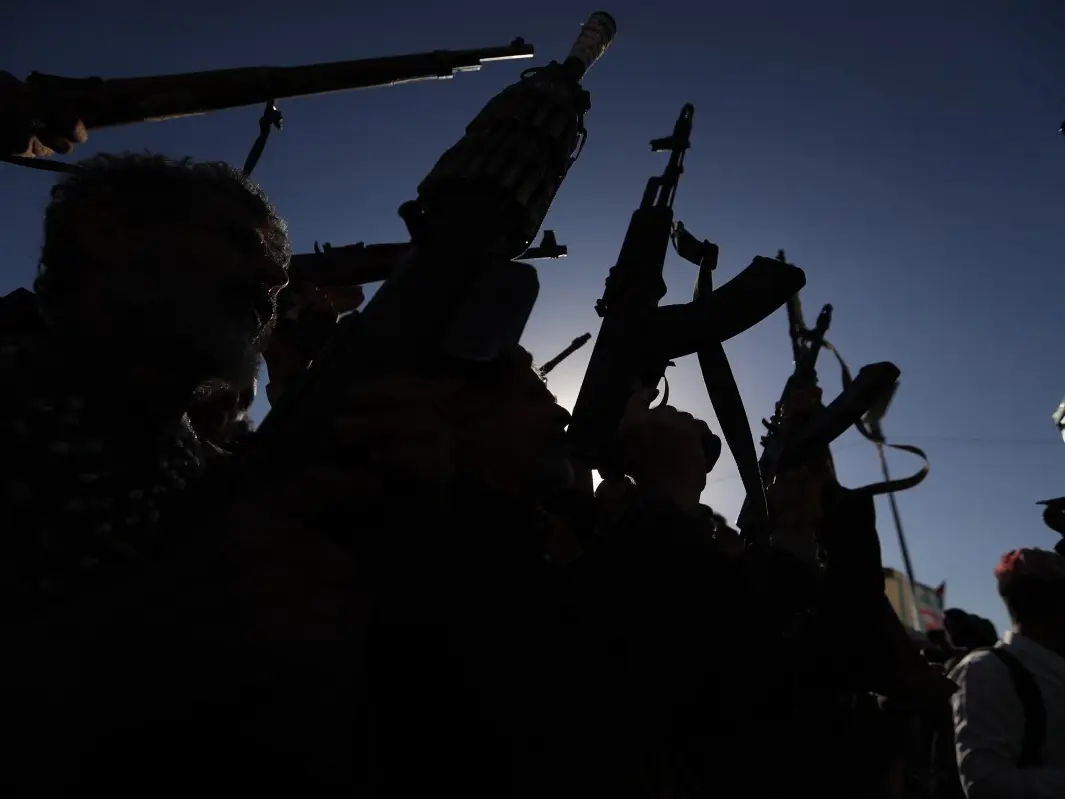
Tensions persisted in West Asia, though. For instance, Yemen’s Iran-backed Houthis claimed responsibility for firing a ballistic missile at a Saudi Arabia-flagged tanker in the Red Sea. This led to a fire breaking out on the vessel. The Houthis declared a maritime blockade of Saudi Arabia last month.
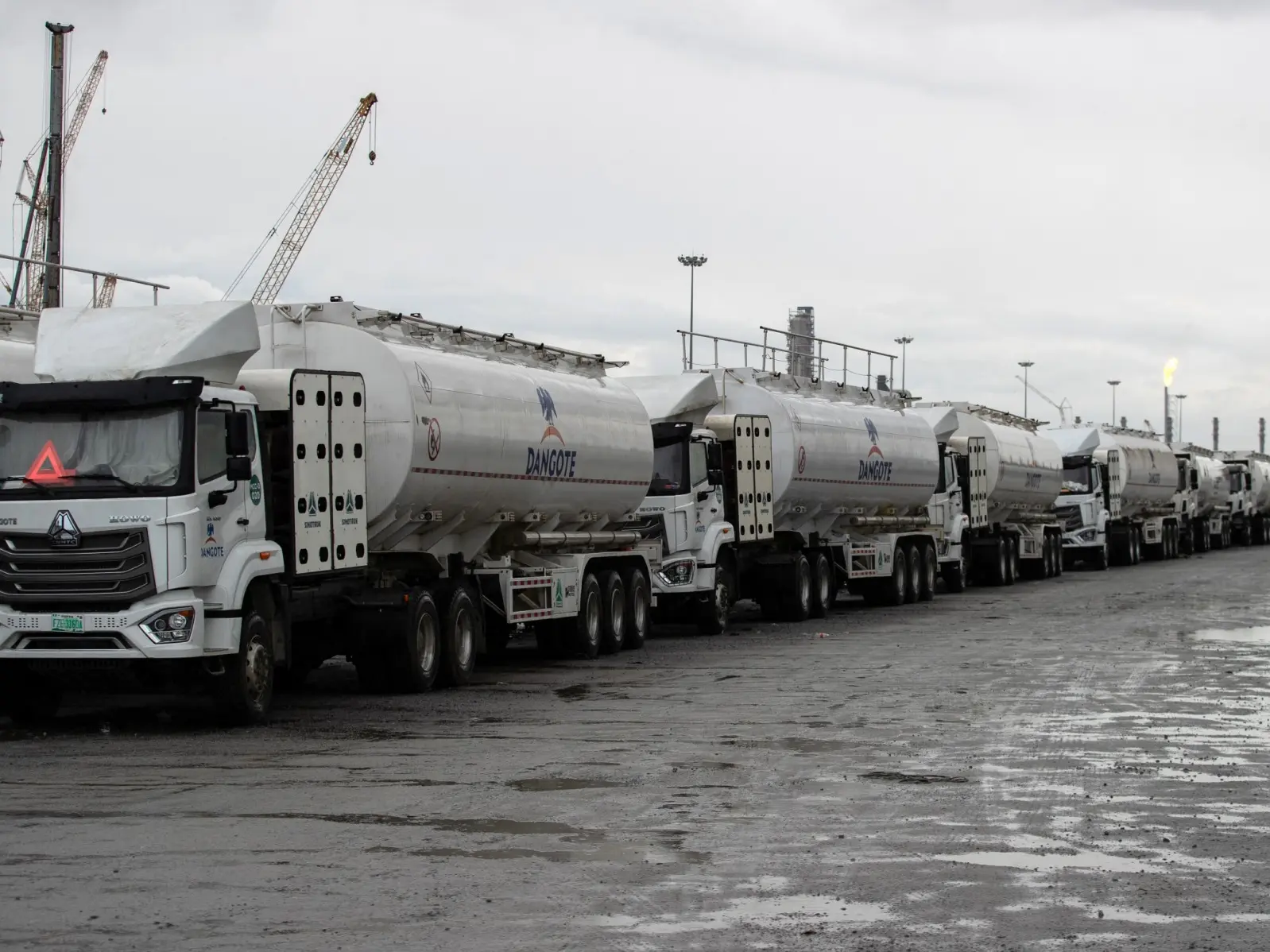
On its part, Iran blacklisted 45 tankers for breaking its rules while crossing the Strait of Hormuz and warned other vessels not to transit this strategic waterway without its permission. It stressed that these vessels could be fined and have their cargo confiscated as well. Additionally, Iran threatened other countries against joining new US efforts to squeeze Tehran’s economy.
Meanwhile, Iran clarified that it was yet to receive a formal invitation to join the Makkah Defence Pact signed by Pakistan, Türkiye and Saudi Arabia. However, Tehran did not rule out negotiations with these countries for the overall security of the region.
America’s fresh threat of economic sanctions also comes at a time when the Iranian rial has fallen to a historic low, crossing two million rials against the US dollar. This has raised fresh concerns about inflation, purchasing power and the Iranian government’s ability to stabilise the economy.
Food has become very expensive, with the price of rice up by 60 per cent since the war began.
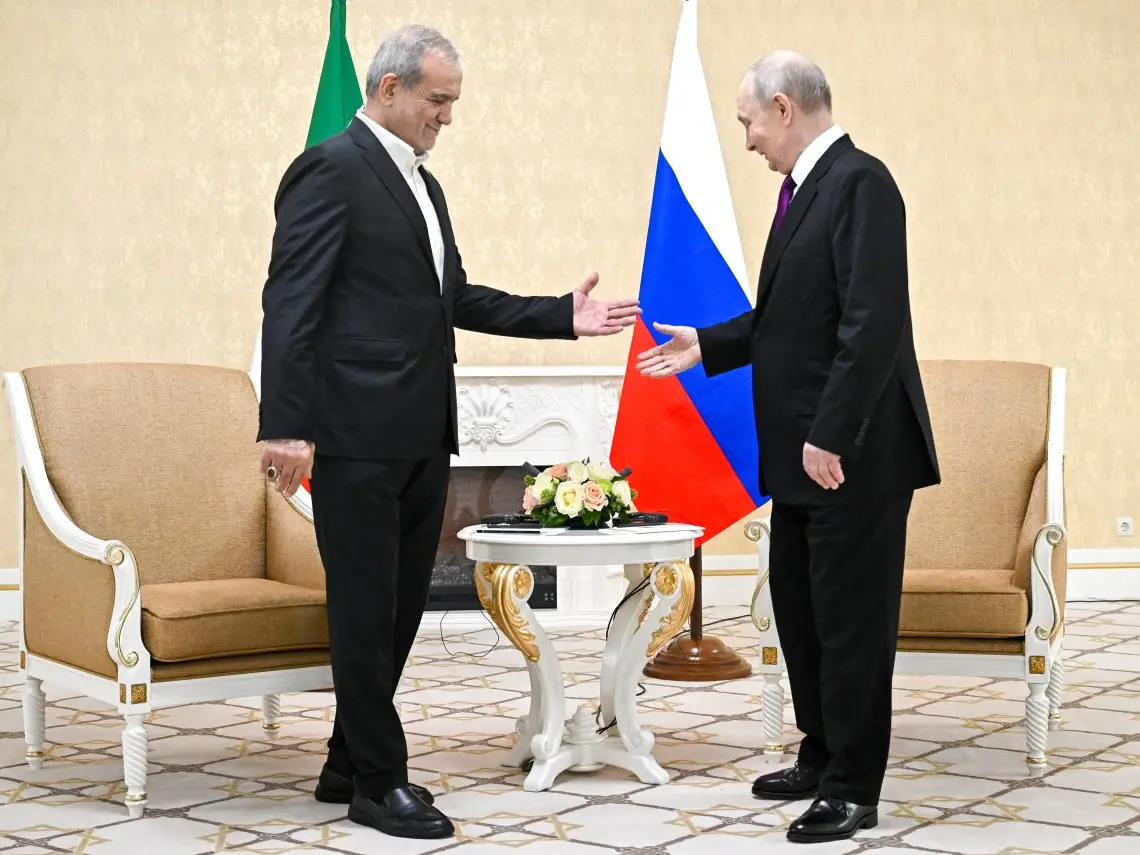
Now, Iranian President Masoud Pezeshkian also acknowledged the issues arising from the current impasse. He linked the MOU with the US to Iran’s economic prospects, saying that his country was not able to attract investment at present.
People on the streets of Iran also expressed their anguish over the current state of affairs.
With both the US and Iran unwilling to budge from their positions, West Asia continues to remain on edge.