India can scale up Finland’s circular solutions, minister Multala says

&imwidth=600&imheight=450&format=webp&quality=medium "India can scale up Finland’s circular solutions, minister Multala says")
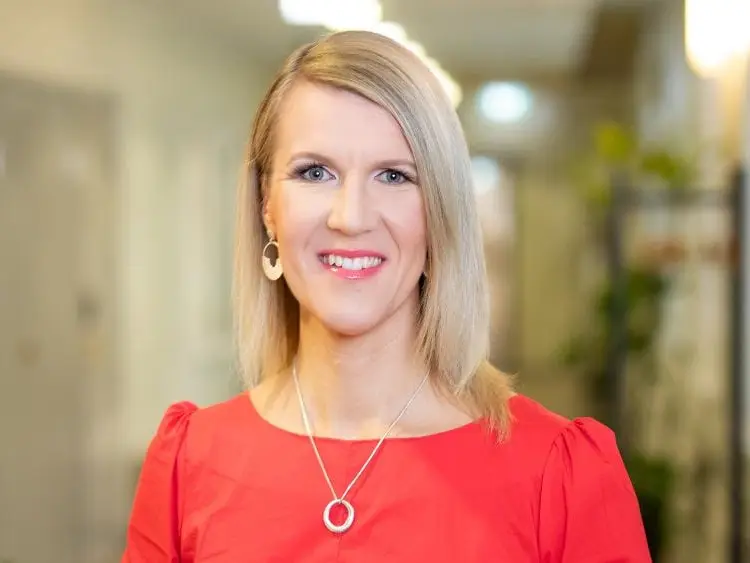
Sari Multala, Finland’s minister of the environment and climate change. Photograph: (Norway govt)
Minister of Climate and the Environment of Finland, Sari Multala said India could scale up Finland’s circular economy solutions through greater cooperation and the adoption of sustainable technologies.
Finland’s environment minister has said India’s large market can turn proven circular-economy solutions into large-scale business, as the World Circular Economy Forum is held in South Asia for the first time. Sari Multala, Finland’s minister of the environment and climate change, is in Gujarat for the 10th World Circular Economy Forum (WCEF), taking place from 15 to 18 September at Mahatma Mandir in Gandhinagar. Finland originated the WCEF series and is co-organiser of this year’s edition.
Speaking to WION's Sidhant Sibal, Multala said circularity cannot begin at the waste dump. “It can’t be only taken into account when you already have the waste in your hands. You have to start from planning the products, product design, planning construction areas and so forth,” she said. Only then, she added, can reuse and recycling work later in a product’s life.
She described the Gujarat meetings as “very practical”, with businesses talking to one another and to policymakers about how rules can support circular models. Finland was among the first countries to adopt a national circular-economy roadmap and uses voluntary “green deals” that align government policy with business.
“What we’ve learned is that if you want to do this, you really have to talk to each other,” Multala said. “Our market is quite small, but in India the market is big, and so you can scale these solutions that you have found already workable, for example at home in Finland.”
That is why Finnish companies are “looking for their place in the Indian markets”, she explained. Resource efficiency is becoming more urgent as economies electrify and demand for critical minerals grows. “There is only a limited number of rare earths. We have to make sure that the ones that we are using are being circulated as long as they can.”
Trending Stories
)
)
)
)
)
)
)
)
)
)
)
)
)
)
)
)
)
)
)
)
)
)
)
)
)
)
)
&im=FitAndFill=(700,400))
)
)
)
)
)
)
)
)
&im=FitAndFill=(700,400))
)
)
Asked about India’s long-standing call for common but differentiated responsibilities when it comes to climate change, and for technology and finance from developed countries to the Global South, Multala framed climate action as an investment opportunity rather than a burden.
“Climate mitigation is more and more business as usual, or should be more business as usual,” she said. Predictable policies give “long-term predictability for investments into India”, creating clean-technology jobs and reducing the risk that climate duties overburden the economy.
She also pointed to a forthcoming EU-India trade agreement. It would “help a lot in this, making better business and making also climate-mitigating climate change a business opportunity”.
The forum’s theme is “Circular Economy: Transition for People and Prosperity”. Organisers say it has drawn thousands of delegates from more than 60 countries, with accelerator sessions continuing after the main programme. India has promoted circularity through extended producer responsibility rules, waste-to-resource policies and the LiFE (Lifestyle for Environment) campaign. Finland and India renewed an environmental cooperation memorandum earlier in 2026, with circular economy as a priority.