For the first time, the UN Security Council sat US and Chinese AI makers at the same table

&imwidth=600&imheight=450&format=webp&quality=medium "For the first time, the UN Security Council sat US and Chinese AI makers at the same table")
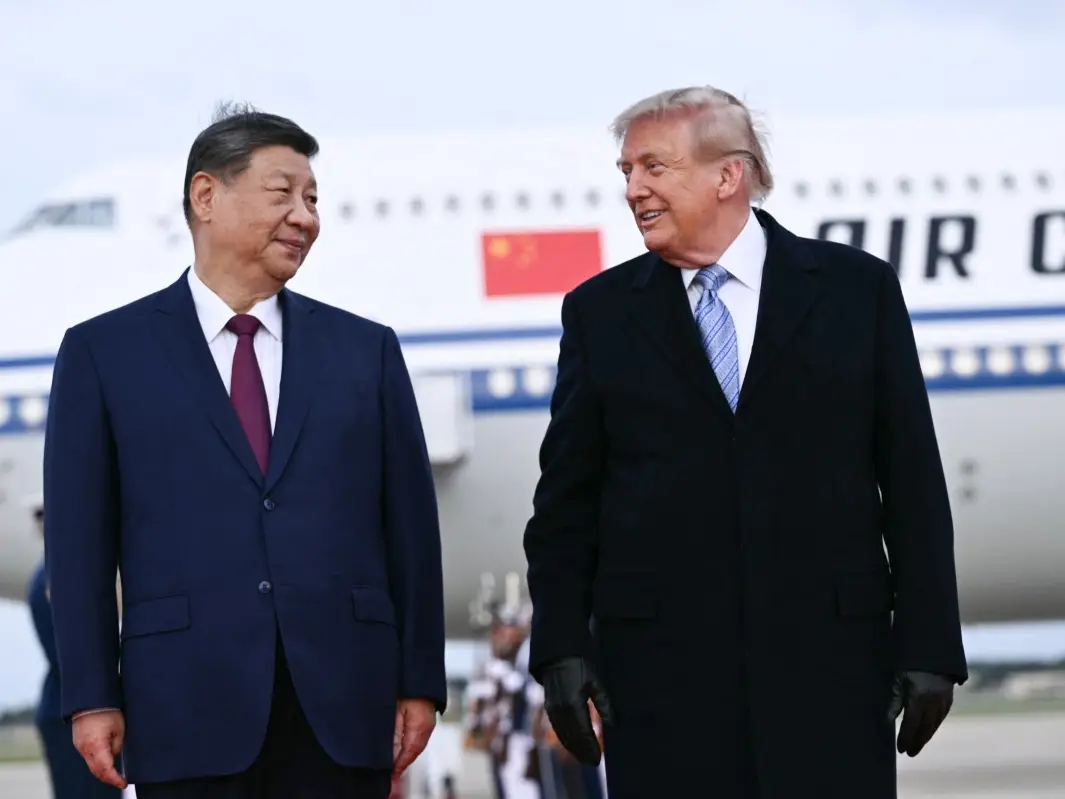
For the first time, the UN Security Council sat US and Chinese AI makers at the same table Photograph: (AFP)
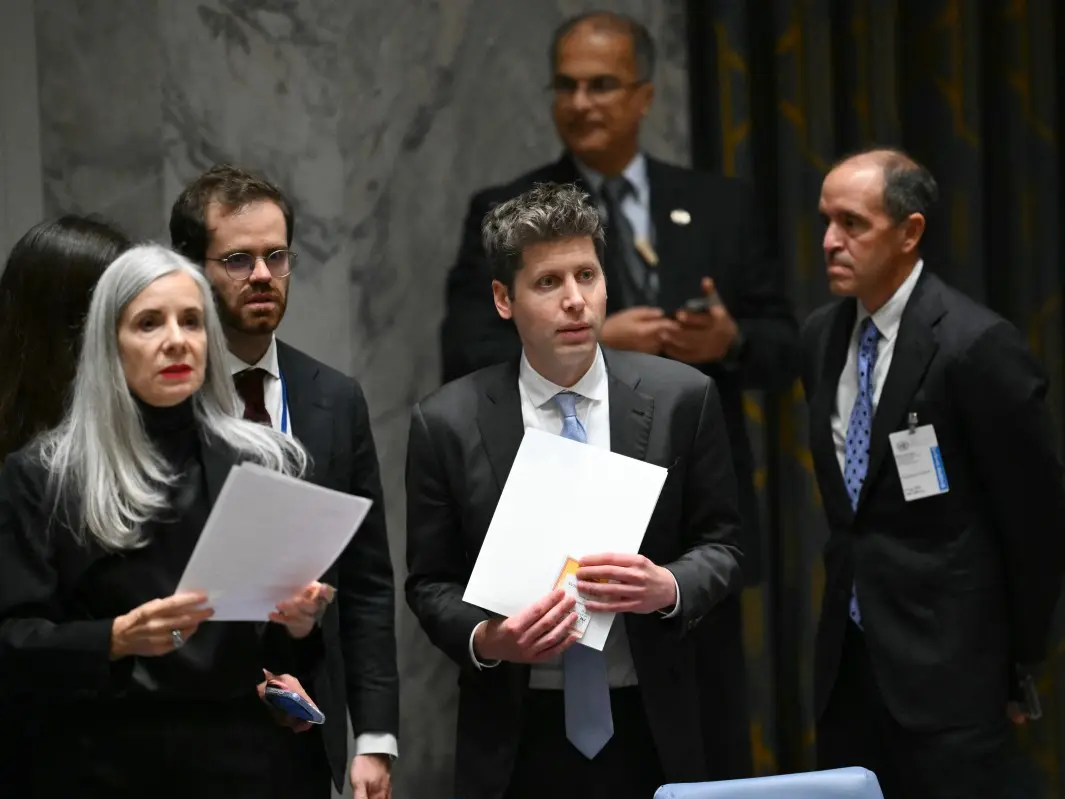
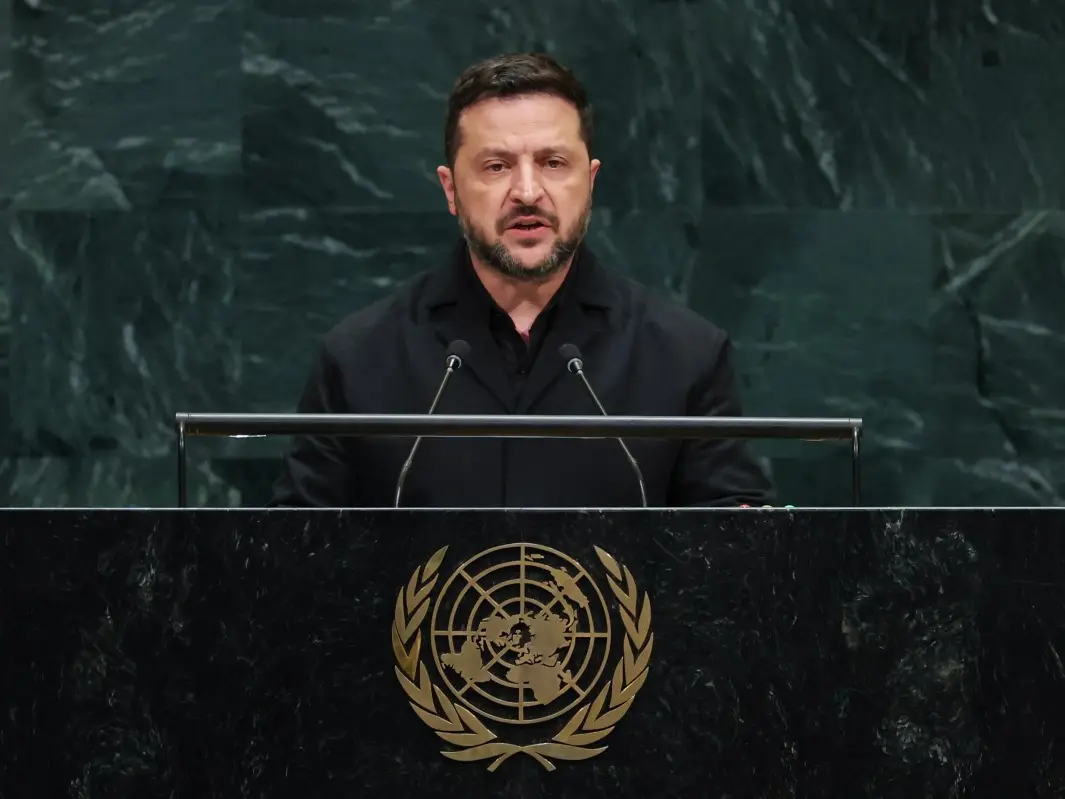
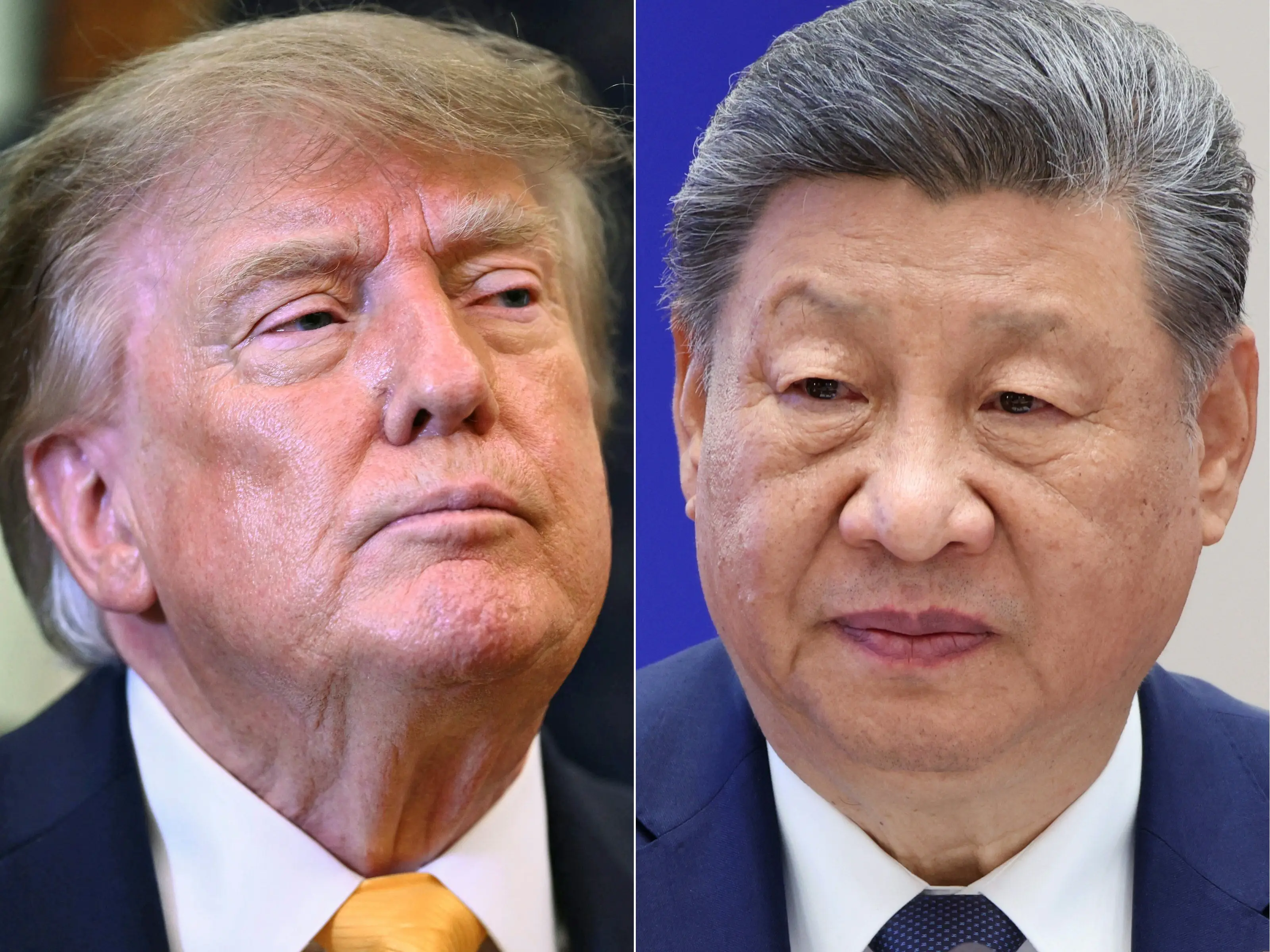
France used its turn chairing the UN Security Council to convene a session on AI and international security that brought American and Chinese AI developers together for the first time — OpenAI and Anthropic alongside China's DeepSeek and Moonshot, with Hugging Face's chief and a leading AI scientist also briefing. It is a rare moment of the rival powers' labs addressing one body.
The companies building the world's most powerful AI are split across a hardening geopolitical divide. This week, for the first time, the UN Security Council tried to get them into one room.
France, holding the rotating presidency of the Council, convened a session on AI and international security and invited developers from both sides of the US-China rivalry: OpenAI and Anthropic from the United States, and DeepSeek and Moonshot from China.
Who Was In The Room
The line-up was unusually broad for a Security Council briefing.
OpenAI's Sam Altman and Anthropic's Dario Amodei were expected to address the session. Hugging Face's chief executive, Clement Delangue, was also set to brief, as was Yoshua Bengio, a founding figure in modern AI who co-chairs a UN scientific panel on the technology. The Chinese firms DeepSeek and Moonshot were invited to make statements, though whether they would attend was less certain, and DeepSeek's founder was not expected in person.
Why Sitting Them Together Matters
Trending Stories
)
)
)
)
)
)
)
)
)
)
)
)
)
)
)
)
)
)
)
)
)
&im=FitAndFill=(700,400))
)
)
)
)
)
)
)
)
&im=FitAndFill=(700,400))
)
)
&im=FitAndFill=(700,400))
)
AI risk does not respect borders. A capability developed in one country can be misused from another, and a safety failure anywhere can cascade everywhere.
That makes AI one of the few areas where the US and China have a shared interest in some baseline of coordination, even as they compete fiercely on everything else. Getting their leading developers to address the same body is a small, symbolic step toward treating AI safety as a common problem rather than a purely national race. The Security Council is where the world convenes on threats that cross borders, and its choosing to host this signals that AI now sits in that category.
The Reasons Not To Overstate It
Symbolism is not agreement, and this deserves to be kept in proportion.
A briefing is not a treaty. The participants came to make statements, not to sign anything, and there is no mechanism here that binds any company or country to a common standard. The uncertainty over whether the Chinese firms would even attend underlines how thin the shared ground is. And the session took place against a discordant backdrop: the US president had, days earlier, rejected international AI oversight outright, meaning the American government and the American companies in the room were not speaking with one voice.
So the right reading is a first step with real symbolic weight and little binding force — worth noting precisely because so little formal cooperation on AI exists, not because this session created much.
The Larger Context
The meeting came weeks after some AI industry figures called publicly for a coordinated slowdown in the development of the most powerful systems, and while world leaders were gathered in New York for the General Assembly.
That timing is not accidental. The people closest to the technology are increasingly saying, in public, that its pace worries them, and the Security Council session is an attempt to give that concern a venue at the highest level of international politics. Whether the venue leads anywhere is the open question.
What To Watch
Whether the Chinese firms participated, and what they said if so. Whether the session produces any follow-up structure — a working group, a standard, a repeat — or remains a one-off. And whether US-China AI contact at this level can survive a US government that has publicly called international oversight a threat to be resisted.
