Explained: Is the Rafah border crossing the last hope for Gaza Palestinians?

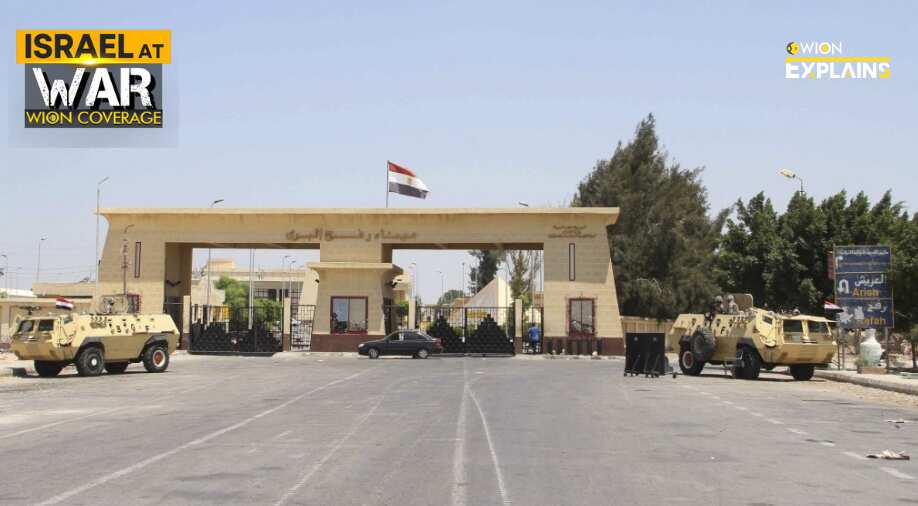
Rafah crossing
The Rafah border crossing, located at the southern end of the Gaza Strip on the border with Egypt's Sinai Peninsula, holds immense significance for the 2.3 million Palestinians in Gaza.
It represents their primary potential exit point and serves as the territory's sole remaining link to the outside world. Under a 2007 agreement with Israel, Egypt controls the crossing, and any supplies entering Gaza through Rafah require Israeli approval.
Challenges of leaving Gaza

For the majority of Gazans, leaving the 365 square kilometreterritory is exceedingly difficult. While Rafah offers the possibility of exiting Gaza, the reality is that most Gazans have never left their home region. Getting permission to depart is a complex and rigorous process.
Rafah: A tightly controlled crossing
On the Egyptian side of the Rafah crossing lies the area of Rafah, a mix of city and farmland. Over the past decade, this region has experienced conflict between the Egyptian military and jihadist militants.
)
1,200 Indian and US troops begin high-altitude and desert drills
)
800 million years old - Scientists discover 'fingerprints' of supercontinent Gondwana in ancient rocks
)
2,200 people donate Rs 1.5 crore for 'docile' Georgia donkey 'HeeHaw' shot dead by police officer
)
West Bengal IPS officer Bushra Bano transferred after objections to ‘Assalamualaikum’, ‘Inshallah’
)
Water equivalent to two Pacific Oceans could be stashed 2,900 km inside Earth
)
Top military commanders from US, Israel, and 7 Arab nations held secret meeting on Iran War
)
China's property crisis deepens as investment plunges nearly 20%
)
US fires up to 70 interceptors against Iran attack on Jordan, putting supplies under pressure
)
'Like a thug you are using agency to go after..': Kash Patel grilled by Senate Democrats over FBI firings, journalist investigations and hiring policy
)
Salman Khan gives The Revolutionaries a shoutout, watches series with Bhuvan Bam, Nikkhil Advani at Galaxy
&im=FitAndFill=(700,400))
New OTT releases this week (September 14-20, 2026): Lust Stories 3, Waiting Hai, Irumudi- 5 new titles coming on Netflix, Prime Video and more
)
Ex-India all-rounder Yuvraj Singh wants India to avoid 'massive changes' before ODI World Cup 2027
)
OpenAI boss Sam Altman repeats AI 'slow down' call, says world 'right to be afraid'
)
Putin-linked Russian oligarch, Melania links: Why Trump skipped his son’s Bahamas wedding bash?
)
Los Angeles helicopter crash: At least three dead, several injured; NTSB to investigate
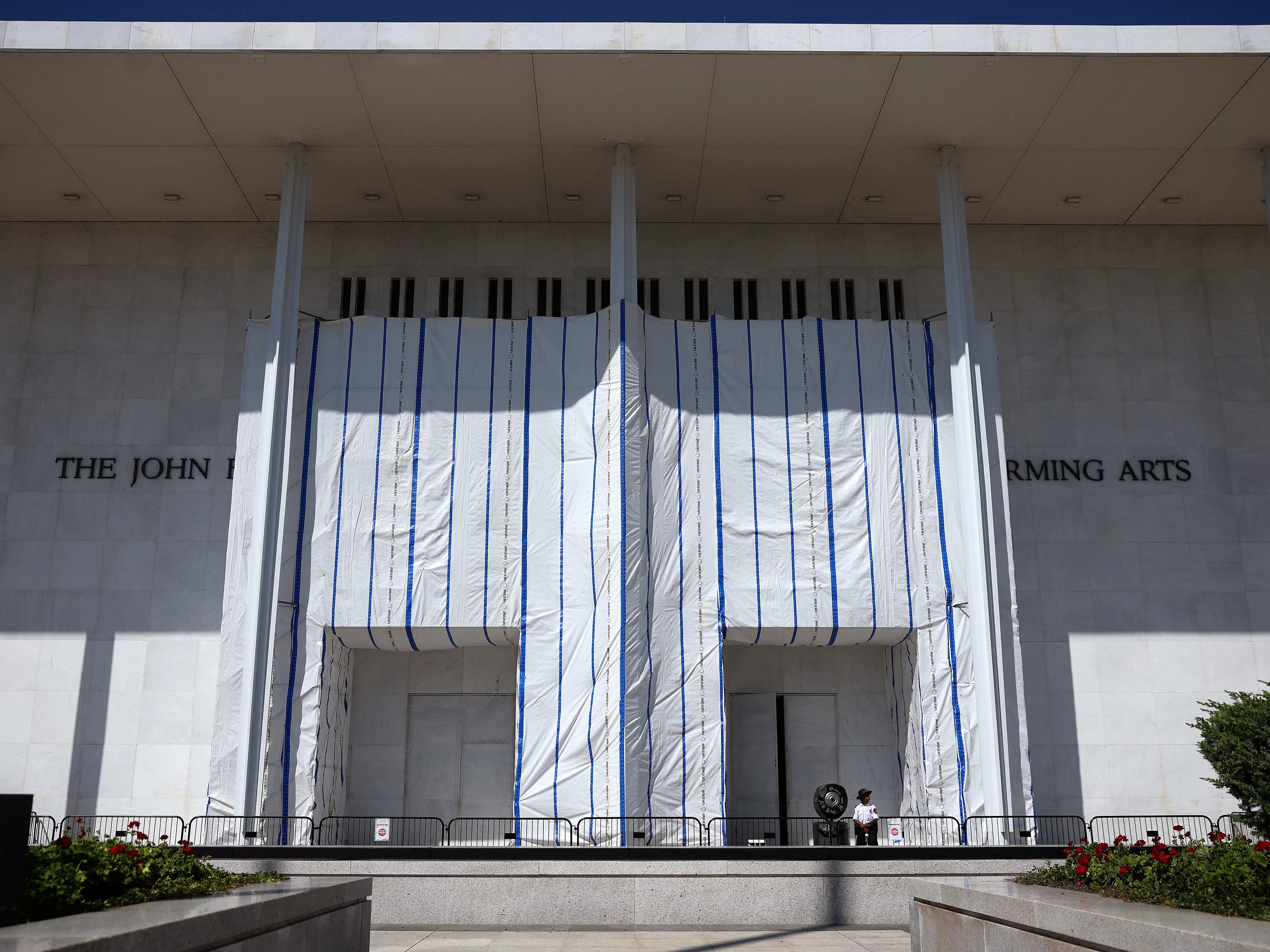)
Trump's name cannot return to Kennedy Center, US judge rules
)
Spanish officer sent home from NATO base over affair with 'Russian spy' | Gravitas
)
'Now Trump is copying us': Shivakumar links US $5,000 plan to Congress guarantees
)
Ed Sheeran’s US tour loses all support acts after Macklemore’s removal | Controversy explained
)
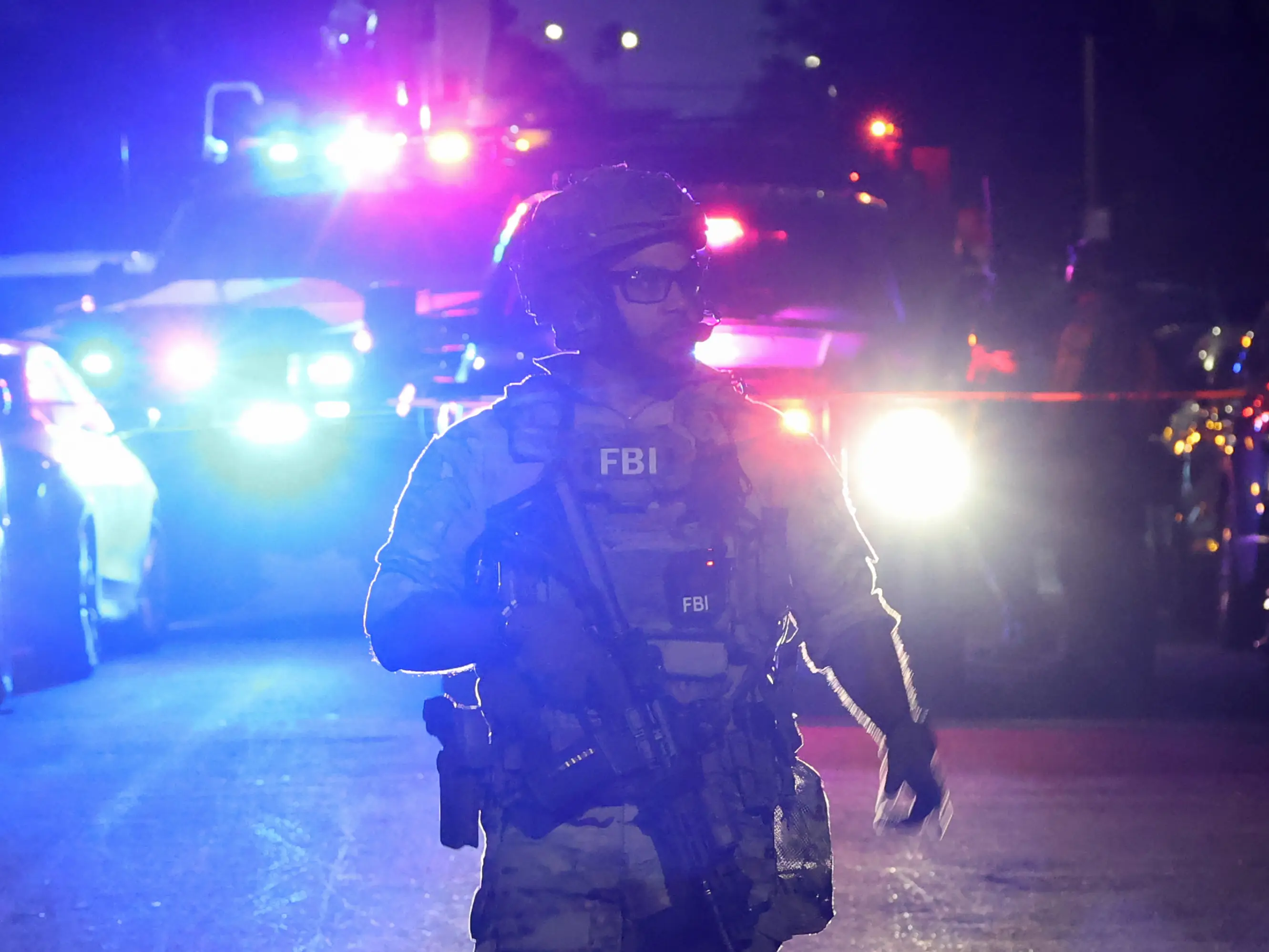
Saudi turns to Israel for intelligence help as Houthi attacks intensify: Report
)
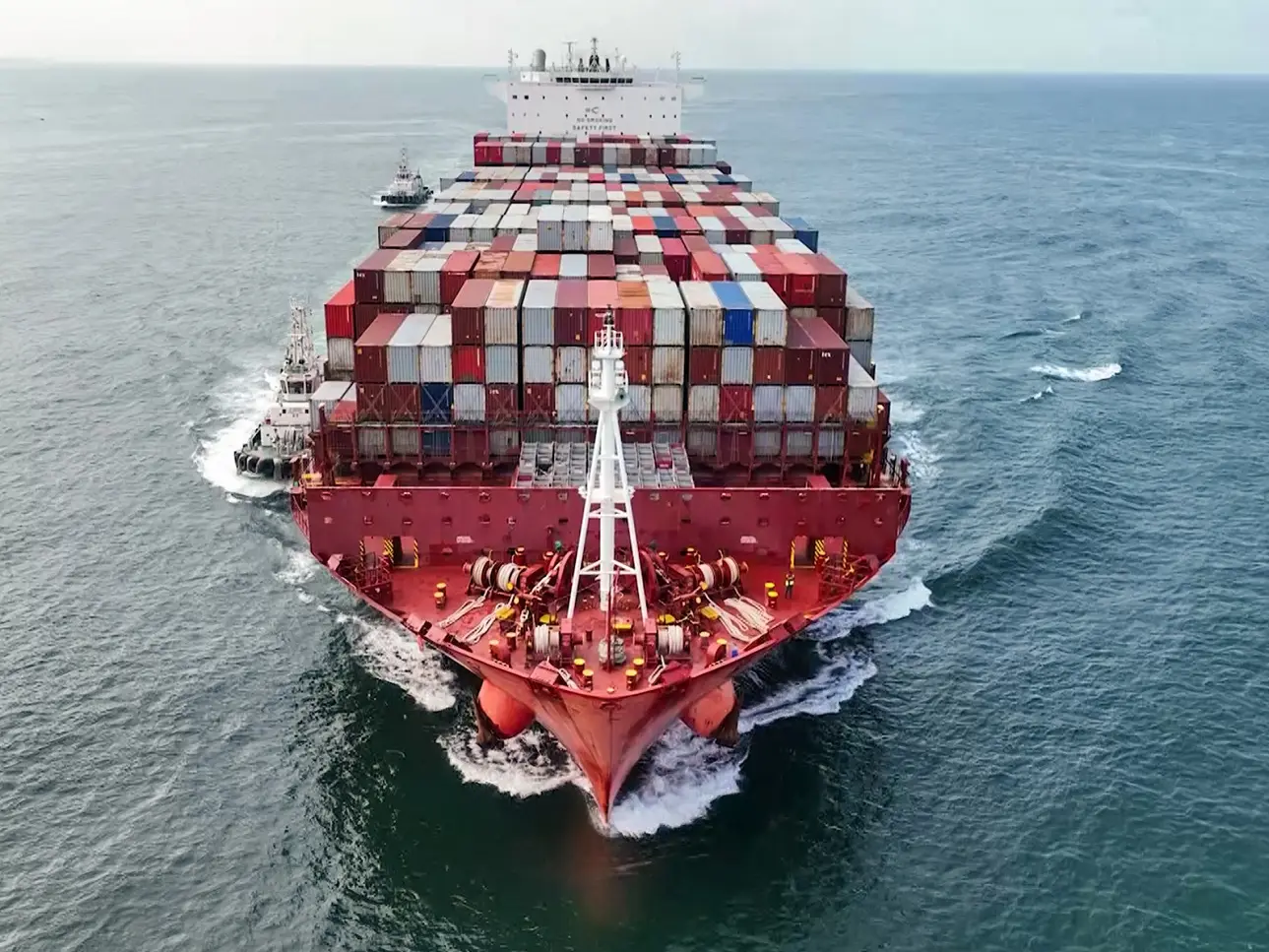
‘Kill all in the name of...’: FBI arrests 21-year-old over alleged ISIS-inspired mass-casualty attack plot
)
India’s imports from Russia jump 57% in five months; China remains top import source
)
Bitter Zelensky snubs Trump for playing politics with Ukraine war | Gravitas
)
Ex-CIA officer caught with gold bars worth $40 million seeks plea deal | Gravitas
)
Saudi Arabia accuses Houthis of drone attack on Mecca, first-ever red alert in Islam's holiest site sparks panic
)
Messi set to play in farewell match on October 6 in Argentina vs Benin friendly
)
Space mines, lasers & robotic arms: Lt Gen Pannu decodes US disclosure of weapons in space
)
Who is Kalyan Bainsla, accused in the Gurugram hit-and-run case involving woman biker?
)
Saudi Arabia discovers 110 million tonnes of Uranium-rich ore in Madinah region
)
US Treasury yields cross 5% as Scott Bessent warns of ‘global issues’ impacting bonds
)
'Definitely feel bad for yourself': Kuldeep Yadav opens up on India Test snubs
)
India summons top Pakistan diplomat after Pak Navy ship collides with Indian warship at high seas
)
‘US military task force aiding Saudi Arabia forces with intel, planning support’: Official
)
Trump's Iran war faces fresh House rebuke; 7 Republicans join Democrats in push to end conflict ahead of midterms
)
Sydney Sweeney defends provocative ad choice, the internet is still not impressed
In an effort to prevent civilians and militants from returning to the area, the Egyptian military essentially razed large parts of Rafah.
Why Egypt closed the crossing?
Egypt has historically imposed tight restrictions on the Rafah crossing and has kept it closed during previous Israeli military operations in Gaza, including in 2021, 2014, and 2008.
Since 2013, during a period of heightened conflict between the Egyptian military and jihadists in the Sinai Peninsula, Egypt has significantly curtailed movement through the crossing. It hasalso banned the entry of aid organisations and journalists into northern Sinai.
Palestinians accuse Egypt of contributing to Israel's 16-year blockade by effectively closing the only exit route from Gaza.
Egyptian officials have been hesitant to allow Palestinians to enter northern Sinai, as they fear it could lead to a permanent resettlement of over 2 million people.
These Palestinians, whom Israel will not allow to return to Gaza, settling in Sinai is a scenario Egypt wishes to avoid. President Abdel-Fatah al-Sisi has expressed concerns about the potential consequences of a Gaza exodus, stating that allowing them to settle in Sinai, even temporarily, would effectively grant Israel control over an emptied Gaza Strip.
Hamas's political leader, Ismail Haniyeh, shares these concerns and has affirmed that there will be no mass migration from Gaza to Egypt. He stated that Egypt welcomes the Palestinian people but not on the basis of migration or exodus.
Also read |Hate crime in US: Man stabs 6-year-old Muslim child over ongoing Israel-Hamas war tensions
Historical fears
Egypt has long harboured concerns that Israel or international partners could pressure them into accepting millions of Palestinians settling in Sinai.
Such proposals have been made in the past, and Egyptian officials have consistently rejected the idea. Life in northern Sinai has been challenging for decades, with a lack of basic infrastructure, energy, and habitable land.
There is a significant area near the Gaza border that was designated as a "buffer zone",resulting in the destruction of homes and farmland. Civilians have been prevented from returning to this area.
Egypt is facing a significant economic crisis, which includes the devaluation of its currency, making the prospect of accepting refugees even more challenging. While Cairo has rejected mass displacement from Gaza into Sinai, it has been under pressure from Western countries offering economic incentives to reach an agreement.
Egypt is on the brink of accepting an agreement that would permit foreign and dual nationals to cross from Rafah, as long as humanitarian aid is allowed into Gaza.
Decision-making circles in Egypt may be inclined to accept a large influx of Palestinians into Sinai if international partners provide economic incentives. However, the prospects of long-term financial support for Palestinians in Egypt, either from Cairo or internationally, appear remote, reported the Guardian.
Situation on ground
The escalating conflict in the Gaza Strip has created a critical situation in its hospitals, with their generator fuel supplies running dangerously low.
The United Nations humanitarian office (OCHA) has issued a stark warning, estimating that the fuel reserves in these hospitals will last only about 24 more hours, reported Reuters.
The shortage of generator fuel is not just a logistical challenge; it is a life-and-death matter. If the backup generators were to fail, thousands of patients, including severely injured children and adults, would be left without essential medical care, and their lives depend on uninterrupted electricity.
Also watch |Israel-Hamas war stumps tech sector
This crisis unfolds against the backdrop of an already dire humanitarian situation in Gaza, a besieged coastal enclave struggling with food and water shortages, as well as safety concerns.
The situation is further compounded by the looming threat of an Israeli ground offensive in response to a deadly attack by Hamas. The Israeli military, backed by an increasing presence of US warships in the region, is assembling along Gaza's border, preparing for a major operation to dismantle the militant group.
(With inputs from agencies)
Disclaimer: WION takes utmost care to accurately and responsibly report ongoing developments on the Israel-Palestine conflict after the Hamas attacks. However, we cannot independently verify the authenticity of all statements, photos and videos.
WATCH WION LIVE HERE: