'Disproportionate use of force during PoK protests, polls not fair,’ says Pakistan human rights body

&imwidth=600&imheight=450&format=webp&quality=medium "'Disproportionate use of force during PoK protests, polls not fair,’ says Pakistan human rights body")
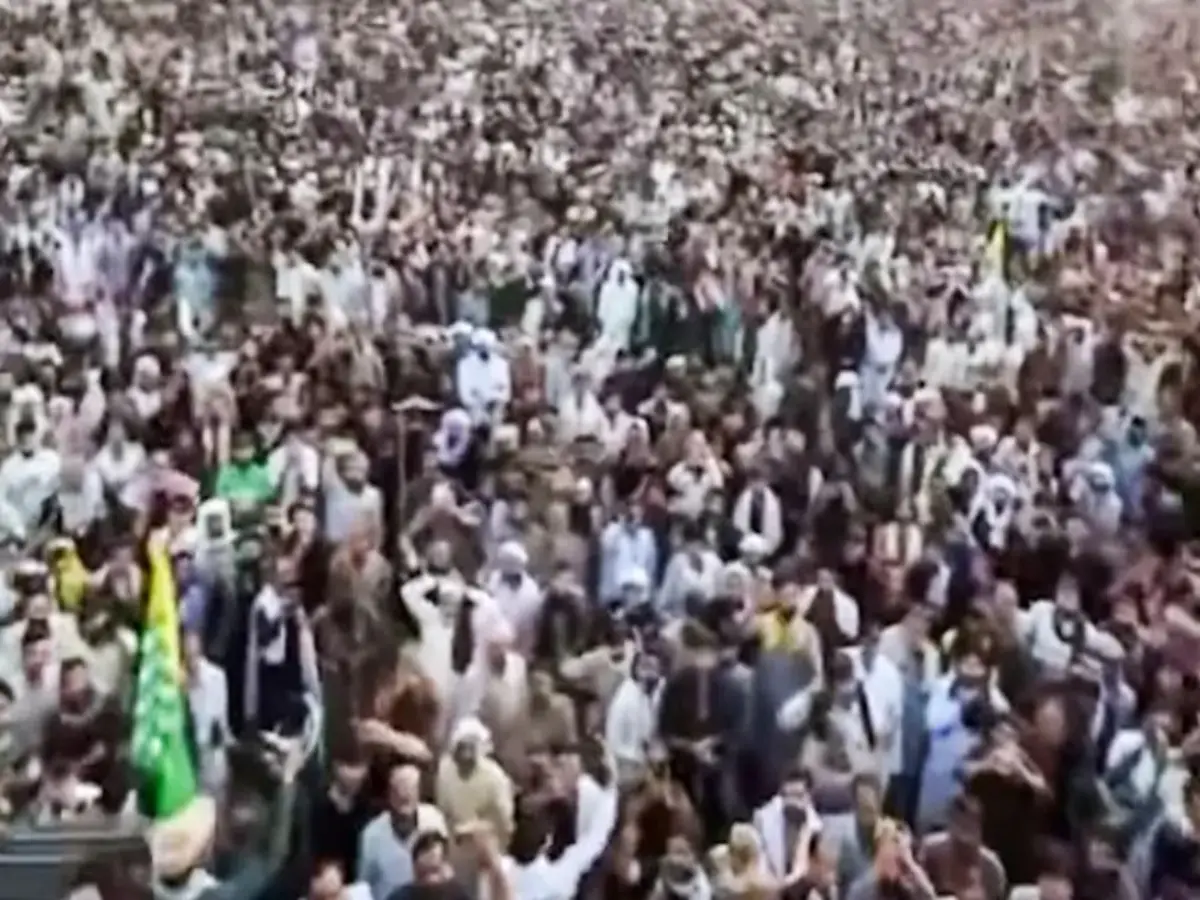
Representative Image
The recent unrest in Pakistan-occupied Jammu and Kashmir (PoJK) was attributed by Pakistan's human rights body to growing institutional distrust, restrictions on freedom of expression and communication.
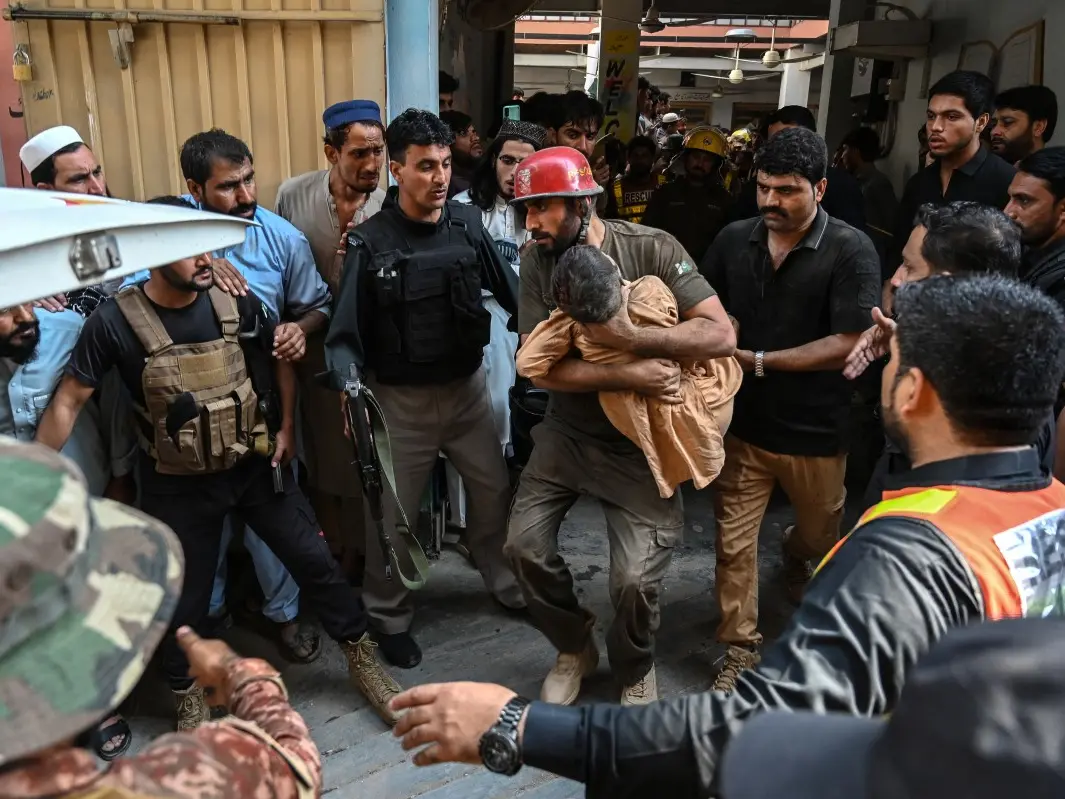
The recently held elections in Pakistan Occupied Kashmir (PoK) was mired in controversy. There were several instances of atrocities committed by the Pakistan police on the protesters.
According to a report released by Pakistan's human rights body, "disproportionate use of force" was used against protesters in the PoK which puts the credibility of the electoral process under scanner amid allegations of violence and massive rigging.
The recent unrest in Pakistan-occupied Jammu and Kashmir (PoJK) was attributed by Pakistan's human rights body to growing institutional distrust, restrictions on freedom of expression and communication, and an increasingly confrontational response from state authorities, including the alleged disproportionate use of force.
The Joint Awami Action Committee (JAAC) has led the protest movement. The Pakistan government later banned the group under anti-terrorism laws.
Pakistan's government also directed international media organisations to seek permission before reporting from areas outside major cities. The move followed coverage of protests and elections in Pakistan-administered Kashmir by foreign news organisations.
Trending Stories
&imwidth=280&imheight=210&format=webp&quality=medium)
&imwidth=280&imheight=210&format=webp&quality=medium)
&imwidth=280&imheight=210&format=webp&quality=medium)
&imwidth=280&imheight=210&format=webp&quality=medium)
&imwidth=280&imheight=210&format=webp&quality=medium)
&imwidth=280&imheight=210&format=webp&quality=medium)
&imwidth=280&imheight=210&format=webp&quality=medium)
&imwidth=280&imheight=210&format=webp&quality=medium)
&imwidth=280&imheight=210&format=webp&quality=medium)
&imwidth=280&imheight=210&format=webp&quality=medium)
&imwidth=280&imheight=210&format=webp&quality=medium)
&imwidth=280&imheight=210&format=webp&quality=medium)
&imwidth=280&imheight=210&format=webp&quality=medium)
&imwidth=280&imheight=210&format=webp&quality=medium)
&imwidth=280&imheight=210&format=webp&quality=medium)
&imwidth=280&imheight=210&format=webp&quality=medium)
&imwidth=280&imheight=210&format=webp&quality=medium)
&imwidth=280&imheight=210&format=webp&quality=medium)
&imwidth=280&imheight=210&format=webp&quality=medium)
&imwidth=280&imheight=210&format=webp&quality=medium)
&im=FitAndFill=(700,400)&imwidth=280&imheight=210&format=webp&quality=medium)
&imwidth=280&imheight=210&format=webp&quality=medium)
&imwidth=280&imheight=210&format=webp&quality=medium)
&im=FitAndFill=(700,400)&imwidth=280&imheight=210&format=webp&quality=medium)
&imwidth=280&imheight=210&format=webp&quality=medium)
&imwidth=280&imheight=210&format=webp&quality=medium)
&imwidth=280&imheight=210&format=webp&quality=medium)
&imwidth=280&imheight=210&format=webp&quality=medium)
&imwidth=280&imheight=210&format=webp&quality=medium)
&imwidth=280&imheight=210&format=webp&quality=medium)
&imwidth=280&imheight=210&format=webp&quality=medium)
&imwidth=280&imheight=210&format=webp&quality=medium)
&imwidth=280&imheight=210&format=webp&quality=medium)
&imwidth=280&imheight=210&format=webp&quality=medium)
&imwidth=280&imheight=210&format=webp&quality=medium)
&imwidth=280&imheight=210&format=webp&quality=medium)
&imwidth=280&imheight=210&format=webp&quality=medium)
Elections to 45 seats to the so-called PoK legislative assembly were held in three phases from July 27 to August 10. However the third phase was postponed with the region's election commission citing security concerns.
The first two phases, held on July 27 and August 2, were marred by violent protests. The JAAC claimed that more than 40 people were killed during the first phase of polling on July 27. It further claimed that around 400 protesters had been killed since the first week of June.
In these circumstances the Commission in a post on X said "there was broad agreement among political and community stakeholders, including JKJAAC supporters and opponents, that the region's grievances required a political solution rather than coercive measures."
"We could not independently establish the full scale or circumstances of civilian casualties, particularly because the team was unable to access Rawalakot, one of the main centres of violence," the commission said and called for an independent and impartial investigation into all deaths and serious injuries since June.
It said accountability should extend to state officials and protesters wherever evidence establishes individual responsibility.
