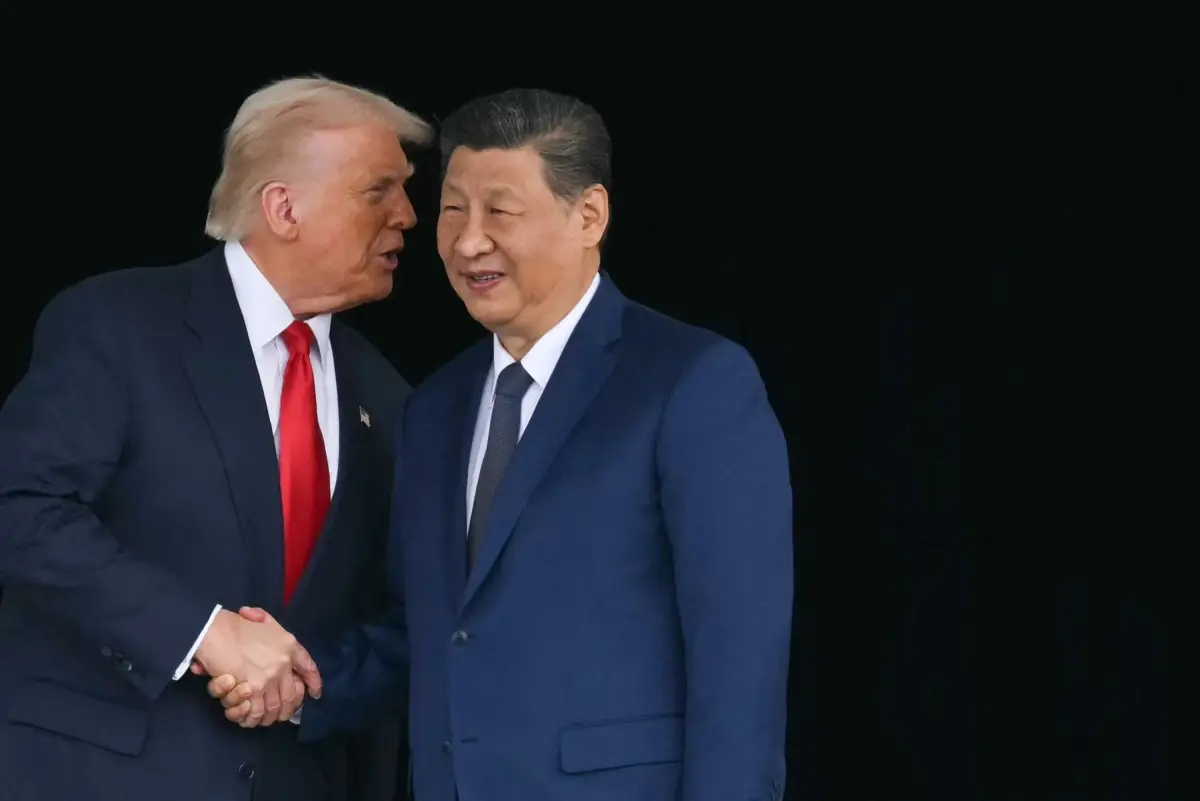
Did China just put a chokehold on US defence? How its rare earth end use restrictions could hit American military hard

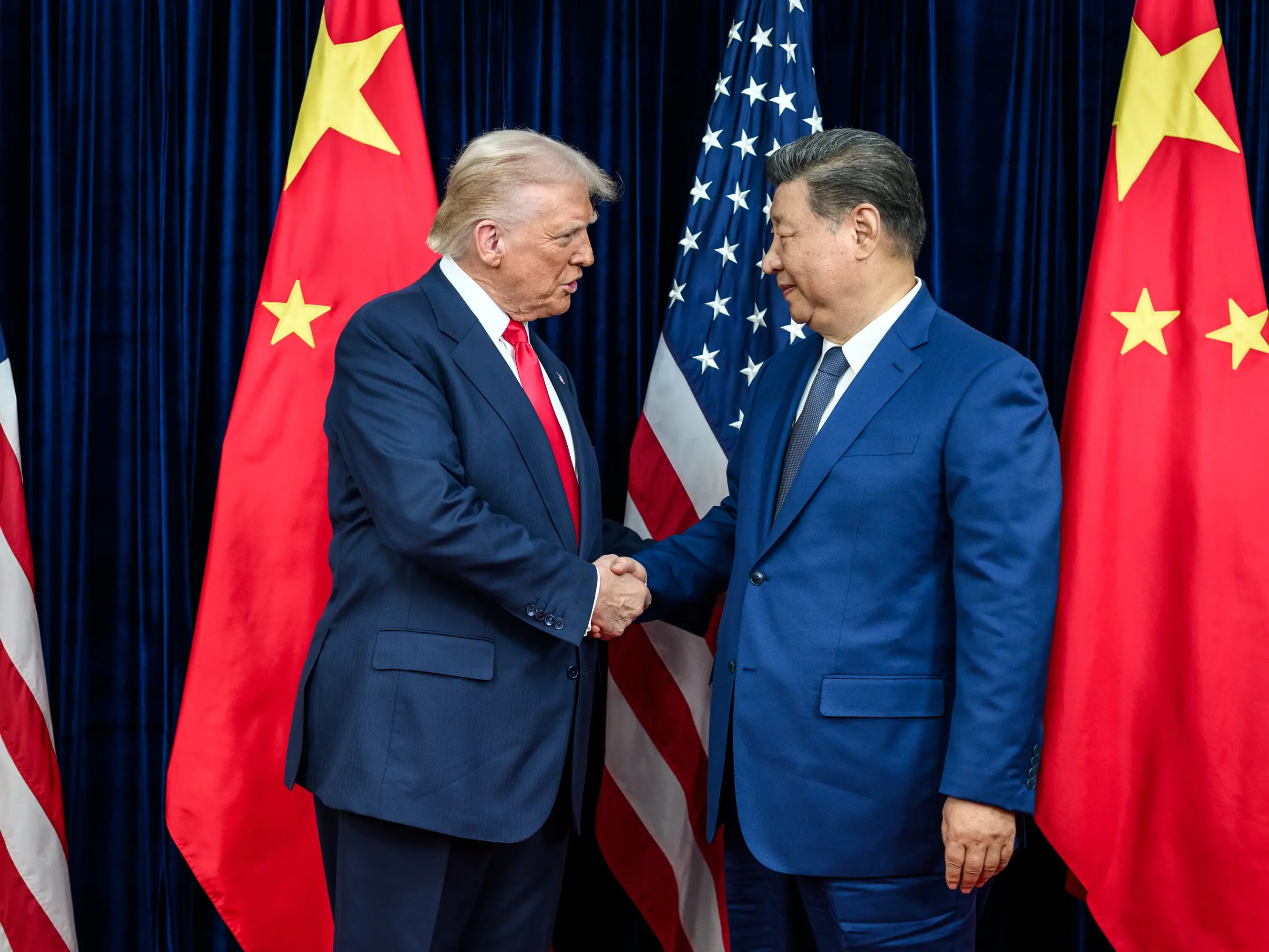&imwidth=600&imheight=450&format=webp&quality=medium "Did China just put a chokehold on US defence? How its rare earth end use restrictions could hit American military hard")
Did China just squeeze the hand of US military a little too tight? Photograph: (Others)
China’s new rare earth export curbs target US military end use, tightening licences for defence-linked firms. The move, which will kick in from December, could delay American weapons production and disrupt supply chains.
China has issued a set of rare earth export restrictions that could potentially target US military end-use, American media reports said. Its refined rare earth export policy will now differentiate between civilian and military end-users. From December 1, the Chinese Ministry of Commerce (MOFCOM) will implement this updated licensing system, which expedites approvals for non-military shipments while permanently denying licences to companies tied to the US defence sector. The new “validated end-user” system, as reported by Wall Street Journal, could potentially block rare earth magnets and materials used in advanced American weaponry and aerospace systems.
Beijing is exploiting its dominance in rare earth elements
China controls nearly 85 per cent of the world’s rare earth elements (REEs) through global mining and 95 per cent of REE processing. The restrictions, which began in April following new tariffs from US President Donald Trump, prohibit exports of seven heavy REEs critical for defence technologies such as American missile guidance systems and fighter jets.
Why the rare earth elements are crucial for US defence
The elements—samarium, gadolinium, terbium, dysprosium, lutetium, scandium, and yttrium—are subject to licensing. Military-related applications will be outrightly rejected. Sixteen major US contractors, including Lockheed Martin and Raytheon, have already been added to China’s export control list, disrupting supply chains and delaying US missile and aircraft production.
Trending Stories
&imwidth=280&imheight=210&format=webp&quality=medium)
&imwidth=280&imheight=210&format=webp&quality=medium)
&imwidth=280&imheight=210&format=webp&quality=medium)
&imwidth=280&imheight=210&format=webp&quality=medium)
&imwidth=280&imheight=210&format=webp&quality=medium)
&imwidth=280&imheight=210&format=webp&quality=medium)
&imwidth=280&imheight=210&format=webp&quality=medium)
&imwidth=280&imheight=210&format=webp&quality=medium)
&imwidth=280&imheight=210&format=webp&quality=medium)
&im=FitAndFill=(700,400)&imwidth=280&imheight=210&format=webp&quality=medium)
&imwidth=280&imheight=210&format=webp&quality=medium)
&imwidth=280&imheight=210&format=webp&quality=medium)
&imwidth=280&imheight=210&format=webp&quality=medium)
&imwidth=280&imheight=210&format=webp&quality=medium)
&imwidth=280&imheight=210&format=webp&quality=medium)
&imwidth=280&imheight=210&format=webp&quality=medium)
&imwidth=280&imheight=210&format=webp&quality=medium)
&imwidth=280&imheight=210&format=webp&quality=medium)
&imwidth=280&imheight=210&format=webp&quality=medium)
&imwidth=280&imheight=210&format=webp&quality=medium)
&im=FitAndFill=(700,400)&imwidth=280&imheight=210&format=webp&quality=medium)
&imwidth=280&imheight=210&format=webp&quality=medium)
&imwidth=280&imheight=210&format=webp&quality=medium)
&imwidth=280&imheight=210&format=webp&quality=medium)
&imwidth=280&imheight=210&format=webp&quality=medium)
&imwidth=280&imheight=210&format=webp&quality=medium)
&im=FitAndFill=(700,400)&imwidth=280&imheight=210&format=webp&quality=medium)
&imwidth=280&imheight=210&format=webp&quality=medium)
&imwidth=280&imheight=210&format=webp&quality=medium)
&imwidth=280&imheight=210&format=webp&quality=medium)
&imwidth=280&imheight=210&format=webp&quality=medium)
&imwidth=280&imheight=210&format=webp&quality=medium)
&imwidth=280&imheight=210&format=webp&quality=medium)
&imwidth=280&imheight=210&format=webp&quality=medium)
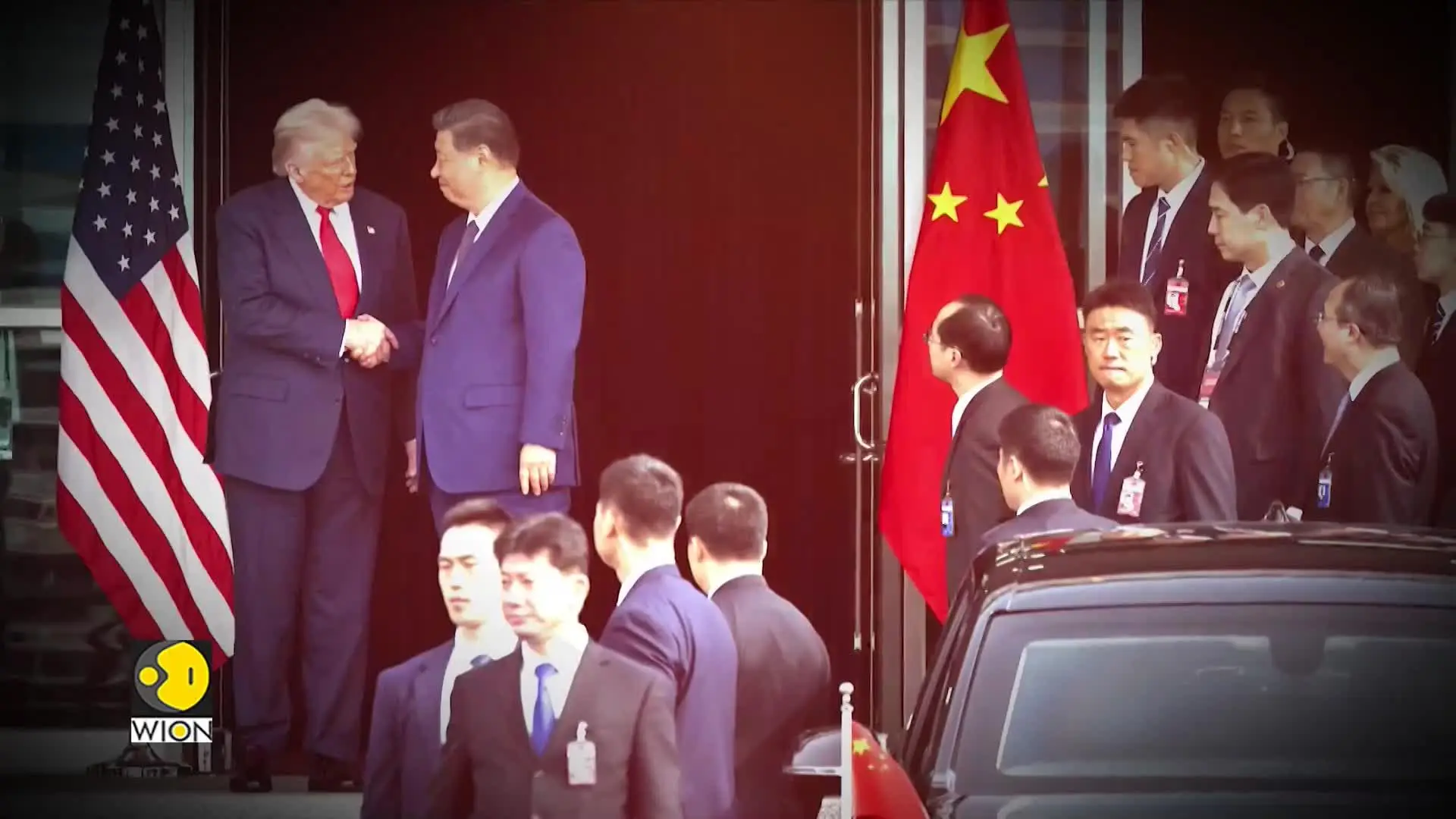
But the April restrictions were selectively eased amid the waxing and waning of the tariff war. A truce following Trump's talks with Chinese President Xi Jinping reopened civilian REE exports, but defence-related prohibitions remained.
In October, MOFCOM expanded controls to five additional elements—holmium, erbium, thulium, europium, and ytterbium—and to REE-based magnets, processing technologies, and lithium battery materials containing any Chinese rare earths.
Beijing views rare earth export controls as a national security action
China will screen buyers to prevent indirect re-exports of these elements through third parties or countries. Explaining the measures under national security concerns, China insists this is consistent with WTO rules, even as it leverages them as negotiation tools.
How China is playing hide-and-seek with the US on rare earths
Contradictory reports have emerged from the US and China regarding how many exemptions were granted on rare earth exports. American statements suggested a broad relaxation, but official Chinese readouts confirmed only non-military exemptions.
Violations of the dual-use control list now carry fines of up to $700,000 or permanent export bans.
The US remains heavily dependent on Chinese rare earths
Despite trade and tariff tensions, the US imports nearly three-quarters of its REEs from China.
The US has minimal domestic capacity for heavy-element separation. Pentagon data showed that most advanced US defence systems—including F-35 jets, Tomahawk missiles, naval sonar arrays, and radar platforms—rely on Chinese-processed REEs. Current REE stockpiles cover only a few months of consumption, while new US mining and processing projects are years away from completion. Domestic initiatives under the Defence Production Act have yielded minimal results, covering only about 10 per cent of heavy REE requirements by 2025.
China's calculated pressure tactic on the US defence sector
While not an outright embargo, the rare earth end-user restrictions for US defence are designed to constrain US military preparedness without severing broader trade ties with America.
US weapon production timelines could suffer, facing delays of up to a year. While recycling and allied sourcing could provide partial mitigation for US defence, it is nearly impossible for the US to fully substitute Chinese-origin REEs. The strategy underscores Beijing’s intent to wield mineral dominance as a deterrent to US military actions in Asia.