China rejects claims of inadequate disaster data-sharing with Nepal

&imwidth=600&imheight=450&format=webp&quality=medium "China rejects claims of inadequate disaster data-sharing with Nepal")
China rejects claims of inadequate disaster data-sharing with Nepal
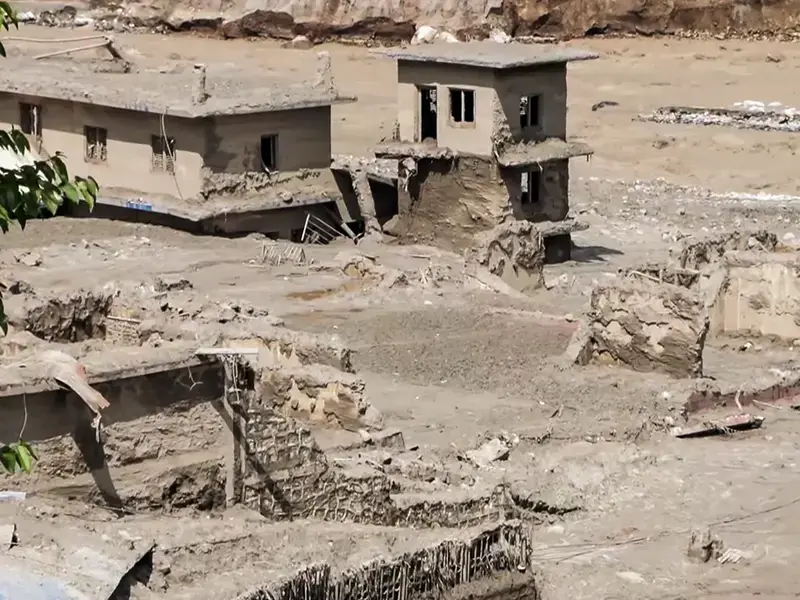
Nepali officials say they sought more data from China on glacier movements, water levels and extreme events before deadly floods hit the Nepal-Tibet border. China says it shared information in a timely manner. The disaster killed over 900 people and left more than 3,000 missing
As the death toll in Nepal crosses 900, Nepali officials have said that they did not get as much data as they wanted from China on glacier movements, water levels and other extreme events, Reuters reported. Nepali and Chinese officials met in Kathmandu in May - just three months before glacier-triggered flash floods devastated the Nepal-Tibet border. However, China has said that it gave adequate warnings. Meanwhile, India is continuing to assist Nepal in rescue and relief work, as the death toll crossed 900 and more than 4,000 people remained missing on Monday, according to the National Disaster Risk Reduction and Management Authority. India has also deployed specialised teams to support Nepal’s rescue operations and the identification of victims, the Ministry of External Affairs said.
At the May 27 meeting, 10 Nepali officials and about a dozen Chinese officials, including representatives from Tibet, discussed cooperation on floods, weather and glacier-related hazards, according to an agenda prepared by Nepal and reviewed by Reuters. They called for joint measures including inventories of glacial lakes and hazard mapping. “What we actually wanted from them, and still want, is if there are early movements of glaciers and early movements around that area, we would want to know a bit early,” Sauhardra Joshi, a hydrologist at Nepal’s Flood Forecasting Division, told Reuters.
Nepal raised similar concerns last year after a glacial lake outburst flood in Tibet killed at least nine people from Nepal and left more than a dozen missing.
“When the Chinese side sees a heavy precipitation forecast in the Tibet area, then they provide us that forecast and those observations,” said Binod Parajuli, a Nepal government hydrologist. But, he added, this did “not” include information on “avalanche and water level, landslides, extreme events.”China began sharing heavy-rain forecasts for Tibet with Nepal through WeChat and email about a month ago, Parajuli said.
Trending Stories
&imwidth=280&imheight=210&format=webp&quality=medium)
&imwidth=280&imheight=210&format=webp&quality=medium)
&imwidth=280&imheight=210&format=webp&quality=medium)
&imwidth=280&imheight=210&format=webp&quality=medium)
&imwidth=280&imheight=210&format=webp&quality=medium)
&imwidth=280&imheight=210&format=webp&quality=medium)
&imwidth=280&imheight=210&format=webp&quality=medium)
&imwidth=280&imheight=210&format=webp&quality=medium)
&imwidth=280&imheight=210&format=webp&quality=medium)

&imwidth=280&imheight=210&format=webp&quality=medium)
&imwidth=280&imheight=210&format=webp&quality=medium)
&imwidth=280&imheight=210&format=webp&quality=medium)
&imwidth=280&imheight=210&format=webp&quality=medium)
&imwidth=280&imheight=210&format=webp&quality=medium)
&imwidth=280&imheight=210&format=webp&quality=medium)
&imwidth=280&imheight=210&format=webp&quality=medium)
&imwidth=280&imheight=210&format=webp&quality=medium)
&im=FitAndFill=(700,400)&imwidth=280&imheight=210&format=webp&quality=medium)
&imwidth=280&imheight=210&format=webp&quality=medium)
&imwidth=280&imheight=210&format=webp&quality=medium)
&imwidth=280&imheight=210&format=webp&quality=medium)
&imwidth=280&imheight=210&format=webp&quality=medium)
&imwidth=280&imheight=210&format=webp&quality=medium)
&imwidth=280&imheight=210&format=webp&quality=medium)
&imwidth=280&imheight=210&format=webp&quality=medium)
&im=FitAndFill=(700,400)&imwidth=280&imheight=210&format=webp&quality=medium)
&imwidth=280&imheight=210&format=webp&quality=medium)
&im=FitAndFill=(700,400)&imwidth=280&imheight=210&format=webp&quality=medium)
&imwidth=280&imheight=210&format=webp&quality=medium)

&im=FitAndFill=(700,400)&imwidth=280&imheight=210&format=webp&quality=medium)
&imwidth=280&imheight=210&format=webp&quality=medium)
&imwidth=280&imheight=210&format=webp&quality=medium)
China denies claim
China said that it had shared important information with Nepal “in a timely manner” and that the two countries had made “substantial progress” on cross-border disaster information-sharing at the meeting, the embassy said. Beijing's Foreign Ministry said that information has been released openly, transparently and promptly. Twelve days before the August 26 disaster, China's World Meteorological Centre warned Nepali officials by email of enhanced rainfall and possible “secondary and cascading hazards”, including landslides and flash floods.

