Australia bushfire engulfs dozen homes, over 1,500 firefighters deployed | VIDEO

&imwidth=600&imheight=450&format=webp&quality=medium "Australia bushfire engulfs dozen homes, over 1,500 firefighters deployed | VIDEO")
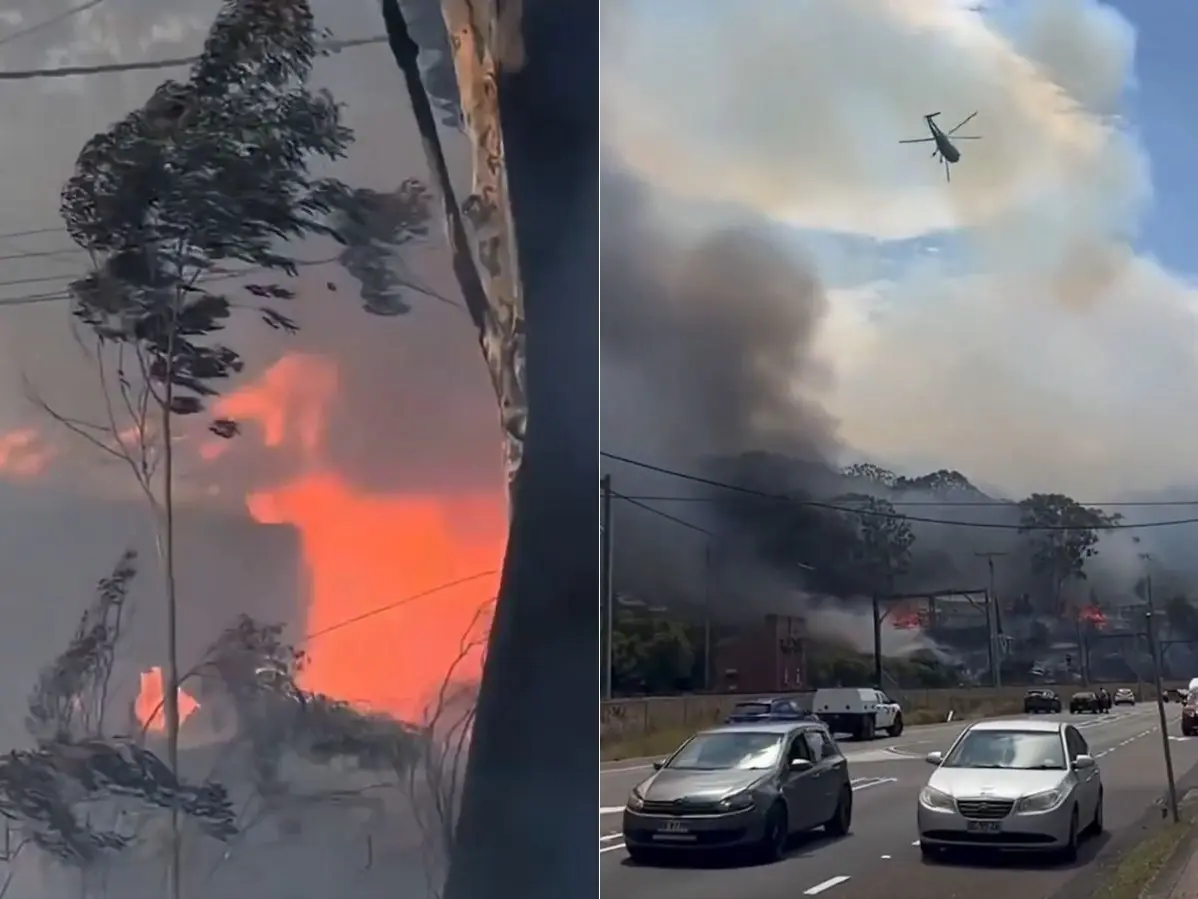
Screengrab from video shared on X. Photograph: (X/@WeatherMonitors)
Bureau of Meteorology forecaster Dean Narramore said that hot and dry winds were fanning temperatures across the state, nearing 40 degrees Celsius.
A dozen homes were damaged or destroyed following a deadly bushfire in Australia’s eastern and central New South Wales on Saturday (Dec 6) as a blistering heatwave set in. The fire has forced the M1 Pacific Highway to be shut from both directions as more than 75 bushfires continue to burn. Although the state’s Rural Fire Service said in a statement that the majority of the blaze was “under control”, with 19 yet to be contained.
Australian broadcaster ABC reported that up to 16 homes were lost. Residents in the worst hit Koolewong on the NSW Central Coast, and Milsons Gully in the Upper Hunter, have been urged to evacuate. NSW Premier Chris Minns described the situation as very challenging for firefighters, calling the day devastating for people who lost their homes.
Six houses were burnt by a blaze north of Sydney, while some were destroyed in the mid-north coast of the state. One bushfire had engulfed more than 9,000 hectares (20,000 acres) of area in the Goulburn River National Park.
Minns added that more than 1,500 firefighters with 300 vehicles were deployed and that the government was doing “everything we can to protect lives.” He further said, “This is a warning for everybody to follow the advice from the RFS, from NSW Police, from fire and rescue.”
The state’s RFS Commissioner, Trent Curtin, said that they will be monitoring the weather conditions. “We’re also concerned about the wind change that is expected to come through … somewhere between 2 am and 5 am tomorrow,” he said. “That will create very challenging conditions for firefighters, and we’ll need to monitor those conditions. And we’re asking members of the community in that area to monitor those conditions as well.”
Several videos of the inferno were shared and circulated widely on social media.
Trending Stories
)
)
)
)
)
)
)
)
)
&im=FitAndFill=(700,400))
&im=FitAndFill=(700,400))
)
)
)
)
)
)
)
)
&im=FitAndFill=(700,400))
)
&im=FitAndFill=(700,400))
)
)
)
)
)
)
&im=FitAndFill=(700,400))
&im=FitAndFill=(700,400))
)
)
)
)
Bureau of Meteorology forecaster Dean Narramore said that hot and dry winds were fanning temperatures across the state, nearing 40 degrees Celsius.
“This is a dangerous few hours,” he said. “Unfortunately, this heat has been associated with hot and gusty winds as well, and that’s what really driving these dangerous and extreme fire dangers.”
Bushfires are common in Australia during the summer months. Raging fires burn through sparsely populated areas on hot and windy days.

