At Farnborough, US defence giants quietly court Europe’s rearmament

&imwidth=600&imheight=450&format=webp&quality=medium "At Farnborough, US defence giants quietly court Europe’s rearmament")
Photograph: (WION)
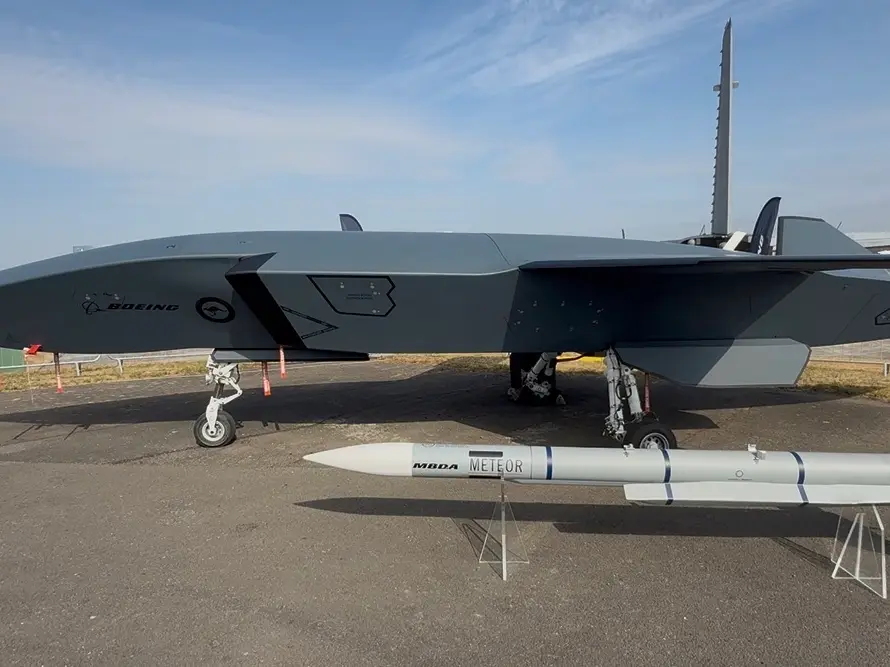
At the Farnborough International Airshow, US defence giants Boeing and General Atomics showcased their next-generation unmanned combat aircraft alongside European missiles, signalling efforts to adapt to Europe's growing defence spending.
While political rhetoric continues to highlight tensions between Washington and Europe over defence spending, a different story is unfolding on the exhibition floor at the Farnborough International Airshow.
Two of America’s leading defence companies—Boeing and General Atomics—have positioned some of their most advanced next-generation unmanned combat aircraft alongside European missile systems.
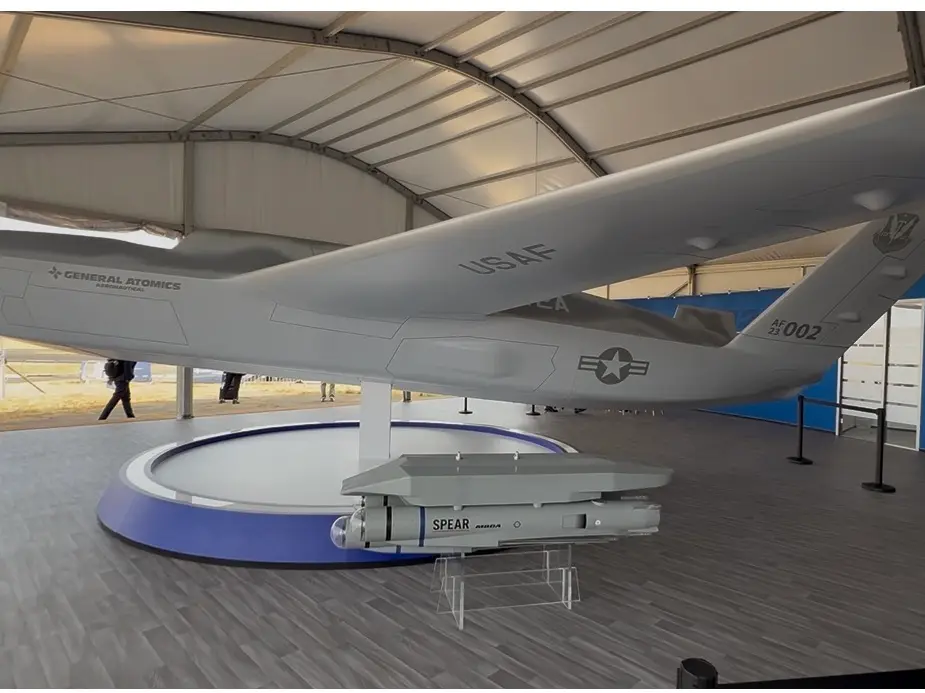
Boeing’s MQ-28 Ghost Bat and General Atomics’ YFQ-42A Dark Merlin are both being displayed in close proximity to missiles developed by MBDA, a move that industry sources suggest was a last-minute decision.
The MQ-28 is positioned with the MBDA Meteor, an advanced, ramjet-powered beyond-visual-range air-to-air missile (BVRAAM).
The FQ-42A is positioned with the MBDA SPEAR missile, an air-launched cruise missile.
MBDA is a prominent European multinational corporation headquartered just outside Paris, France.
Trending Stories
&imwidth=280&imheight=210&format=webp&quality=medium)
&imwidth=280&imheight=210&format=webp&quality=medium)
&imwidth=280&imheight=210&format=webp&quality=medium)
&imwidth=280&imheight=210&format=webp&quality=medium)
&imwidth=280&imheight=210&format=webp&quality=medium)
&imwidth=280&imheight=210&format=webp&quality=medium)
&imwidth=280&imheight=210&format=webp&quality=medium)
&imwidth=280&imheight=210&format=webp&quality=medium)
&imwidth=280&imheight=210&format=webp&quality=medium)
&imwidth=280&imheight=210&format=webp&quality=medium)
&im=FitAndFill=(700,400)&imwidth=280&imheight=210&format=webp&quality=medium)
&imwidth=280&imheight=210&format=webp&quality=medium)
&imwidth=280&imheight=210&format=webp&quality=medium)
&imwidth=280&imheight=210&format=webp&quality=medium)
&imwidth=280&imheight=210&format=webp&quality=medium)
&imwidth=280&imheight=210&format=webp&quality=medium)
&imwidth=280&imheight=210&format=webp&quality=medium)
&imwidth=280&imheight=210&format=webp&quality=medium)
&imwidth=280&imheight=210&format=webp&quality=medium)
&imwidth=280&imheight=210&format=webp&quality=medium)
&imwidth=280&imheight=210&format=webp&quality=medium)
&imwidth=280&imheight=210&format=webp&quality=medium)
&imwidth=280&imheight=210&format=webp&quality=medium)
&imwidth=280&imheight=210&format=webp&quality=medium)
&imwidth=280&imheight=210&format=webp&quality=medium)
&imwidth=280&imheight=210&format=webp&quality=medium)
&imwidth=280&imheight=210&format=webp&quality=medium)
&imwidth=280&imheight=210&format=webp&quality=medium)
&imwidth=280&imheight=210&format=webp&quality=medium)
&imwidth=280&imheight=210&format=webp&quality=medium)
&imwidth=280&imheight=210&format=webp&quality=medium)
&imwidth=280&imheight=210&format=webp&quality=medium)
&imwidth=280&imheight=210&format=webp&quality=medium)
U.S. does not generally operate European-designed missiles. In fact, the relationship is usually the reverse, with European nations heavily relying on U.S.-supplied missile systems.
But at the Farnborough Airshow, its U.S. UCAV's showcased with European missiles.
Although seemingly a matter of exhibition layout, the positioning reflects a broader shift in defence strategy. As European nations rapidly expand military spending following the war in Ukraine and seek greater strategic autonomy, U.S. defence firms are increasingly looking to align their platforms with European weapon systems rather than relying solely on American munitions.
The timing is significant. Across Europe, governments have repeatedly stressed the need to reduce dependence on U.S.-supplied defence equipment by investing in domestic capabilities. This has raised questions about the future dominance of American manufacturers in one of the world’s fastest-growing defence markets.
Against this backdrop, the Farnborough displays suggest that American defence giants are adapting rather than resisting. By demonstrating compatibility with European missiles and encouraging modular integration, companies such as Boeing and General Atomics are positioning themselves to remain central players in Europe’s evolving defence architecture.
The strategy also reflects changing procurement priorities. European governments increasingly favour platforms capable of integrating weapons from multiple suppliers, giving operators greater flexibility while strengthening local defence industries. For U.S. manufacturers, interoperability may prove to be the key to retaining access to European defence budgets worth hundreds of billions of euros over the coming decade.
The juxtaposition of American unmanned aircraft with European missiles may therefore be more than an exhibition choice—it could be an indication of where the global defence market is heading. As Europe pursues greater defence sovereignty, American companies appear determined to ensure they remain part of that future, even if it means embracing European technology rather than competing directly against it.
)