After Sinwar’s death, Hamas to keep new leader’s identity hidden to thwart future Israeli attacks

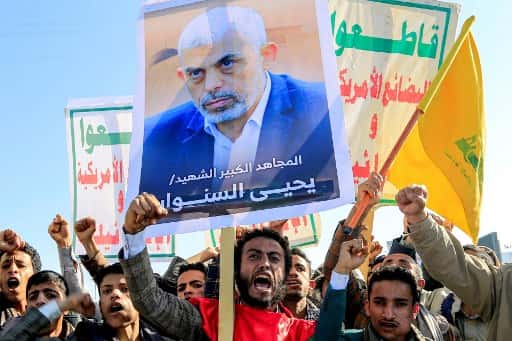
Hamas' slain leader Yahya Sinwar
Hamas is reportedly keeping the identity of its new political bureau chief hidden following the assassination of its Gaza leader, Yehya Sinwar, by Israel on Wednesday, as per a report by the Arabic-language newspaper Asharq Al-Awsat citing sources within the group.
Just under three months ago, former political leader Ismail Haniyeh was also killed in Tehran. In light of the rising security threats, Hamas leadership is debating whether to reveal the new leader’s name.

One source told Asharq Al-Awsat, "The leadership is likely to keep the identity confidential for safety reasons." The purpose behind this secrecy is to offer the new chief more operational flexibility and avoid further Israeli assassination attempts, which have claimed many of the group’s top figures.
Concealing the leader’s identity is also expected to help stabilise internal operations and protect the group's structure. Additionally, keeping Israel uncertain about who is in charge could be a strategic advantage if discussions about a ceasefire or prisoner exchange resume in Gaza.
&imwidth=180&imheight=135&format=webp&quality=medium)
Other Mommy leads North American box Office as Verity, Resident Evil round out top four
&im=FitAndFill=(700,400)&imwidth=180&imheight=135&format=webp&quality=medium)
Navratri 2026: 9 days, 9 forms of Goddess Durga and 9 colours- Check the complete list
&imwidth=180&imheight=135&format=webp&quality=medium)
US troop deaths in Iran war on rise? Pentagon reveals latest toll
&imwidth=180&imheight=135&format=webp&quality=medium)
Trump claims ‘energy ceasefire’ between Russia and Ukraine; Zelensky says ‘news for me’
&im=FitAndFill=(700,400)&imwidth=180&imheight=135&format=webp&quality=medium)
Is sending robots to Mars easier than sending humans?
&imwidth=180&imheight=135&format=webp&quality=medium)
A watchdog rated 'ChatGPT for Teens' an unacceptable risk and says keep under-18s off it
&imwidth=180&imheight=135&format=webp&quality=medium)
1,500 drones illuminate Mumbai sky as Cordelia Cruises unveils second ship, Cordelia Sky
&imwidth=180&imheight=135&format=webp&quality=medium)
'Just coincidence': Police mistakes protester as AISA chief Neha Bora, arrests her from site
&imwidth=180&imheight=135&format=webp&quality=medium)
Anthropic's AI invented a murder witness and sent the fake tip to Philadelphia police
&imwidth=180&imheight=135&format=webp&quality=medium)
CJI Surya Kant declines INDIA bloc leaders’ request for meeting ahead of march to SC, asks them to file petition
&imwidth=180&imheight=135&format=webp&quality=medium)
One Indian killed in Riyadh airport attack; 11 others injured : MEA
&imwidth=180&imheight=135&format=webp&quality=medium)
Imran Khan released hours after Mumbai Police detain him during CJP protest
&imwidth=180&imheight=135&format=webp&quality=medium)
Nathan Lyon completes 1,000 Test runs at No. 10 to script rare cricket feat
&imwidth=180&imheight=135&format=webp&quality=medium)
Top AI models flunked a test of inventing new AI research, so much for self-improving AI
&imwidth=180&imheight=135&format=webp&quality=medium)
Nepal flash floods swallow homes and bridges a month after devastating disaster
&imwidth=180&imheight=135&format=webp&quality=medium)
Wasim Jaffer blames Ajit Agarkar-led selection panel for Virat Kohli’s Test retirement
&imwidth=180&imheight=135&format=webp&quality=medium)
'Ouch!!! That must hurt': Kangana Ranaut hails Kamal Haasan's sharp reply to Elon Musk over Starlink row
&imwidth=180&imheight=135&format=webp&quality=medium)
Sidhu Moose Wala’s younger brother wins hearts by recreating late singer’s signature move at Toronto Hologram Show
&imwidth=180&imheight=135&format=webp&quality=medium)
Meta's Muse AI could be a security nightmare for India's billion-plus users
&imwidth=180&imheight=135&format=webp&quality=medium)
UK school ditches technology, shifts from screen to pen and paper for learning
&imwidth=180&imheight=135&format=webp&quality=medium)
IND vs WI, 3rd T20I: Abhishek Sharma smashes 18-ball fifty, sets record for fastest to 2,000 T20I runs
&imwidth=180&imheight=135&format=webp&quality=medium)
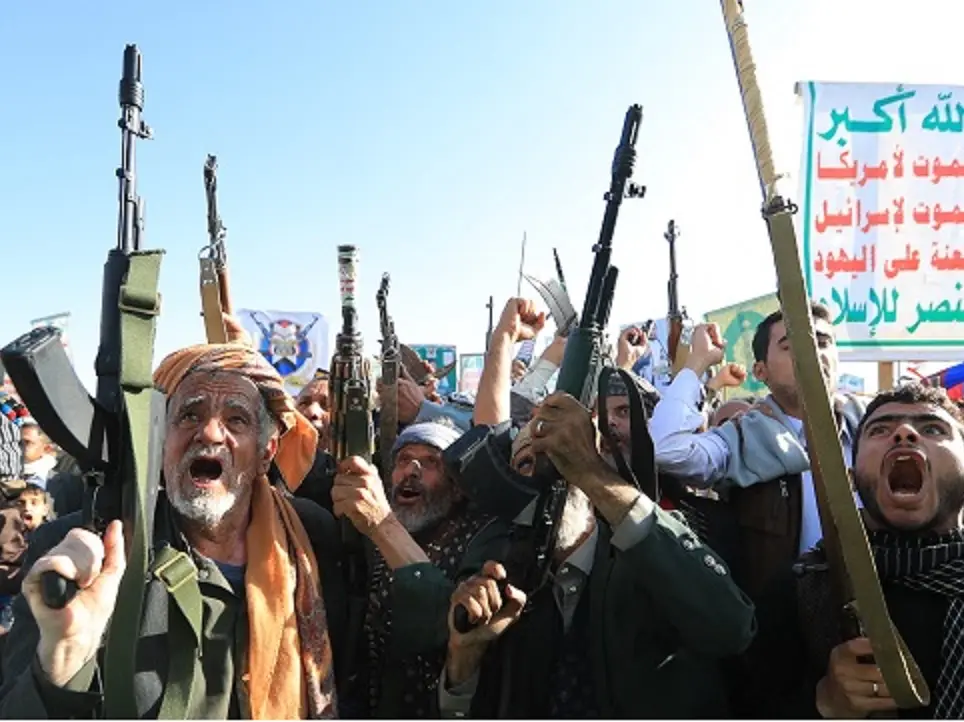
Houthis claim Riyadh airport attacks, Aramco strikes; issue fresh warning to airlines, travellers and workers
&imwidth=180&imheight=135&format=webp&quality=medium)
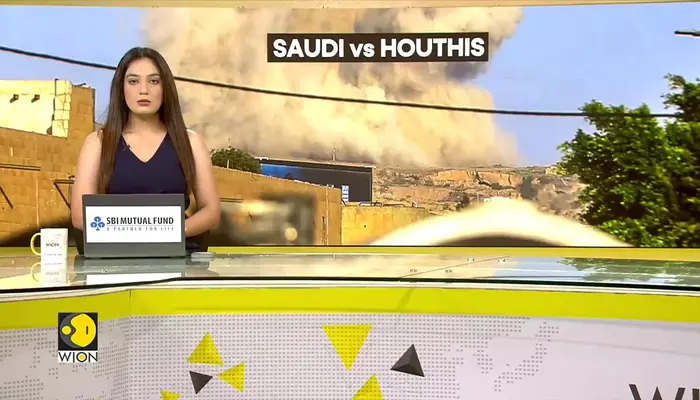
Riyadh airport attack: Back-to-back strikes target Saudi Arabia
&imwidth=180&imheight=135&format=webp&quality=medium)
Portugal Federation confirms Cristiano Ronaldo’s return to national team despite suspension
&im=FitAndFill=(700,400)&imwidth=180&imheight=135&format=webp&quality=medium)
New OTT releases this week (October 12-18, 2026): Sacrifice, Koffee with Karan S9, Roadies Rebirth- 6 titles coming on Netflix, JioHotstar and more
&imwidth=180&imheight=135&format=webp&quality=medium)
Microsoft's Nadella says treat every AI model as already hacked, and build an 'emergency brake'
&imwidth=180&imheight=135&format=webp&quality=medium)
Are Gold and Silver poised for a rebound soon?
&imwidth=180&imheight=135&format=webp&quality=medium)
China imposes first-ever sanctions on ministers from Taiwan allies: What this means
&imwidth=180&imheight=135&format=webp&quality=medium)
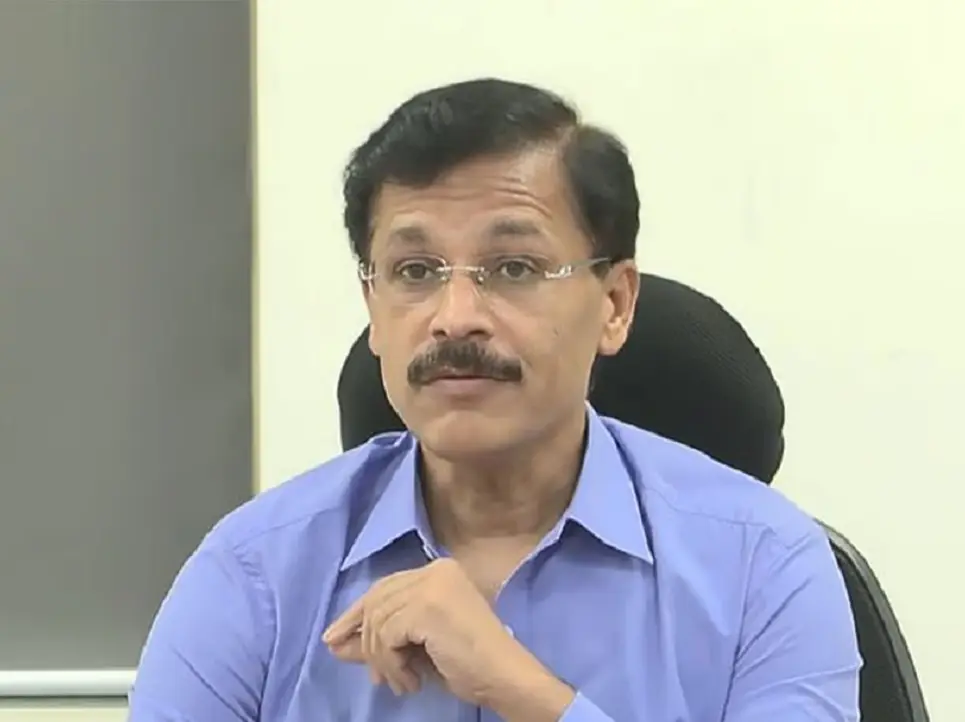
Maharashtra appoints FDA commissioner Tukaram Mundhe as secretary of committee for MPSC overhaul amid stir
&imwidth=180&imheight=135&format=webp&quality=medium)
The street cannot govern India, but the government cannot ignore it either
&imwidth=180&imheight=135&format=webp&quality=medium)
Nana Patekar's cause of death confirmed; here's what his postmortem report says
&imwidth=180&imheight=135&format=webp&quality=medium)
iPhone Duo price index: Tracking Apple’s latest pricing trends
&imwidth=180&imheight=135&format=webp&quality=medium)
'Say no to Muse': Meta has no control over its own moderation AI while it forces a security nightmare on everyone
&imwidth=180&imheight=135&format=webp&quality=medium)
Delhi Protest: Congress calls for march to Supreme court
&imwidth=180&imheight=135&format=webp&quality=medium)
Delhi wakes up to heavy rain, thunderstorms; yellow alert in place; temperature drops
Since confirming Sinwar’s death on Friday, Hamas leaders have been deliberating over who will replace him and whether their identity should remain secret. Local reports suggest that several candidates are under consideration.
One possible candidate is Mohammad Darwish, also known as Abu Omar Hassan, who leads Hamas’ Shura council. His prominence has grown since Haniyeh's death, as he has been more visible in official meetings. Another contender is Khalil Al-Hayya, Sinwar’s deputy, who has risen in importance after Sinwar's assassination. Al-Hayya currently heads Hamas in Gaza and is involved in ceasefire negotiations.
Khaled Meshaal, a former long-serving leader of Hamas’ political bureau, is also being considered. Meshaal led the bureau for 21 years and now heads the group's external branch, though reports suggest he has previously turned down major roles for health reasons.
Other names under consideration include Mohammed Nazzal, a founding member of Hamas from the West Bank, and Mousa Abu Marzouk, who co-founded Hamas and was its first political bureau chief.
Hamas began hiding its leader’s identity in 2004 after Israel assassinated its founder, Ahmed Yassin, on March 22, and then his successor, Abdel Aziz al-Rantisi, on April 17. Since its inception in 1987, Hamas has had four political bureau chiefs: Abu Marzouk (1992-1996), Meshaal (1996-2017), Haniyeh (2017 until his assassination), and Sinwar. A new leader is expected to be appointed soon.
(With inputs from agencies)
