A flying jigsaw with hidden pieces: As US-Iran conflict slides on slippery oil, Russia and China remain critical

&imwidth=600&imheight=450&format=webp&quality=medium "A flying jigsaw with hidden pieces: As US-Iran conflict slides on slippery oil, Russia and China remain critical")
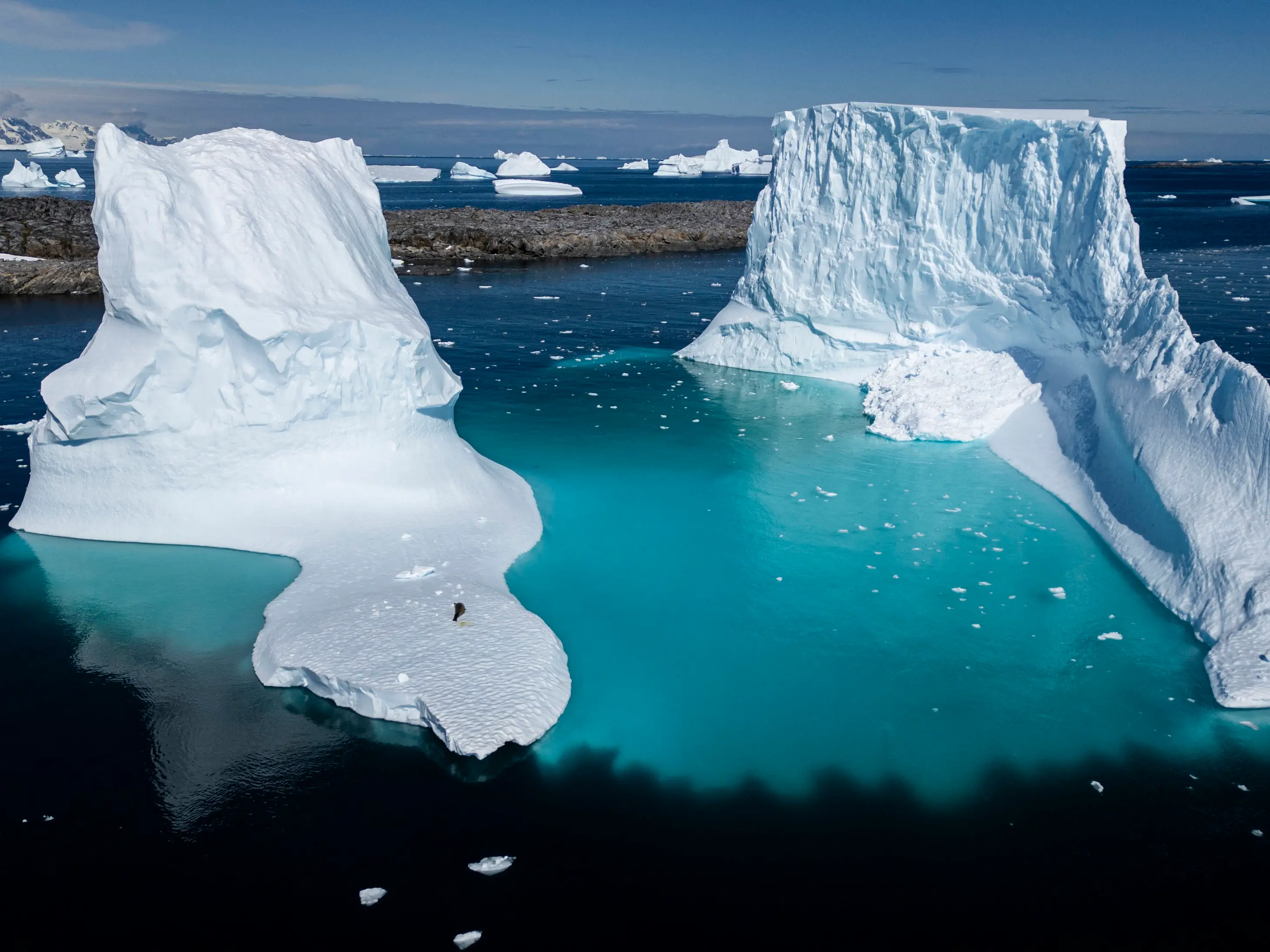
A flying jigsaw with hidden pieces: As US-Iran conflict slides on slippery oil, Russia and China remain critical Photograph: (Credit: AFP)
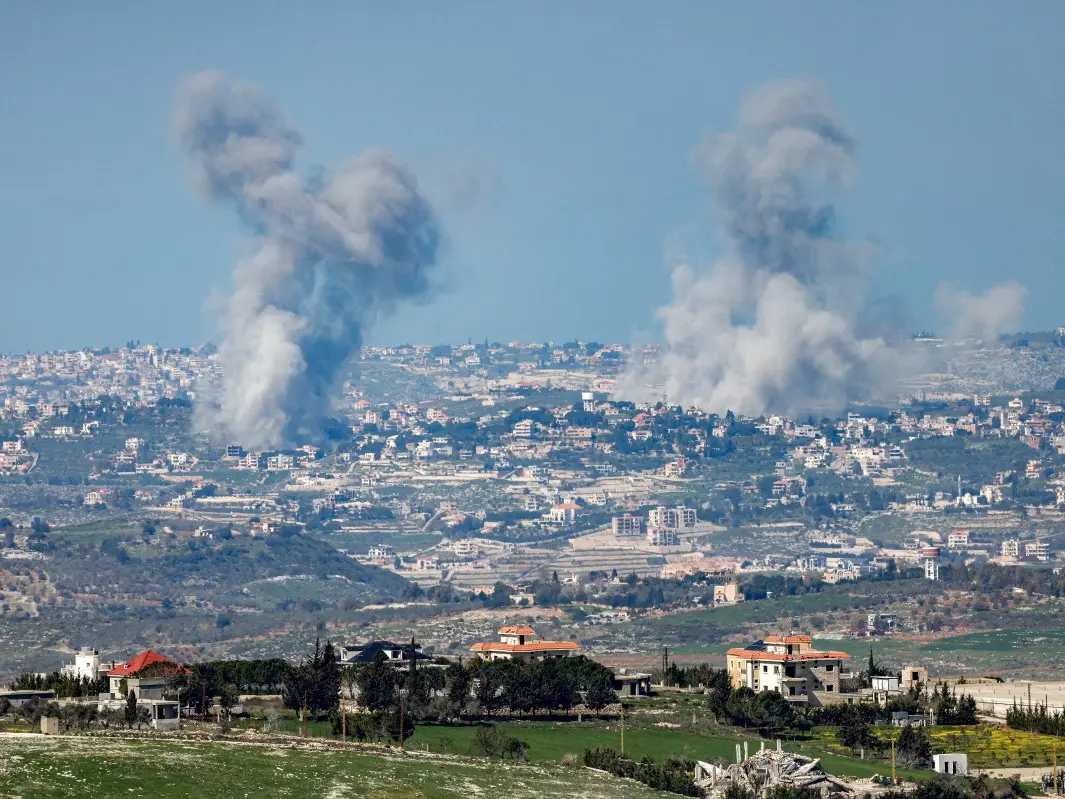
Drone and missile attacks by Iran ostensibly on US military targets also hit some civilian countries not officially part of the conflict.
Can you melt away a huge glacier by raining tons of fire on it? That is the kind of question one asks oneself as a military deadlock meets diplomatic crises (please note the plural) in the aftermath of the US-Israel conflict with Iran this week that fits well into the logical paradox of an irresistible force meeting an immovable object. Theoretically, these forces would pass through each other, but in real, geopolitical life, it means a deadlock that is not easily resolvable. Applying some game theory, there is an “equilibrium of mistrust” exemplified by how the pre-emptive strikes on Tehran began even as peace talks seem to be going ahead towards a solution – spiralling into a regional conflict that threatens significant aspects of the global economy, from rising oil prices to airline passengers in inter-continental movement stranded in Dubai.
Drone and missile attacks by Iran ostensibly on US military targets also hit some civilian countries not officially part of the conflict. This queered the pitch further. Proxy players like Iran-backed Hezbollah in Lebanon and a Saudi Arabia friendly to the US only complicate the picture further. It all resembles a jigsaw puzzle in which the pieces seem to fly with a will of their own to new places that makes solving it a near impossibility.
Game theory to conspiracy theories
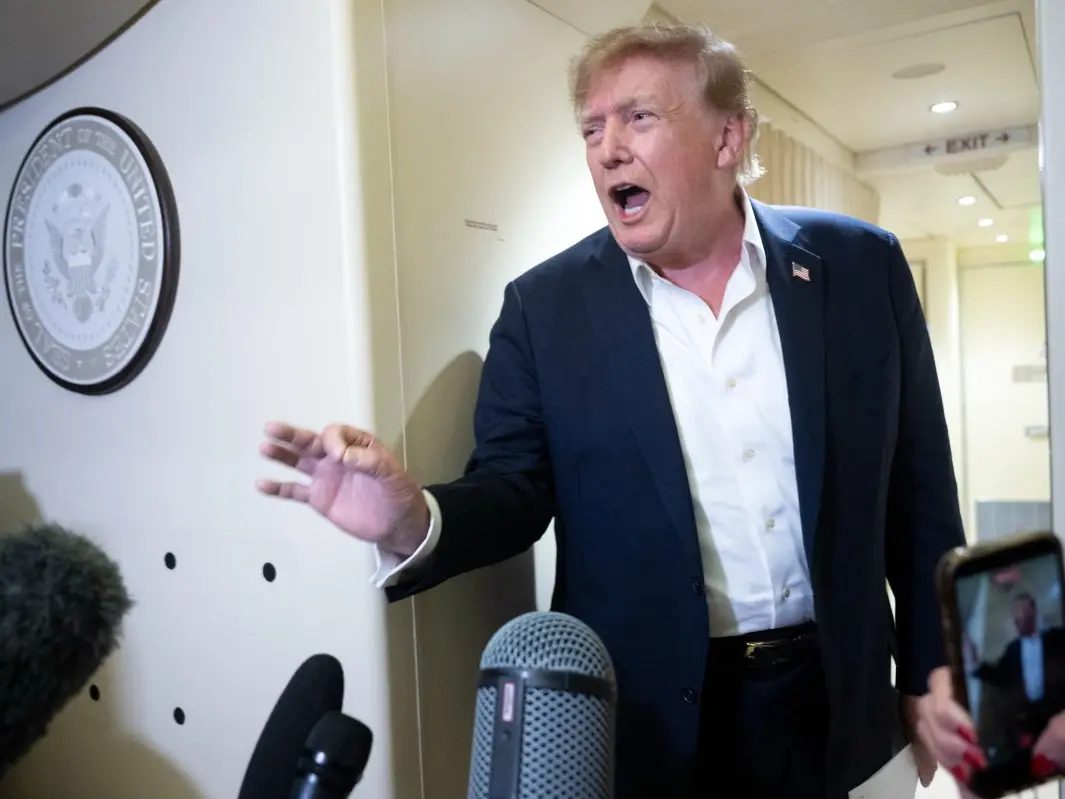
From game theory to conspiracy theories, there is another journey. The easy armchair hypothesis is that US President Donald Trump has lined up his forces with Israel to divert attention from the Epstein Files linked to sexual abuse in which he often figures as a wrongdoer. A deeper theory talks about how an oil price spike triggered by Iran may actually benefit the US as it takes low-quality crude from Venezuela, which Washington is arm-twisting after abducting its President Maduro.
Old assumptions are no longer easily valid
If you connect the dots between the talk of ‘De-dollarisation’ under which there is a structural reduction of American currency’s dominance in the world economy linked to US sanctions as well as US deficits, and Washington’s recent pull-out from climate change accords and agencies, you can write a breezy political novel about the wheels within wheels of the ongoing conflict.
Trending Stories
)
)
)
)
)
)
)
&im=FitAndFill=(700,400))
)
)
)
)
)
)
)
)
)
)
)
)
)
)
)
&im=FitAndFill=(700,400))
)
)
)
)
)
)
)
)
)
)
&im=FitAndFill=(700,400))
)
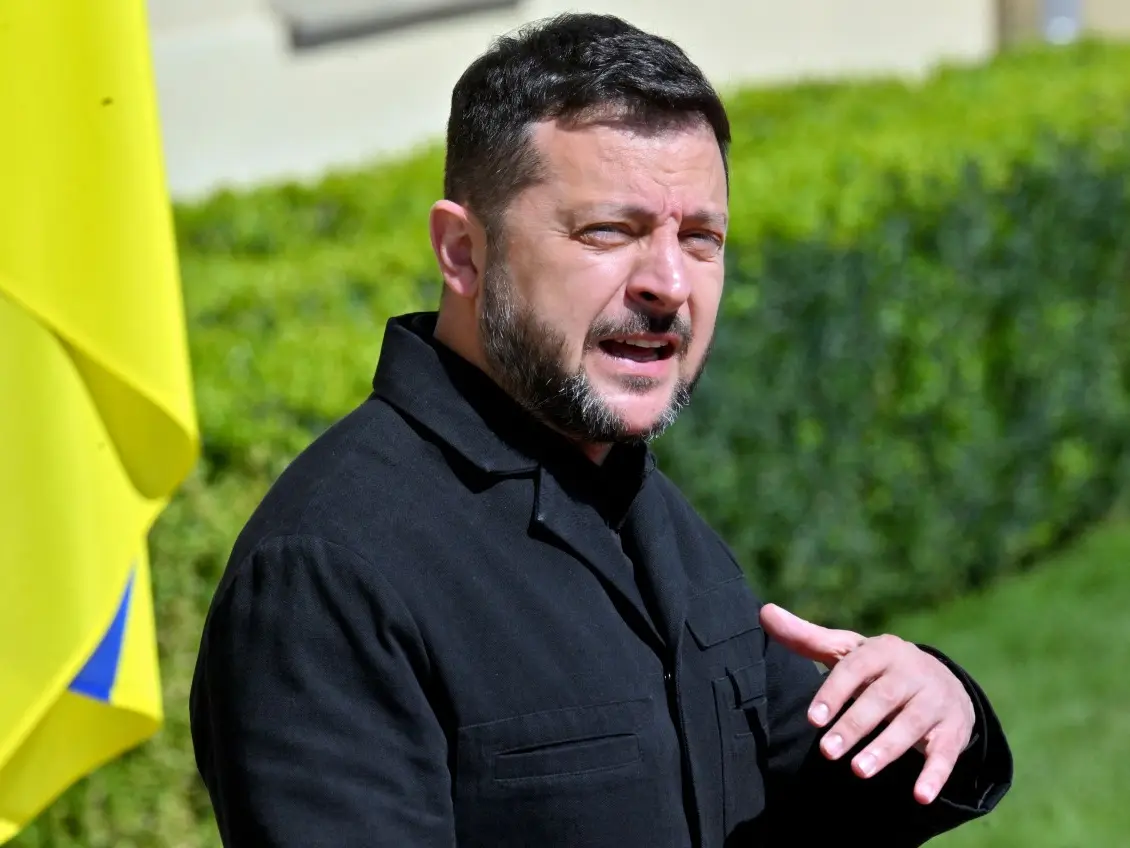
The elephant in the military theatre is the Iranian regime, which despite the internationally illegal killing of its Supreme Leader Ayatollah Khamenei seems unshakeable like an ancient glacier. Iran’s political system, despite the lack of democratic popularity of the Islamic regime, is resilient enough for lines of command and succession plans to have been put in place. One thing on which there has been a global consensus this week is the poor American track record in enforcing regime changes.
Contrast that with domestic politics in the US, where Trump’s popularity has been sliding. A CBS News poll found that only 28% of Americans and 57% of Republicans from Trump’s own party had found a justified case for the military strikes on Iran. Trump’s overall approval ratings have been steadily rising on the negative side since he took charge for a second term early in 2025. With mid-term Congressional elections due by the year-end, some would say the US regime is shakier than that of the Iranian one that Trump and Israel want to dismantle.
The American assertion of an unshakeable technological edge has been blunted by Tehran hitting regional targets and blocking waters in the Hormuz Strait that is causing oil prices to surge, with a potential a knock-on effect on several countries that will not be amused. Iran’s drone strike on the US embassy in Riyadh throws open the chances of Trump’s domestic popularity sliding further. The Average American does not like it when Americans get hit in an America-led conflict!
In such a surcharged atmosphere, news of three US fighter jets being mistakenly shot down by Kuwaiti forces in a “friendly fire” incident does not improve the optics for the US.
If Iran’s tactical strikes in places like Kuwait, Oman, Saudi Arabia, Qatar, the UAE and Bahrain result in regional tensions that put some pressure back on the US, it may well turn out to be a diplomatic advantage for Iran, though Tehran is literally playing with fire in the process.
It would be wise to remember that China and Russia have publicly condemned the assassination of Khamenei – while several major countries either supported it or glossed over it. Moscow and Beijing conducting some deft back-channel diplomacy to garner wider support to end the conflict on behalf of Iran seems quite high.
The mineral and oil wealth of Iran as well as Tehran’s comprehensive agreement with Moscow last year hangs in the backdrop as a gentle reminder that this war may not be just between a US-led coalition and Iran.
Russia signed a comprehensive military agreement with Iran in January 2025.
According to UK-based ‘Energy, Oil & Gas’ magazine, Iran possesses the third-largest proven crude oil reserves globally, estimated at 208.6 billion barrels.
Iran is also estimated to hold 7% of the world’s mineral wealth by Science Direct, part of Amsterdam-based Elsevier group. The academic research repository estimates Iran’s proven mineral reserves at 37 billion tonnes. Iran is said to have 68 known minerals putting it in among 15 most mineral-rich countries on the planet. Recent searches for rare earth minerals used in electric mobility, electronics and aerospace make it a key hunting ground in geopolitics.
If you add all that up, what we are sitting on is a slippery geo-economic corridor in which the Russian bear and China’s dragon cannot be easily wished away. Their reticence cannot be equated with either neutrality or restraint.
