38 rights groups challenge Trump's ICC sanctions in US court, warning of chilling effect on victims

&imwidth=600&imheight=450&format=webp&quality=medium "38 rights groups challenge Trump's ICC sanctions in US court, warning of chilling effect on victims")
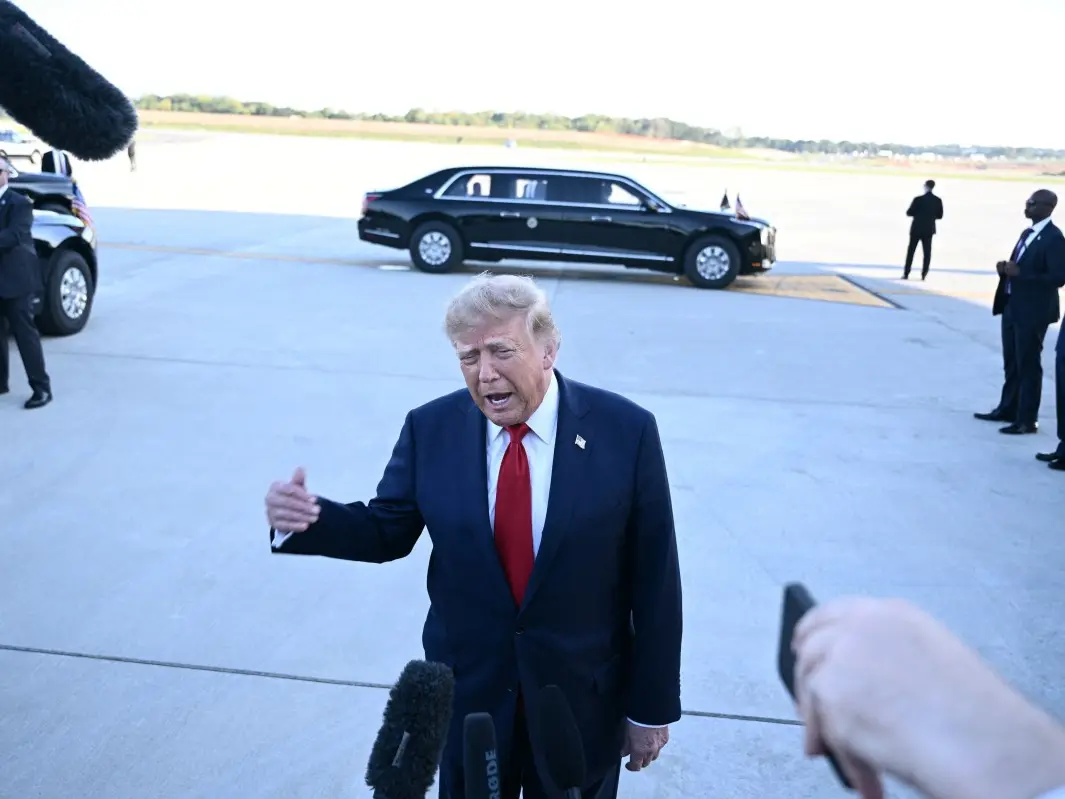
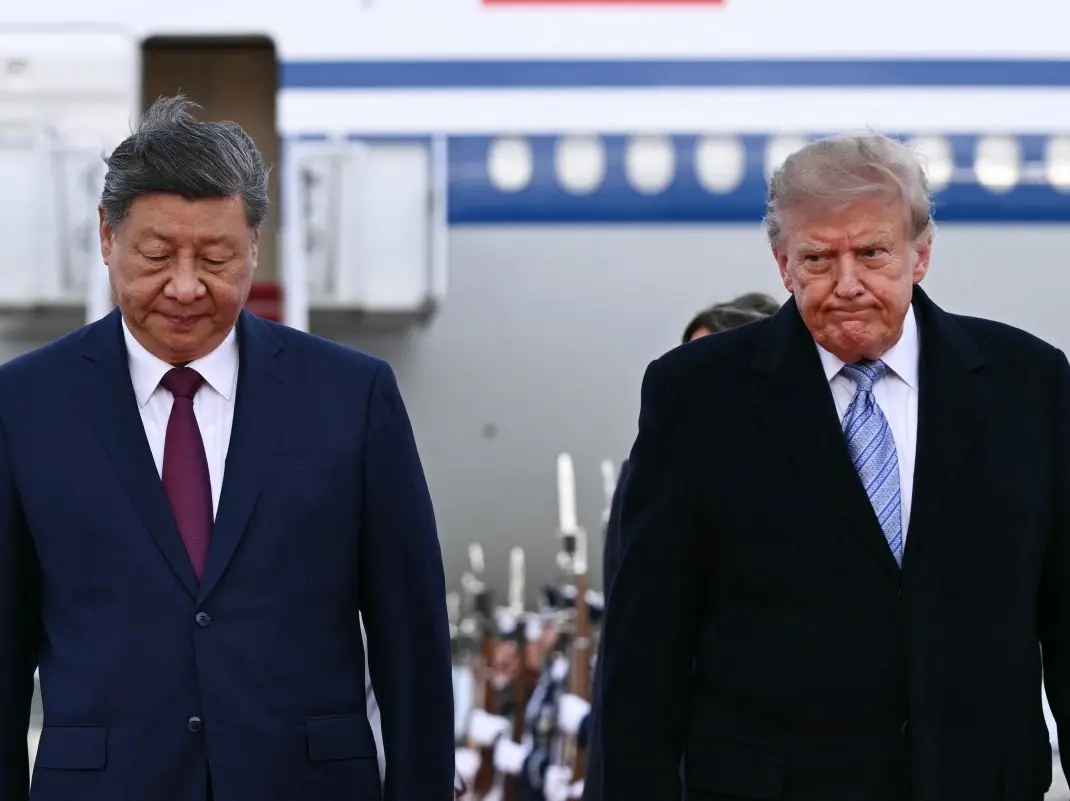
US President Donald Trump Photograph: (Credit: AFP)
Thirty-eight human rights groups have backed a US lawsuit challenging President Trump’s ICC sanctions, warning the restrictions create a chilling effect for victims.
Amnesty International, the International Federation for Human Rights (FIDH) and 36 other civil society organisations have filed a joint court brief challenging the Trump administration's sanctions on the International Criminal Court (ICC). They say the campaign is harming far more than the officials directly targeted. The groups submitted an amicus curiae (friend of the court) brief to the US District Court for the Southern District of New York on September 22. It supports a lawsuit brought by the American Friends Service Committee, the Center for Constitutional Rights, Human Rights Watch and the Open Society Institute. That lawsuit challenges the legality of sanctions imposed under Executive Order 14203, which have targeted ICC prosecutors and judges, a UN human rights expert, and three Palestinian human rights groups.
“Behind every civil society organisation being silenced or pushed away from the ICC are victims and survivors waiting for justice. These sanctions are disrupting the networks of people and organisations that stand with victims who bring their stories and evidence before the Court, and spreading fear far beyond those directly targeted,” said Alexis Deswaef, President of FIDH.
Amnesty Secretary General Agnès Callamard said, “As the Trump administration steps up its attacks on the ICC and the civil society organisations essential to its work, it is crucial to demonstrate to the US Federal Court how sanctions are harming global civil society, victims and survivors of crimes under international law, and the very idea of international justice.”
The brief first argues that the sanctions are fracturing civil society networks the ICC relies on. Lawyers, victim representatives and survivor-advocates connect victims and witnesses to the Court, document atrocity crimes, support victim participation and reparations, and supply legal and cultural expertise. They also advance domestic investigations and prosecutions, especially where the Court's access is limited.
Second, the groups argue that EO 14203 violates freedom of expression and association by threatening severe financial and legal penalties on organisations and individuals.
Trending Stories
)
)
)
)
)
)
)
)
)
)
)
)
)
)
)
)
)
)
)
)
)
)
)
&im=FitAndFill=(700,400))
)
)
)
)
)
)
)
)
)
&im=FitAndFill=(700,400))
)
)
&im=FitAndFill=(700,400))
)
According to the brief, the designated entities have already lost funding, staff, banking access and partnerships. Other organisations have been deterred from engaging with the ICC, and relationships among many groups have suffered. The signatories describe the damage as measurable and irreparable, affecting civil society, the ICC, the administration of international criminal justice and, ultimately, the victims the system exists to serve. The court has yet to rule on the challenge.
The 38 CSOs filing the brief are:
- Action for the Reform of Justice and Promotion of Human Rights (ARJPDH)
- Amnesty International
- Arab Center for the Independence of the Judiciary and the Legal Profession (ACIJLP)
- Arab Coalition for the International Criminal Court (ACICC)
- Baltasar Garzón International Foundation (FIBGAR)
- Center for Development of International Law (CDIL)
- Center for Justice and Accountability (CJA)
- Centre marocain pour la loi et la paix
- Centro de Investigación y Promoción de los Derechos Humanos (CIPRODEH)
- Chinese Initiative on International Law (CIIL)
- Clinique de droit international pénal et humanitaire, Faculté de droit, Université Laval (CDIPH)
- COMPPART Foundation for Justice and Peacebuilding-Nigeria
- Croatian Helsinki Committee for Human Rights
- Egyptian Initiative for Personal Rights (EIPR)
- European Center for Constitutional and Human Rights (ECCHR)
- Global Justice Center
- Human Rights Now
- HuMENA for Human Rights and Civic Engagement
- Indonesian Legal Aid Association for Women (APIK)
- International Federation for Human Rights (FIDH)
- International Network for Economic, Social and Cultural Rights (ESCR-Net)
- Just Access
- Kurdish Organizations Network Coalition for the International Criminal Court (KONCICC)
- Lawyers’ Rights Watch Canada
- Libya Crimes Watch (LCW)
- No Peace Without Justice
- The Nuhanovic Foundation
- Philippine Alliance of Human Rights Advocates (PAHRA)
- Platform for Peace and Humanity
- Refugees in Libya
- Rights for Peace
- Robert & Ethel Kennedy Human Rights Center
- StoptheDrugWar.org
- Students for Global Democracy Uganda
- Syrian Center for Media and Freedom of Expression (SCM)
- Women’s Initiatives for Gender Justice
- World Organisation Against Torture (OMCT)
- World Without Genocide

