MIT student makes hazardous substance whose few drops killed a professor nearly 30 years ago

&imwidth=600&imheight=450&format=webp&quality=medium "MIT student makes hazardous substance whose few drops killed a professor nearly 30 years ago")
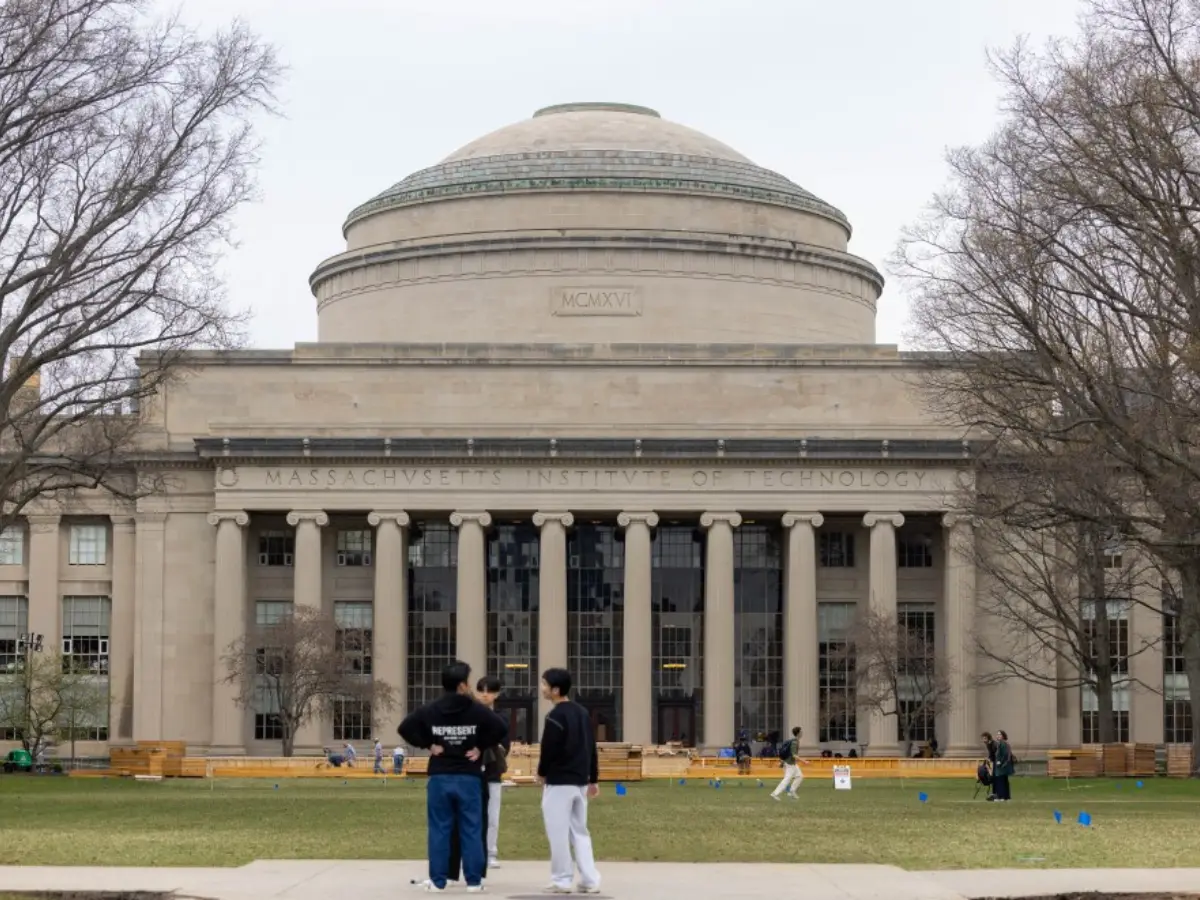
Mercury poisoning scare at Massachusetts Institute of Technology triggered the shutdown of an entire building. Photograph: (AFP)
A student synthesised a dangerously toxic substance at the Massachusetts Institute of Technology, triggering concerns of mercury poisoning. Dimethyl mercury killed a professor at Dartmouth in 1997. The student was tested and the building was closed.
A student at the Massachusetts Institute of Technology (MIT) created an unauthorised, highly toxic chemical compound, forcing official to shut down an entire building. The school said in an August 29 statement that the student had synthesised dimethyl mercury on August 26. The substance is extremely toxic. According to the Occupational Safety and Health Administration, even less than 0.1 millilitres of the compound is a "severely toxic dose."
In 1997, a Dartmouth College professor died after spilling a few drops on her glove. Karen Wetterhahn suffered acute mercury poisoning and started showing symptoms months after the incident. She developed health problems which were attributed to the spill. Blood tests carried out on the student at MIT are showing no sign of mercury exposure.
Meanwhile, the latest incident at MIT triggered fears of a dangerous effect from dimethyl mercury. The student who reportedly synthesised the substance is under medical supervision, while Building 18 has been closed. The school said that "specialised decontamination efforts continue out of an abundance of caution." Officials are also not sure whether dimethyl mercury was synthesised.
Decontamination carried out in the building
MIT said in an update that all surfaces of the student’s residence hall were cleaned by professionals and the individual units were decontaminated by August 30. It added that the building will reopen at 6 am on August 31. "Given the actions we have taken and the information received, as well as consultations with industrial hygienists, medical experts at MIT Health, and outside experts, we assess that it is now safe to reopen Building 18," the school said.
Officials added that there is a "very low risk of secondary or tertiary exposures", and the school said that those who were not in the student’s lab space that day do not need to get tested. However, anyone who was near the student and the affected workspace was given baseline testing.
Trending Stories
&imwidth=280&imheight=210&format=webp&quality=medium)
&imwidth=280&imheight=210&format=webp&quality=medium)
&im=FitAndFill=(700,400)&imwidth=280&imheight=210&format=webp&quality=medium)
&imwidth=280&imheight=210&format=webp&quality=medium)
&imwidth=280&imheight=210&format=webp&quality=medium)
&imwidth=280&imheight=210&format=webp&quality=medium)
&imwidth=280&imheight=210&format=webp&quality=medium)
&imwidth=280&imheight=210&format=webp&quality=medium)
&imwidth=280&imheight=210&format=webp&quality=medium)
&imwidth=280&imheight=210&format=webp&quality=medium)
&imwidth=280&imheight=210&format=webp&quality=medium)
&imwidth=280&imheight=210&format=webp&quality=medium)
&imwidth=280&imheight=210&format=webp&quality=medium)
&im=FitAndFill=(700,400)&imwidth=280&imheight=210&format=webp&quality=medium)
&imwidth=280&imheight=210&format=webp&quality=medium)
&imwidth=280&imheight=210&format=webp&quality=medium)
&imwidth=280&imheight=210&format=webp&quality=medium)
&imwidth=280&imheight=210&format=webp&quality=medium)
&imwidth=280&imheight=210&format=webp&quality=medium)
&imwidth=280&imheight=210&format=webp&quality=medium)
&imwidth=280&imheight=210&format=webp&quality=medium)
&imwidth=280&imheight=210&format=webp&quality=medium)
&imwidth=280&imheight=210&format=webp&quality=medium)
&imwidth=280&imheight=210&format=webp&quality=medium)
&imwidth=280&imheight=210&format=webp&quality=medium)
&imwidth=280&imheight=210&format=webp&quality=medium)
&imwidth=280&imheight=210&format=webp&quality=medium)
&imwidth=280&imheight=210&format=webp&quality=medium)
&imwidth=280&imheight=210&format=webp&quality=medium)
&imwidth=280&imheight=210&format=webp&quality=medium)
&imwidth=280&imheight=210&format=webp&quality=medium)
&imwidth=280&imheight=210&format=webp&quality=medium)
&imwidth=280&imheight=210&format=webp&quality=medium)
&imwidth=280&imheight=210&format=webp&quality=medium)
&imwidth=280&imheight=210&format=webp&quality=medium)
&imwidth=280&imheight=210&format=webp&quality=medium)

