
&imwidth=800&imheight=600&format=webp&quality=medium "Fearing being killed by sexually aggressive females, male tarantulas evolve extra-long genitals")
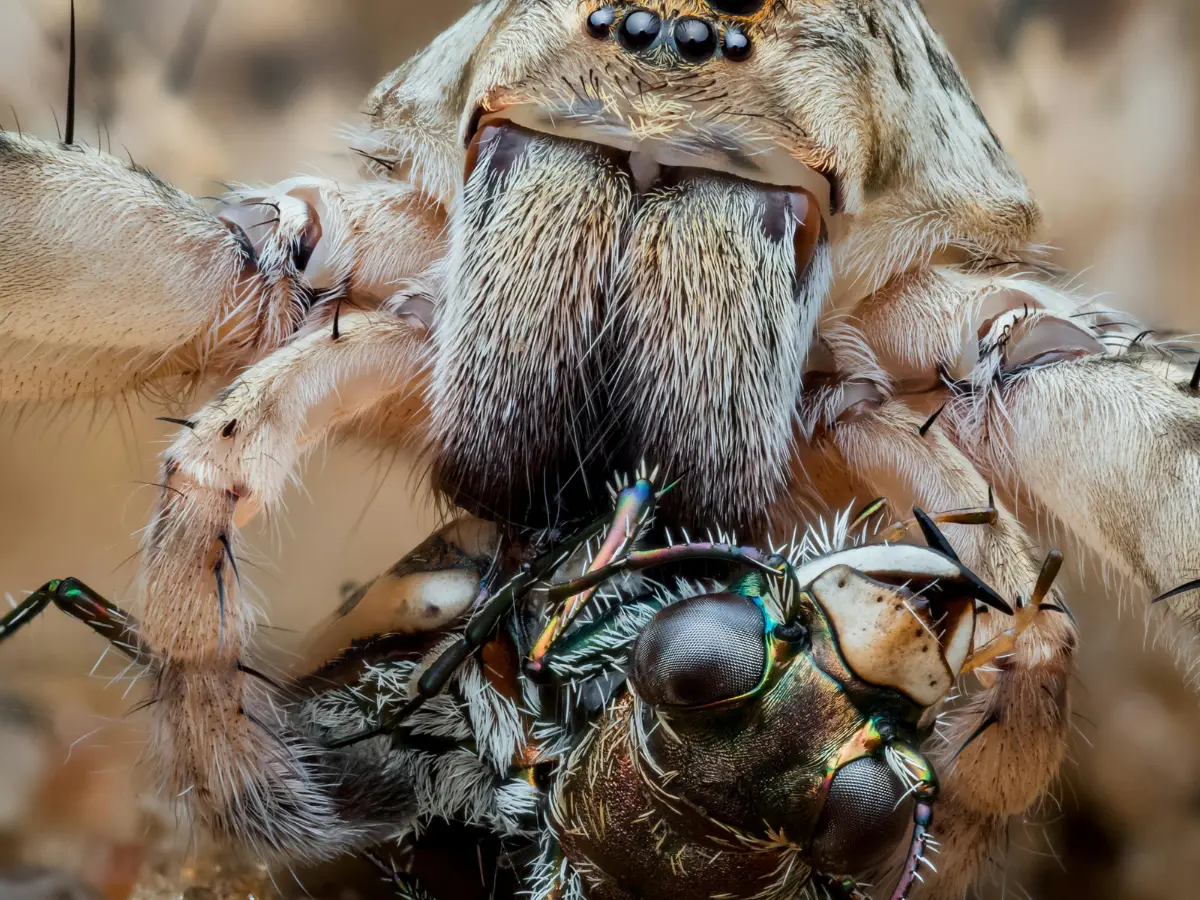
Scientists have discovered four new species of tarantulas in the Arabian Peninsula and the Horn of Africa. The unique thing about these creatures is their extra-long genitalia located at the front of their mouth. The creatures use this body part, known as palps, to mate with the female tarantulas. Researchers say this is the longest-ever palp ever seen in tarantulas. It is believed that the tarantulas have evolved these enormous genitals to protect themselves from the fierce female tarantulas while mating. The other half of these spiders are known to be pretty aggressive and are even capable of killing the male tarantulas. The study was led by Dr Alireza Zamani of the University of Turku, who said that the new species is so different from its closest relative that they had to "establish an entirely new genus to classify them". The tarantulas have been named Satyrex, after a part-man, part-beast figure in Greek mythology with exceptionally large genitalia. "Rex" in the name means king. The tarantulas might be afraid of the female spiders, but at least their name doesn't give away their secret. The study aptly named “Size matters: a new genus of tarantula with the longest male palps” has been published in the journal ZooKeys.
How do tarantulas mate?

Male tarantulas do not mate with their female counterparts traditionally and instead use these specialised appendages called palps to transfer the semen. Lengthy palps ensure they are far away from the females, which can even kill them with their aggressive mating behaviour. The largest of the four new tarantula species is the Satyrex ferox, which has a legspan of 5.5 inches, with a palp nearly two inches long. Dr Zamani said that his species is extremely defensive, and "raises its front legs in a threat posture and produces a loud hissing sound by rubbing specialised hairs on the basal segments of the front legs against each other." The study authors have suggested that the long palps are an evolutionary mechanism to help them "keep a safer distance during mating" and “avoid being attacked and devoured by the highly aggressive female.”
Also Read: Between Japan and Alaska, a dark alien world at 31,000 feet has stunned scientists. Here's why
Trending Stories
)
No Pandya as Auqib Nabi earns maiden ODI call-up; Mayank returns for WI T20Is| check full squads
)
Chiefs tight end Travis Kelce named one of the victims in $35 million ponzi scheme
)
Trump praises India’s Opium crackdown, hails anti-drug efforts
)
Sydney Sweeney defends provocative ad choice, the internet is still not impressed
)
Former India player Diana Edulji wants Smriti Mandhana to replace Harman as skipper at the earliest
)
Trump calls Canada-EU associate membership plan ‘laughable’ and threatens 'very serious tariffs'
)
Protests erupt over migrant housing plan in Piddington
)
Shahzad Bhatti Network declared terrorist organisation under UAPA: Govt order
)
Europe wants a common playbook for security threats, seeks security beyond NATO
)
Formula One reveals the 2027 race calendar; Monaco to host sprint race for the first time
)
All Indian goods to get duty-free access to New Zealand
)
Bigg Boss 20: Mahhi Vij reveals she lost Yuva role to Kareena Kapoor; 'didn’t work out in my favour'
)
Lionel Messi for 2026 Ballon d’Or over Mbappe and Yamal, says Diego Simeone
)
US House votes 417-3 to pass Ratepayer Protection Act targeting AI data center electricity costs
)
Hong Kong unveils 11 new measures to boost birth rates, offers higher cash bonuses and housing perks
)
Former OpenAI researcher warns of growing risks from Artificial Intelligence
)
Veteran actor Anant Nag honoured with Indian cinema’s highest award
)
AUS vs SA: Steve Smith still gets 'little flashbacks' from sandpaper gate
)
Pakistan naval vessel returns to harbour with 'severe damage' after collision with Indian warship in Arabian Sea
)
Fed raises rates for first time in 3 years, Kevin Warsh defies Trump as inflation mounts
)
Katrina Kaif’s postpartum weight is not the problem; your gaze is
)
Taiwan seeks deeper India ties as direct flights restart soon and chip projects advance
)
Daayra movie review: Kareena Kapoor, Prithviraj Sukumaran shine in Meghna Gulzar’s cop-versus-cop crime thriller
)
Saudi Vs Houthis: Yemeni military rebels clash with Houthis
)
Pak batter Rizwan's petition against being questioned by cyber crime agency rejected by court
)
US trade tariff: 100% tariff targets Russian buyers amid trade tensions
)
Pakistan: Imran Khan's sons Kasim & Sulaiman claim their father is 'tortured' in jail
&im=FitAndFill=(700,400))
New OTT releases this week (September 14-20, 2026): Lust Stories 3, Waiting Hai, Irumudi- 5 new titles coming on Netflix, Prime Video and more
)
Trump gets new power to hit India, China with up to 100% tariffs as US Senate clears Russia sanctions bill
)
Prime Minister Narendra Modi's birthday: Italian PM Meloni sends birthday wishes
)
‘Imagine 50 AI fighters cornering one manned jet’: India’s mobbing doctrine eyes a new era of air warm
)
Saudi vs Houthis: Riyadh claims to have shot Houthi drone targeting Mecca
)
US Treasury rallies global financial institutions for Op Economic Outcast to isolate Iran
)
India breaks silence on US Russia sanctions bill, 100% tariff threat: ‘Committed to energy security’ for 1.4 billion
)
Pakistan boycotts chess match against Israel at Olympiad
)
Want to get married within a year? Why 18 lakh people rush to Jaipur for ‘sacred henna’
&im=FitAndFill=(700,400))
Suriya and Jyothika say ‘I do’ again after 20 years! See their dreamy wedding pics
)
Abhishek Sharma rises to No. 2 in T20Is; ENG’s Robinson 3rd after record Pakistan Tests
)
The Early Spring season 2 is happening, but fans have one request - 'don't change the actors'
The other tarantulas are S. arabicus and S. somalicus, named based on the region they were found in, and S. speciosus, named after its bright colour. An older species of tarantula, S. longimanus, first discovered in Yemen in 1903, is also part of the new genus.

