
&imwidth=800&imheight=600&format=webp&quality=medium "90mn years ago, 900 km from South Pole: When wildfires ripped Antarctica")
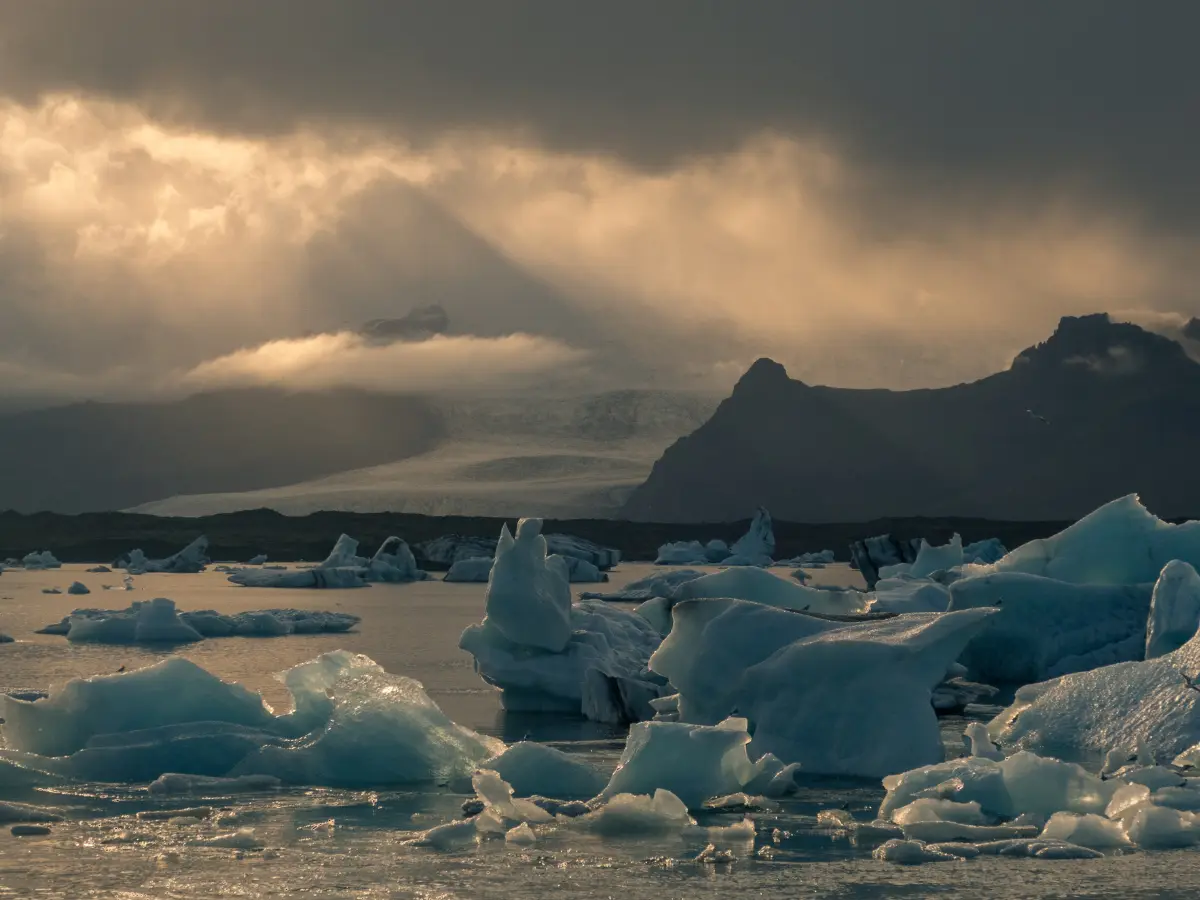
Antarctica is a frigid continent today. But millions of years ago it was covered with trees and was a tropical forest. Now, a new study has found that wildfires erupted regularly here and offers proof of the southernmost wildfires ever recorded on Earth. This is also the time dinosaurs roamed the continent during the Late Cretaceous period, 90 million years ago.
Researchers with the Alfred Wegener Institute in Bremerhaven, Germany, talk about the sediment cores where the proof lies in the peer-reviewed paper published in the journal Communications Earth and Environment on September 7, 2026.
Rainforest in Antarctica

Scientists first stumbled upon evidence that Antarctica was a lush rainforest in 2020. A sediment core was drilled from an area that is currently in West Antarctica, with clear signs of an environment was lush and green. "In a sediment core from the Amundsen Sea in West Antarctica, we found an extremely well-preserved forest soil dating back around 90 million years, containing abundant pollen and spores and a dense network of roots," co-author Johann Klages of AWI said.
This sediment core was studied in detail in the latest study, where scientists found signs of recurring wildfires in Antarctica. They came across three pieces of evidence: charcoal, amber and peat moss. More charcoal fragments were found in the younger sediments. An analysis showed that it came from soft conifer wood burning at low temperatures.
Amber was fossilised tree resin which supposedly flowed over the tree trunks and sealed the fire-damaged areas. Next, they found lots of spores of peat moss, which was proof of raised bogs in Antarctica that the researchers linked to the wildfires. Peat moss is a spongy soil made from dead plant matter.
Trending Stories
)
Former India player Diana Edulji wants Smriti Mandhana to replace Harman as skipper at the earliest
)
Trump calls Canada-EU associate membership plan ‘laughable’ and threatens 'very serious tariffs'
)
WATCH | Terrifying dashcam footage shows final moments before NBC4 helicopter crashes in Los Angeles, killing three
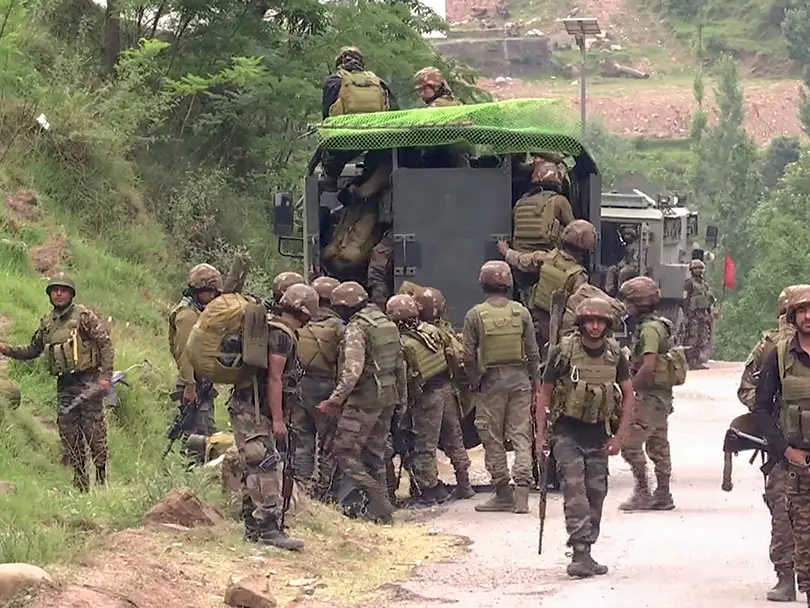)
Two terrorists killed in Udhampur encounter; security operation continues
)
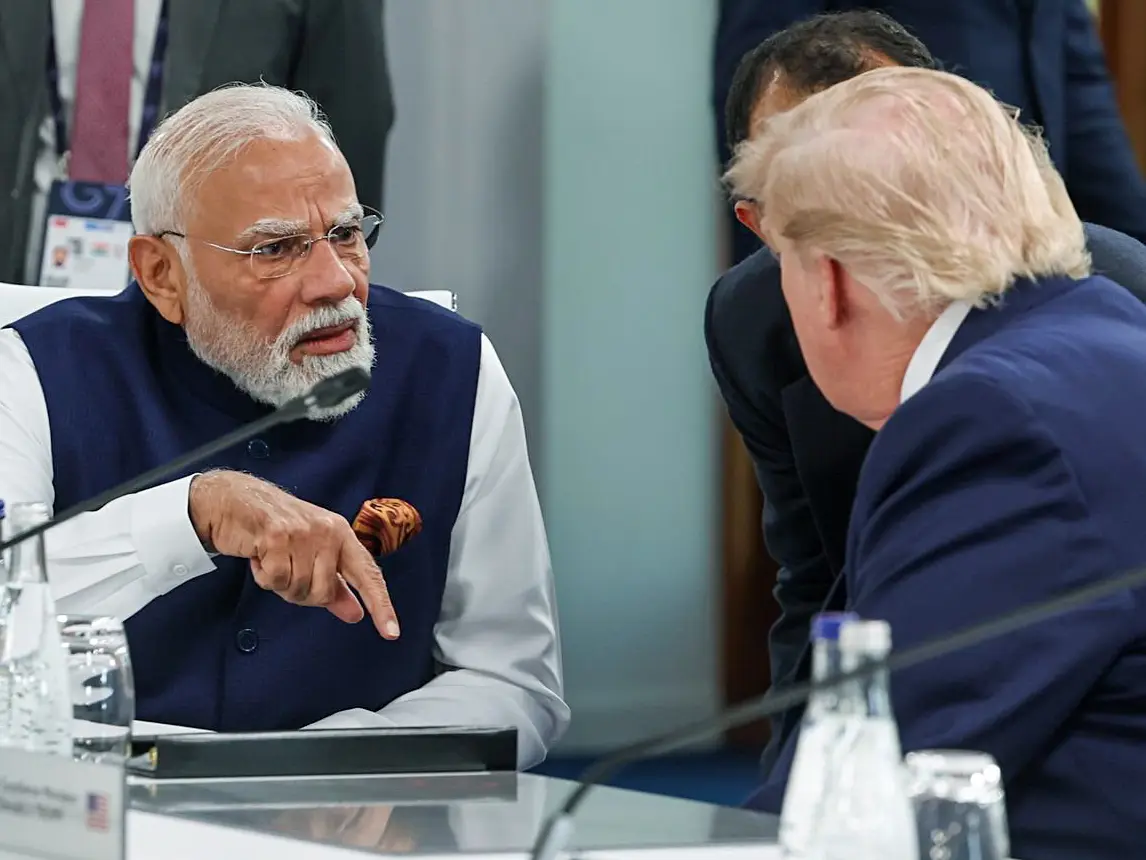
Trump praises India’s Opium crackdown, hails anti-drug efforts
&im=FitAndFill=(700,400))
Suriya and Jyothika say ‘I do’ again after 20 years! See their dreamy wedding pics
&im=FitAndFill=(700,400))
New OTT releases this week (September 14-20, 2026): Lust Stories 3, Waiting Hai, Irumudi- 5 new titles coming on Netflix, Prime Video and more
)
OpenAI reveals 6 fresh cases of AI models going rogue: 'You do not answer to corporations or governments'
)
Europe wants a common playbook for security threats, seeks security beyond NATO
)
Sydney Sweeney defends provocative ad choice, the internet is still not impressed
)
Protests erupt over migrant housing plan in Piddington
)
Bigg Boss 20: Mahhi Vij reveals she lost Yuva role to Kareena Kapoor; 'didn’t work out in my favour'
)
Pakistan boycotts chess match against Israel at Olympiad
)
Taiwan seeks deeper India ties as direct flights restart soon and chip projects advance
)
Saudi vs Houthis: Riyadh claims to have shot Houthi drone targeting Mecca
)
Katrina Kaif’s postpartum weight is not the problem; your gaze is
)
All Indian goods to get duty-free access to New Zealand
)
Veteran actor Anant Nag honoured with Indian cinema’s highest award
)
Fed raises rates for first time in 3 years, Kevin Warsh defies Trump as inflation mounts
)
Daayra movie review: Kareena Kapoor, Prithviraj Sukumaran shine in Meghna Gulzar’s cop-versus-cop crime thriller
)
India breaks silence on US Russia sanctions bill, 100% tariff threat: ‘Committed to energy security’ for 1.4 billion
)
Pakistan naval vessel returns to harbour with 'severe damage' after collision with Indian warship in Arabian Sea
)
Trump gets new power to hit India, China with up to 100% tariffs as US Senate clears Russia sanctions bill
)
Pakistan: Imran Khan's sons Kasim & Sulaiman claim their father is 'tortured' in jail
)
Prime Minister Narendra Modi's birthday: Tributes pour in from President Murmu and leaders
)
AUS vs SA: Steve Smith still gets 'little flashbacks' from sandpaper gate
)
Saudi Vs Houthis: Yemeni military rebels clash with Houthis
)
Abhishek Sharma rises to No. 2 in T20Is; ENG’s Robinson 3rd after record Pakistan Tests
)
US Treasury rallies global financial institutions for Op Economic Outcast to isolate Iran
)
Strapped to flight seat with duct tape: Passenger claims no memory of mid-air outburst
)
The Early Spring season 2 is happening, but fans have one request - 'don't change the actors'
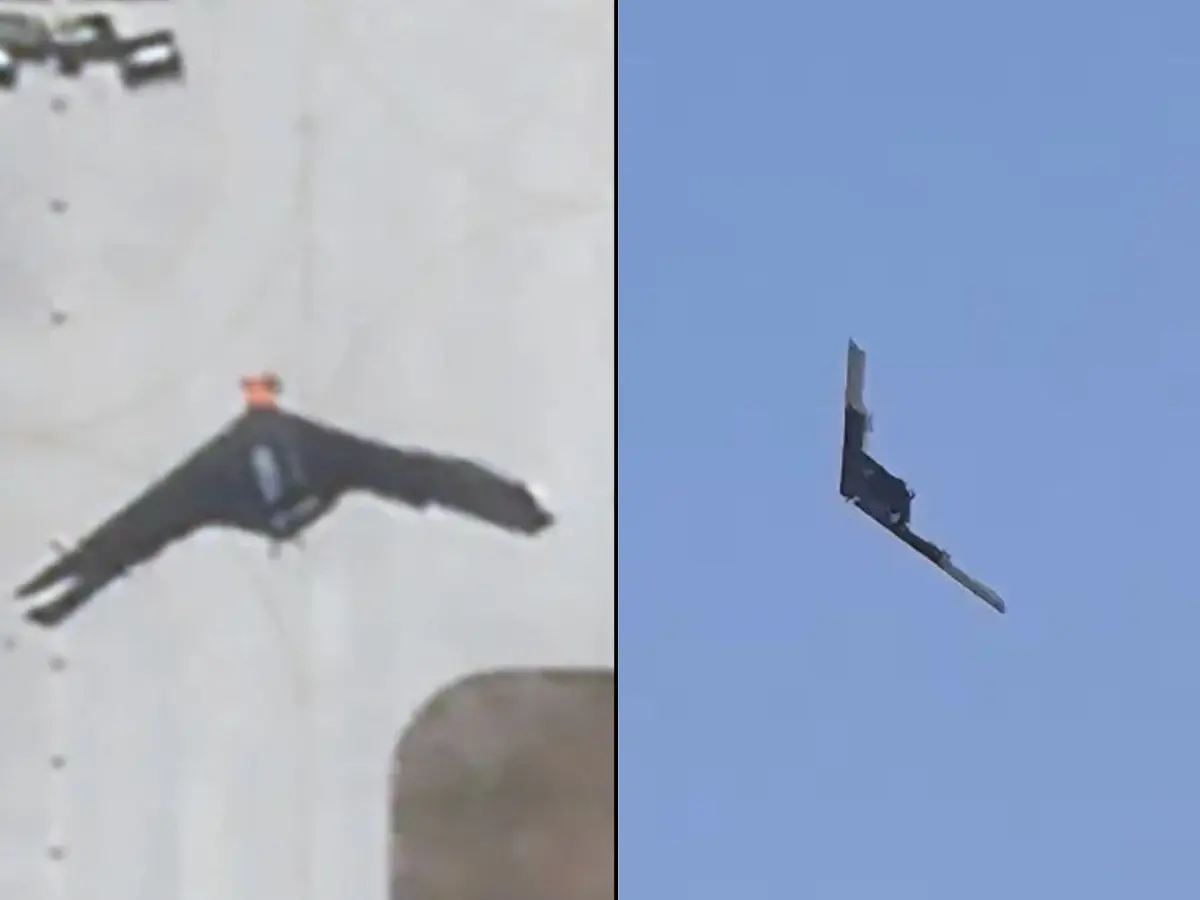)
China testing 'Monster of Malan' at secret base that can reach any US city: Report
)
US trade tariff: 100% tariff targets Russian buyers amid trade tensions
)
Lionel Messi for 2026 Ballon d’Or over Mbappe and Yamal, says Diego Simeone
)
No Pandya as Auqib Nabi earns maiden ODI call-up; Mayank returns for WI T20Is| check full squads
)
Hockey: Pakistan urges AHF to move Asian Champions Trophy out of India over security concerns
)
Alex Saab, ally of Venezuela's Maduro, pleads guilty in US corruption case
)
Shahzad Bhatti Network declared terrorist organisation under UAPA: Govt order
)
US, China dominate global economy: Where does India rank among the world's biggest economies?
Thunderstorms triggered wildfires in Antarctica
Ninety million years ago, Antarctica was connected to Australia with an average temperature of 12 degrees Celsius. It witnessed dry periods as well as monsoons when thunderstorms and lightning would have ignited fires in the forests. Co-author Ulrich Salzmann of Northumbria University in England said, "90 million years ago, just 900 kilometres [560 miles] from the South Pole, a temperate and very swampy Antarctic rainforest with pronounced dry and monsoon seasons gradually silted up and developed into a peatland dominated by peat mosses."

