3I/ATLAS post-perihelion photos and China's Mars orbiter image show a tail-less fuzzy dot

&imwidth=600&imheight=450&format=webp&quality=medium "3I/ATLAS post-perihelion photos and China's Mars orbiter image show a tail-less fuzzy dot")
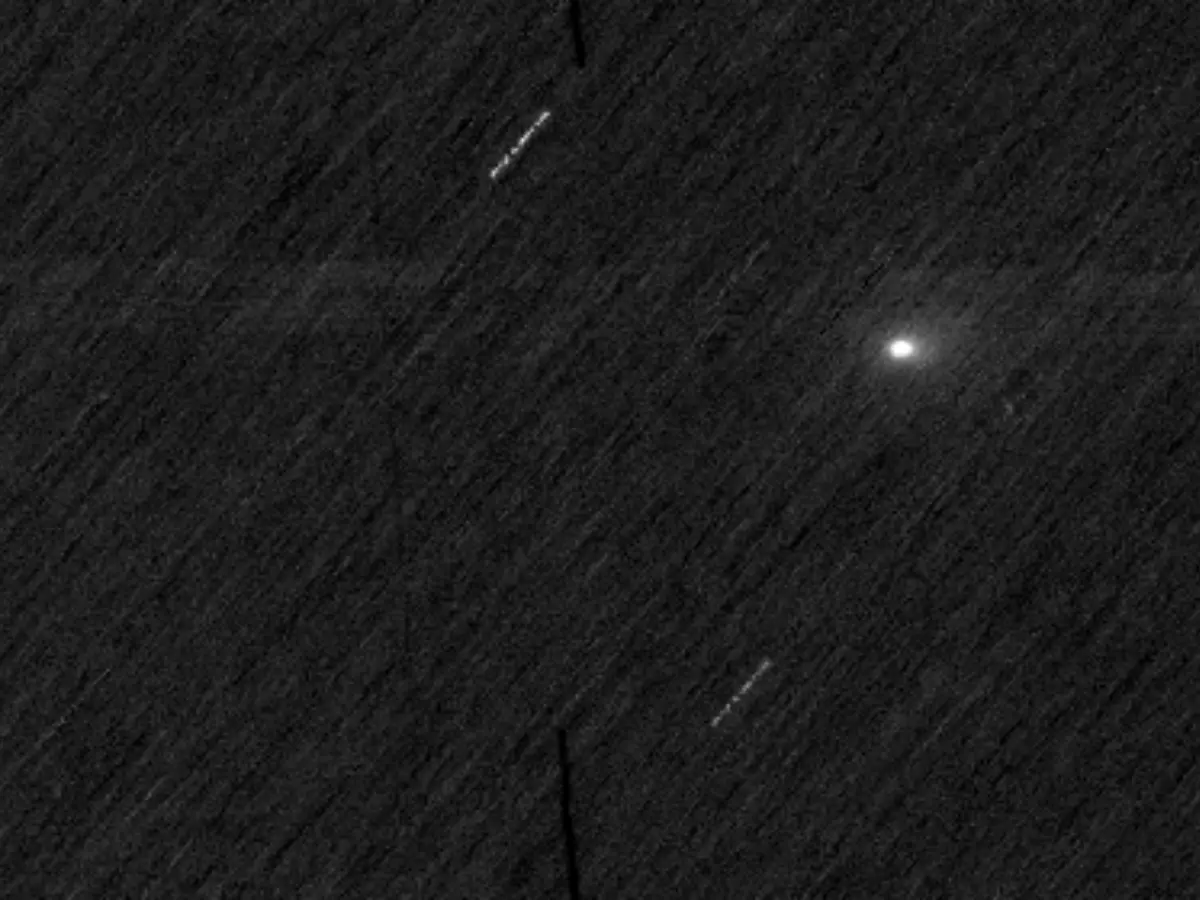
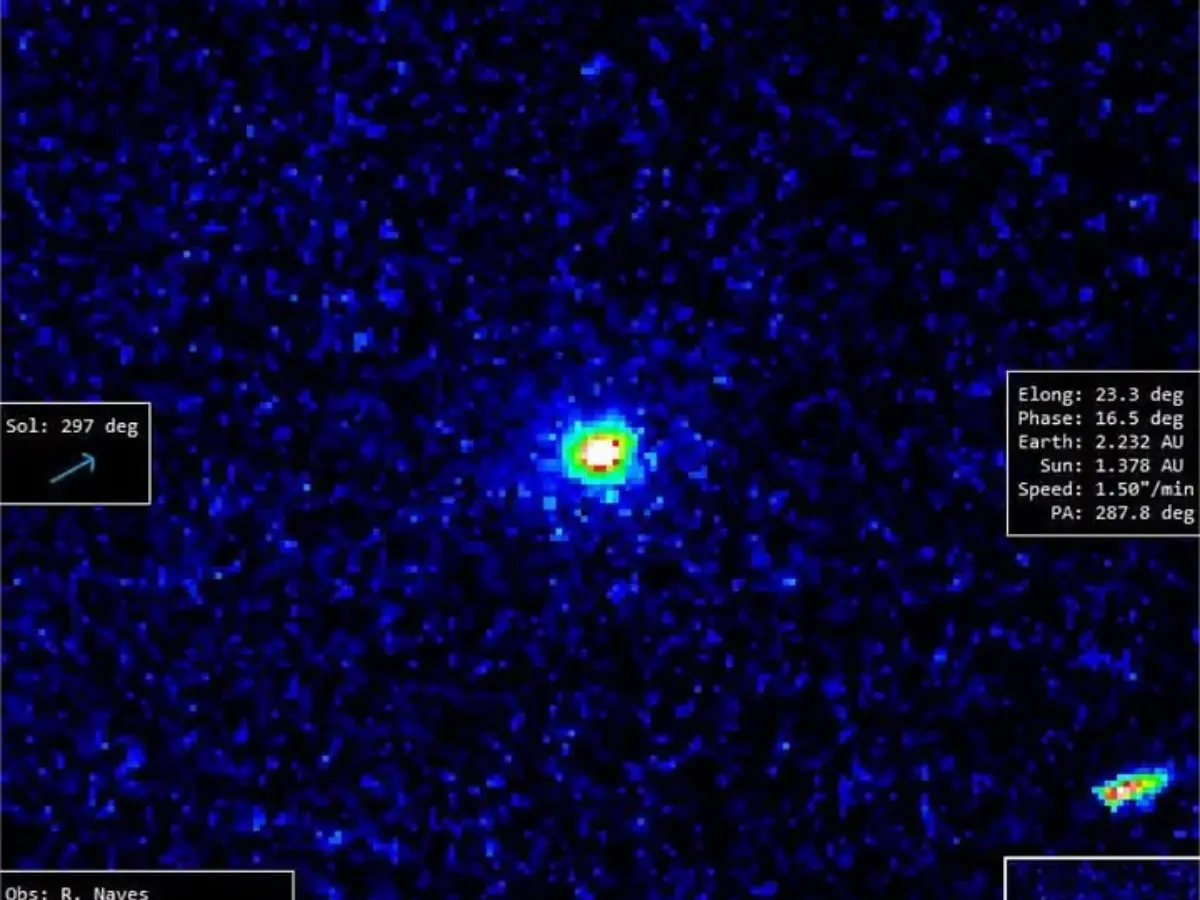
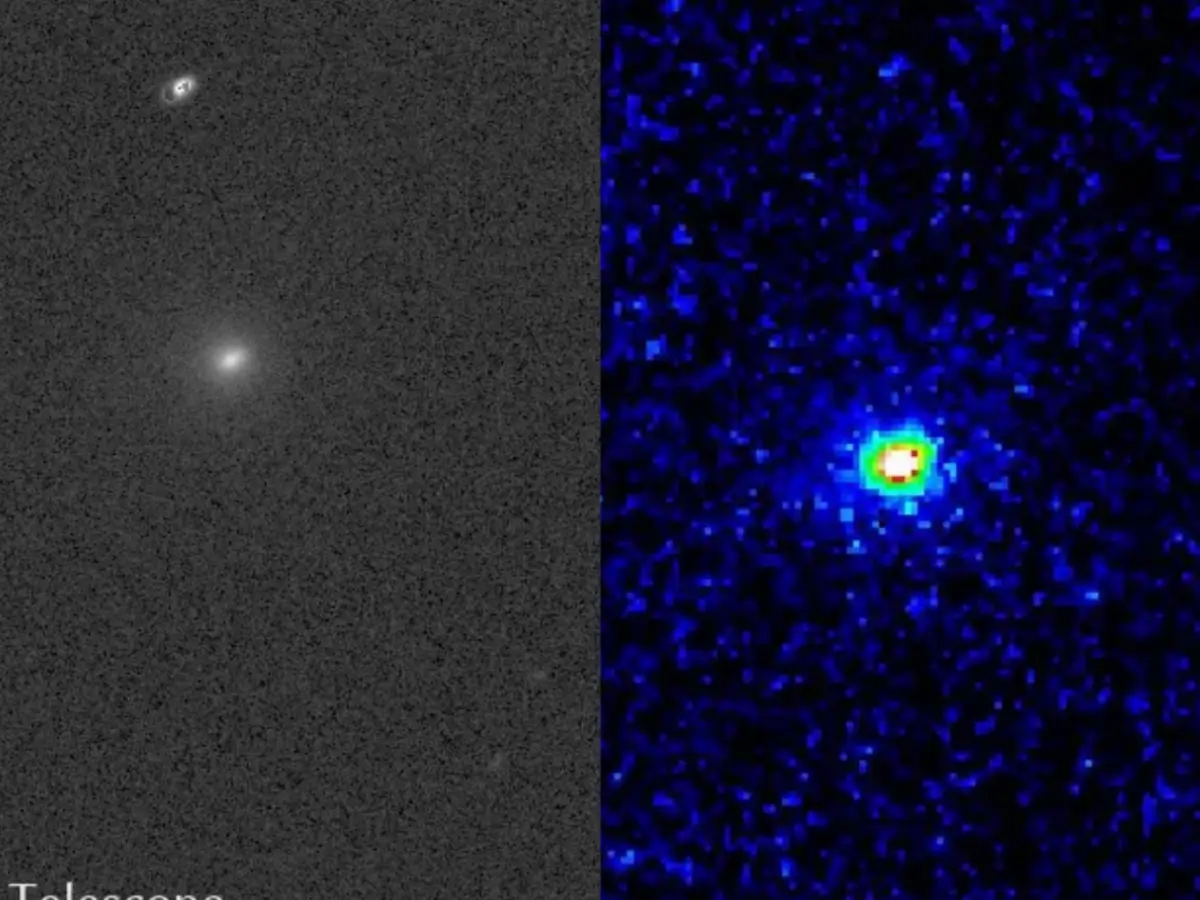
3I/ATLAS seen post perihelion appears only as a bright dot Photograph: (Lowell Observatory and R. Naves Observatory)
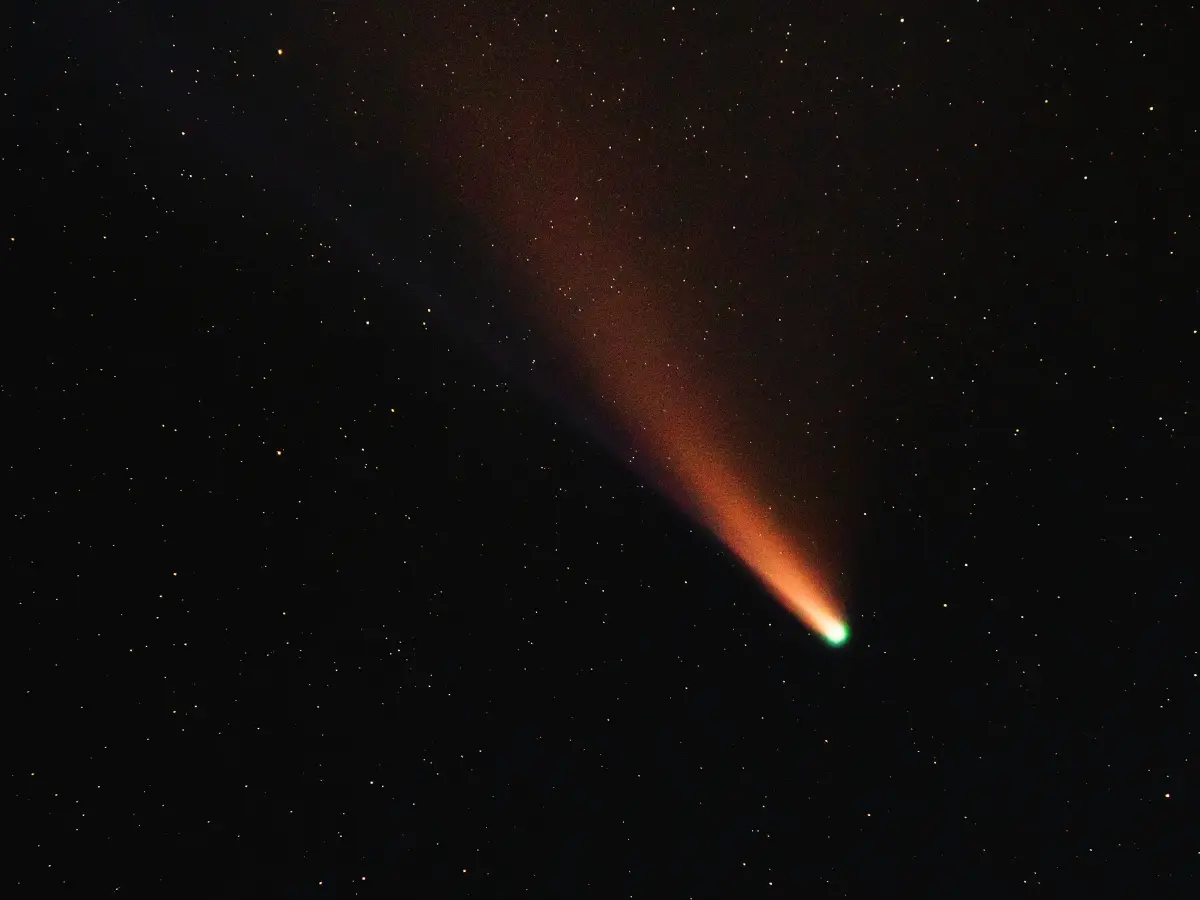
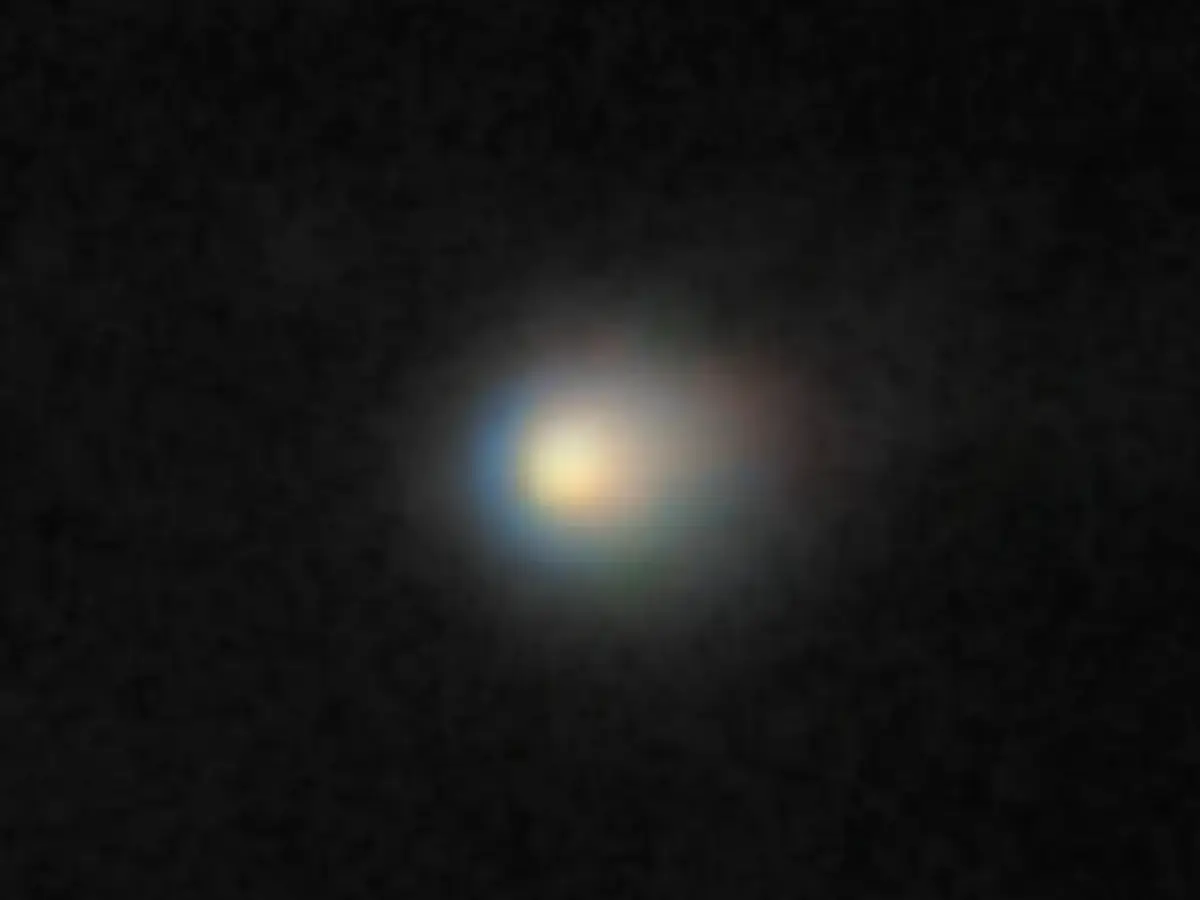
Several photos of 3I/ATLAS have been released in the past few days, all of which show a bright and fuzzy dot in space. Interestingly, none of them shows a tail, something that typically defines a comet. It has also gained speed and changed path, as per NASA data.
3I/ATLAS has now been a few times since perihelion. We have at least two new images of the comet after its encounter with the Sun. The first one was taken from the Lowell Observatory in Arizona, and the second was clicked by the R. Naves Observatory. The interstellar comet has also been pictured by the Virtual Telescope Project. 3I/ATLAS appears extremely bright in all these pictures, barring the presence of a tail. Almost all of these photos show a bright coma, but no tail. This has been a topic of debate ever since it was first observed on July 1, 2025. Towards September, it did grow a faint tail, as observed by the Gemini Observatory in live viewing. The discovery was made during a public outreach initiative organised by NSF NOIRLab. The session conducted on August 27 revealed that the object was starting to show signs of a comet, with a broad coma.
3I/ATLAS photo taken from Mars
But then, the comet swung by Mars on October 2-3. Orbiters from the US, Europe and China saw the object. The European Space Agency was the first to release a photo taken by its ExoMars Trace Gas Orbiter (TGO). Interestingly, its Colour and Stereo Surface Imaging System (CaSSIS) captured a bright coma, but no tail. ESA said that the "slightly fuzzy white dot moving downwards near the centre of the image" is 3I/ATLAS. ESA said that the photos do not show a tail, which is typically millions of kilometres long as comets move towards the Sun. But in the case of 3I/Atlas, it is much dimmer than the coma. "We can’t see the tail in the CaSSIS images, but it may become more visible in future observations as the comet continues to heat up and release more ice," the ESA said.
China's orbiter takes photo of 3I/ATLAS from Mars
Trending Stories
&imwidth=280&imheight=210&format=webp&quality=medium)
&imwidth=280&imheight=210&format=webp&quality=medium)
&imwidth=280&imheight=210&format=webp&quality=medium)
&imwidth=280&imheight=210&format=webp&quality=medium)
&imwidth=280&imheight=210&format=webp&quality=medium)
&imwidth=280&imheight=210&format=webp&quality=medium)
&imwidth=280&imheight=210&format=webp&quality=medium)
&imwidth=280&imheight=210&format=webp&quality=medium)
&imwidth=280&imheight=210&format=webp&quality=medium)
&imwidth=280&imheight=210&format=webp&quality=medium)
&imwidth=280&imheight=210&format=webp&quality=medium)
&imwidth=280&imheight=210&format=webp&quality=medium)
&imwidth=280&imheight=210&format=webp&quality=medium)
&imwidth=280&imheight=210&format=webp&quality=medium)
&imwidth=280&imheight=210&format=webp&quality=medium)
&imwidth=280&imheight=210&format=webp&quality=medium)
&imwidth=280&imheight=210&format=webp&quality=medium)
&imwidth=280&imheight=210&format=webp&quality=medium)
&imwidth=280&imheight=210&format=webp&quality=medium)
&im=FitAndFill=(700,400)&imwidth=280&imheight=210&format=webp&quality=medium)
&imwidth=280&imheight=210&format=webp&quality=medium)
&imwidth=280&imheight=210&format=webp&quality=medium)
&imwidth=280&imheight=210&format=webp&quality=medium)
&imwidth=280&imheight=210&format=webp&quality=medium)
&imwidth=280&imheight=210&format=webp&quality=medium)
&imwidth=280&imheight=210&format=webp&quality=medium)
&imwidth=280&imheight=210&format=webp&quality=medium)
&imwidth=280&imheight=210&format=webp&quality=medium)
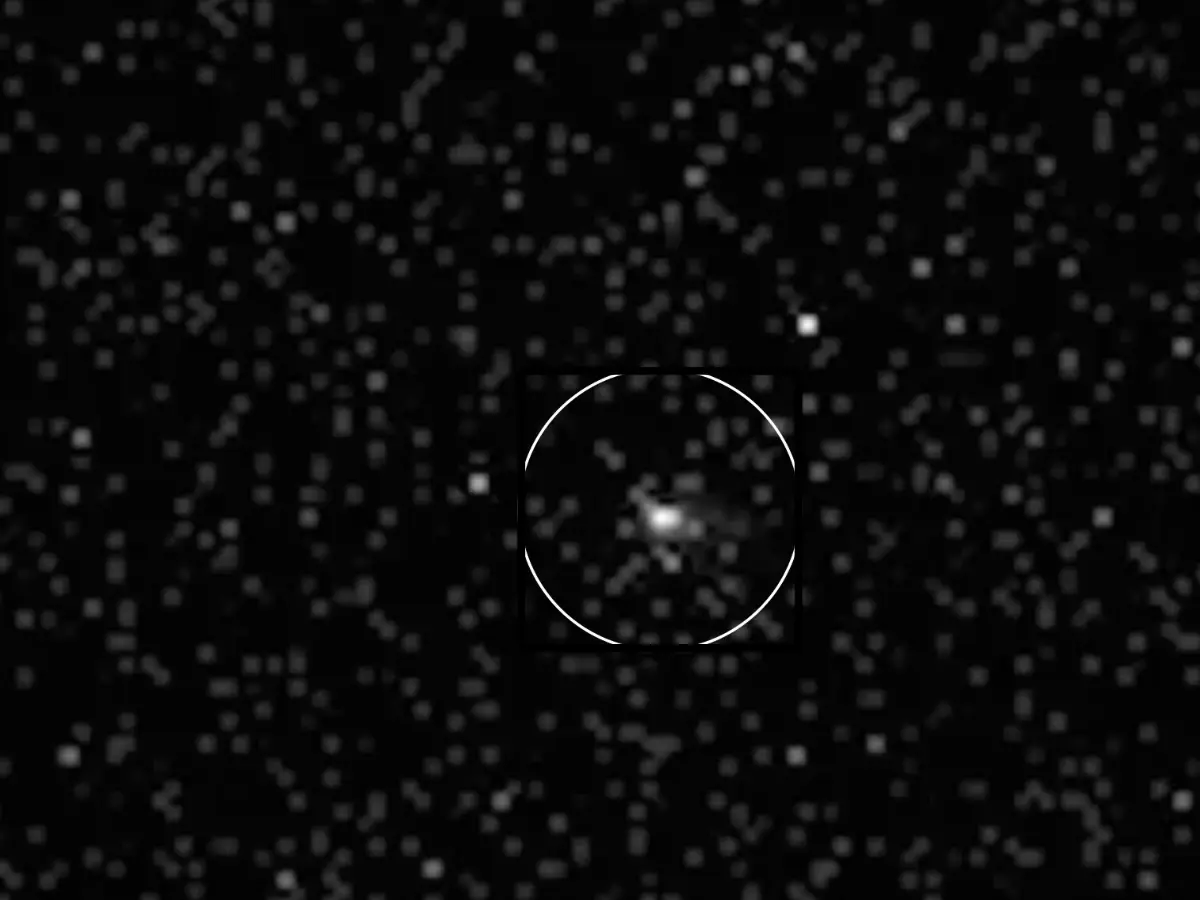
However, this did not happen. The second photo taken by China's Tianwen-1 orbiter on October 3 was released by the China National Space Administration (CNSA) on Thursday (Nov 6). It shows a faint, fuzzy ball of light coma, a cloud of gas and dust which appears as volatile ice vaporises. The space agency's statement mentions that "the comet's distinctive features" are visible and consist of "a nucleus and a surrounding coma, with a diameter reaching several thousand kilometres," with no mention of a tail. "Based on this observational data, researchers are conducting further in-depth studies of ATLAS."
Also Read: 3I/ATLAS lacks clear cometary tail in new images post-perihelion, as 2 new oddities are added
No tail in any post-perihelion images
3I/ATLAS reached perihelion, its closest point to the Sun, on October 29-30. It wasn't visible for a long time in this position, but it is now emerging from its glare. It has been imaged by some astronomers, and none of the pictures show a tail, only a bright ball of light. Scientists are intrigued by its behaviour, especially since it brightened up way too much, showed sudden acceleration and changed trajectory after swinging by the Sun. None of these behaviours has any conclusive cause yet.