The iPhone 18 Pro may finally fix one of the biggest problems with night video

&imwidth=600&imheight=450&format=webp&quality=medium "The iPhone 18 Pro may finally fix one of the biggest problems with night video")
The iPhone 18 Pro may finally fix one of the biggest problems with night video
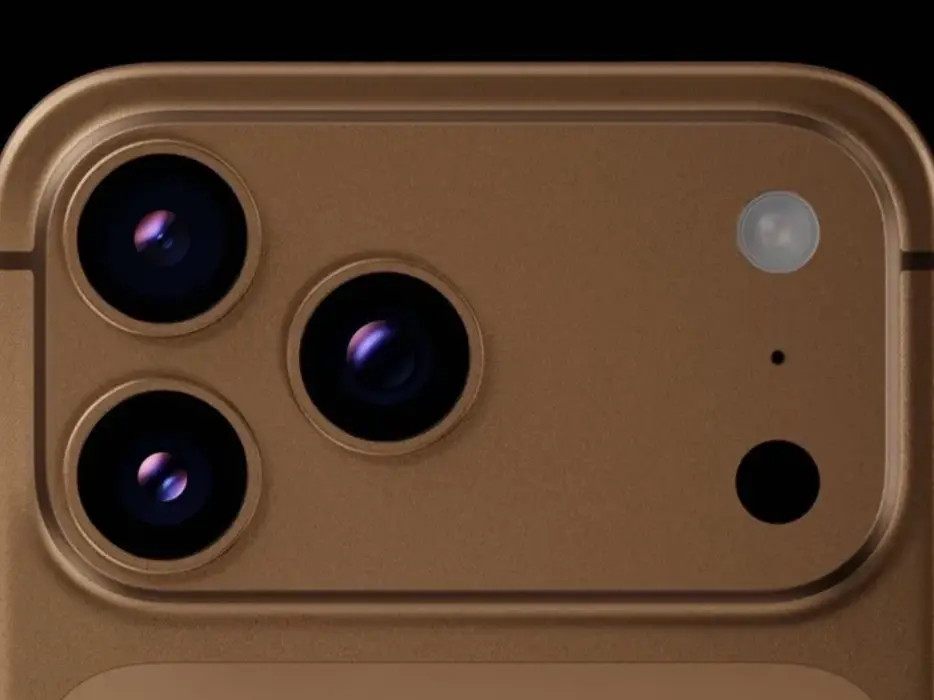
The iPhone 18 Pro is expected to introduce Apple's first variable-aperture camera, allowing the main lens to physically control incoming light. The upgrade could improve night video by reducing noise, preserving shadow detail and giving Apple more control over exposure.
Apple could be preparing one of its biggest iPhone camera changes in years. The iPhone 18 Pro and iPhone 18 Pro Max are widely expected to get a variable-aperture main camera, a feature Apple has never previously used on an iPhone. If the reports are accurate, the change could make the biggest difference when shooting video in difficult lighting.
The idea is simple. Current Pro iPhones use a fixed aperture on their main camera. The iPhone 18 Pro could instead physically adjust the lens opening, allowing more light into the camera when conditions get dark. That matters because night video is much harder than night photography.
Why variable aperture could help at night
When filming in a dark street, restaurant or concert, a phone has limited light to work with. It can increase exposure through software, but that can introduce noise and make shadows look muddy.
A wider physical aperture gives the sensor more light before the image-processing system has to compensate. That could mean cleaner shadows, less visible noise and better-looking detail in dark video. It could also help the phone maintain more natural shutter speeds in difficult conditions. The technology has been reported by multiple sources, including Apple analyst Ming-Chi Kuo and supply-chain reports. Apple has reportedly begun production of components for the system.
It is not only about night video
The same hardware could make the iPhone 18 Pro more flexible during the day.
Trending Stories
&imwidth=280&imheight=210&format=webp&quality=medium)
&imwidth=280&imheight=210&format=webp&quality=medium)
&imwidth=280&imheight=210&format=webp&quality=medium)
&imwidth=280&imheight=210&format=webp&quality=medium)
&imwidth=280&imheight=210&format=webp&quality=medium)
&imwidth=280&imheight=210&format=webp&quality=medium)
&im=FitAndFill=(700,400)&imwidth=280&imheight=210&format=webp&quality=medium)
&imwidth=280&imheight=210&format=webp&quality=medium)
&imwidth=280&imheight=210&format=webp&quality=medium)
&imwidth=280&imheight=210&format=webp&quality=medium)
&imwidth=280&imheight=210&format=webp&quality=medium)
&imwidth=280&imheight=210&format=webp&quality=medium)
&imwidth=280&imheight=210&format=webp&quality=medium)
&imwidth=280&imheight=210&format=webp&quality=medium)
&imwidth=280&imheight=210&format=webp&quality=medium)
&imwidth=280&imheight=210&format=webp&quality=medium)
&imwidth=280&imheight=210&format=webp&quality=medium)
&imwidth=280&imheight=210&format=webp&quality=medium)
&imwidth=280&imheight=210&format=webp&quality=medium)
&imwidth=280&imheight=210&format=webp&quality=medium)
&im=FitAndFill=(700,400)&imwidth=280&imheight=210&format=webp&quality=medium)
&imwidth=280&imheight=210&format=webp&quality=medium)
&imwidth=280&imheight=210&format=webp&quality=medium)
&imwidth=280&imheight=210&format=webp&quality=medium)
&imwidth=280&imheight=210&format=webp&quality=medium)
&imwidth=280&imheight=210&format=webp&quality=medium)
&imwidth=280&imheight=210&format=webp&quality=medium)
&imwidth=280&imheight=210&format=webp&quality=medium)
&imwidth=280&imheight=210&format=webp&quality=medium)
&imwidth=280&imheight=210&format=webp&quality=medium)
&im=FitAndFill=(700,400)&imwidth=280&imheight=210&format=webp&quality=medium)
&imwidth=280&imheight=210&format=webp&quality=medium)
&imwidth=280&imheight=210&format=webp&quality=medium)
&imwidth=280&imheight=210&format=webp&quality=medium)
&imwidth=280&imheight=210&format=webp&quality=medium)
&imwidth=280&imheight=210&format=webp&quality=medium)
&imwidth=280&imheight=210&format=webp&quality=medium)
The aperture could close in bright conditions, giving the camera more control over exposure. It could also provide greater control over depth of field, potentially creating more natural background separation than software-only effects. That is a major shift in philosophy for the iPhone camera. Instead of relying almost entirely on computational photography to compensate for a fixed lens, Apple would be giving the hardware more control.
There are also reports of a wider-aperture telephoto camera for the Pro models. A larger opening on that lens could improve low-light zoom performance and reduce noise when shooting distant subjects at night.
Apple could be making video the real winner
The most interesting part may be how the camera behaves while recording.
Video cannot simply take a series of long exposures and combine them in the same way a phone can for some night photographs. Motion has to remain natural from frame to frame.
A variable aperture gives Apple another physical control over exposure. That could help the iPhone balance brightness without relying as heavily on aggressive digital processing. But there is an important caveat: better night video is not guaranteed. The final result will depend on the aperture range, sensor size, lens quality, image stabilisation and Apple's processing. These details remain unconfirmed. Still, if Apple gets the implementation right, the iPhone 18 Pro's most important camera upgrade may not be another megapixel increase. It could be the simple ability to let more light in when the sun goes down.
