RAM is becoming the new oil: How a 500% memory price surge could make everything more expensive

&imwidth=600&imheight=450&format=webp&quality=medium "RAM is becoming the new oil: How a 500% memory price surge could make everything more expensive")
RAM prices are soaring. Here’s why your next phone, laptop and AI service could cost more
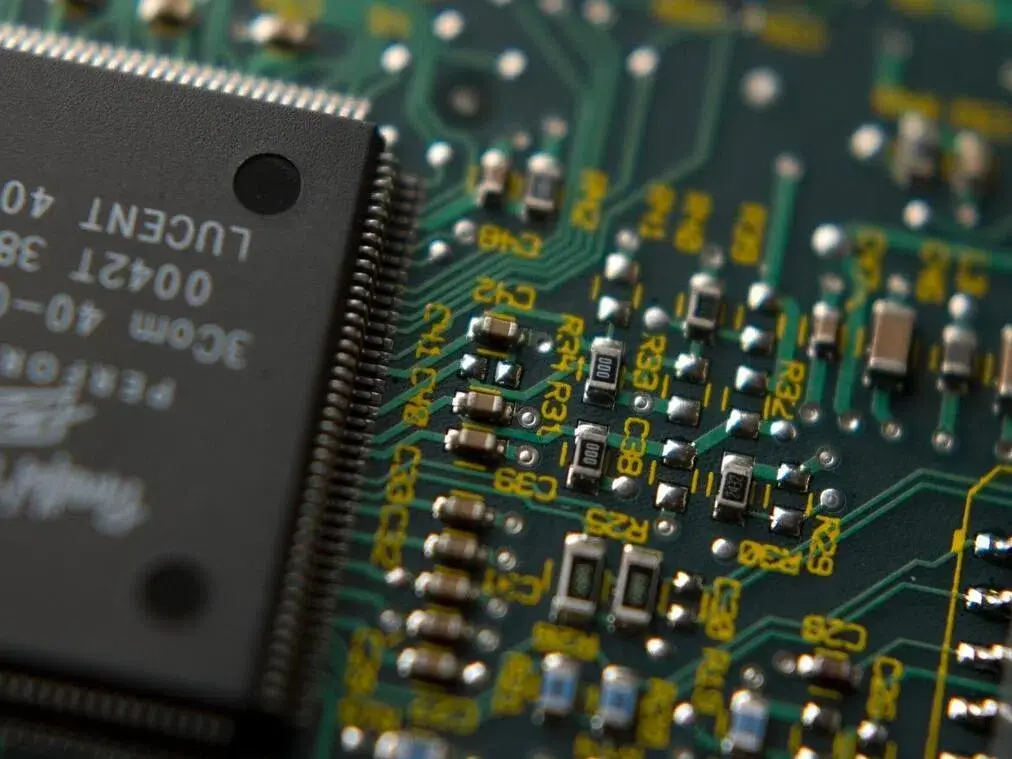
RAM prices have surged as AI data centres consume more memory, with some DDR5 products up around 500% year-on-year. Zoho’s Sridhar Vembu says the squeeze is making business harder, raising fears that higher computing costs could spread across the wider economy.
For years, India has repeated the phrase “data is the new oil” to describe the value of the information generated by more than a billion people. But the technology boom of 2026 is creating a different comparison: RAM may be the new oil.
Computer memory has become dramatically more expensive as AI data centres compete for supplies. Tom’s Hardware recently reported that some DDR5 memory kits had risen by roughly 500% over 12 months, while a 128GB DDR5-6400 kit reached $3,399. The impact is no longer limited to PC enthusiasts. Zoho founder Sridhar Vembu recently warned that rising memory costs, combined with higher AI costs, are making business increasingly difficult.
Why is RAM suddenly so expensive?
The answer is AI. Modern AI systems need huge amounts of fast memory. Data centres running models from companies such as OpenAI, Google and Anthropic require enormous quantities of DRAM and high-bandwidth memory. Memory manufacturers are therefore directing more capacity towards the lucrative AI and server market. That leaves less supply for conventional computers, smartphones and other devices. Apple CEO Tim Cook has described the situation as a “hundred-year flood” in memory pricing and said price increases had become unavoidable. Apple has already raised prices on several Macs and iPads.
Why this could affect almost every business
The important point is that RAM is no longer simply a component inside a laptop. Almost every modern business depends on computing. A dental clinic may use computers to manage appointments and patient records. A bank needs servers. A factory needs connected machines. A small company may rely entirely on cloud software. All of those systems ultimately depend on computer hardware and data-centre infrastructure. When memory becomes more expensive, the additional cost can move through the supply chain. Hardware makers can raise prices. Cloud providers can face higher infrastructure costs. Software companies may then have to decide whether to absorb those costs or pass them to customers. That is why Vembu’s warning matters beyond Zoho.
Trending Stories
&imwidth=280&imheight=210&format=webp&quality=medium)
&im=FitAndFill=(700,400)&imwidth=280&imheight=210&format=webp&quality=medium)
&im=FitAndFill=(700,400)&imwidth=280&imheight=210&format=webp&quality=medium)
&imwidth=280&imheight=210&format=webp&quality=medium)
&imwidth=280&imheight=210&format=webp&quality=medium)
&imwidth=280&imheight=210&format=webp&quality=medium)
&imwidth=280&imheight=210&format=webp&quality=medium)
&imwidth=280&imheight=210&format=webp&quality=medium)
&imwidth=280&imheight=210&format=webp&quality=medium)
&imwidth=280&imheight=210&format=webp&quality=medium)
&imwidth=280&imheight=210&format=webp&quality=medium)
&imwidth=280&imheight=210&format=webp&quality=medium)
&imwidth=280&imheight=210&format=webp&quality=medium)
&imwidth=280&imheight=210&format=webp&quality=medium)
&imwidth=280&imheight=210&format=webp&quality=medium)
&imwidth=280&imheight=210&format=webp&quality=medium)
&imwidth=280&imheight=210&format=webp&quality=medium)
&imwidth=280&imheight=210&format=webp&quality=medium)
&imwidth=280&imheight=210&format=webp&quality=medium)
&imwidth=280&imheight=210&format=webp&quality=medium)
&imwidth=280&imheight=210&format=webp&quality=medium)
&im=FitAndFill=(700,400)&imwidth=280&imheight=210&format=webp&quality=medium)
&imwidth=280&imheight=210&format=webp&quality=medium)
&imwidth=280&imheight=210&format=webp&quality=medium)
&imwidth=280&imheight=210&format=webp&quality=medium)
&imwidth=280&imheight=210&format=webp&quality=medium)
&imwidth=280&imheight=210&format=webp&quality=medium)
&imwidth=280&imheight=210&format=webp&quality=medium)
&imwidth=280&imheight=210&format=webp&quality=medium)
&imwidth=280&imheight=210&format=webp&quality=medium)
&imwidth=280&imheight=210&format=webp&quality=medium)
&imwidth=280&imheight=210&format=webp&quality=medium)
&imwidth=280&imheight=210&format=webp&quality=medium)
Could the RAM crisis last for years?
There are reasons to worry about a prolonged squeeze. Memory companies including Samsung, SK hynix and Micron are expanding production, but much of the new capacity is being directed towards AI-related memory. Industry forecasts also suggest that supply could remain tight for years rather than months. This creates a difficult choice for companies: accept lower profits, raise prices or redesign products and software to use less memory. That last option could become increasingly important. Vembu has argued that programming languages and compilers need to become more memory-efficient because developers can no longer assume that memory is effectively free.
The comparison with oil is therefore more than a catchy phrase.
Oil powered the physical economy. RAM is becoming one of the resources that powers the digital one. And if AI continues consuming memory at today's pace, the next technology shock may not come from a lack of intelligence. It may come from a lack of space for that intelligence to run.
