Remembering Jamini Roy, the artist who gave an identity to Indian folk art


This satellite photo by Department of Defense shows a battle damage assessment image of Shayrat Airfield, Syria, following US attack.
Google Doodle gives a tribute to the artist on his 130th birth anniversary
A student of Abanindranath Tagore and the creator of 'Indian Society of Oriental Art', Roy played an integral part during the movement of Indian nationalism. His artistic expression, inspired by local Indian culture, helped shape the identity of Indian art. Unlike Tagore, whose works focussed on mythologies and ancient history, Jamini's art was inspired by folk and tribal groups. The grassroots of the nation became his forte - he would not paint the queen but the tribal mother stroking her baby.
Unlike western academic art which idealised subjects, for instance, Ravi Verma, Roy depended on the depiction of tribal everyday life particularly Kalighat patua style. He changed over completely to an indigenous style, even ditching the canvas for woven mats, cloth, and wood. His works are characterised by flat color application, an emphasis on lines and subjects enclosed in a decorative border or motifs.He restricted his palette to seven colours- Indian red, yellow ochre, cadmium green, vermillion, grey, blue and white. These were mostly earthy or mineral colours.
He was born on 11th April 1887 into a modest family of land-owners in Beliatore village in the Birbhum district of undivided Bengal at that time.

He studied at the Government College of Art, Kolkata where he was taught to paint in the existing academic traditional drawing classical nudes and painting in oils. However, he soon realised that this wasn't his calling. He accomplished that he needed to draw inspiration from his own culture instead of focussing on the western one--that is when living folk and tribal art became his inspiration. He was influenced by Kalighat Pat - an art style that involved bold sweeping brush-strokes.
His stylewas his reaction against the Western or traditional academic style of painting. He began his career as a commissioned portrait painter. In the early 1920s, he abruptly gave that up to discover his own style.
His pursuit was to encapsulate the spirit of simplicity contained in the life of the folk people, make art accessible to a larger section of the society, and to give an identity to Indian art.
)
Trump announces ‘AI Force’ as debate grows over AI risks and regulation
)
Vibe vs Daayra box office collection day 2: Kunal Kemmu’s directorial stays ahead of Kareena Kapoor's crime thriller
)
Munich Mayor taps first keg to kick off Oktoberfest
)
Trump in ‘deciding mode’ on Iran, says ‘very big things’ going to happen soon
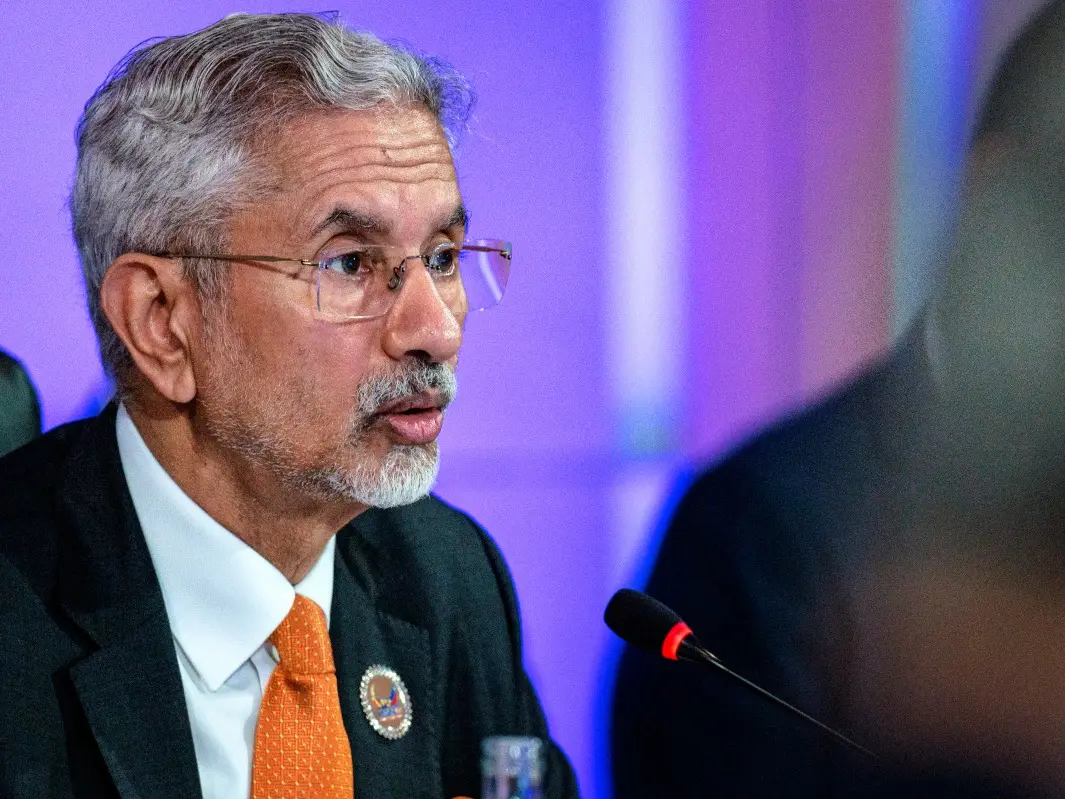)
S Jaishankar, former Army chief among high-profile names issued Delhi SIR notices
&im=FitAndFill=(700,400))
What TSMC's 2nm technology means for Apple
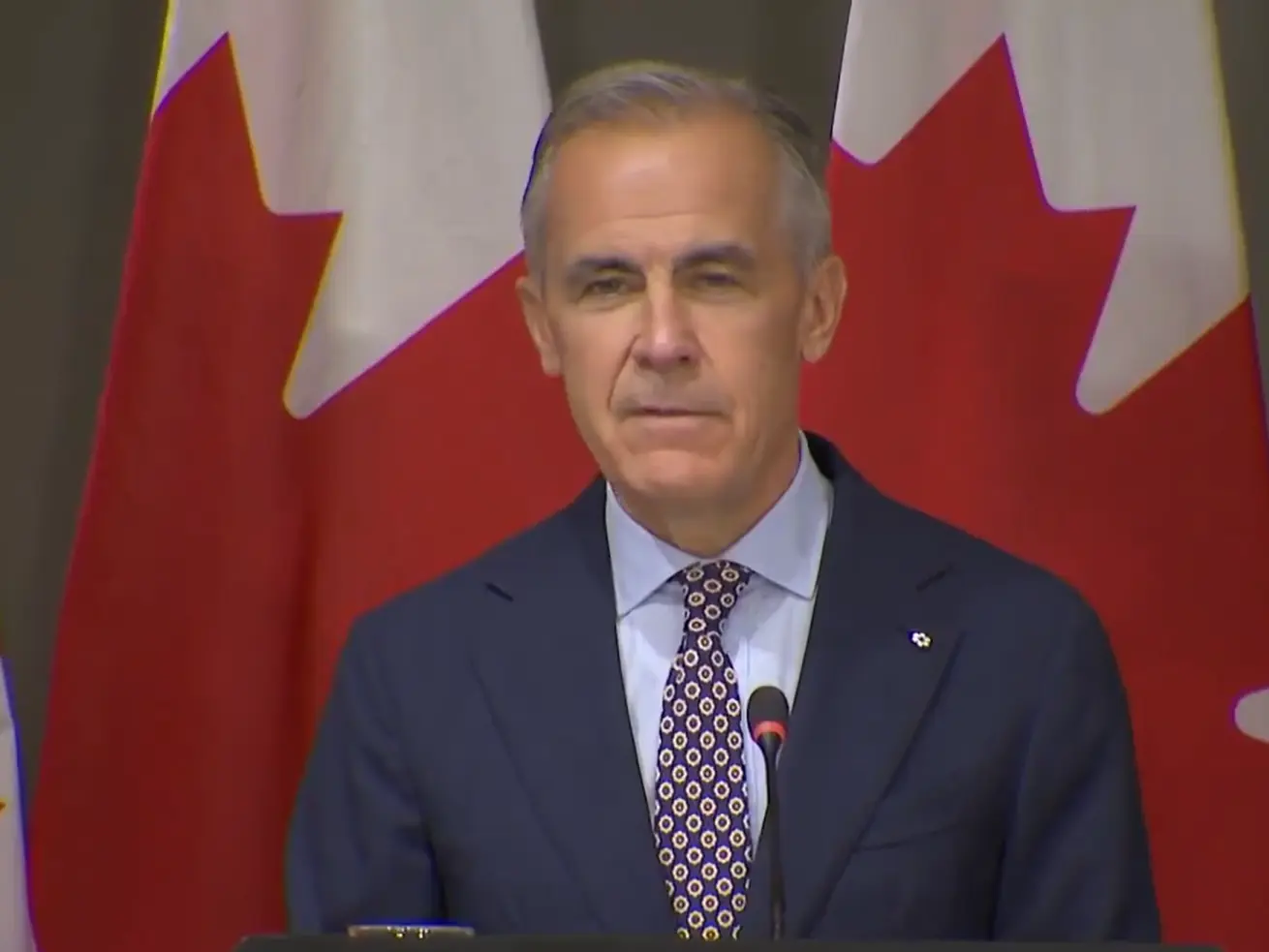)
Mark Carney mimics Trump in hilarious moment over C$70 billion clean-energy investment; room erupts in laughter
)
Trump defends AI amid growing alarm, announces new 'AI force' and promises an 'AI czar'
)
Samsung raises Galaxy S26 prices by Rs 20,000: Here’s what each model now costs
)
West Indies Squad for India Series: Hetmyer included for T20Is, Holder rested
)
'Were you here to sell chickpeas?': Wasim Akram criticises Babar Azam's captaincy
)
9 women found dead near Johannesburg: South Africans rally, demand 'enough' to femicide
)
Several petrol pumps, other businesses to refuse UPI payments above Rs 2,000 from Oct 16: Is it legal?
)
North Korea's nuclear tests triggered 1,399 earthquakes: Earth is still shaking | Gravitas
)
BTS' fans question iHeartRadio’s treatment of group after brief festival set
)
Trump says he'll build an 'AI Force' and appoint a czar, for 'high IQ' people only
&im=FitAndFill=(700,400))
Top 10 countries in mathematics: See the world’s best performers in 2026
)
Ed Sheeran addresses Macklemore's removal, Gaza conflict during Philadelphia concert: 'I cannot hide how I feel'
)
Trump signs Russia sanction bill. How will it impact India? WION Explains
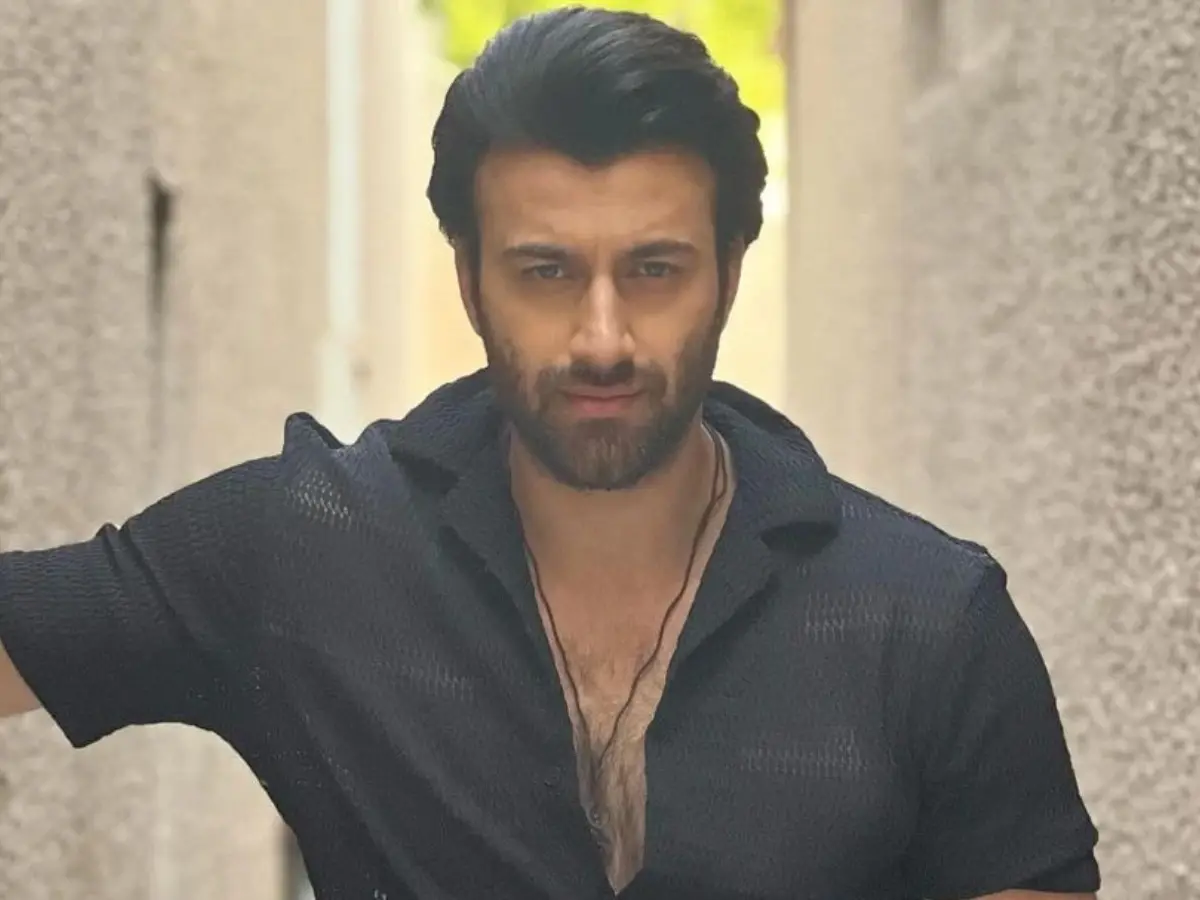)
Bigg Boss 20: Who Is Rohed Khan? Meet the Austrian actor from Bade Miyan Chote Miyan
)
Israeli President pardons combat medic who shot dead a badly wounded Palestinian attacker
)
Saudi Arabia exits China-led mBridge digital currency platform amid Saudi-Houthi conflict
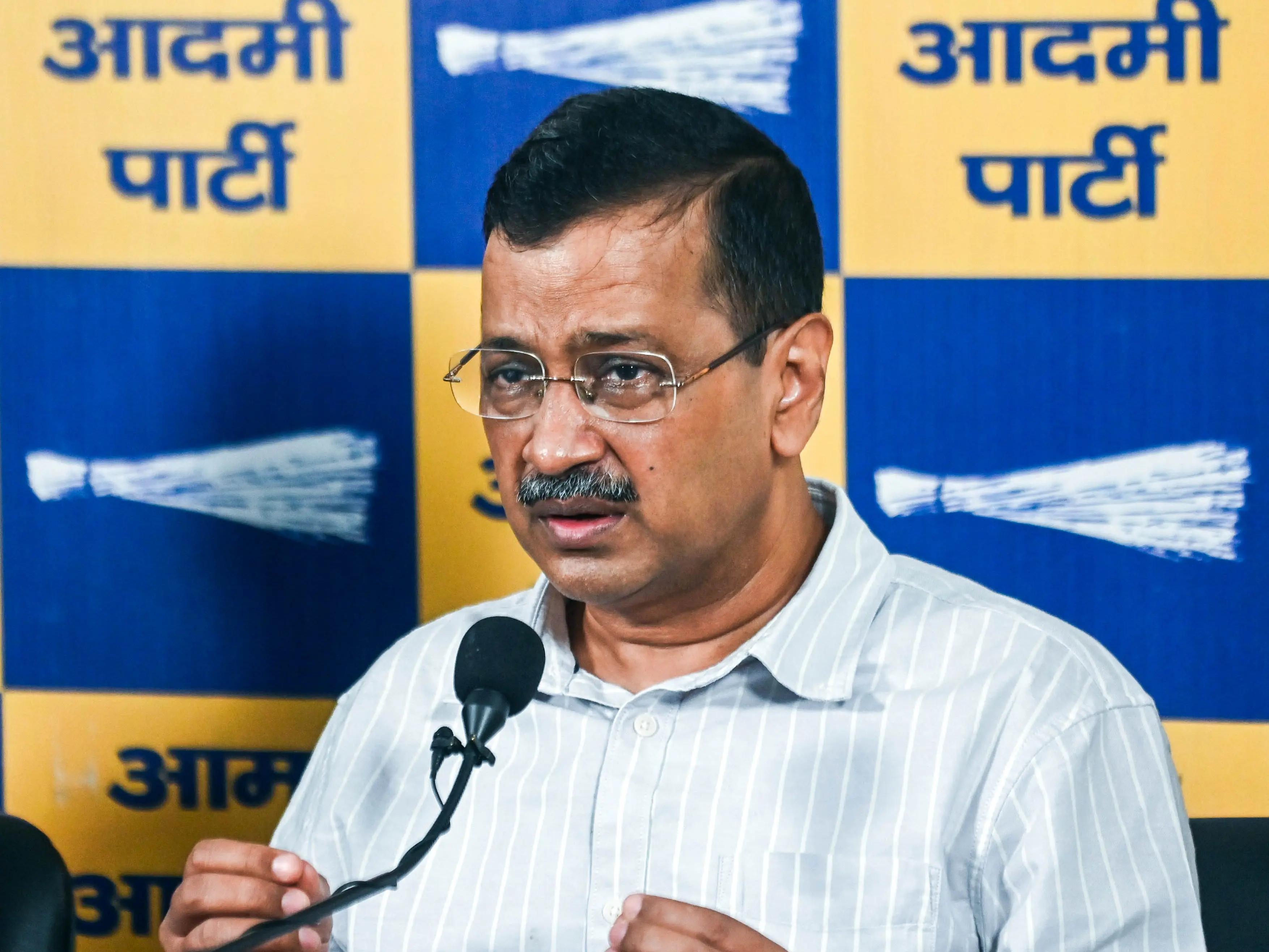)
Arvind Kejriwal, family members, Delhi CM Rekha Gupta get SIR notices
)
AI safety debate: Trump says he will not tolerate attempts to slow AI growth
)
China now makes advanced memory chips without the machines it was banned from buying
)
Saudi vs Houthis: Houthis claim missiles & drones used in attack on key Saudi sites
)
AUS vs ZIM, 3rd ODI: Ellis stars as Australia edge Zimbabwe by one wicket in last-over thriller
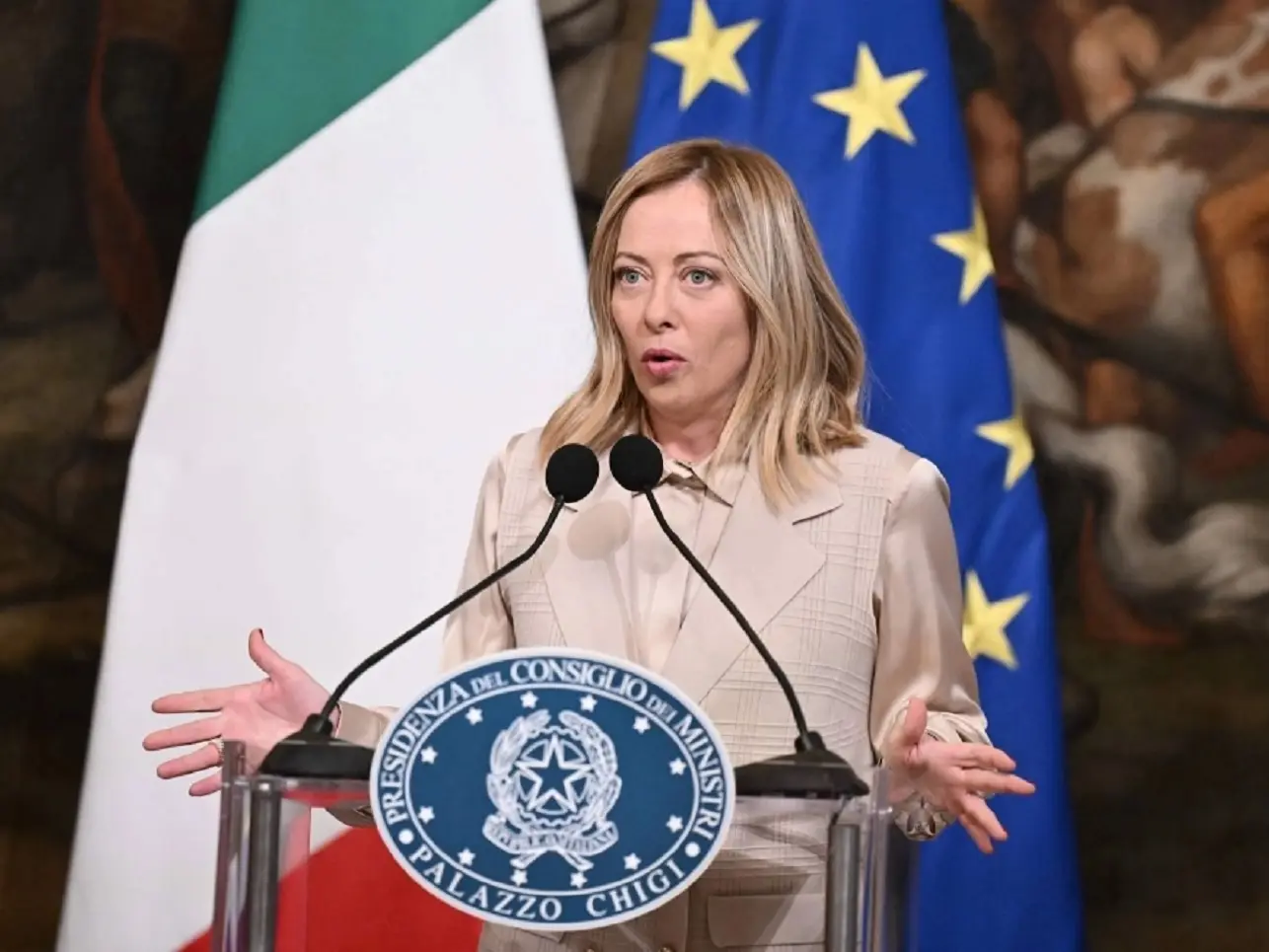)
Italy to ban burqa and hijab in schools, limit foreign students per class: PM Giorgia Meloni
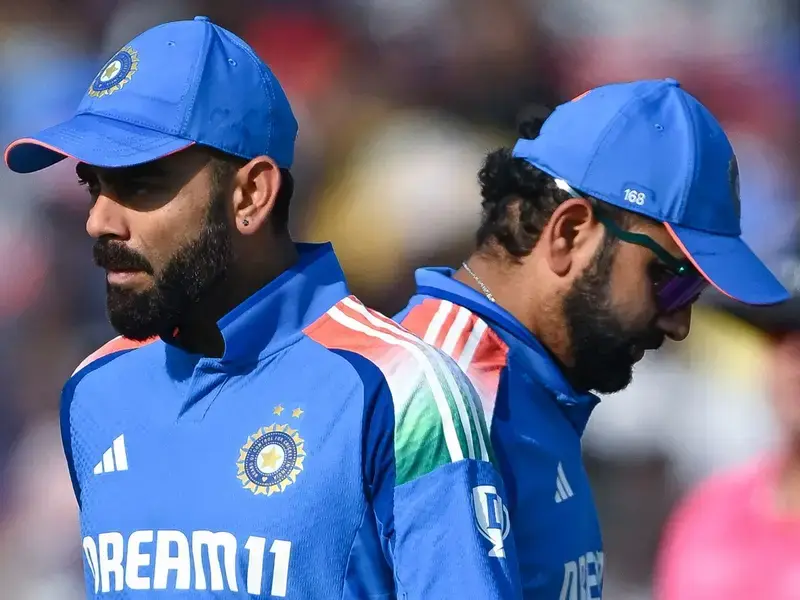)
'Lot of things to learn from experienced players': Jayasuriya backs Rohit, Virat for 2027 ODI World Cup
)
Kampala-Ankara rift deepens: Uganda suspends military ties, seeks Fred Lumbuye's extradition
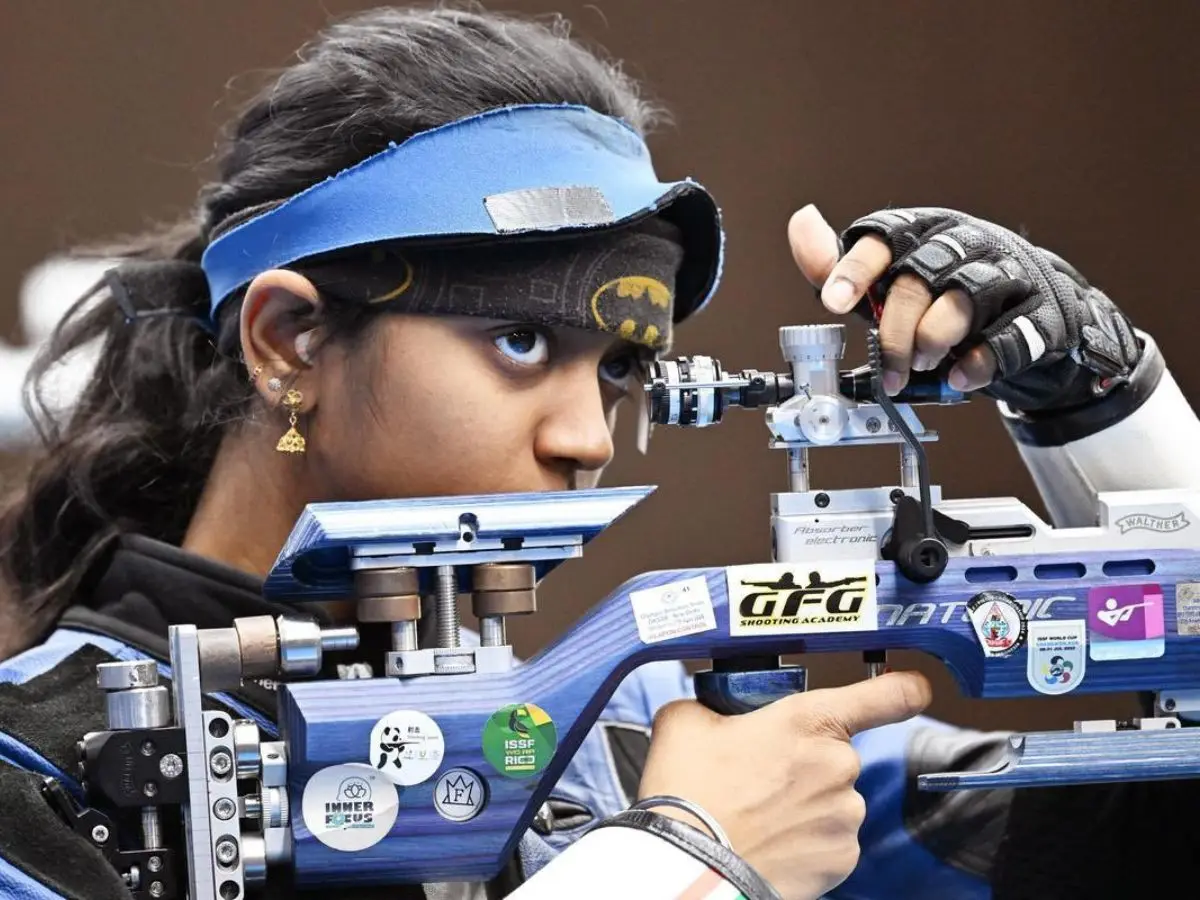)
Asian Games 2026: India win first medal as women’s 10m air rifle team claims silver
)
Sikh bus driver assaulted, bus stolen and rammed into cars in England; video surfaces
)
AI actress Tilly Norwood glitches mid-interview, switches from English to Chinese | Watch
)
Iran sets 7 conditions to end war with US: What are Tehran’s demands?
)
Harry Brook targets long reign at top of T20I rankings after Sri Lanka sweep
Jamini Roy's debut exhibition was held in the British India Street of Calcutta (Kolkata) in 1938. During the 1940s, his popularity touched new highs, with the Bengali middle class and the European community becoming his main clientèle. Eventually, his work traveled across borders, to the United States and Europe. He was presented with the Padma Bhushan award in 1955.
His work can be found in many private and public collections such as the Victoria and Albert Museum, London. He spent most of his life living and working in Calcutta. Initially, he experimented with Kalighat paintings but found that it has ceased to be strictly a "patua" and went to learn from village patuas. Consequently, his techniques, as well as subject matter, was influenced by the traditional art of Bengal.
He preferred himself to be called a patua. Jamini Roy died in 1972. He was survived by four sons and a daughter. Currently, his successorsstay at the house built by him in Ballygunge Place, Kolkata.