What SpaceX's $6.45 billion defence deals mean before its IPO

&imwidth=600&imheight=450&format=webp&quality=medium "What SpaceX's $6.45 billion defence deals mean before its IPO")
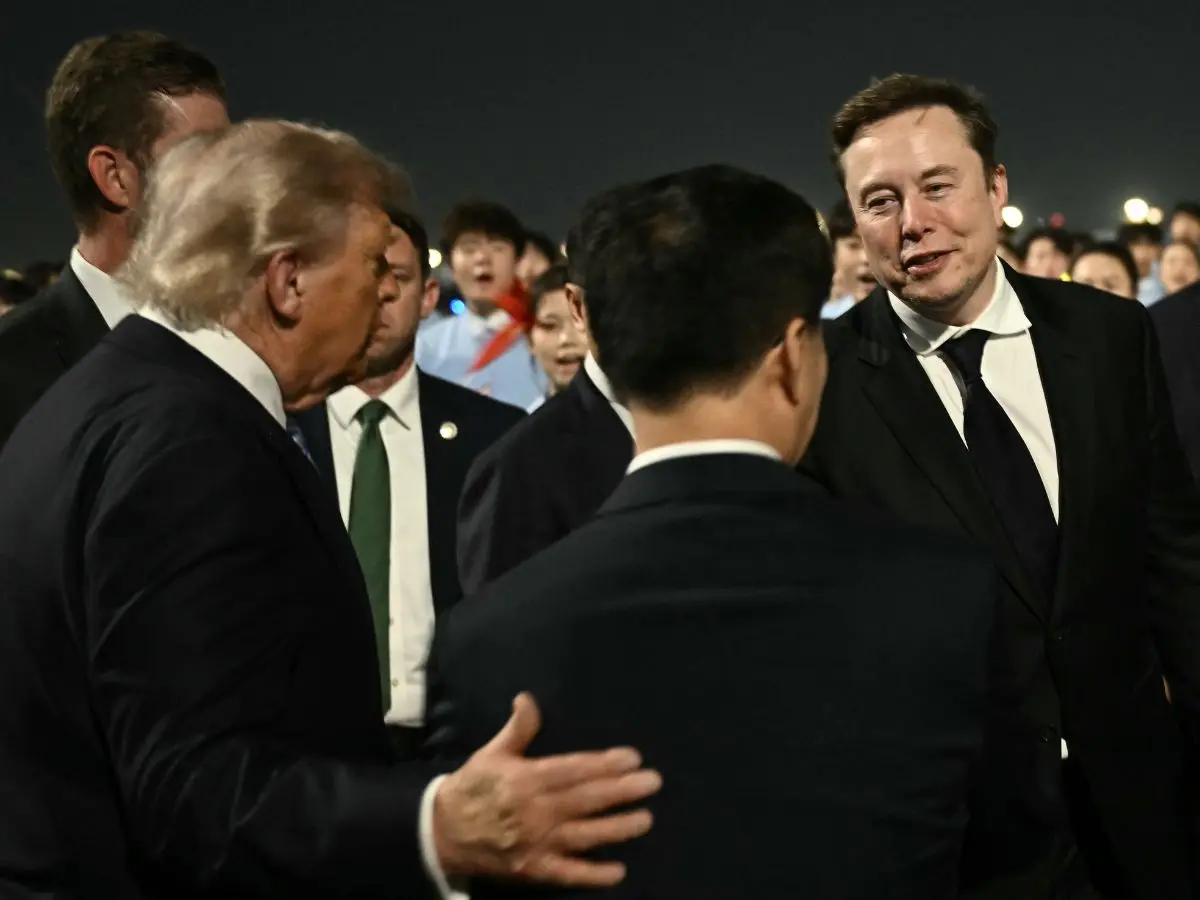
SpaceX secures $6.45 billion in Space Force contracts ahead of expected IPO Photograph: (AFP)
SpaceX has received a major boost ahead of its expected stock market debut after winning contracts worth a combined $6.45 billion from the US Space Force.
SpaceX has received a major boost ahead of its expected stock market debut after winning contracts worth a combined $6.45 billion from the US Space Force. The latest agreements further strengthen the company's position as one of the US government's most important space and defence partners. The contracts also highlight how government business continues to play a significant role in SpaceX's growth strategy as investors closely watch its anticipated initial public offering (IPO).
What are the new Space Force contracts?
The largest contract, worth $4.16 billion, was announced by the US Space Force on Friday. Under the agreement, SpaceX will help build satellites that will form part of a missile and air defence network linked to President Donald Trump's proposed "Golden Dome" defence initiative. Earlier in the same week, SpaceX received another Space Force contract worth $2.29 billion. That project involves developing a communications network in low-Earth orbit designed to support military and government operations.
Together, the two agreements bring the total value of recent Space Force contracts awarded to SpaceX to approximately $6.45 billion.
Why are these contracts important?
The deals underline SpaceX's growing role in national security and defence infrastructure. Over the past decade, the company has become a dominant force in the global launch market through its Falcon rockets and satellite services. Government agencies increasingly rely on SpaceX for satellite launches, communications systems and space-based defence projects. Industry analysts say these latest contracts demonstrate the confidence US defence agencies have in SpaceX's technological capabilities and ability to deliver large-scale space programmes. The agreements also provide a significant source of future revenue as the company prepares for what many analysts expect could become one of the largest IPOs in history.
Trending Stories
&imwidth=280&imheight=210&format=webp&quality=medium)
&imwidth=280&imheight=210&format=webp&quality=medium)
&imwidth=280&imheight=210&format=webp&quality=medium)
&imwidth=280&imheight=210&format=webp&quality=medium)
&imwidth=280&imheight=210&format=webp&quality=medium)
&imwidth=280&imheight=210&format=webp&quality=medium)
&imwidth=280&imheight=210&format=webp&quality=medium)
&imwidth=280&imheight=210&format=webp&quality=medium)
&imwidth=280&imheight=210&format=webp&quality=medium)
&imwidth=280&imheight=210&format=webp&quality=medium)
&imwidth=280&imheight=210&format=webp&quality=medium)
&imwidth=280&imheight=210&format=webp&quality=medium)
&imwidth=280&imheight=210&format=webp&quality=medium)
&imwidth=280&imheight=210&format=webp&quality=medium)
&imwidth=280&imheight=210&format=webp&quality=medium)
&imwidth=280&imheight=210&format=webp&quality=medium)
&imwidth=280&imheight=210&format=webp&quality=medium)
&imwidth=280&imheight=210&format=webp&quality=medium)
&im=FitAndFill=(700,400)&imwidth=280&imheight=210&format=webp&quality=medium)
&imwidth=280&imheight=210&format=webp&quality=medium)
&imwidth=280&imheight=210&format=webp&quality=medium)
&imwidth=280&imheight=210&format=webp&quality=medium)
&imwidth=280&imheight=210&format=webp&quality=medium)
&im=FitAndFill=(700,400)&imwidth=280&imheight=210&format=webp&quality=medium)
&imwidth=280&imheight=210&format=webp&quality=medium)
&imwidth=280&imheight=210&format=webp&quality=medium)
&imwidth=280&imheight=210&format=webp&quality=medium)
&imwidth=280&imheight=210&format=webp&quality=medium)
&imwidth=280&imheight=210&format=webp&quality=medium)
&imwidth=280&imheight=210&format=webp&quality=medium)
&imwidth=280&imheight=210&format=webp&quality=medium)
&imwidth=280&imheight=210&format=webp&quality=medium)
&imwidth=280&imheight=210&format=webp&quality=medium)
&imwidth=280&imheight=210&format=webp&quality=medium)
&imwidth=280&imheight=210&format=webp&quality=medium)
&imwidth=280&imheight=210&format=webp&quality=medium)
How dependent is SpaceX on government business?
While SpaceX has expanded its commercial operations through Starlink and private launch services, government contracts remain a major part of its business. According to information disclosed in the company's IPO filing, approximately 20 per cent of SpaceX's revenue in 2025 came from government customers. That includes contracts from agencies such as NASA, the Department of Defense and the US Space Force. The company acknowledged in its filing that government business remains important to its financial performance. At the same time, it warned investors that government spending priorities can change depending on political decisions, regulations and budget allocations.
What is the Golden Dome project?
The proposed Golden Dome programme is intended to strengthen US missile defence capabilities through advanced space-based systems. While details remain limited, the initiative is expected to involve a network of satellites capable of improving missile detection, tracking and defence coordination. Space-based defence systems have become increasingly important as countries invest in hypersonic weapons, advanced missile technology and next-generation military capabilities. The latest contract positions SpaceX as one of the key companies involved in developing parts of that infrastructure.
Investors are watching closely
The contracts arrive at an important moment for SpaceX.
The company is reportedly preparing for a public listing, an event that has been anticipated by investors for years. As part of that process, analysts are examining the company's revenue streams, growth opportunities and long-term business model. Government contracts offer predictable revenue and long-term project commitments, which many investors view positively. However, they also create exposure to changes in government policy and spending priorities. This balance was highlighted in SpaceX's IPO filing, where the company noted that future government funding decisions could affect parts of its business.
The latest contracts further strengthen SpaceX's position in both the commercial space industry and the defence sector. As governments around the world increase spending on satellite technology, communications networks and space-based security systems, SpaceX appears well placed to benefit from growing demand. At the same time, investors will continue to watch how much of the company's future growth comes from government projects compared with commercial businesses such as Starlink, launch services and artificial intelligence infrastructure. With a potential IPO approaching and billions of dollars in new contracts secured, SpaceX enters the next phase of its growth with a stronger order book and a deeper role in US space and defence programmes.
