Unravelling the 'Dark Ages' of our universe from far side of the moon


Far side of moon
What do you know about the "Dark Ages" of the universe? Scientists are now trying to peer into the universe's ancient past by using the moon as a platform. They are preparing to place a small radio telescope on the far side of the moon which will help them learn more about the universe's ancient past, or what they are calling the "Dark Ages".
What are the Dark Ages?
Our universe's Dark Ages can be traced back to between about 400,000 and 400 million years after the Big Bang happened. This was when the stars and galaxies had not fully formed. Till now, a benchmark called the cosmic microwave background was being used to know more about the earlier stages of the universe. But now scientists are set to reach the far side of the moon to catch faint radio waves from the Dark Ages.

Using LuSEE-Night to catch signals from the universe's ancient past
Scientists are gearing up to send a Lunar Surface Electromagnetics Experiment-Night (LuSEE-Night) to the moon in the next few years. The LuSEE-Night is a pathfinder being jointly developed by US Department of Energy's Brookhaven and Lawrence Berkeley National Laboratories, the Space Science Laboratory at the University of California, Berkeley, and NASA's Science Mission Directorate.
The LuSEE-Night is currently scheduled for a late 2025 launch on a private robotic lunar lander. It will touch down on the far side of the moon from where it will try to grab signals and faint radio waves from the universe's Dark Ages using onboard antennas, radio receivers and a spectrometer.
)
Did India risk its US trade deal despite softer stance at BRICS?
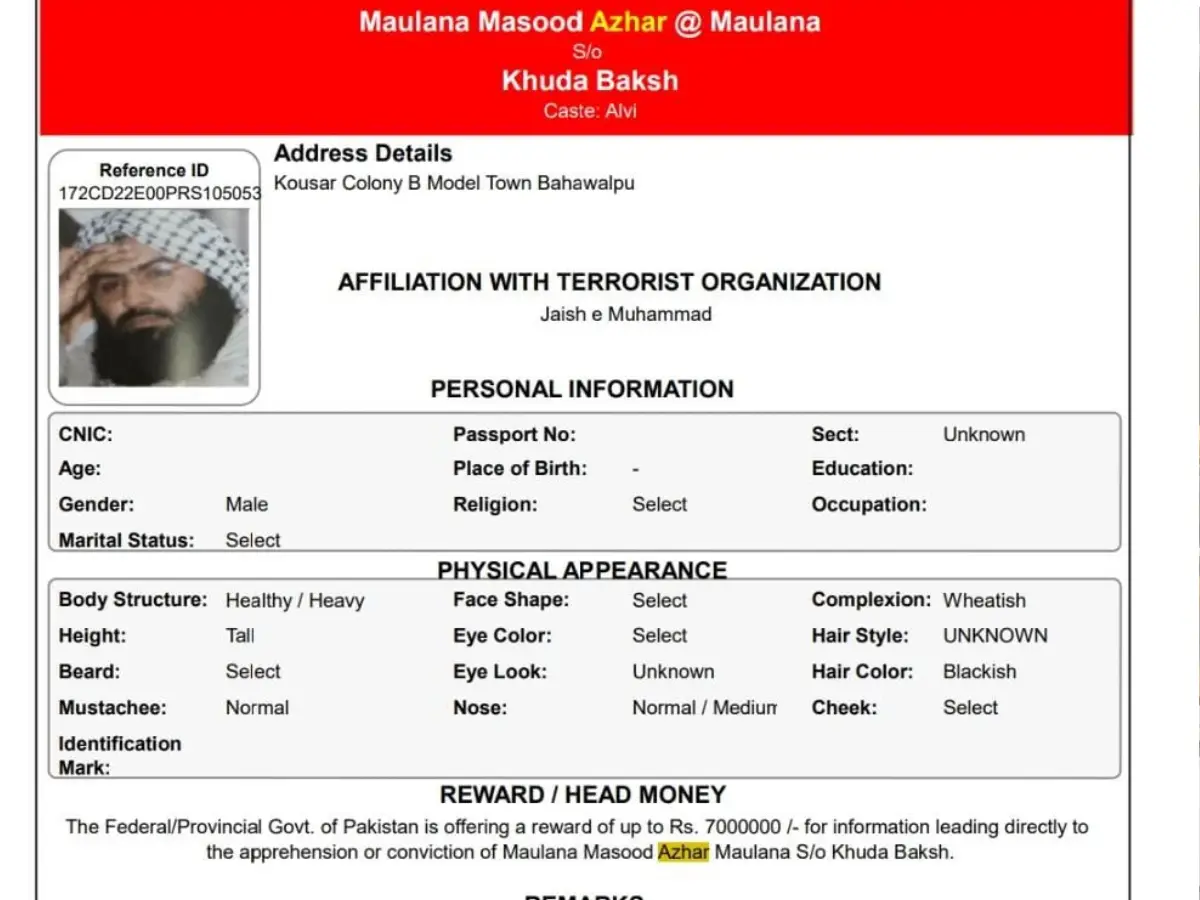)
Pakistan puts Pak Rs 70 lakh bounty on UN terrorist Masood Azhar; move draws skepticism in Delhi
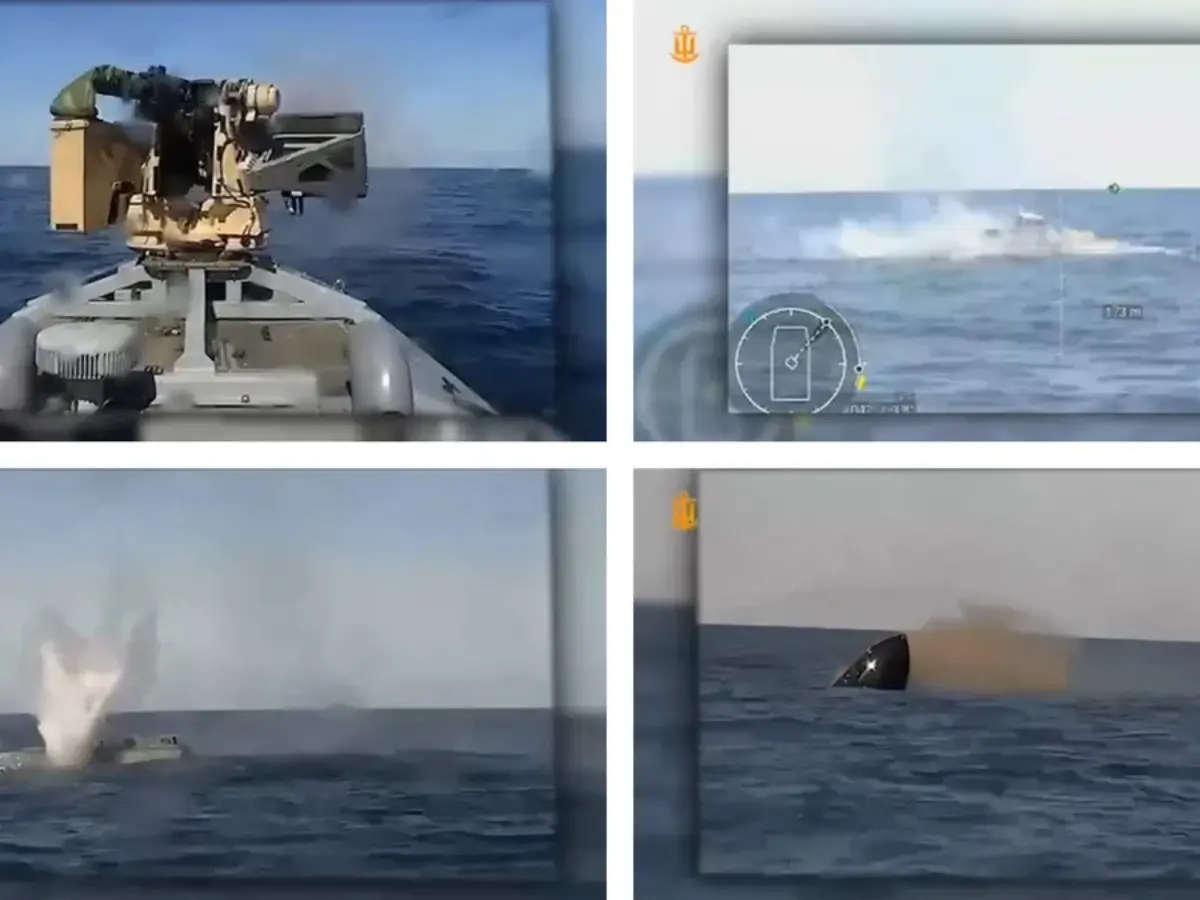)
First naval drone battle? Ukraine says Sargan 3000 sank Russian unmanned boat
)
Practical Magic 2 breaks Spidey spell over North American box office
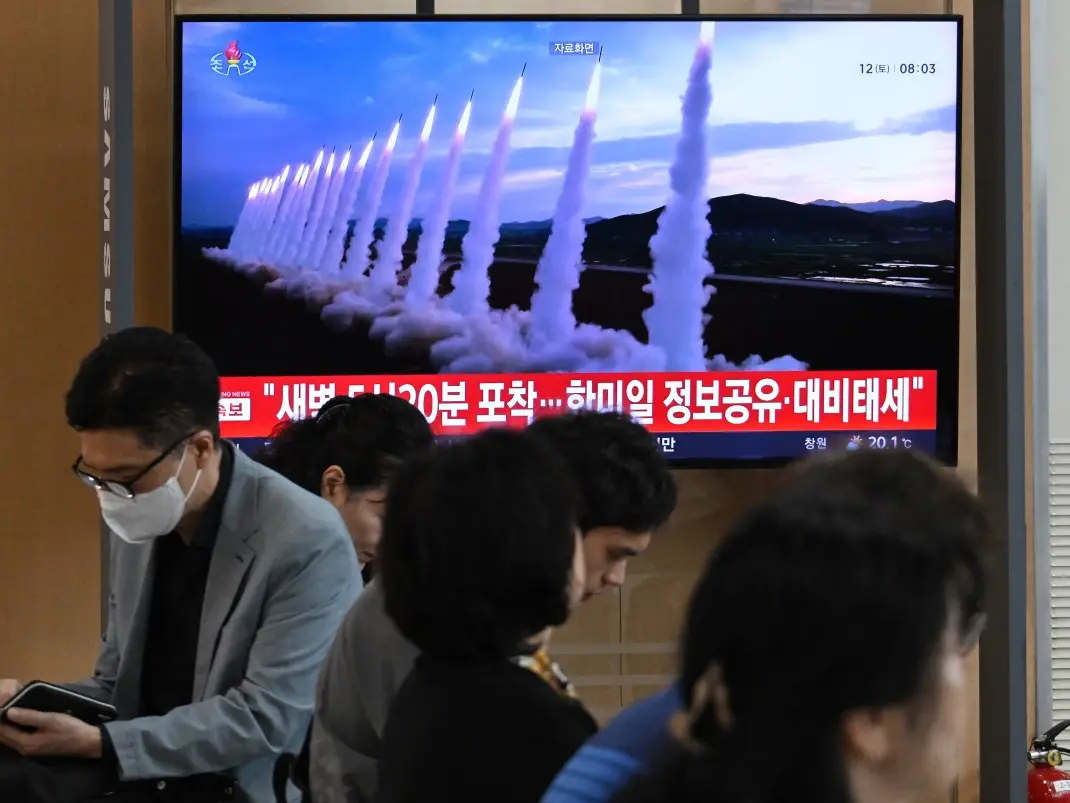)
'Huge destructive power': North Korea calls its latest missile launches 'live-fire drill' even as US dismisses 'immediate threat'
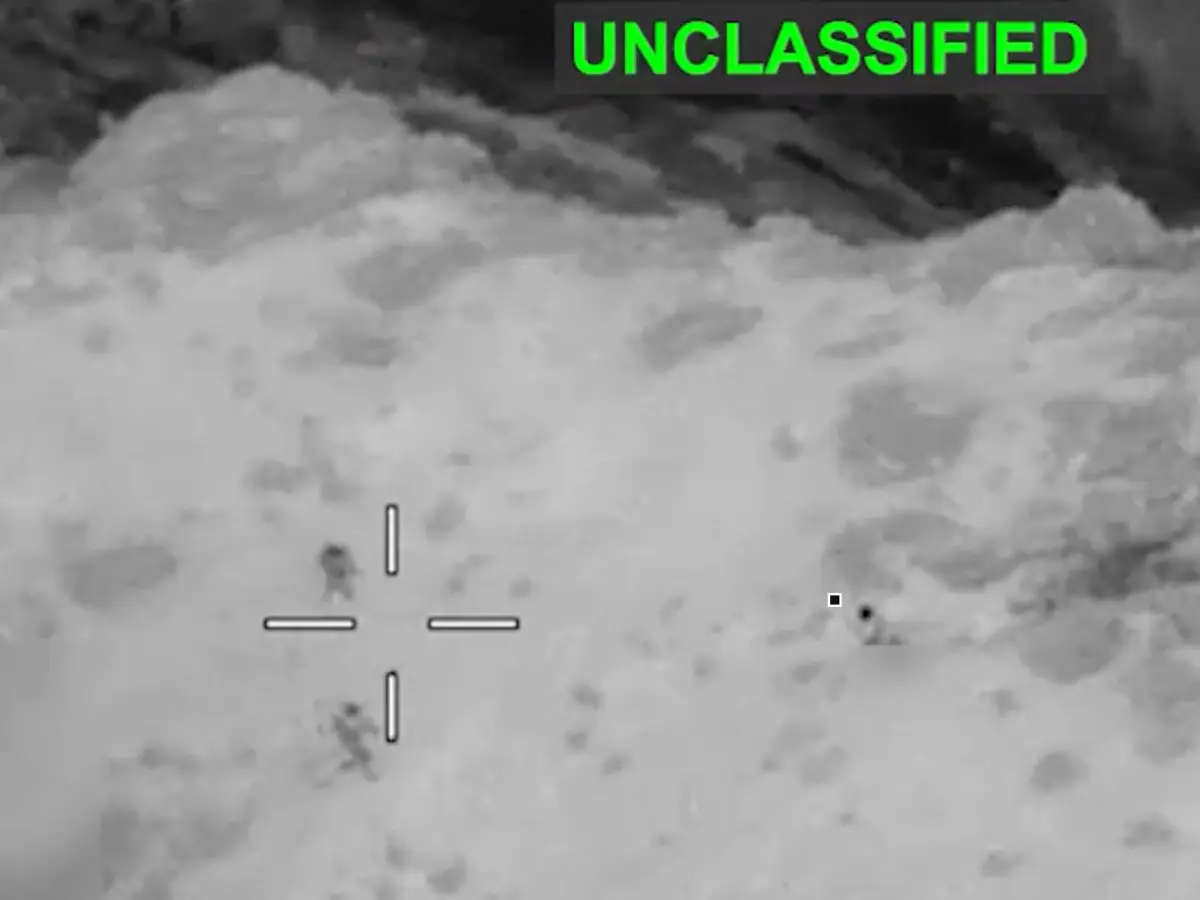)
‘Let’s go’: Newly declassified videos show dramatic rescue of US Air Force officers downed in Iran
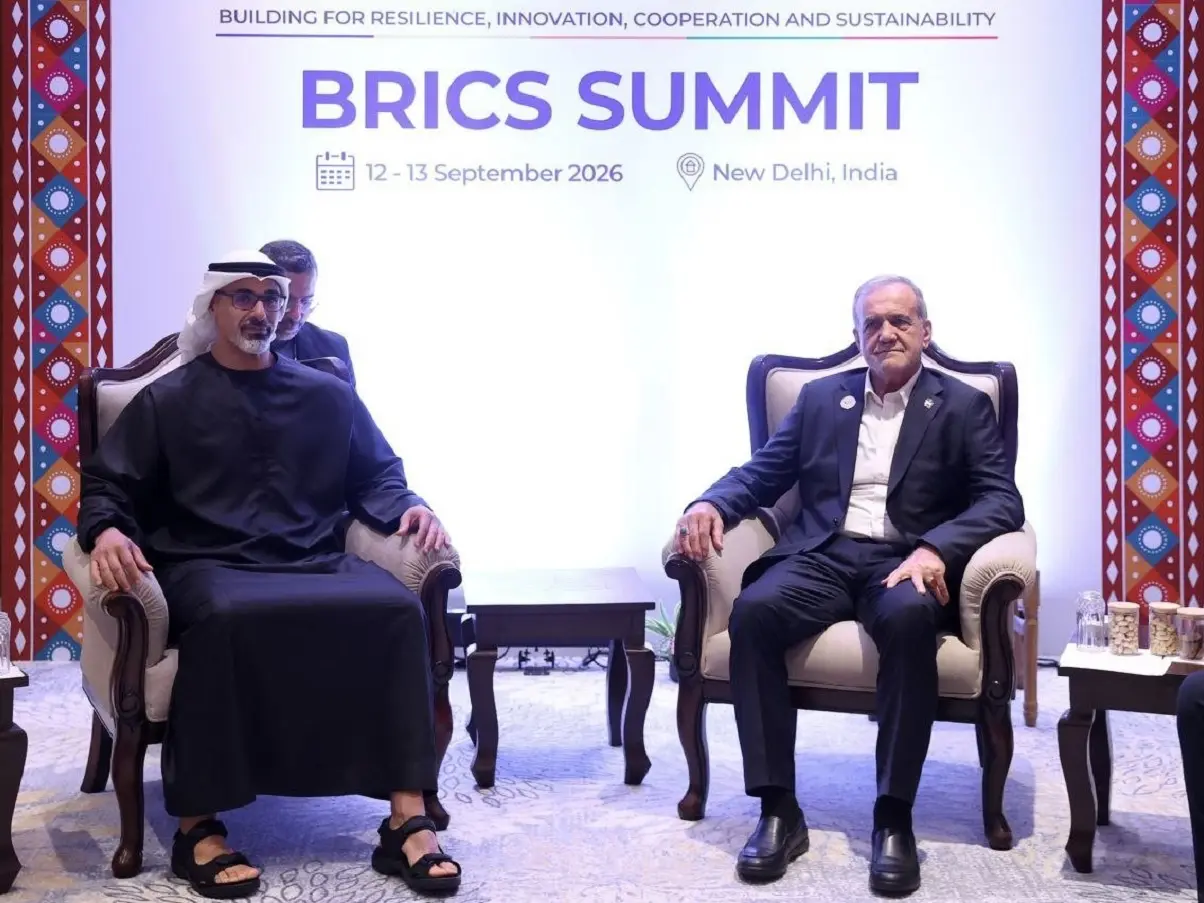)
Delhi’s balancing act: BRICS serves as a stage for West Asia diplomacy
&im=FitAndFill=(700,400))
Why European Meteor missiles use ramjet engines compared to standard US solid rockets
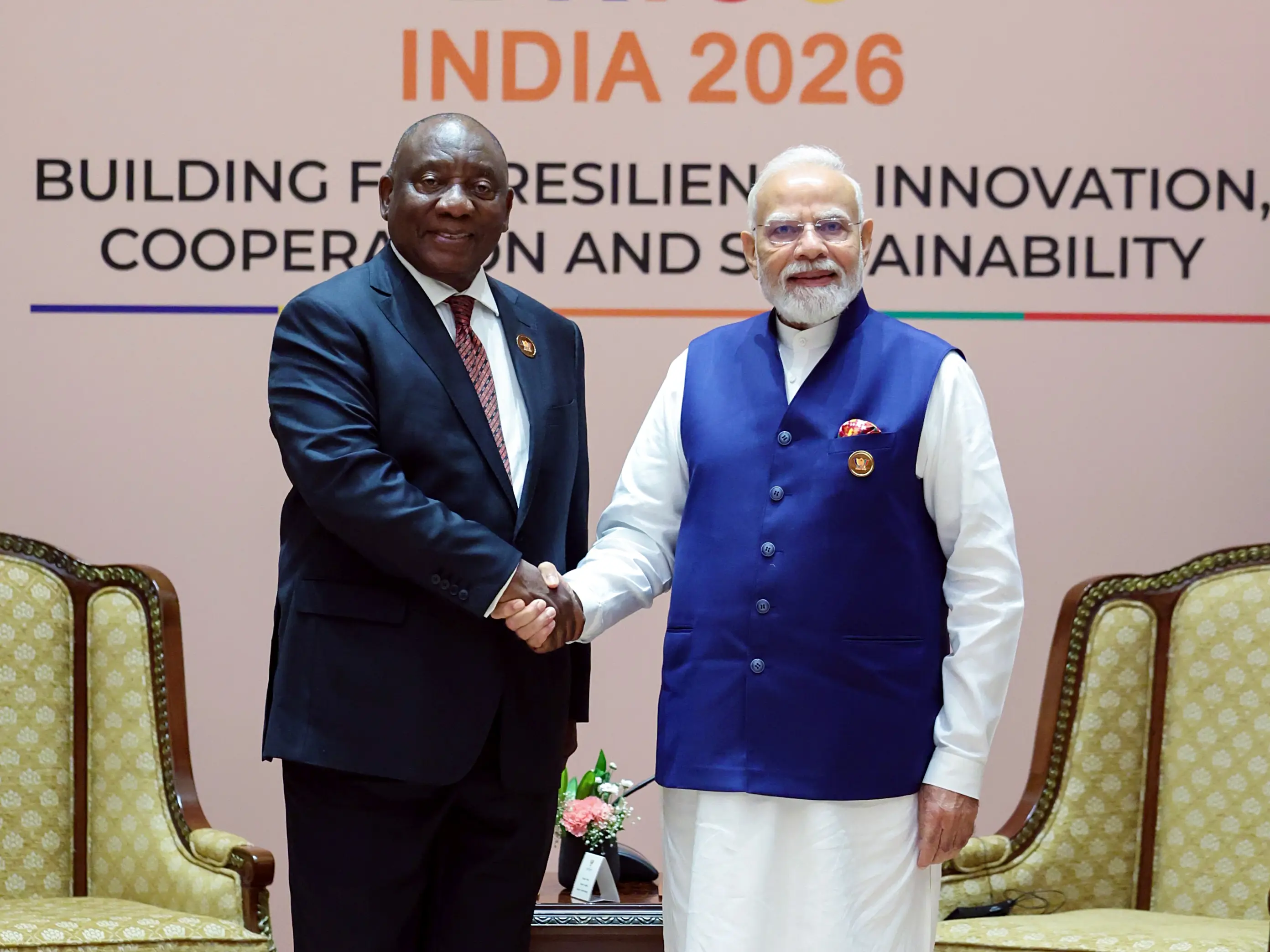)
‘India did extremely well’: South African President Cyril Ramaphosa praises BRICS leadership
)
Iran, India agree to deepen humanitarian and political ties, President Pezeshkian says
)
‘Want to reset ties with India, have engagement based on mutual interests,’ says Bangladesh minister
)
Trump says Canada eager to reach a deal, it could come ‘fairly soon’ if Ottawa treats US farmers better
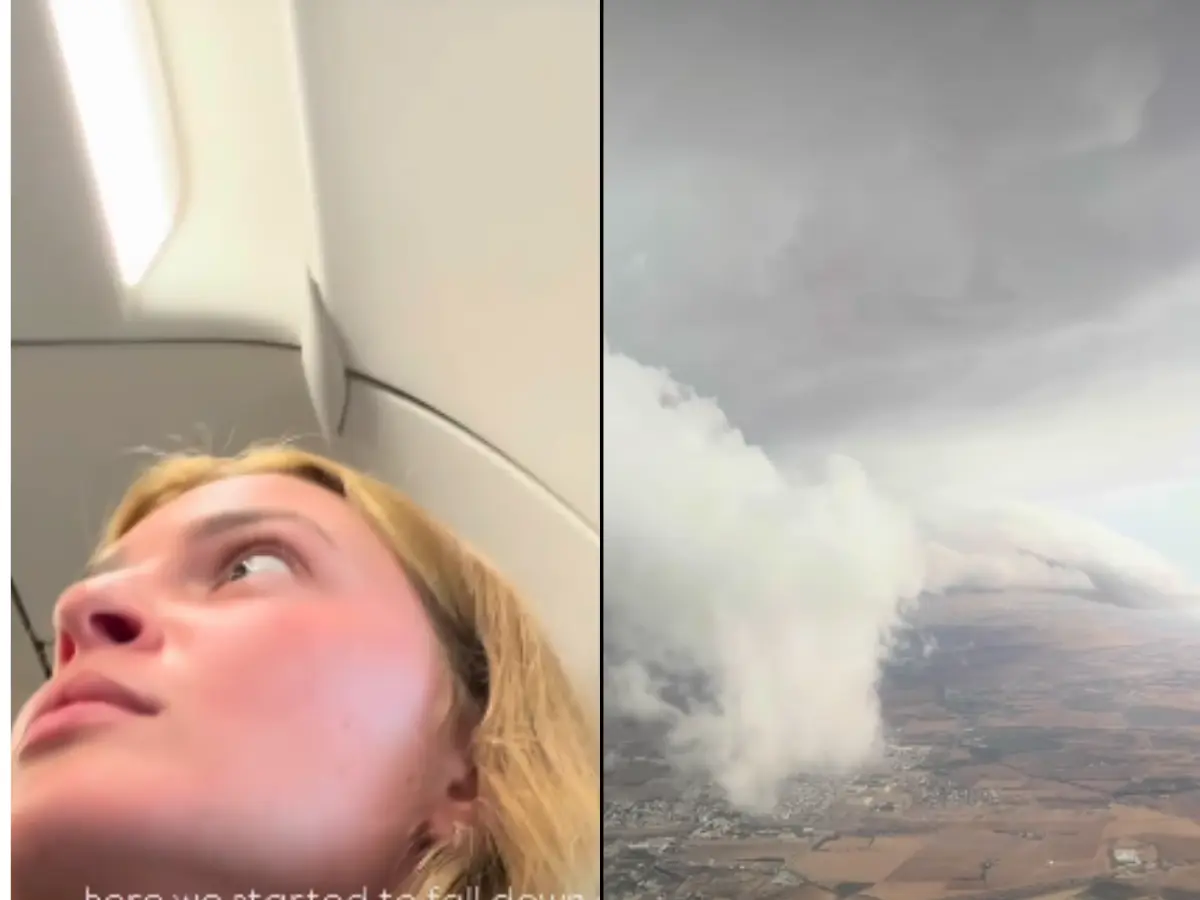)
Turkish Airlines plane flies through a storm three times, triggering severe turbulence
&im=FitAndFill=(700,400))
Why Chinese PL-15 air-to-air missiles use dual-pulse motors compared to European interceptors
)
China thinned Himalayan troop presence in 2025, India defence report says; terms border situation 'stable'
)
800 million years old - Scientists discover 'fingerprints' of supercontinent Gondwana in ancient rocks
)
Russia proposes to build 360 kmph Ivolga FG trains in India: What happened on sidelines of BRICS
)
Israeli minister calls to strip Gaza film directors of citizenship
)
China discovers vast gold and silver 'mine' in the Pacific with unheard-of deposits
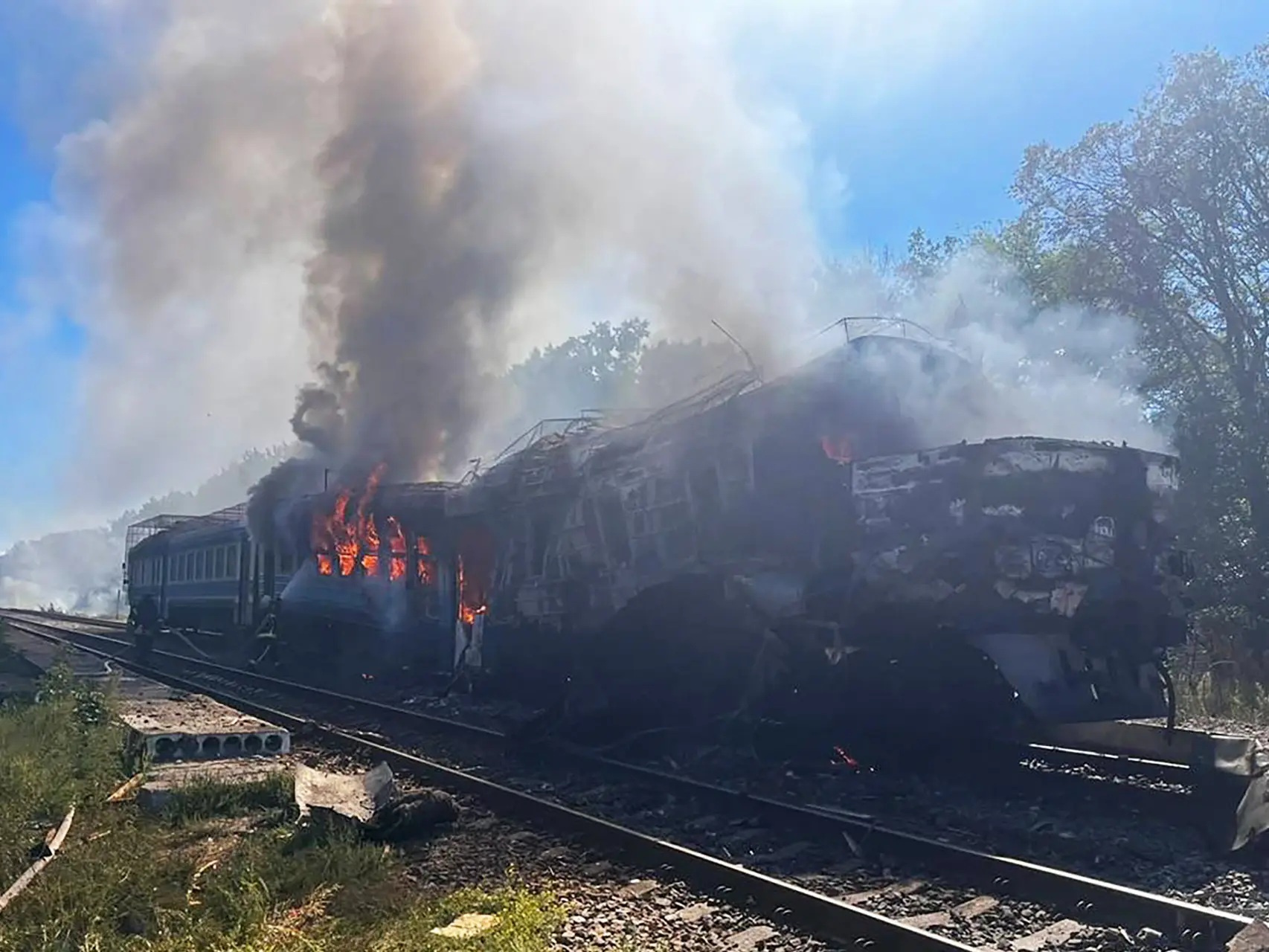)
Russian drone hits Warsaw-bound train near Polish border, Zelensky accuses Moscow of ‘deliberate’ targeting
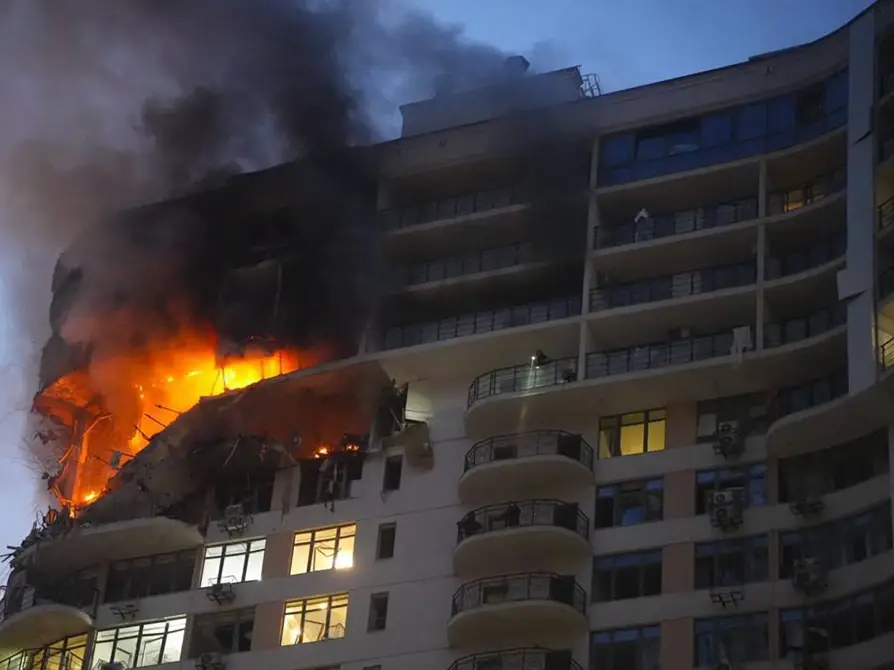)
War is making Russia stronger? How Ukraine is shaping Moscow’s next generation of weapons
)
Plane carrying prominent figure crashes at Libya’s Misrata airport: Report
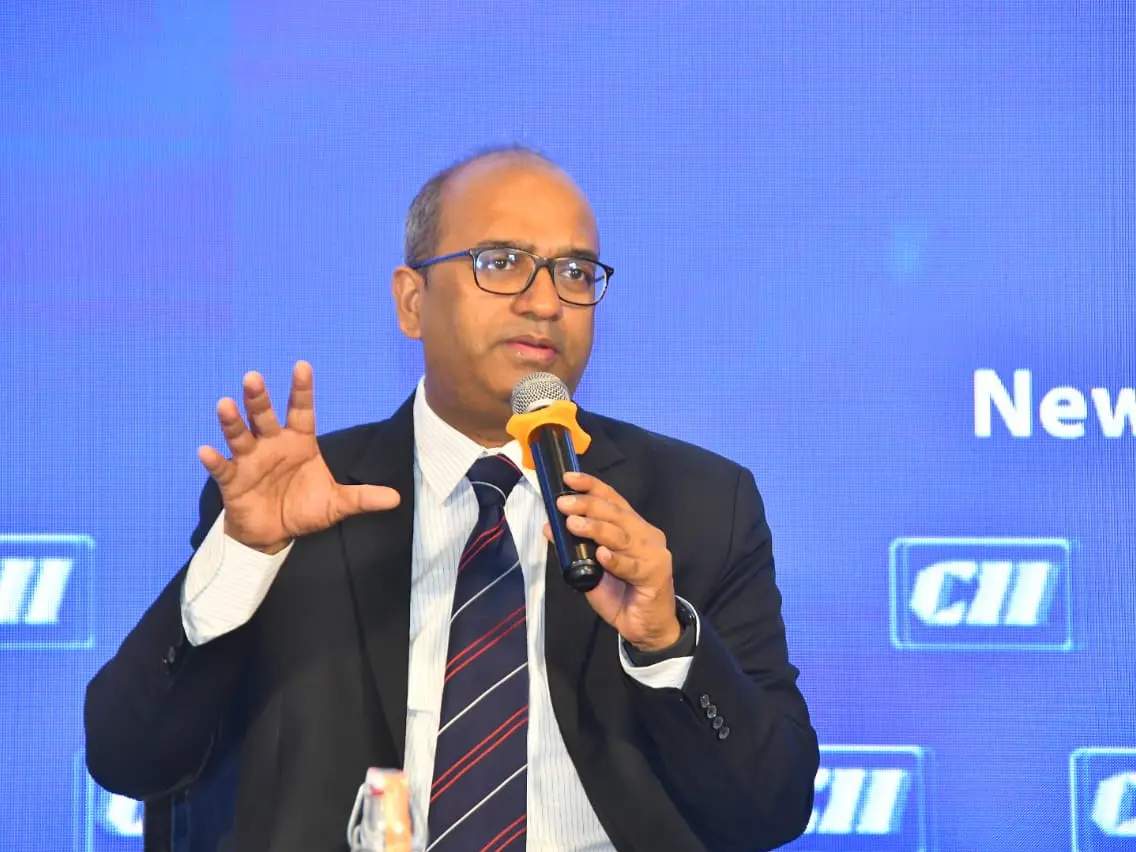)
NEET-UG to move to computer-based test soon, NTA DG says ‘CBT is the future’
)
Woman removes all her clothes on American Airlines flight, performs 'indecent acts'; arrested
)
Liam Neeson sparks romance rumours after holding hands with Stella Stocker at TIFF 2026
&im=FitAndFill=(700,400))
New OTT releases this week (September 14-20, 2026): Lust Stories 3, Waiting Hai, Irumudi- 5 new titles coming on Netflix, Prime Video and more
)
Indian importers urge Bangladesh to lift export ban on 'Hilsa' fish ahead of Durga Puja
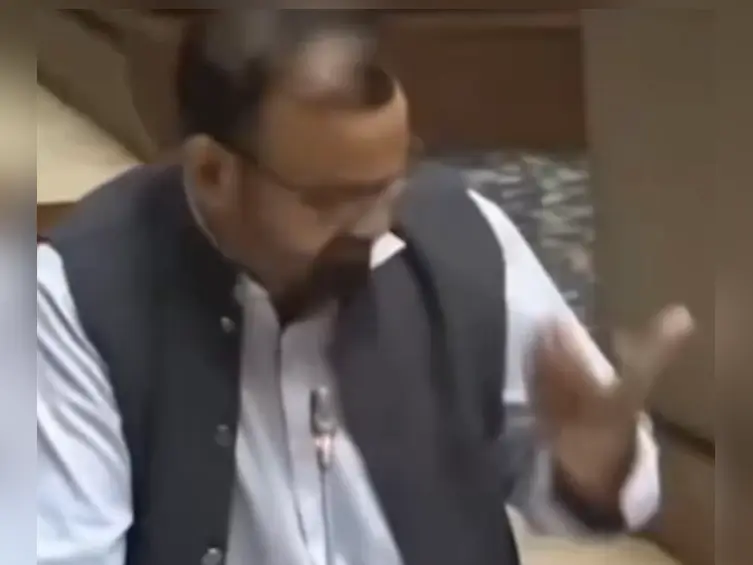)
Video of Pakistani lawmaker struggling to read English tribute to Jinnah goes viral - WATCH
)
Did China give Iran intel before US base strike that killed 3 troops? Trump says, 'You’re right...'
)
Meghan Markle shares first glimpse of family life with Prince Harry and children in UK
)
Crude oil prices jump more than $107 per barrel following Houthi attacks on Saudi
)
PM Modi and China's Xi offered to help resolve Russia-Ukraine war: Kremlin
)
Women's Asia Cup 2026: India denied trophy once again despite winning the title
)
Humans may lose control of AI: Anthropic CEO calls for slowdown, Altman, Musk back him
"So far, we can only make predictions about earlier stages of the universe using a benchmark called the cosmic microwave background. The Dark Ages Signal would provide a new benchmark," Brookhaven physicist Anže Slosar said in a statement. "And if predictions based on each benchmark don't match, that means we've discovered new physics."
But LuSEE-Night will just be the first step in a larger mission since a pathfinder cannot gather all relevant data by itself. The whole mission in itself might end up answering bigger cosmic questions such as, what is the nature of dark energy and more about the creation of the universe, the scientists said.
Why the far side of the moon?
Scientists explain that the far side of the moon offers the best environment to study such signals and radio waves because of the unimaginable silence it offers. Earth has an extremely noisy environment due to the constant radio signals emanating from satellites. However, the far side of the moon, while being quiet, also presents several challenges.
The far side of the moon faces away from us in the night sky. The temperature here fluctuates between 121 and minus 173 degree Celsius. It also has a day/night cycle, with each phase lasting 14 days. So LuSEE-Night will have to be designed keeping all this in mind. It needs to withstand the non-stop lunar-day sun and be able to stay powered for two weeks when it will be just cold darkness on the far side.
(With inputs from agencies)
WATCH WION LIVE HERE
You can now write for wionews.com and be a part of the community. Share your stories and opinions with us here.

