Study challenges existence of 'Beer Goggles' phenomenon, says alcohol doesn't enhance perceived attractiveness

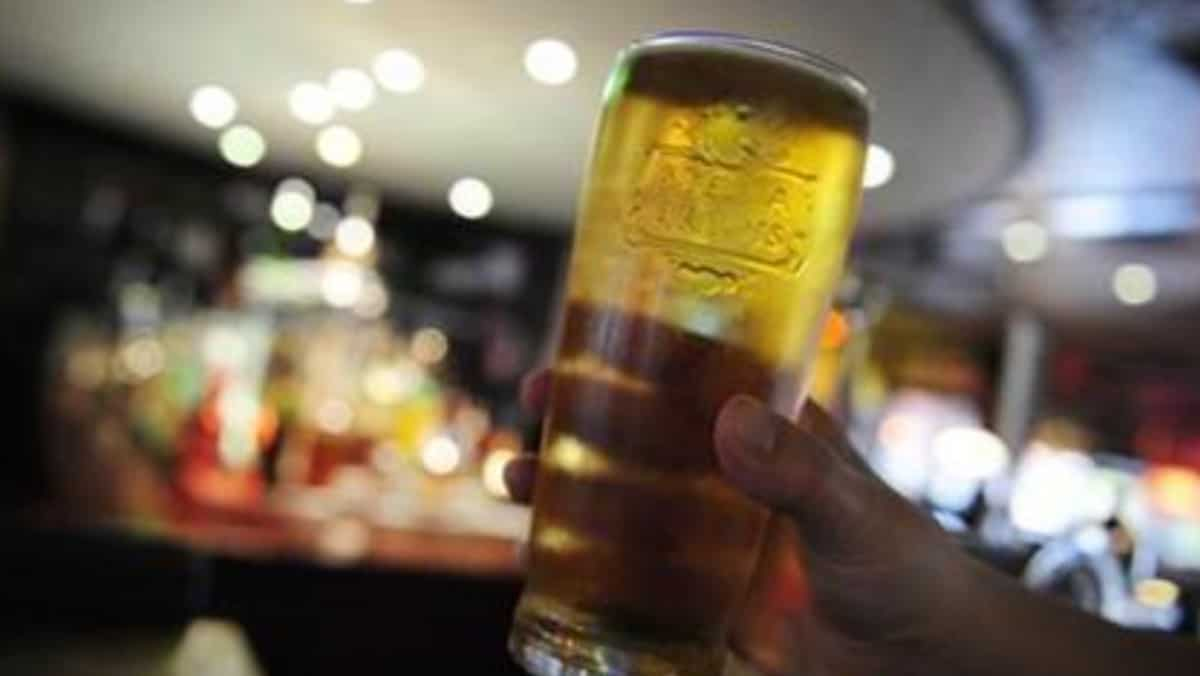
A pint of beer
A long-standing belief that alcohol could influence people's perception of physical attractiveness, commonly referred to as the "beer goggles" effect, has been debunked by a recent study.
Contrary to the popular notion that alcohol enhances the appeal of others, researchers found that alcohol did not significantly alter participants' perceptions of attractiveness. However, the study did unveil an interesting twist - alcohol seemed to provide a boost of "liquid courage," increasing the willingness to engage with attractive individuals.
Originof 'Beer Goggles'

The concept of "beer goggles" first emerged as a colloquial term among male North American university students in the 1980s.
Despite its casual popularity, there has been a lack of systematic research to validate the phenomenon. Past studies, which involved having participants rate attractiveness of others in sober and intoxicated states based on images, yielded mixed outcomes.
These inconsistencies prompted Prof Molly Bowdring from the Stanford Prevention Research Center in Palo Alto, California, to delve into the matter more comprehensively.
&imwidth=180&imheight=135&format=webp&quality=medium)
US-Iran war: Bibi, Trump gamble on new Iran war to save themselves in polls
&imwidth=180&imheight=135&format=webp&quality=medium)
US midterms 2026: What polls and prediction markets indicate about Congress
&imwidth=180&imheight=135&format=webp&quality=medium)
EU probes Booking.com under Digital Services Act
&imwidth=180&imheight=135&format=webp&quality=medium)
Feds obtain DNA evidence that could prove Ilhan Omar married her brother: Report
&imwidth=180&imheight=135&format=webp&quality=medium)
Meta slapped with $25 billion fine in New Mexico over Facebook data practices, company plans appeal
&imwidth=180&imheight=135&format=webp&quality=medium)
Pakistan signs another defence pact even as Makkah Alliance shows no teeth. This time, it's with Qatar, Indonesia, Turkey
&imwidth=180&imheight=135&format=webp&quality=medium)
Viral video shows cross falling on Colombia priest, no official confirmation | WATCH
&imwidth=180&imheight=135&format=webp&quality=medium)
Priyanka Chopra celebrates Dussehra 2026 with Nick Jonas and daughter Malti Marie | See pics
&imwidth=180&imheight=135&format=webp&quality=medium)
China's dancing robot turns violent bodyguard, lifts cars and fights intruders - Watch
&im=FitAndFill=(700,400)&imwidth=180&imheight=135&format=webp&quality=medium)
New OTT releases this week (October 19-25, 2026): Gajab Raat to Chaar Yaar-8 titles to watch during Dussehra week on Netflix, Prime Video and more
&imwidth=180&imheight=135&format=webp&quality=medium)
16-foot doomsday fish in Chile triggers fears that the next earthquake is coming
&imwidth=180&imheight=135&format=webp&quality=medium)
Will Rohit and Kohli play ODI World Cup 2027? BCCI president Manhas says board 'not in a position to comment'
&imwidth=180&imheight=135&format=webp&quality=medium)
Australia police arrest former national 100m champ Jake Doran for alleged child abuse
&imwidth=180&imheight=135&format=webp&quality=medium)
Ranbir Kapoor apologises for Dussehra speech slip, clarifies remark at Ramayana event
&imwidth=180&imheight=135&format=webp&quality=medium)
From Agni-V to Project Kusha: How are India’s indigenous missile systems and defence shield reshaping modern warfare
&imwidth=180&imheight=135&format=webp&quality=medium)
US Midterms 2026 and money: From Bloomberg to Musk, corporate donors, super PACs and lobbies, it's all about the cash
&imwidth=180&imheight=135&format=webp&quality=medium)
WATCH | Mysterious haze grips Ohio city as toxic chemical leak forces mass evacuation – What is happening?
&imwidth=180&imheight=135&format=webp&quality=medium)
US midterms 2026: Trump's approval rating hits record low as Democrats gain ground
&imwidth=180&imheight=135&format=webp&quality=medium)
Kolkata airport: CISF detects ₹1.13 crore in US dollars hidden in bags of 2 Bangkok-bound passengers
&imwidth=180&imheight=135&format=webp&quality=medium)
'Gyanu must go': CJP's Saurav Das, Ashutosh Ranka after release, despite Jantar Mantar protest undertaking
&imwidth=180&imheight=135&format=webp&quality=medium)
Finance influencer dies by suicide in Chennai; father accuses tech CEO, who denies charge
&imwidth=180&imheight=135&format=webp&quality=medium)
'Bombed the Vidhana Soudha': Bihar man arrested over AI-generated Bengaluru blast video; netizens slam 'zero freedom of speech' | Watch
&imwidth=180&imheight=135&format=webp&quality=medium)
Why websites around the world are suddenly going offline? What you need to know about PHP
&imwidth=180&imheight=135&format=webp&quality=medium)
Rafale Marine fighter begins flight trials in Goa ahead of Indian Navy induction
&imwidth=180&imheight=135&format=webp&quality=medium)
'You are a dummy, you are a stupid person': Trump loses temper with CNN, ABC reporters after questions about Russia sanctions
&imwidth=180&imheight=135&format=webp&quality=medium)
1 killed, several injured in attack on Saudi Arabia's King Fahd airport
&imwidth=180&imheight=135&format=webp&quality=medium)
Hunger makes alcohol more appealing, study finds
&imwidth=180&imheight=135&format=webp&quality=medium)
Kim Jong Un death rumors explode | China accused of secretly sending troops to Pyongyang
&imwidth=180&imheight=135&format=webp&quality=medium)
WATCH: Woman IPS officer fires several rounds of AK-47, ignites debate online
&imwidth=180&imheight=135&format=webp&quality=medium)
Are the US and Israel preparing for another major attack on Iran? Here's what report claims
&imwidth=180&imheight=135&format=webp&quality=medium)
'Father of all bombs' vs 'mother of all bombs': Iran threatens US with new weapon as Trump hints at MOAB strike
&imwidth=180&imheight=135&format=webp&quality=medium)
‘I caution the president...’: Trump’s ex-press secretary warns after Zacharia’s exit
Also Read | England to become first country to offer seven-minute cancer treatment jab
Study
Prof Bowdring, along with Prof Michael Sayette from the University of Pittsburgh, invited pairs of male friends into their laboratory for the study. The pairs were asked to rate the attractiveness of individuals in photos and videos.
One session involved alcohol consumption, raising participants' blood alcohol concentration to approximately 0.08% – equivalent to the legal driving limit in several countries. The other session featured non-alcoholic beverages.
Also Read | Guatemala president-elect's party appeals for annulment of its suspension
Surprisingly, the study results did not support the notion of alcohol heightening perceptions of attractiveness. However, the researchers observed that intoxicated participants were 1.71 times more likely to choose the individuals they deemed most attractive for potential interaction in future experiments.
'Liquid courage'vs. 'Beer goggles'
Rebecca Monk, a psychology professor at Edge Hill University, noted that while the traditional "beer goggles" effect wasn't confirmed, the study highlighted the phenomenon of "liquid courage." This term describes the increased confidence alcohol can provide, leading individuals to express interest in interacting with attractive others.
Watch | Russia: Private funeral held for late Wagner Chief Prigozhin
The implications of this study extend beyond dispelling a popular belief. The findings shed light on alcohol's role in influencing social behaviors, particularly those involving interactions with attractive individuals. The researcherssuggest that understanding these effects can provide insights into the complex interplay between alcohol consumption and risky behaviors, such as engaging in unsafe sexual activities.
WATCH WION LIVE HERE You can now write for wionews.com and be a part of the community. Share your stories and opinions with us here.