Scientists create cell in a lab, say it can 'feed, grow and replicate'

&imwidth=600&imheight=450&format=webp&quality=medium "Scientists create cell in a lab, say it can 'feed, grow and replicate'")
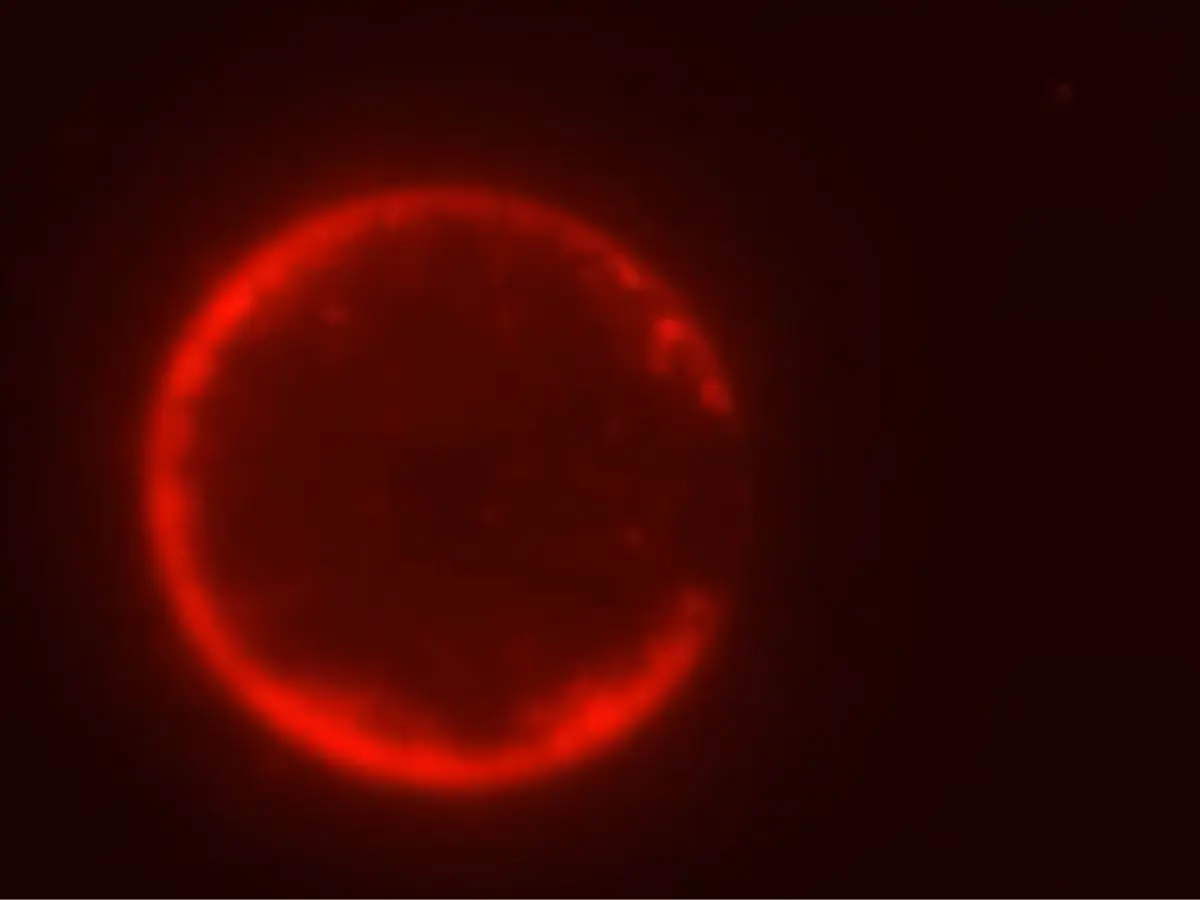
A synthetic cell that can reproduce and grow has been made under a project known as SpudCell. Photograph: (Orion Venero/Adamala Lab)
Cell birth is a biological process, but scientists have managed to create one in a chemistry lab. A project called SpudCell has built the first cell from scratch and claims that it can feed, grow and replicate like a natural cell.
Scientists have created a synthetic cell for the first time and even seen it reproduce. Researchers from the University of Minnesota said that it was made entirely from scratch, using chemistry to replicate what could only happen in biology. Study co-lead, synthetic biologist Kate Adamala, said their work shows that "the most fundamental functions of life do not need a mysterious magical spark." She added that even though it is a fragile prototype, it could help scientists understand the origins of life better. Its biggest potential is that it could be programmed to help address some of the world’s biggest biological problems.
“I know the full ingredient list of the cell; I know exactly what chemicals, what molecules at what concentrations,” she said. “It is fully defined, which means we can engineer it.” The study has neither been published in a journal nor peer-reviewed. It was shared on the website of Biotic, a new nonprofit bioengineering institution Adamala is associated with.
This was done as part of a project called SpudCell. It has a genome of just 90 kilobase pairs (kbp), as compared to about 3 million kpb human genome. Biologists have always assumed that a living cell requires at least 113 kpb of genetic data to function properly. Adamala and her team claim that their project has stretched these limits.
Results left the researchers shocked
Adamala told ScienceAlert that she was shocked to see the results and a bit suspicious. "I was very happy, relieved...I'm always double- and triple-checking results," she said, adding that "by the time all the controls and their controls and additional controls were done, it wasn't a surprise anymore."
Trending Stories
&im=FitAndFill=(700,400)&imwidth=280&imheight=210&format=webp&quality=medium)
&imwidth=280&imheight=210&format=webp&quality=medium)
&imwidth=280&imheight=210&format=webp&quality=medium)
&imwidth=280&imheight=210&format=webp&quality=medium)
&imwidth=280&imheight=210&format=webp&quality=medium)
&imwidth=280&imheight=210&format=webp&quality=medium)
&imwidth=280&imheight=210&format=webp&quality=medium)
&imwidth=280&imheight=210&format=webp&quality=medium)
&imwidth=280&imheight=210&format=webp&quality=medium)
&imwidth=280&imheight=210&format=webp&quality=medium)
&imwidth=280&imheight=210&format=webp&quality=medium)
&imwidth=280&imheight=210&format=webp&quality=medium)
&imwidth=280&imheight=210&format=webp&quality=medium)
&im=FitAndFill=(700,400)&imwidth=280&imheight=210&format=webp&quality=medium)
&imwidth=280&imheight=210&format=webp&quality=medium)
&imwidth=280&imheight=210&format=webp&quality=medium)
&imwidth=280&imheight=210&format=webp&quality=medium)
&imwidth=280&imheight=210&format=webp&quality=medium)
&imwidth=280&imheight=210&format=webp&quality=medium)
&imwidth=280&imheight=210&format=webp&quality=medium)
&im=FitAndFill=(700,400)&imwidth=280&imheight=210&format=webp&quality=medium)
&imwidth=280&imheight=210&format=webp&quality=medium)
&imwidth=280&imheight=210&format=webp&quality=medium)
&imwidth=280&imheight=210&format=webp&quality=medium)
&im=FitAndFill=(700,400)&imwidth=280&imheight=210&format=webp&quality=medium)
&imwidth=280&imheight=210&format=webp&quality=medium)
&imwidth=280&imheight=210&format=webp&quality=medium)
&imwidth=280&imheight=210&format=webp&quality=medium)
&imwidth=280&imheight=210&format=webp&quality=medium)
&imwidth=280&imheight=210&format=webp&quality=medium)
&imwidth=280&imheight=210&format=webp&quality=medium)
&imwidth=280&imheight=210&format=webp&quality=medium)
&imwidth=280&imheight=210&format=webp&quality=medium)
&imwidth=280&imheight=210&format=webp&quality=medium)
&imwidth=280&imheight=210&format=webp&quality=medium)
Also Read: 4.4-million-year-old half human, half ape skeleton holds clues to mystery of humans walking on land
The publishing of the study is reportedly being blocked by a reviewer at the science journal Cell because he thinks it is not real biology. Even though Adamala and her team claim that the cell can feed, grow and replicate like a natural cell, SpudCell isn't exactly real "life" since it can't replicate itself over many generations. "SpudCell doesn't look like much if you're grading it on the scale of natural biological systems: it's a very slow growth and replication cycle, and high-demand metabolism," she said.
The researchers claim that the SpudCell system is capable of "selection, genome replication, growth, resource acquisition via feeding, and genetically encoded division." Adamala added that SpudCell is “an incredibly wimpy organism that right now basically does nothing other than to eat and occasionally make a daughter cell.”

