Precision in motion: How technology is shaping orthopaedic surgery?

&imwidth=600&imheight=450&format=webp&quality=medium "Precision in motion: How technology is shaping orthopaedic surgery?")
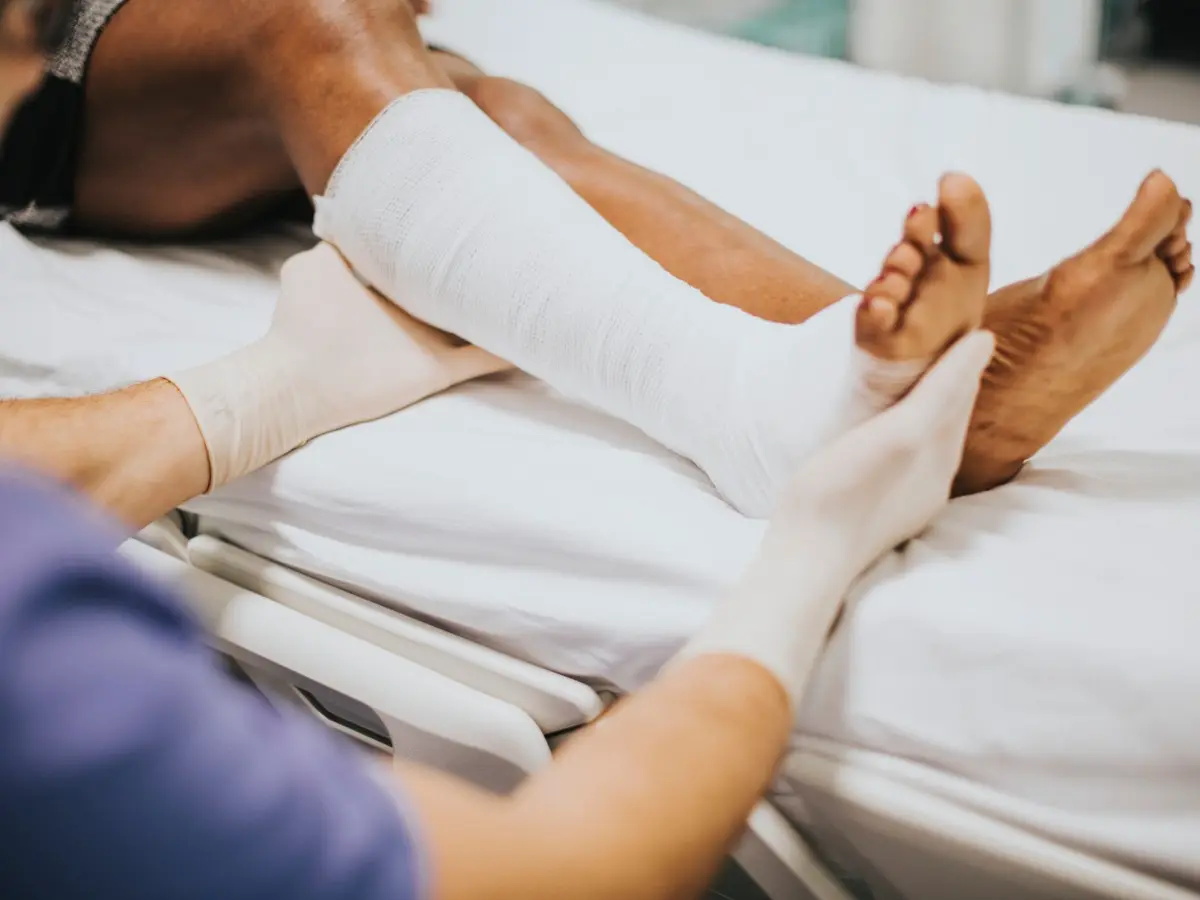
Representative image. Photograph: (Magnific)
Orthopaedic surgery has evolved tremendously, with technology being one of the biggest drivers of the change. Irrespective of arthritis treatments, sports injuries, or complex joint conditions, technological tools allow doctors to plan and perform procedures with a level of precision.
Working alongside surgical skill, Orthopaedic surgery has entered a new era with the advancement of technology, making the complex process simpler and more precise. The technology has transformed orthopaedic surgery by delivering sub-millimetre precision, highly personalised care, and faster recovery times for patients.
Key technologies that are shaping the orthopaedic field are Robotic-assisted systems, 3D printing, augmented reality (AR) and artificial intelligence (AI). In the case of Robotic-assisted surgery, the Mako Robotic Arm allows surgeons to execute joint replacements with exact bone cuts, matching pre-planned 3D models. Navigation systems in the field also provide real-time feedback during procedures, reducing guesswork in implant alignment and positioning.
On the other hand, 3D printing has also transformed pre-surgical planning, allowing custom implants and patient-specific guides tailored to individual bone structures. Meanwhile, artificial intelligence is increasingly used to analyse imaging data, predict surgical outcomes, and personalise recovery protocols based on patient-specific factors.
Technology allows precision surgery
With the rise in technology over the last decade, Dr Sujit Narayan, MBBS, D. Ortho, FIMS, AO (Trauma), Sr. Consultant Orthopaedics, Joint Replacement and Spine Surgeon, Yatharth Super Speciality Hospitals, stated that with the advent of time, Orthopaedic surgery has evolved tremendously, with technology being one of the biggest drivers of the change. Irrespective of arthritis treatments, sports injuries, or complex joint conditions, the technological tools allow doctors to plan and perform procedures with a level of precision that was not possible before.
Trending Stories
&imwidth=280&imheight=210&format=webp&quality=medium)
&im=FitAndFill=(700,400)&imwidth=280&imheight=210&format=webp&quality=medium)
&im=FitAndFill=(700,400)&imwidth=280&imheight=210&format=webp&quality=medium)
&imwidth=280&imheight=210&format=webp&quality=medium)
&imwidth=280&imheight=210&format=webp&quality=medium)
&imwidth=280&imheight=210&format=webp&quality=medium)
&imwidth=280&imheight=210&format=webp&quality=medium)
&imwidth=280&imheight=210&format=webp&quality=medium)
&imwidth=280&imheight=210&format=webp&quality=medium)
&imwidth=280&imheight=210&format=webp&quality=medium)
&imwidth=280&imheight=210&format=webp&quality=medium)
&imwidth=280&imheight=210&format=webp&quality=medium)
&imwidth=280&imheight=210&format=webp&quality=medium)
&imwidth=280&imheight=210&format=webp&quality=medium)
&imwidth=280&imheight=210&format=webp&quality=medium)
&imwidth=280&imheight=210&format=webp&quality=medium)
&imwidth=280&imheight=210&format=webp&quality=medium)
&imwidth=280&imheight=210&format=webp&quality=medium)
&imwidth=280&imheight=210&format=webp&quality=medium)
&imwidth=280&imheight=210&format=webp&quality=medium)
&imwidth=280&imheight=210&format=webp&quality=medium)
&im=FitAndFill=(700,400)&imwidth=280&imheight=210&format=webp&quality=medium)
&imwidth=280&imheight=210&format=webp&quality=medium)
&imwidth=280&imheight=210&format=webp&quality=medium)
&imwidth=280&imheight=210&format=webp&quality=medium)
&imwidth=280&imheight=210&format=webp&quality=medium)
&imwidth=280&imheight=210&format=webp&quality=medium)
&imwidth=280&imheight=210&format=webp&quality=medium)
&imwidth=280&imheight=210&format=webp&quality=medium)
&imwidth=280&imheight=210&format=webp&quality=medium)
&imwidth=280&imheight=210&format=webp&quality=medium)
&imwidth=280&imheight=210&format=webp&quality=medium)
&imwidth=280&imheight=210&format=webp&quality=medium)
"Technologies such as robotic-assisted surgery, advanced imaging, and digital surgical planning help us better understand each patient's anatomy and tailor treatment accordingly. While the surgeon's experience remains central to achieving good outcomes, these innovations provide valuable support in the operating room. Ultimately, the goal is simple - to help patients recover faster, regain function, and return to the activities that matter most to them with greater confidence," Dr Narayan said.
Echoing similar points over the surgery, Dr Amit Sharma, MS Orthopaedics, Principal Director and Head, Speciality Unit of Joint Replacement, Arthroscopy and Sports Medicine, Yashoda Kaushambi and Yashoda Medicity, Ghaziabad, said, "One of the most exciting developments in orthopaedics has been the growing role of technology in helping us deliver more precise and personalised care. In orthopaedics, innovations such as robotic-assisted replacement surgeries and planning allow us to map procedures in detail before entering the operating room and execute them with enhanced accuracy. This is particularly valuable in joint replacement surgery, where precision can play an important role in restoring natural movement and long-term function. As these technologies continue to advance, they are helping us improve the surgical experience while keeping the focus on achieving the best possible outcomes for our patients and helping them get back to living active, pain-free lives."

