'Paraborgs': Scientists turn cyborg cockroaches to deliver emergency aid in disaster rubble

&imwidth=600&imheight=450&format=webp&quality=medium "'Paraborgs': Scientists turn cyborg cockroaches to deliver emergency aid in disaster rubble")
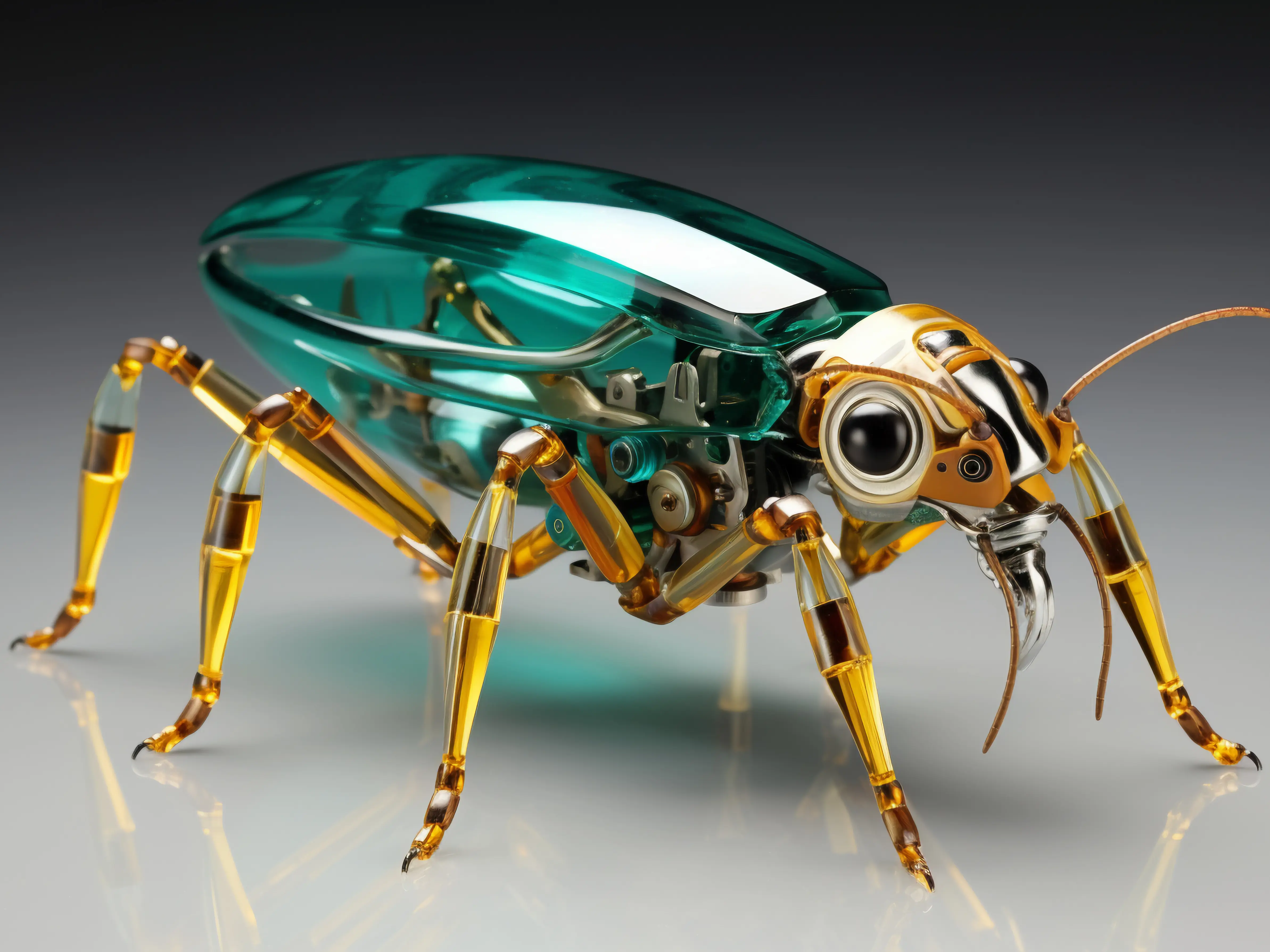
Image is used for representational purposes. Photograph: (Magnific)
For the study, researchers outfitted a species native to far north Queensland, the giant burrowing cockroach, with lightweight electronic components and onboard cameras, including custom-built, remotely triggered auto-injection systems designed specifically for the insect.
Biorobotics engineers have designed six-legged Cyborg cockroaches with cameras and miniature medical injectors for search-and-rescue missions of trapped people under rubble in an earthquake or similar disaster. The insects, which are designed to deliver emergency aid to people, can track or help rescuers to reach caves or other places that are too dangerous.
The “paraborgs” have been developed by University of Queensland biorobotics researchers at the University of New South Wales (UNSW) while working with biomedical engineers. UQ biorobotics engineer Thang Vo-Doan stated that their research turns the cyborg insect into a tiny first responder from a mobile sensor, while critical medical decisions remain under human control.
“Cyborg insects have been designed for search and explore missions for the past couple of decades,” Vo-Doan said. “We wanted to take the next step. Once they find someone, can they actually help?”
For the study, researchers outfitted a species native to far north Queensland, the giant burrowing cockroach (Macropanesthia rhinoceros), with lightweight electronic components and onboard cameras, along with custom-built, remotely triggered auto-injection systems designed specifically for the insect.
“Augmenting their natural biomechanics could allow these cyborg insects to deliver timely emergency assistance when direct access to people trapped in narrow, debris-filled spaces isn’t possible,” Vo-Doan said.
In proof-of-concept trials, the resulting "paraborgs" delivered injections successfully 95 per cent of the time when operating at close range (within 15cm of the target), while the full navigation-and-injection sequence succeeded in 72 per cent of attempts.
Trending Stories
&imwidth=280&imheight=210&format=webp&quality=medium)
&imwidth=280&imheight=210&format=webp&quality=medium)
&imwidth=280&imheight=210&format=webp&quality=medium)
&imwidth=280&imheight=210&format=webp&quality=medium)
&imwidth=280&imheight=210&format=webp&quality=medium)
&imwidth=280&imheight=210&format=webp&quality=medium)
&imwidth=280&imheight=210&format=webp&quality=medium)
&im=FitAndFill=(700,400)&imwidth=280&imheight=210&format=webp&quality=medium)
&imwidth=280&imheight=210&format=webp&quality=medium)
&imwidth=280&imheight=210&format=webp&quality=medium)
&imwidth=280&imheight=210&format=webp&quality=medium)
&imwidth=280&imheight=210&format=webp&quality=medium)
&imwidth=280&imheight=210&format=webp&quality=medium)
&imwidth=280&imheight=210&format=webp&quality=medium)
&imwidth=280&imheight=210&format=webp&quality=medium)
&imwidth=280&imheight=210&format=webp&quality=medium)
&imwidth=280&imheight=210&format=webp&quality=medium)
&imwidth=280&imheight=210&format=webp&quality=medium)
&imwidth=280&imheight=210&format=webp&quality=medium)
&im=FitAndFill=(700,400)&imwidth=280&imheight=210&format=webp&quality=medium)
&imwidth=280&imheight=210&format=webp&quality=medium)
&imwidth=280&imheight=210&format=webp&quality=medium)
&imwidth=280&imheight=210&format=webp&quality=medium)
&im=FitAndFill=(700,400)&imwidth=280&imheight=210&format=webp&quality=medium)
&imwidth=280&imheight=210&format=webp&quality=medium)
&imwidth=280&imheight=210&format=webp&quality=medium)
&imwidth=280&imheight=210&format=webp&quality=medium)
&imwidth=280&imheight=210&format=webp&quality=medium)
&imwidth=280&imheight=210&format=webp&quality=medium)
&imwidth=280&imheight=210&format=webp&quality=medium)
&imwidth=280&imheight=210&format=webp&quality=medium)
&imwidth=280&imheight=210&format=webp&quality=medium)
&imwidth=280&imheight=210&format=webp&quality=medium)
Precise positioning: The toughest engineering hurdles
According to PhD candidate Hai Nhan Le, precise positioning was among the toughest engineering hurdles the team faced. Le explained that the cyborg insect must navigate to its target, position itself with accuracy, and hold steady enough to complete the injection. “A lot of people might not like the sight of a giant cockroach scurrying towards them, but if you’re trapped in rubble or stuck in a cave and need help, it could make a real difference between life and death.”
The cockroaches, similar to the previous cyborg insect models of the team, are anaesthetised during electrode and microchip fitting, and live for as long as other cockroaches once the harnesses are removed. In response, the Fire and Rescue NSW Supt Tim Hassiotis stated that the technology could extend the reach of rescue teams.
“If cyborg insects can safely enter spaces we can’t, locate casualties and ultimately help deliver emergency care, they could become another valuable tool in the future of urban search and rescue,” he said. Vo-Doan confirmed that the longer-term vision was to put swarms of specialised cyborg insects along with individuals performing complementary roles. “Hopefully, within the next five to 10 years, we could see cyborg insect rescue teams deployed to help people in real emergencies,” he said.

