Don't miss Moon and Jupiter's meet-up in night sky!

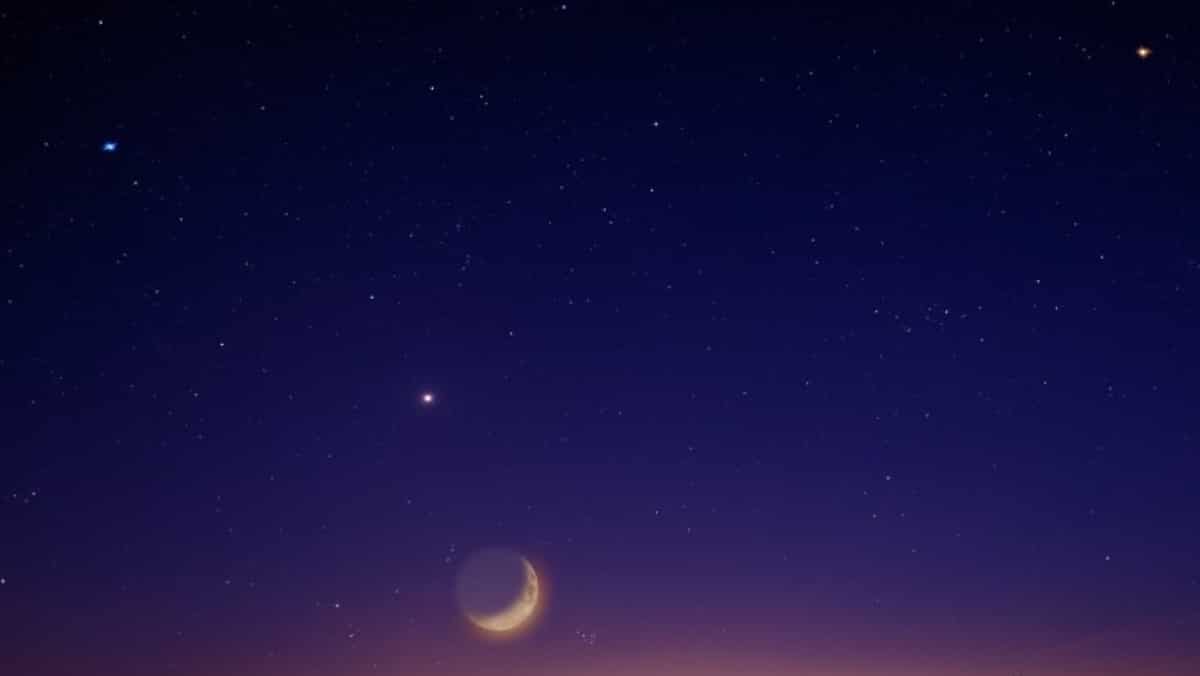
Image of moon with other celestial bodies (Pixabay)
An exciting celestial event is set to unfold as the Moon and Jupiter come together in the night sky on Monday (September 4). Both, the Earth's natural satellite and the largest planet in our solar system, will be up close and one can witness this too. As per Space.com, both the Moon and Jupiter will be situated within the Aries constellation during this close approach and conjunction. The Moon will be in its waning gibbous phase. At this phase, 64 per cent of its lunar surface will be bathed in sunlight. Meanwhile, Jupiter will be remarkably close to the Moon, within a mere 3-degree separation, which is roughly equivalent to the width of two fingers held at arm's length.
How can you watch?
From New York City, this cosmic rendezvous will be visible starting shortly after they rise above the eastern horizon at around 10 pm EDT (0200 GMT) and will continue until just before they dip below the horizon at approximately 11:52 am EDT (1552 GMT) on Tuesday (September 5). Jupiter will position itself just above and to the right of the moon during this event.

Conjunction
This celestial alignment not only marks a close approach but also a conjunction, where the two celestial bodies share the same celestial longitude in the sky, known as right ascension.
Also Read | Microsoft's WordPad, launched in 1995, set to be removed from Windows
)
What’s in a name? Trump’s 'Lake America' move gets a tit-for-tat response from Canada
)
Outrage erupts after 3-year-old is married to 60-year-old man in Pakistan, link to her sister's murder being probed
)
Trump gifts Xi a bald eagle sculpture at White House dinner: Here’s what it symbolises
)
‘Not just a local tragedy’: Nepal PM Shah warns UN of growing climate threat, says Nepal floods were 'a warning to the world'
)
Farhan, who went viral for AK47 celebration vs India in Asia Cup, hopes to lead Pakistan beyond Asian Games
)
CNN, Politico and MS NOW back in White House after judge blocks Trump’s media ban
Don't Be Shy movie review: A frothy coming-of-age tale that is too shy to experiment
)
Tesla is preparing something big for Optimus: new Gen 3 models surface in app
)
Bias or safety concerns? Bengaluru CEO says firm will not hire men from UP, Bihar, Rajasthan, MP. Here's why
)
Trump's welcome to Xi demonstrates 'attraction' to dictators: Chuck Schumer
)
Nations League: Germany draw on Klopp debut; Portugal, Norway win
)
WION Iconic Tourism Summit 2026: Union Minister Shekhawat on 'experiential travel', peace diplomacy
)
Scientists detect first radio signals directly from faraway planet
)
A seven-day roadmap? Iran proposes plan to end war, reopen Strait of Hormuz and resume nuclear talks
)
China to test supersonic jet that moves at Mach 2, double the speed of sound
)
The Vvaan Review: This Ekta Kapoor's Tulsi Virani-coded world can't be saved by Sidharth Malhotra and Tamannaah Bhatia
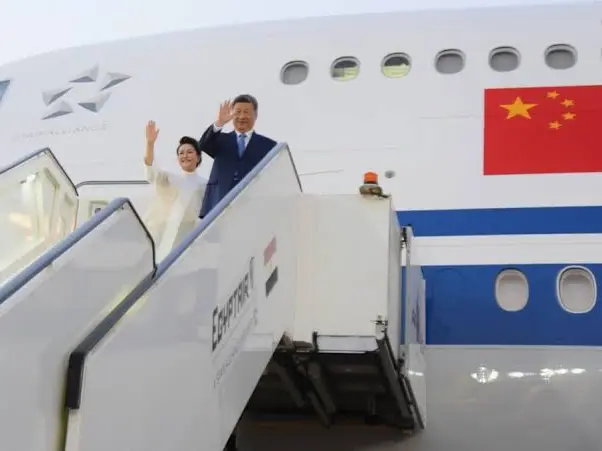)
Xi Jinping's 'special plane' vs Trump's Air Force One: What's the difference?
)
UNGA 2026: Israeli PM attacks Britain, France for past colonialism
)
West Indies coach Sammy looking at India series as opportunity to finetune ahead of ODI World Cup 2027 qualifiers
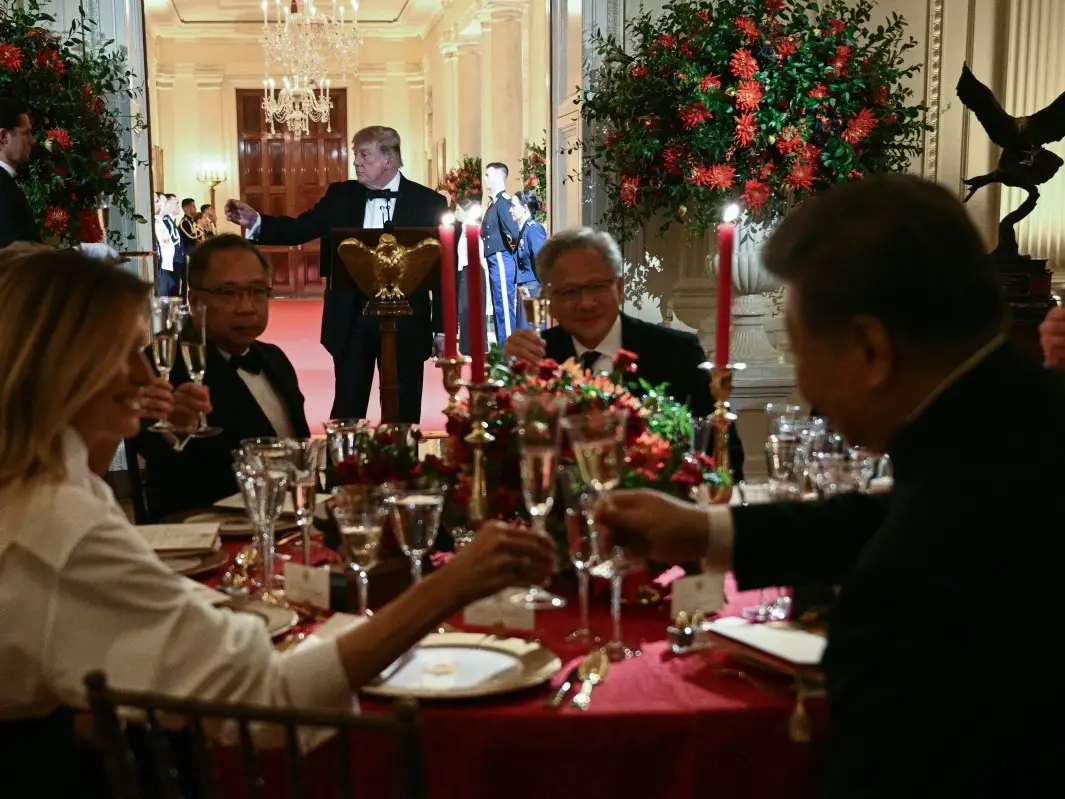)
‘We’ve never gotten along better’: Trump praises Xi, jokes about White House ballroom at high-stakes state dinner
)
Air India pilot suspended after failing pre-flight alcohol test on Zurich-Delhi route
)
Yemen called Trump for US military support in fight against Houthis: Official
)
Meet Adrian Abraham: 9-year-old Indian-origin guitar prodigy aiming for a Guinness World Record
)
US faces fresh cost crunch as mortgage rates hit 7%, oil tops $107 and gas prices surge
)
'Blockbuster' nor'easter develops an eye similar to hurricanes as warnings are issued
)
Alarming video emerges as landslide damages houses in Sikkim’s Rimbi village. Watch
)
OpenAI is building AI to fight cyber threats: What GPT-6 Cyber means for security
)
'Making history': Xi Jinping praises Trump as US-China leaders dine at White House
)
'What kind of confession is this?': Pakistan PM Shehbaz Sharif’s 'terrorists would be roaming New York' remark goes viral, raises alarm online. Watch
&im=FitAndFill=(700,400))
Netanyahu at UN: Mass walkout, attack on Mamdani and Iran threats | In Pics
)
'We do not wish to continue. It's America that must choose': Iran president Pezeshkian calls on US to end war
)
Bollywood mourns Mushtaq Khan: Sunny Deol, Rajpal Yadav and others pay tribute
)
Myanmar training camp case: US national, 6 Ukrainians allowed to meet their families abroad
)
'FIRST LOOK from inside Noah’s Ark': Researchers share video from inside mysterious mound in Turkey
)
Israeli envoy to US Yechiel Leiter’s son critically injured in West Bank ramming attack
)
'Fund people, not bombs': Hundreds take to New York streets as Netanyahu delivers speech at UN; dozens arrested
)
In terms of brightness, on Monday (September 4), the Moon will shine with a magnitude of -12.3, while Jupiter will have a magnitude of -2.7 (lower or negative values indicate brighter objects).
Consequently, the Moon will outshine Jupiter in the night sky and appear significantly larger due to its proximity to Earth. Jupiter, despite its massive size, will be dimmer in comparison.
While the Moon dominates the night sky during the close approach, it's important to note the vast size difference between the two.
Also Read | Convicted Proud Boys member claims Trump will pardon him in 2024
Jupiter boasts a width of approximately 89,000 miles (143,000 km), making it 11 times larger than Earth. The Moon, with a diameter of about 2,200 miles (3,500 kilometres), is a fraction of Jupiter's size.
To span Jupiter's equator, it would take at least 44 Moons lined up.
Jupiter's impressive moons
Jupiter is home to some moons that surpass not only our moon but also some of the solar system's planets in size.
Watch | Labour reshuffle: Sir Keir Starmer to shake up shadow cabinet
Ganymede, the largest Jovian moon, boasts a diameter of 3,270 miles (5,268 km), surpassing even the planet Mercury, which has a diameter of 3,032 miles (4,879 km).
Observing the event
Although the Moon and Jupiter will have a close encounter, they will still appear too distant to be seen together in the narrow field of view of a telescope, as per Space.com. However, binoculars, with their wider field of view, will provide a great way to observe both the moon and Jupitersimultaneously.
WATCH WION LIVE HERE You can now write for wionews.com and be a part of the community. Share your stories and opinions with us here.