
&imwidth=800&imheight=600&format=webp&quality=medium "Davos WEF 2026: From 267 GW Milestone to Global Deals – India's Renewable Surge Steals the Show, Here’s Why")
Amid mounting global tensions from ongoing wars, including the Russia-Ukraine conflict and Middle East flashpoints, coupled with rising geopolitical rivalries, the world order faces severe disruption. At the same time, the high-altitude Davos World Economic Forum (WEF) 2026, held in freezing cold, sees world leaders coming together to seek lasting peace and growth for all. They aim to build economic strength for a common future. Leaders are ready to sign agreements running into trillions of dollars to tackle these challenges. As global warming and damage to nature grow, putting health and basic services at risk, the focus on clean energy sources has reached a key stage, grabbing worldwide notice and sparked urgent debates. Non-fossil fuels are now central to plans for a safer planet. India's role at the Davos WEF 2026, which began in January and ends on January 23, drew sharp attention. The country pushed hard for more renewable energy, guided by the idea of One Earth, One Family, One Future. This vision underlined India's call for joint action on green growth.
Minister's Clean Call
Union Minister Pralhad Joshi called on world investors to join India's fast push for clean energy at the World Economic Forum 2026 in Davos. In the session on "Resilient Infrastructure for Growth", he shared India's story of large-scale work with strong systems. Under Prime Minister Narendra Modi's guidance, India has reached 267 GW of non-fossil fuel power by December 2025. The nation is on course to hit its 2030 climate and energy goals. This progress rests on solid rules, home-grown production, updated power grids, storage options, and new plans for geothermal and nuclear power. Joshi stressed the call for steady funds, mixed financing, and closer ties between governments, businesses, and global banks to drive a fair and lasting energy change worldwide.

CEO Ties Strengthen
In Davos, India's talks with top global company heads showed their strong wish to invest in clean energy back home. This has lifted India's place on the world stage. Stable rules and a welcoming setup for funds, led by Narendra Modi, have built trust among those putting in money. India now stands as a key link in world supply lines for clean and renewable power. Even in times of world economic dips and broken supply chains, India has sped up its rise by adding strength and skills with an eye on the future. The country is seen as a reliable spot for world funds, with sure gains, clear policies, and chances for new ideas, growth, and lasting worth.
Trending Stories
)
The Early Spring is proof not everyone can talk about their real feelings, and it is perfectly OK
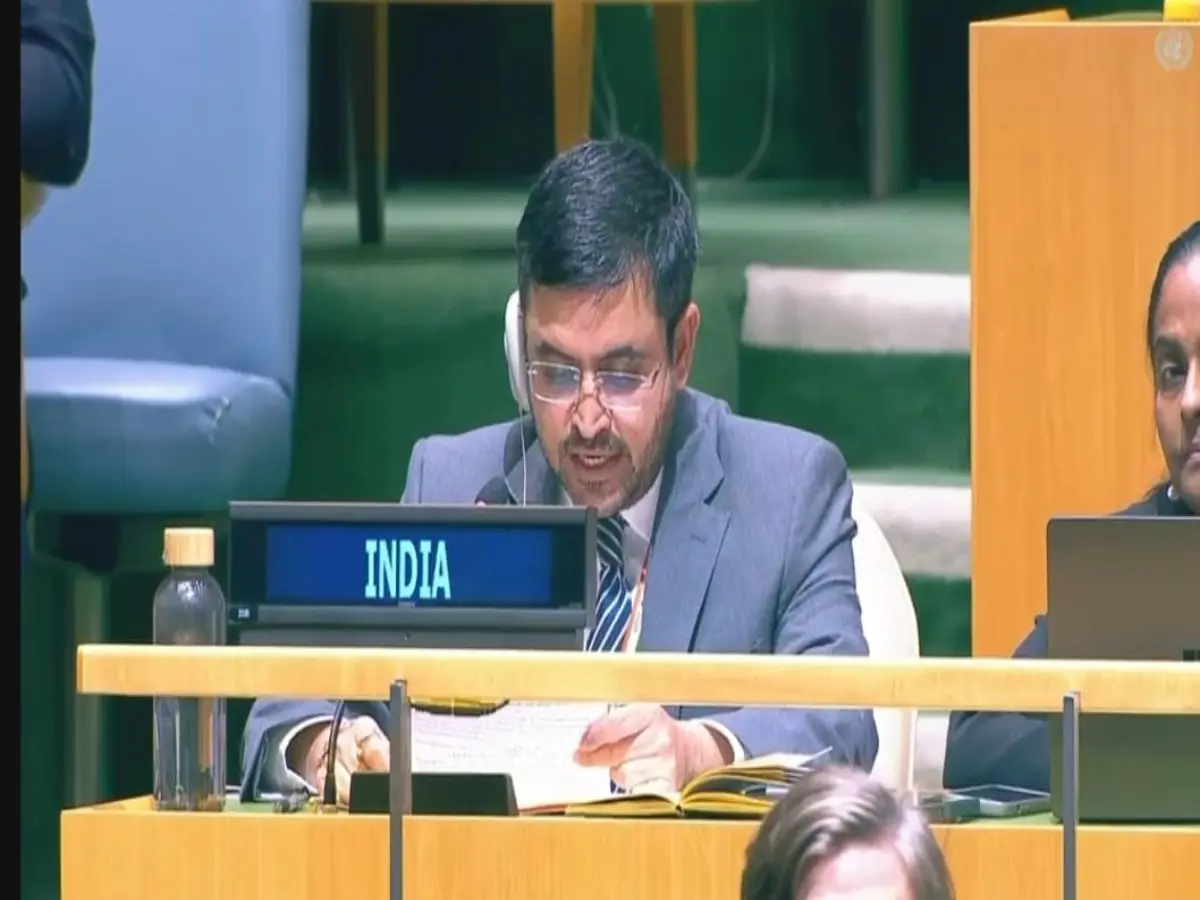)
UN votes to ‘correct the map’ as India backs fairer world view
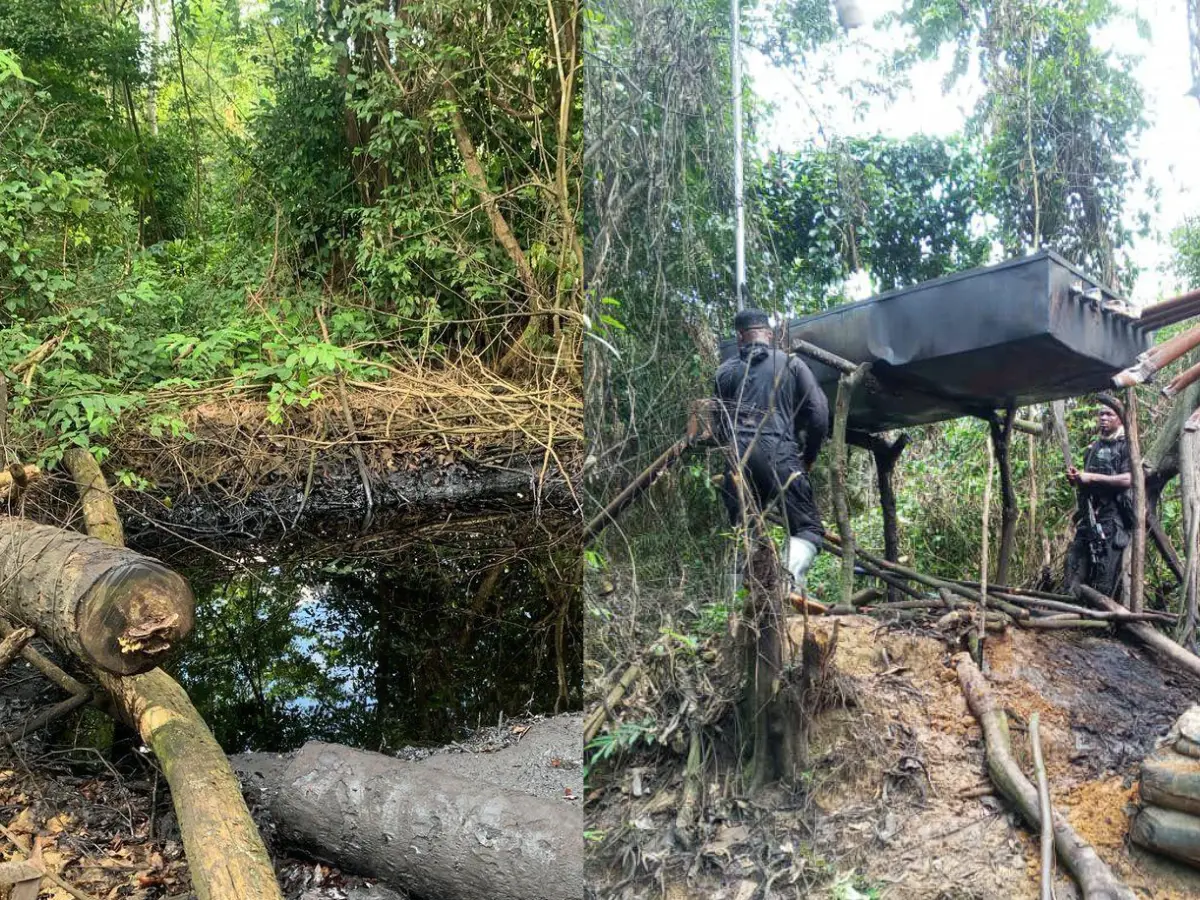)
Nigerian Navy discovers 99,000 litres of suspected stolen, illegally refined products as it intensifies anti-crude oil theft operations
)
Who is Aditi Paudel? 17-year-old becomes Japan's first literacy ambassador
)
Bengaluru: Officials find 40 kg expired chilli at chairman's club
)
Jaishankar rejects trade link to ending Ukraine war
)
Israeli strikes on Lebanon kill three, injure 23 despite truce
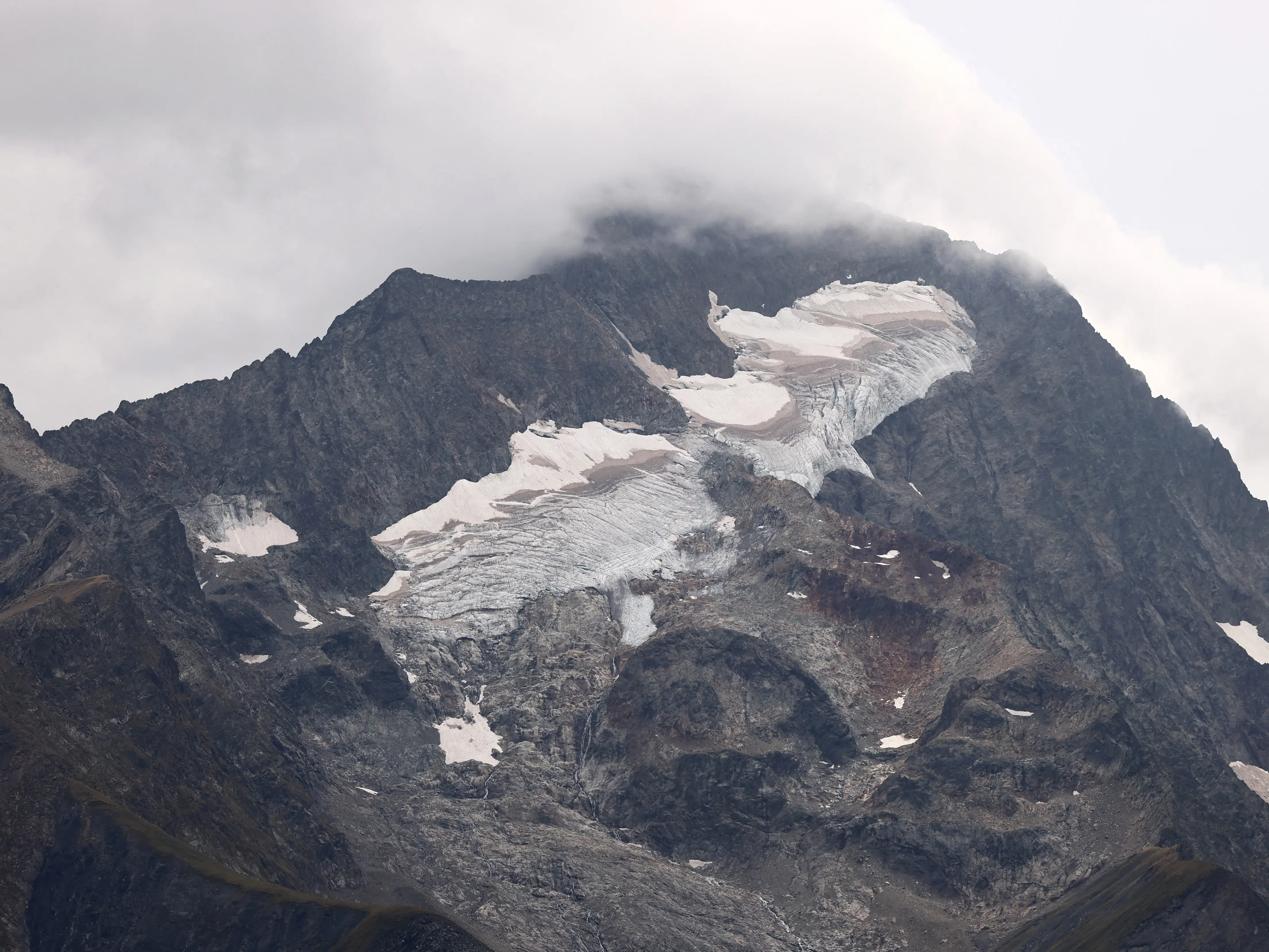)
Alpine glacier was covered with sheep wool sheets to prevent melting. It worked
)
South Korea mulls deploying military assets to Strait of Hormuz
)
World's fifth-largest economy, British army can't afford to train
)
Breaking | Vance takes the podium: First White House briefing since Leavitt's exit
)
Taiwan raises 'concerns' over China's missile test
)
BRICS 2026: $1 trillion sovereign capital set to converge in Delhi for first iBRICS Summit
)
What is Iran's Pickaxe Mountain that Trump has again threatened to bomb?
)
UN votes to correct world map that visually shrank Africa for 450 years
)
Former NewJeans member Danielle launches YouTube channel, hints at new solo journey
)
Bangladesh batter Towhid Hridoy creates history with 350 not out in South Africa
)
Brendan Fraser’s transformation fuels The Mummy 4 excitement as fans welcome back Rick O’Connell
&im=FitAndFill=(700,400))
Krishna Janmashtami 2026: From Dhaniya Panjiri to Makhana Kheer- 5 best sweet dishes perfect for celebrating Lord Krishna’s birth
)
Donald Trump plans to travel to Ireland on Qatari-donated jet amid security concerns
)
Nazi-looted art to return to Jewish heirs
)
Eight killed in Kerala’s Thrissur after car rams into lorry parked on highway
&im=FitAndFill=(700,400))
Why Russian fighter jets use bulky, low-pressure tyres compared to US jets
)
FBI-wanted fraud accused arrested in Jalandhar over $600,000 scam
&im=FitAndFill=(700,400))
Why US tanks weigh over 20 tons more than Russian tanks
&im=FitAndFill=(700,400))
New Friday OTT releases (September 4, 2026): GDN, Dhamaal 4, Jagamae Sangeetham- Watch 6 new movies and TV shows on Netflix, Prime Video and more
)
Killing the Himalayas slowly: Human urine is melting a glacier on Mount Everest
States’ Bold Pitch
Back home, India used the Davos stage to highlight its own big project plans, with Maharashtra leading the way early on. State teams worked to draw in funds and tie-ups for growth. The Maharashtra government inked 19 pacts worth Rs 14.5 lakh crore, set to create over 15 lakh jobs. These cover areas from everyday goods and transport to eco-friendly steel and online setups. Chief Minister Devendra Fadnavis met with firms like Coca-Cola, Antora Energy, and Brookfield in direct talks. Andhra Pradesh Chief Minister N Chandrababu Naidu used the forum to say India could climb from the fourth-biggest economy to number one by 2047 if it acts now. His words aimed to show India as a steady growth tale, while much of Davos worried about world unrest. The Adani Group laid out a $66 billion spending plan for Maharashtra, adding to the state's draw for large funds in key fields.
Notably, Karnataka's team linked up with ReNew Power, which handles solar, wind, and mixed energy works. New York-based Xylem showed interest in building a plant to treat wastewater in the state. Octopus Energy, focused on updating power networks, also talked with Karnataka officials. On the other hand, Uttar Pradesh locked in deals worth Rs 9,000 crore at Davos, targeting clean power, smart tech like AI, and defence making. The Jharkhand government also signed a pact with Tata Steel for over Rs 11,000 crore, boosting the state's industrial base.
Overall, Davos 2026 boosted India's image as a leader in energy shifts and investment. With climate risks growing, the focus on renewables fits the global need. India's story of scale and strength, shared at the forum, draws partners for a shared path ahead. As deals flow in, the country steps up its role in a world seeking balance. This meet could spark real changes, from job creation to green tech, aiding India's long goals and vision of Viksit Bharat.
Disclaimer: The views of the writer do not represent the views of WION or ZMCL. Nor does WION or ZMCL endorse the views of the writer.