Basit’s diary on ‘hostility’: A counter-narrative to Pakistan’s policies towards India

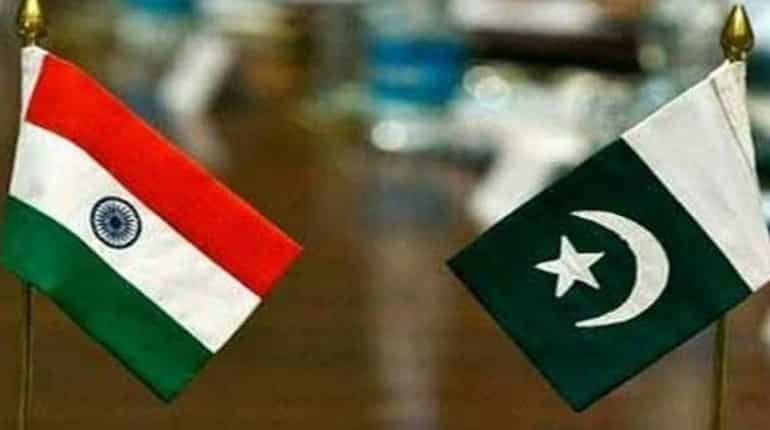
India Pakistan flags
Abdul Basit is without doubt the most negative and undiplomatic Pakistan High Commissioner to India that I can recall in my Foreign Service career. He acknowledges in the introduction that ‘Hostility’ is not a memoir but an account of Indo-Pakistan relations during his tenure. In fact, ‘Hostility’ is an acknowledgment of his deep-rooted angst against India and his frustration with an alarmed Pakistani establishment that wished to rein him in.
This results in ironically into an indictment of Pakistan’s policies towards India and a vindication of PM Modi’s Pakistan policy. This is clear throughout the book. It begins from Basit’s time as Spokesperson and the inclusion of Baluchistan in the Joint Statement in Sharm el Shaikh in 2009. Basit states that since India never acknowledged that it was interfering in Baluchistan, there was no victory for Pakistan.
In fact since J&K was not mentioned it was a setback for Pakistan. (Pg 44-45). Given the flak faced by then PM and then NSA for accepting reference to Baluchistan, Basit’s position endorses official statements by the then Government on this issue!

On Page 46, Basit goes further stating: “India was playing deftly. It could show to the world that, despite Bombay, it was still talking to Pakistan behind the scenes and that it was Pakistan that was culpable of procrastination”.
On the same page, Basit regrets that even on the ‘back channel’ “Pakistan could not negotiate anything worthwhile” He concludes that India was “leading Pakistan up the garden path”.
In the earliest phase of his tenure as HC, on the eve of General Elections in India, Basit states on Page 50 that: I could not help but worry about the BJP’s future plans (on Kashmir) under Modi. But Islamabad seemed to be in total denial...”
)
Trump-Xi Summit: Trade, Taiwan and the red lines shaping US-China talks | Race To Power
)
Afghan woman cyclist who disguised herself as a boy to escape Taliban, wins Asian Games medal
)
Would you date an AI? South Korea’s My AI Partner: Strange Love sparks buzz on relationship and intimacy
)
WION Iconic Tourism Summit and Awards 2026: Key voices to discuss India’s tourism future
)
2,000-foot tube, laser tests and more: China builds towns to expand nuclear arsenal, satellite images show
)
Italy hit by floods in the north, drought in the south
)
'What kind of confession is this?': Pakistan PM Shehbaz Sharif’s 'terrorists would be roaming New York' remark goes viral, raises alarm online. Watch
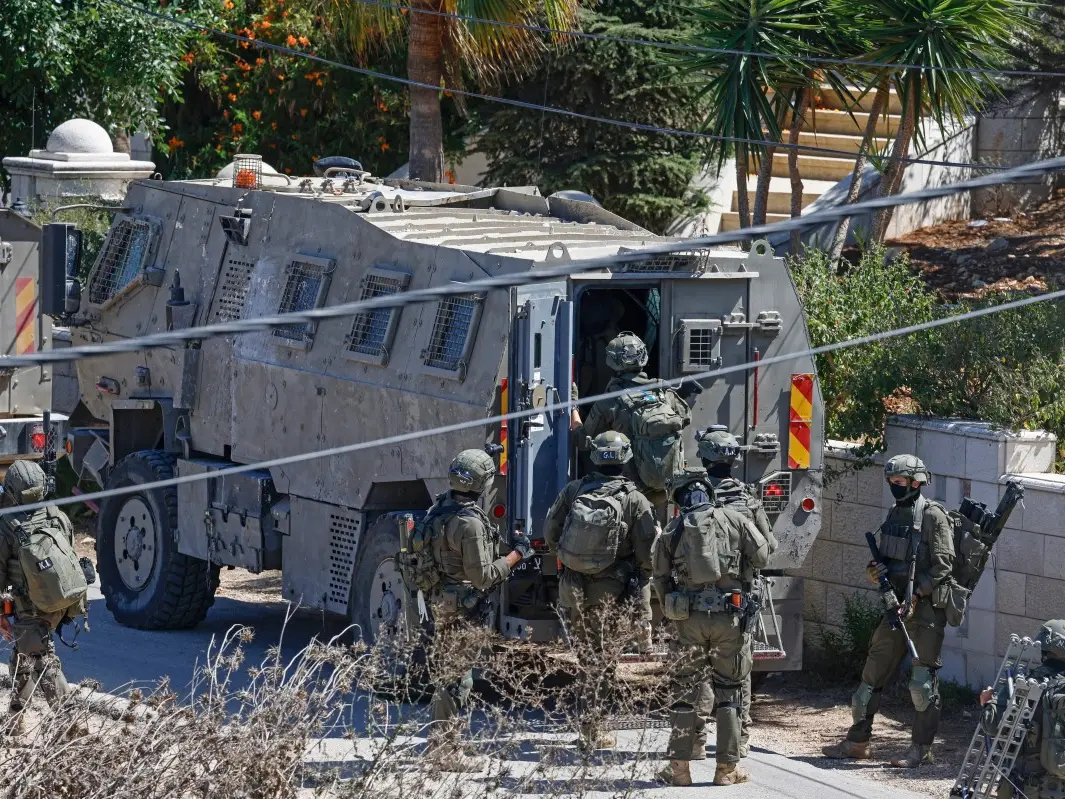)
Israeli envoy to US Yechiel Leiter’s son critically injured in West Bank ramming attack
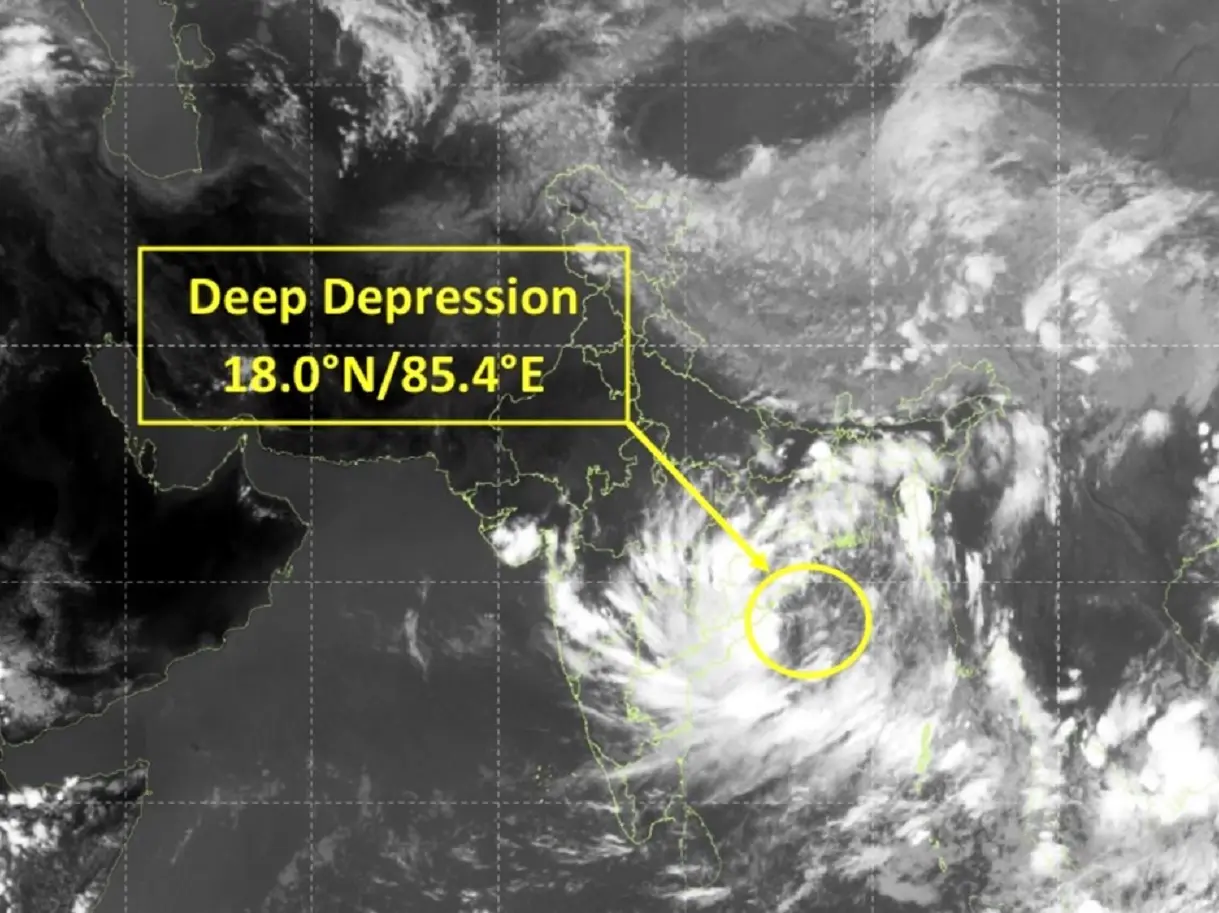)
Cyclone Arnab: Landfall expected before midnight tomorrow as IMD issues orange alerts across six states
)
French court upholds decision to send PSG and Morocco footballer Hakimi to rape trial
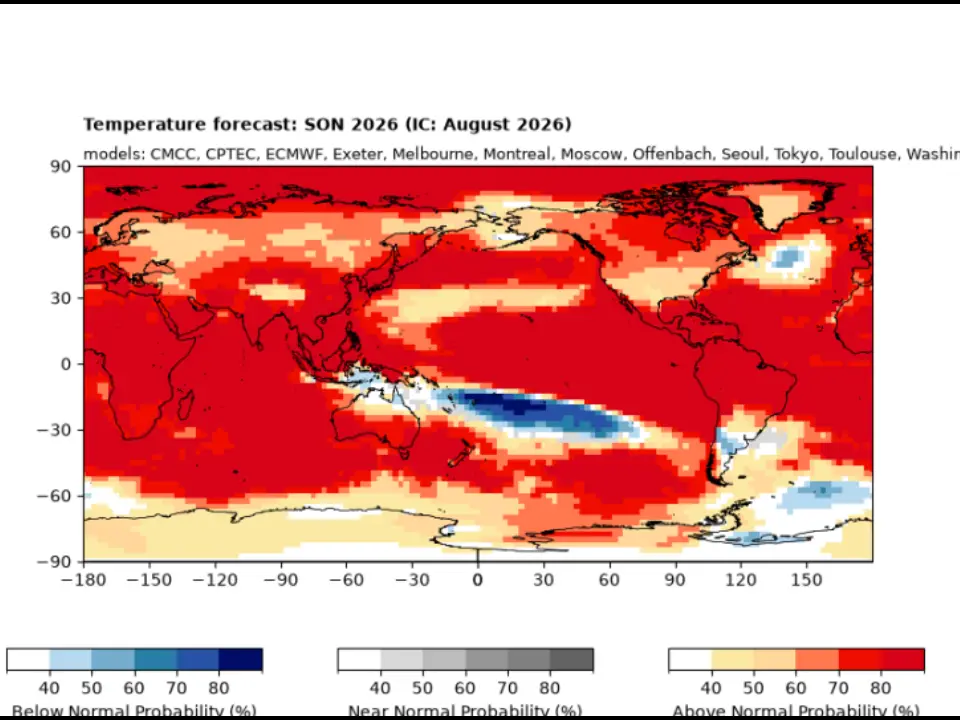)
El Niño 2026 heats up to become strongest in 1,000 years
)
'There will be elections': Venezuela's interim leader Delcy Rodriguez makes big announcement at UN
)
US judge questions Trump’s decision to ban CNN, MS NOW and Politico from White House
)
IIT Bombay CCTV footage emerges: Sahil Wakode seen looking at phone in examination hall
)
WION Iconic Tourism Summit: 'Hanuman Ansh' Director on blockbuster success
)
'Arrogant parasites': Milei blasts UN over Falklands dispute, warns Argentina will ‘take matters into our own hands’
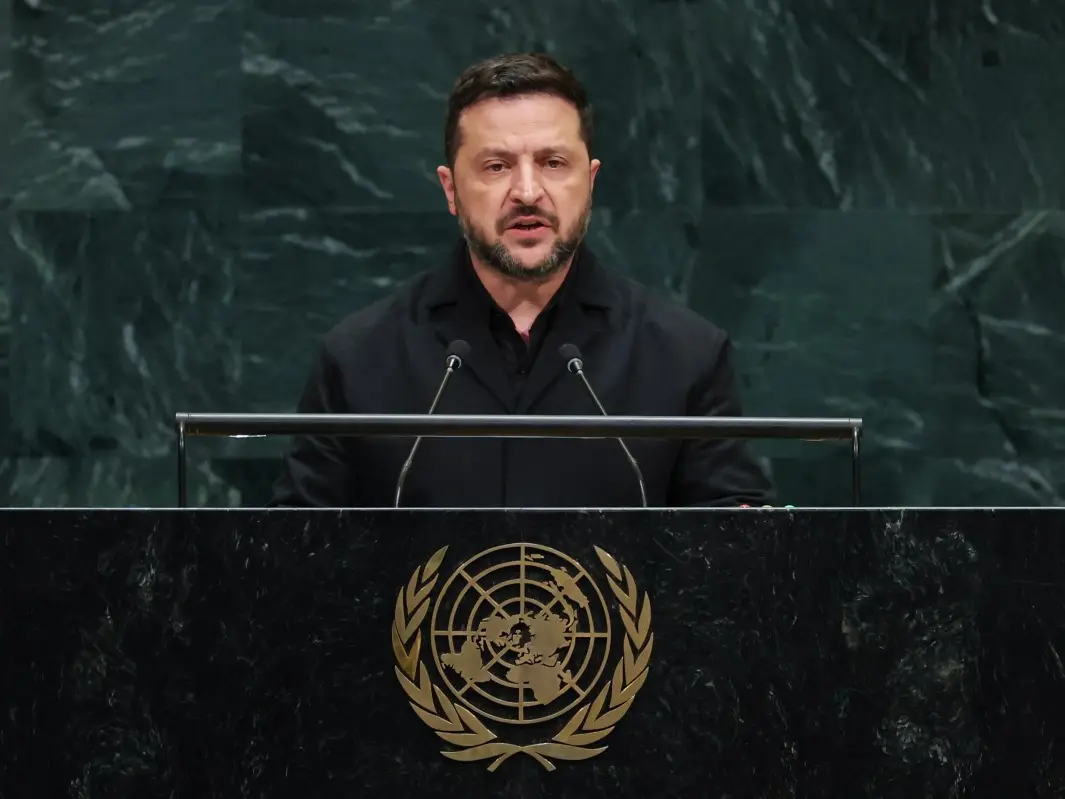)
'Putin is patient zero': Zelensky slams Russian president at UNGA, accuses him of using fighters from 47 countries
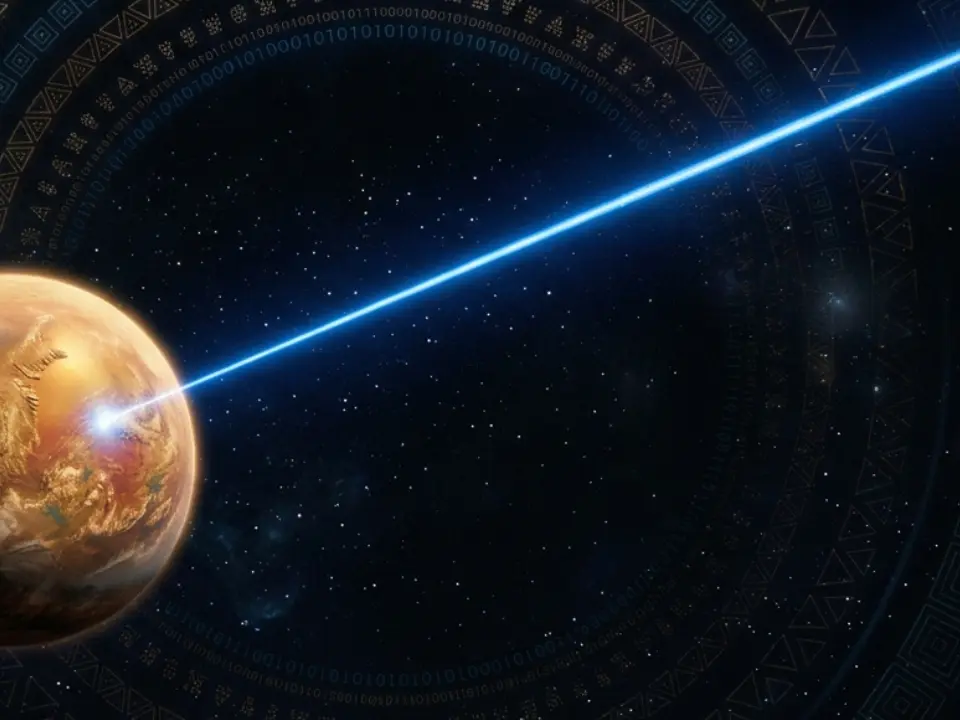)
Scientists detect first radio signals directly from faraway planet
)
9 killed, several injured as tourist bus catches fire on Yamuna Expressway
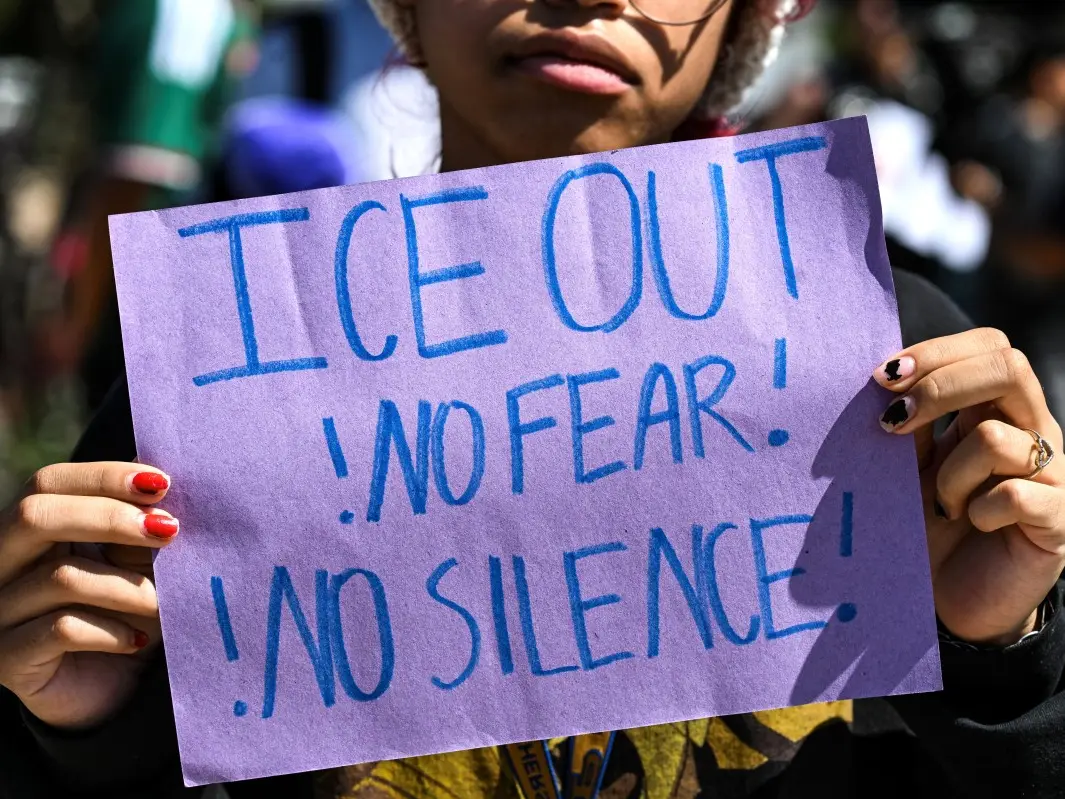)
US citizen injured in Illinois after ICE agents mistook him for fugitive, hospitalised
)
WION Iconic Tourism Summit: How local tourism MSMEs must upskill for AI integration
)
WION Iconic Tourism Summit 2026: Union Minister Shekhawat on 'experiential travel', peace diplomacy
)
EC appointment law: Why is the 2023 act controversial, and what happens next? WION explains
&im=FitAndFill=(700,400))
New OTT releases this week (September 21-27, 2026): Shaque: Trust No One, Hunkkaar, Don’t Be Shy- 5 new titles coming to Netflix, Prime Video and more
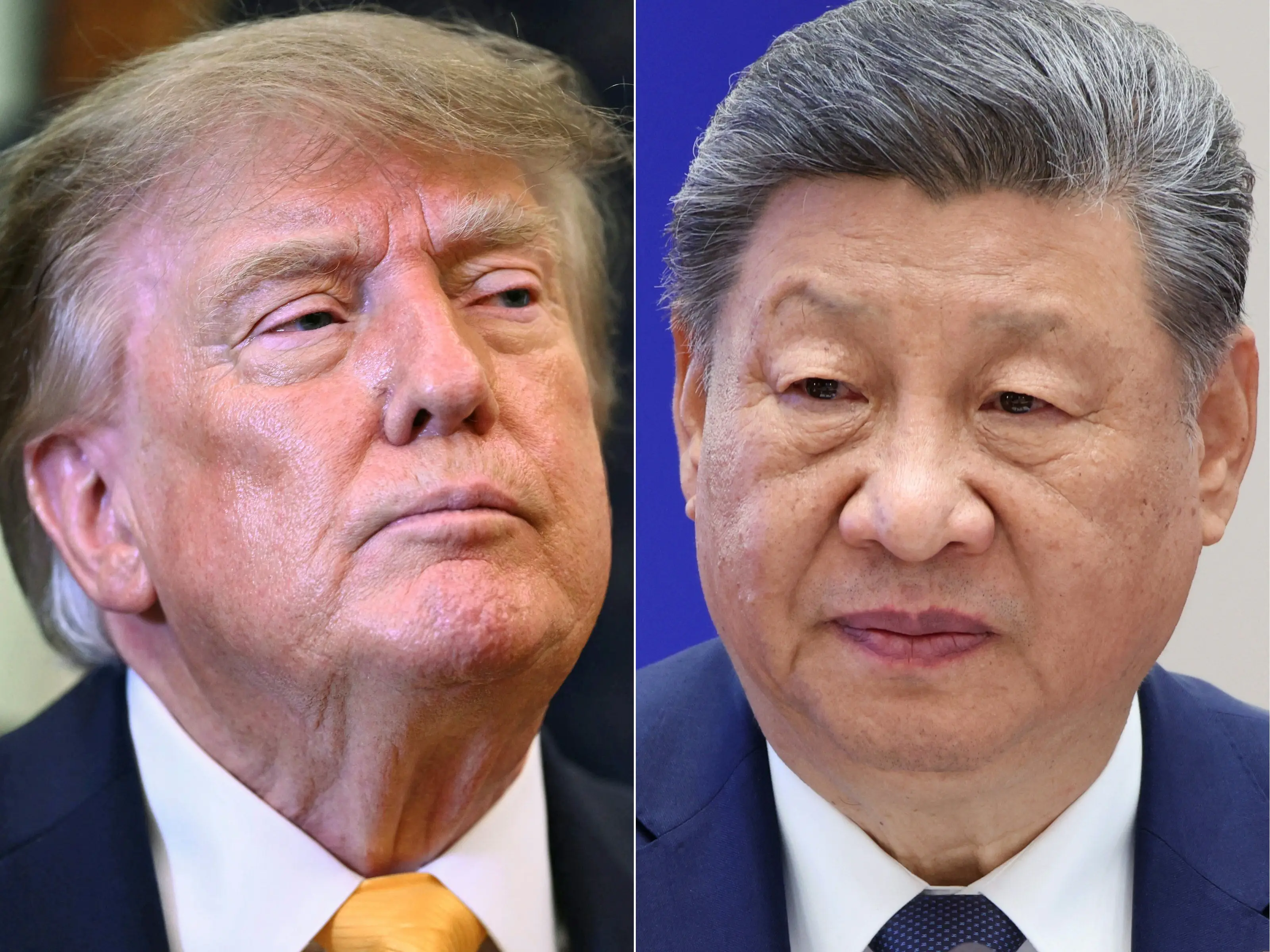)
Xi-Trump meeting: China’s human rights red line and past protests explained
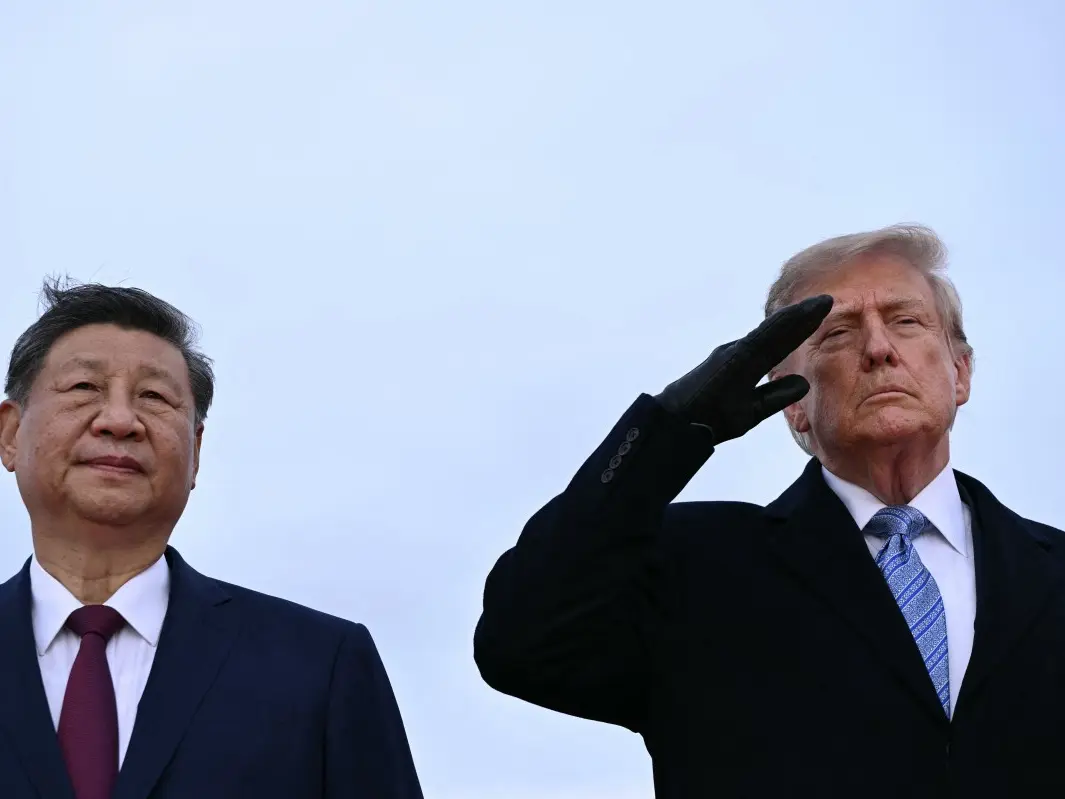)
WATCH | China President Xi Jinping lands in US as Trump greets him ahead of high-stakes summit
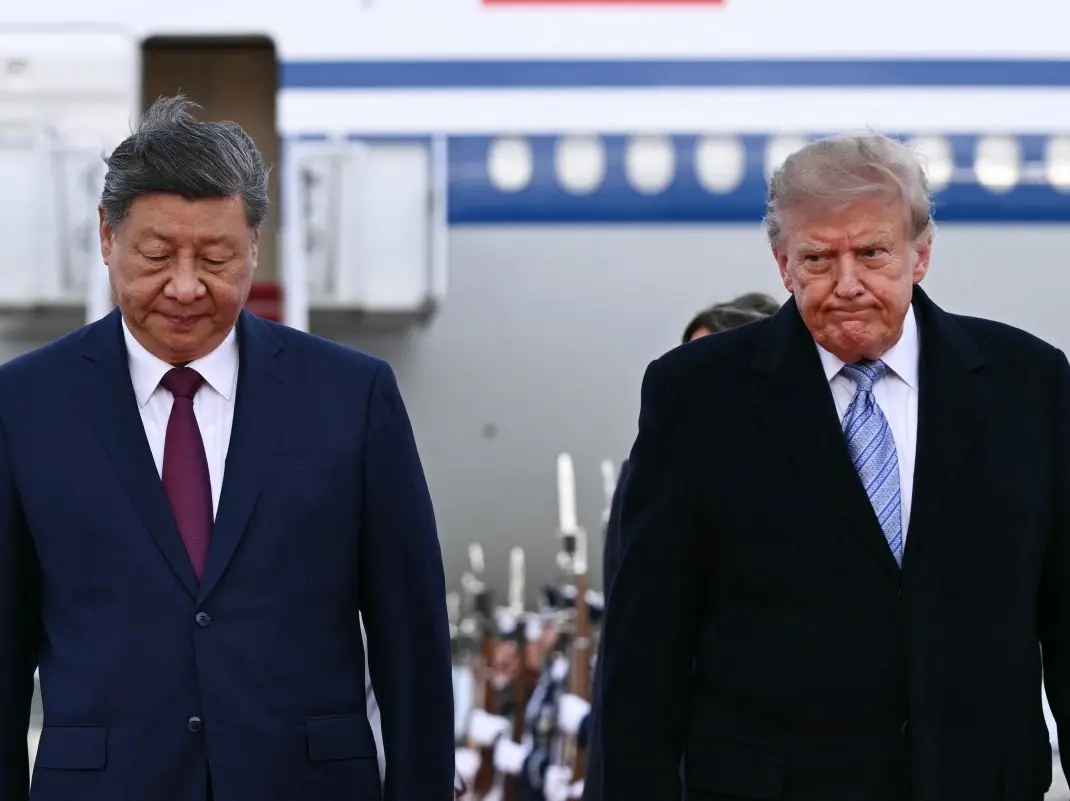)
'Partners rather than rivals': Xi Jinping's first message after landing in US for Trump summit
&im=FitAndFill=(700,400))
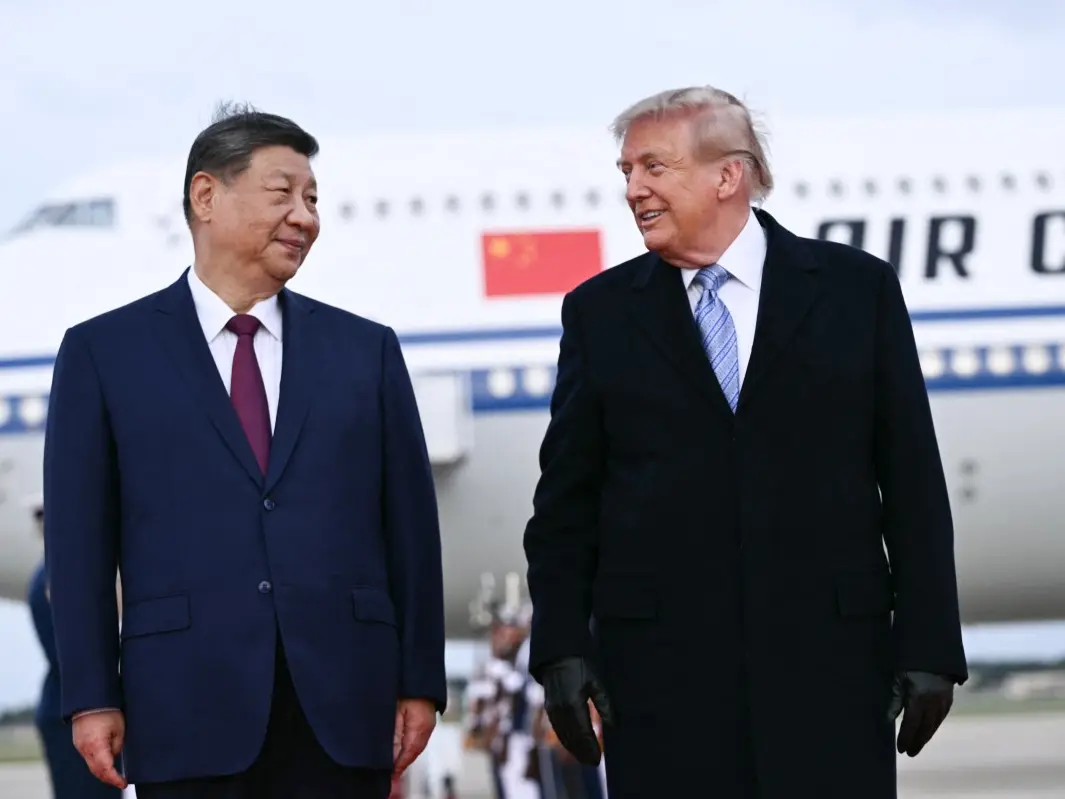
Trump welcomes Xi Jinping in rare airport gesture: Photos from Chinese President's arrival in US
&im=FitAndFill=(700,400))
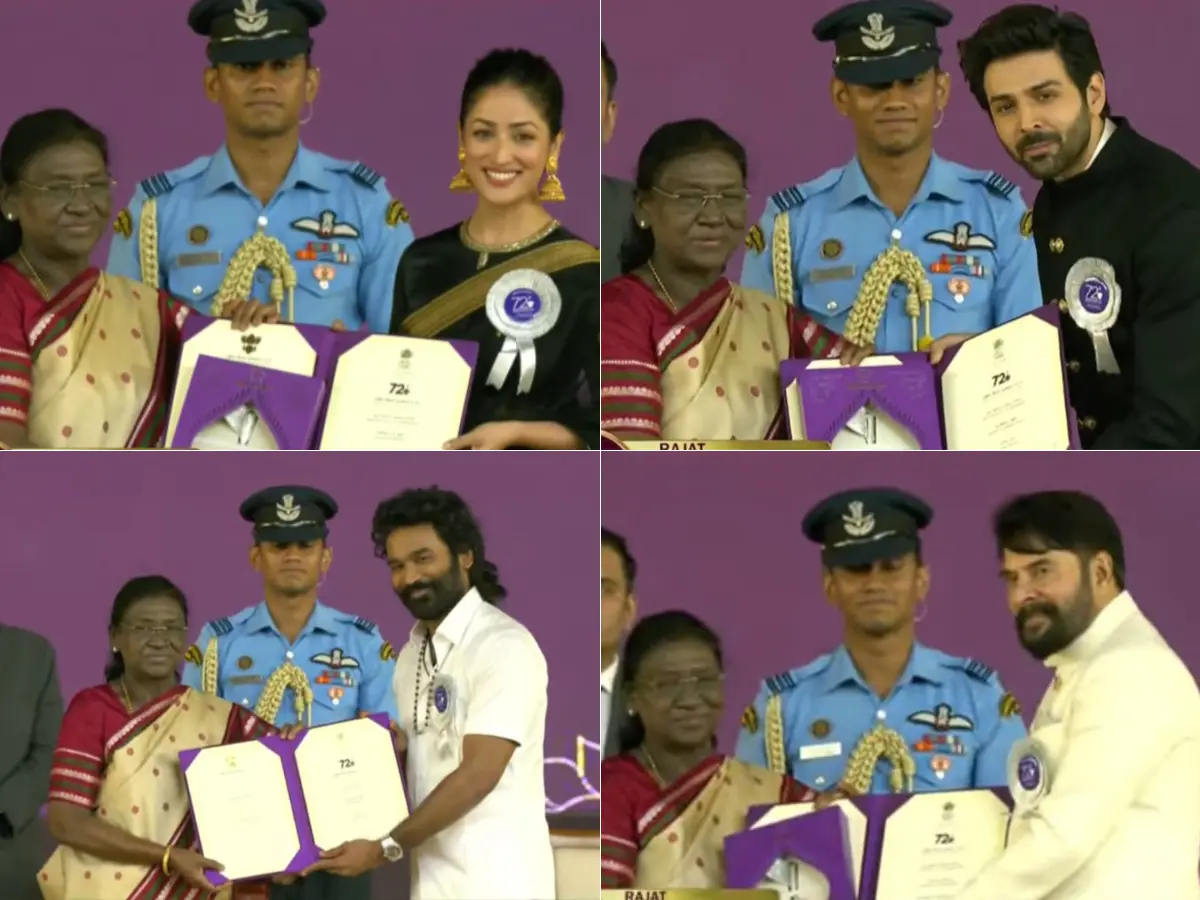
National Film Awards 2026: Kartik Aaryan, Mammootty, Yami Gautam, Randeep Hooda and other key winners
)
WION Iconic Tourism Summit: Is India's travel boom outrunning its airports, airlines and hotels?
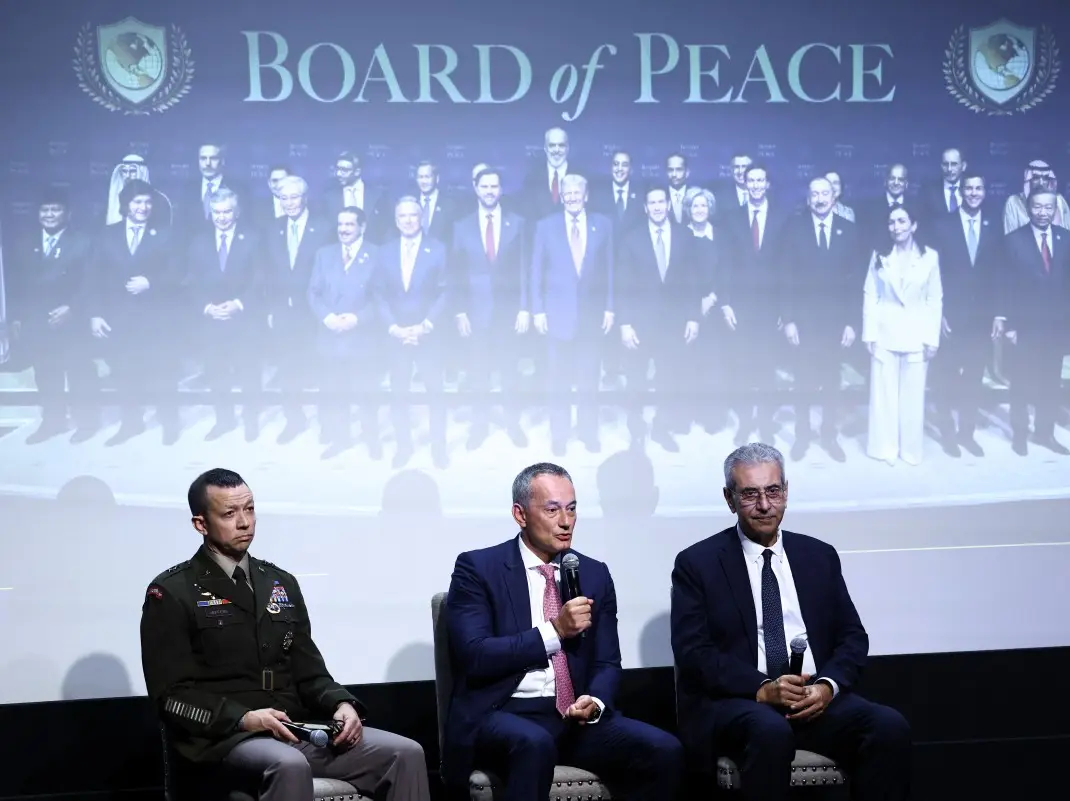)
Trump’s Board of Peace unveils $2.45bn Gaza plan,66 projects: But where’s the money?
)
Claude Opus 5.5 is here: Anthropic claims it can finish a 680,000-line code migration in less than a day
)
Eight USS Abraham Lincoln sailors attempted suicide, Acting Navy Secretary says
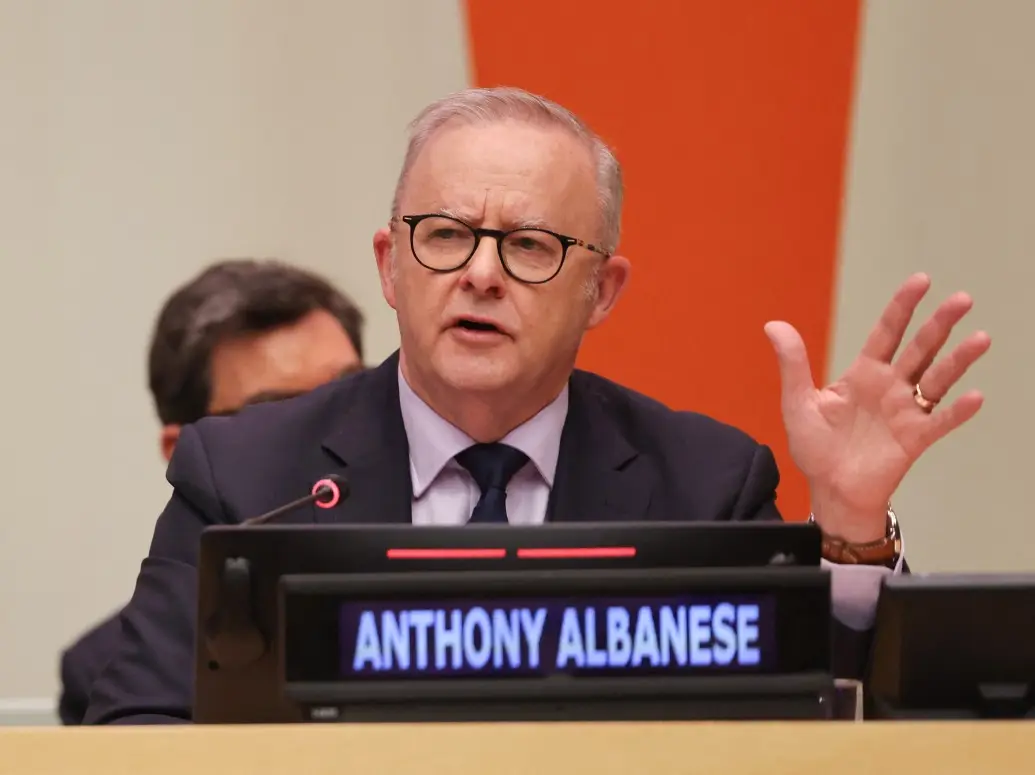)
Australian PM Anthony Albanese calls OpenAI AI incident 'unacceptable' after restricted data access
)
NBA player Steven Adams shares hilarious GTA VI theory
)
'AI got into my speech': Prince Harry jokes after teleprompter failure at event in New York
)
China to test supersonic jet that moves at Mach 2, double the speed of sound
)
IIT Bombay student suicide case: CCTV from the exam hall hours before suicide
On the eve of the elections (Pg 55-56) Basit, who was on a press offensive with Indian media on India’s future policy on Kashmir in the event of a BJP victory was, rightly in my view, pulled up by the Pakistan Foreign Secretary. Aizaz Ahmad Choudhary, my counterpart from Pakistan when I was Ambassador to The Netherlands, soft spoken and discreet, told Basit to “scale down his media engagement”.
From then onwards, according to Basit’s own words, it was clear that PM Modi set the policy on Pakistan and that India controlled the narrative. On Page 58, Basit refers to his lunch meeting with the key industrialist, Sajjan Jindal, a close friend of PM Modi. Later, on Pg 60 he admits that he positively recommended PM Nawaz Sharif attending PM Modi’s swearing in.
However, clearly the Pakistani establishment did not trust Basit who would be informed, Pg 61, by Mr. Sajjan Jindal that Pakistan PM had accepted the invitation!
On the first one-to-one with PM Modi, Basit was very critical of Pakistan PM’s soft approach in not responding to our PM raising the issue of terrorism. Basit accused Nawaz Sharif of being “too soft and unnecessarily accommodative”. (Pg 67)
Later, on Pg 70, Basit laments that the Pakistani establishment had an “apologetic mind-set” and accepted PM Modis’s contentions readily and worked quickly “to assuage his concerns”. He again on Pg 81 states “Islamabad had the masochistic ability to be delusional”.
When Basit made the cardinal error of meeting Hurriyat leaders just two days before the Foreign Secretary-level talks in Islamabad, it was once again India drawing a redline for Pakistan on Kashmir. As Basit notes it was no business as usual with Modi at the helm.
On taking over as Foreign Secretary on 30th January 2015, Dr Jaishankar, in his first meeting with Basit, made it clear to him that separatists were not to be accommodated in any progress in the bilateral dialogue to take place. In his first meeting with National Security Advisor (NSA) Ajit Doval, Pg 82-83, Basit was given the same message.
By now, it was clear that Pakistan was on the back-foot. On Pg 86, Basit recounts his embarrassment when Sartaz Aziz in an interview to NDTV in New York acknowledged that Basit’s decision to meet Hurriyat leaders just before Foreign Secretary-level talks “was perhaps not totally right”.
Later, Basit notes that the Imran Khan Government was unprepared when the Modi Government abrogated Article 370 and abolished Jammu and Kashmir’s special status on 5th August 2019. Pakistan’s diplomacy failed completely. It could not convene a special session of the Organisation of Islamic Countries (OIC) on Kashmir. Nor could it succeed in holding a special session of the UNHRC in Geneva. At the UN Security Council in New York, China was able to obtain ‘informal consultation’ under the agenda item “any other business”. At the UN General Assembly session, only Turkey, Malaysia, and Iran mentioned this issue.
As a seasoned Pakistani diplomat with implacable hostility to India, Basit’s diary on ‘Hostility’ demonstrates to what extent Pakistan has lost the plot in dealing with the Indian Government under PM Modi. At one point he states that even with Jadhav, Pakistan can neither free Jadhav nor hang him. Pg 291. It was an extraordinary admission confirming once again that Pakistan has no coherent policy on India, after PM Modi came to power.
If one is to accept that Basit’s narrative is an accurate depiction of how Pakistan and its establishment including its ‘Deep State’ sees PM Modi’s policy on Kashmir and Pakistan, then continuing ‘tough love’ to Pakistan would appear to be the only option for India at present.
(Disclaimer: The views of the writer do not represent the views of WION or ZMCL. Nor does WION or ZMCL endorse the views of the writer.)
You can now write for wionews.com and be a part of the community. Share your stories and opinions with us here.
WATCH WION LIVE HERE