WION Decodes | Why are Delhi’s heatwaves becoming longer, hotter and deadlier?

&imwidth=600&imheight=450&format=webp&quality=medium "WION Decodes | Why are Delhi’s heatwaves becoming longer, hotter and deadlier?")
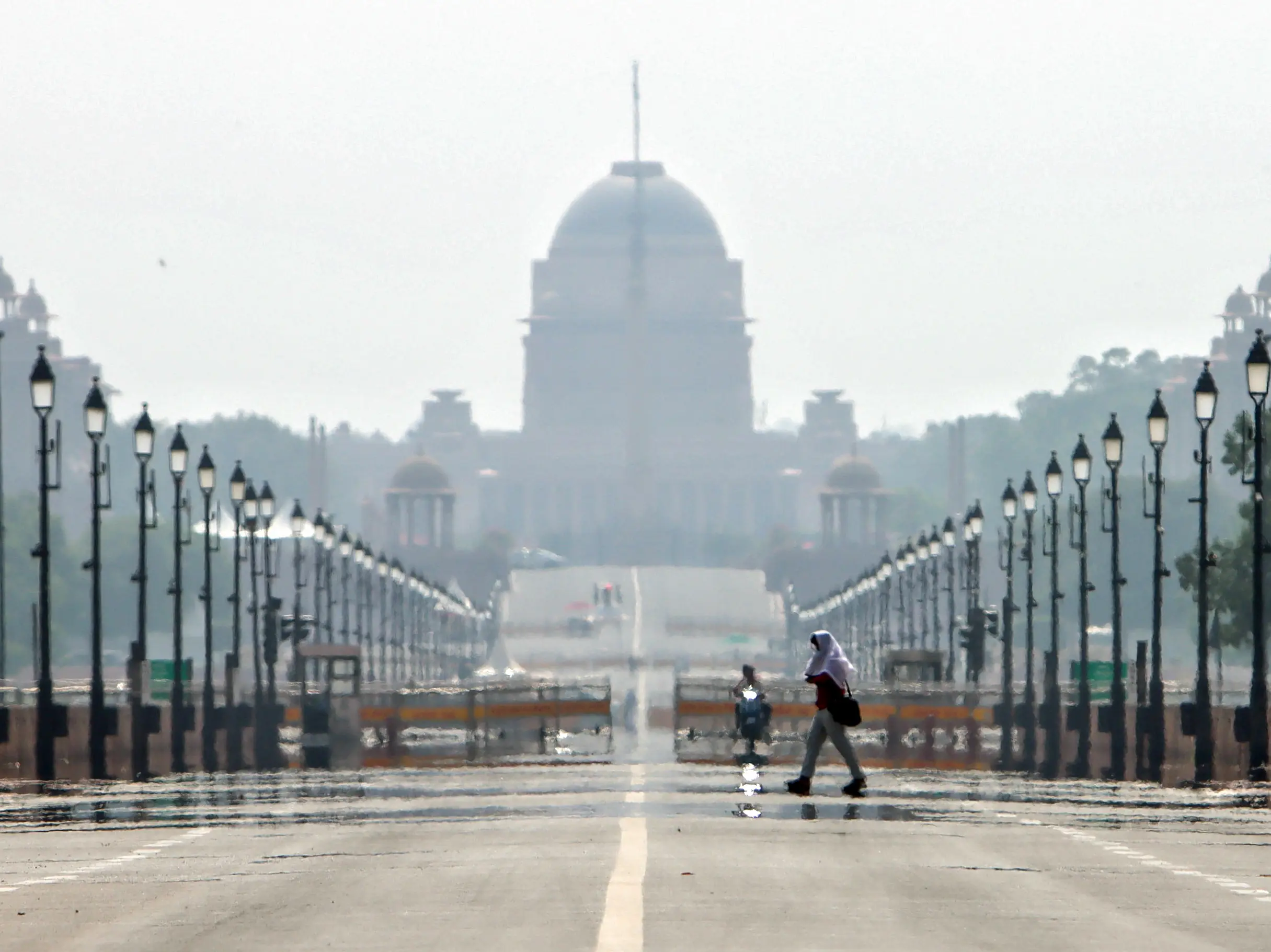
A heat-induced mirage shimmers along the road leading to Rashtrapati Bhavan on a hot summer day, in New Delhi Photograph: (ANI)
Delhi's heat is worsening due to climate change and rapid urbanisation. Rising temperatures, humidity and warm nights are making heatwaves longer, more frequent and increasingly dangerous.
Heat in Delhi is shattering records every year, bringing harsh and prolonged periods of dangerous heat stress. Not just high temperatures, India’s national capital is getting baked in a cocktail with high humidity and warm nights, making outdoor conditions hazardous. According to the India Meteorological Department (IMD), heatwaves have become more frequent and are lasting longer in several parts of the country. Scientists have said that this trend is being driven by a combination of global climate change and rapid urbanisation.
Due to climate change, India’s average temperatures have increased by about 0.7 degrees Celsius between 1901 and 2018, while the tropical Indian Ocean warmed by about 1 degree Celsius between 1951 and 2015. The warmer baseline reflects that heatwaves are becoming longer, more frequent and more severe.
Is Delhi’s urban landscape to blame?
Delhi’s urban landscape has worsened the conditions through the Urban Heat Island (UHI) effect. As the roads, concrete buildings, and asphalt absorb heat throughout the day, it slowly releases it after sunset, preventing the city from cooling down. According to the One Billion Resilient initiative, parts of Delhi can be up to 8 degrees Celsius hotter than nearby rural regions. As per projections, the difference could reach 9 degrees Celsius by 2050 if current trends continued.
Lack of green cover and water bodies
The rapid urbanisation in the national capital has led to the shrinking of green spaces and water bodies, adding a toll on the already extreme heat conditions in the city. Trees help in cooling surrounding areas with natural shade while water bodies help in regulating local temperatures. The lack of vegetation in Delhi has resulted in surfaces becoming hotter and absorbing more solar radiation. All this leads to increased exposure to direct sunlight and makes outdoor conditions dangerous during heatwaves.
Trending Stories
)
)
)
)
)
)
&im=FitAndFill=(700,400))
)
)
)
)
)
)
)
)
)
)
)
)
&im=FitAndFill=(700,400))
)
)
)
)
)
)
)
)
)
)
)
)
)
&im=FitAndFill=(700,400))
Poor urban planning
The dense construction of buildings in Delhi with narrow streets has further limited ventilation in the city, trapping heat in urban neighbourhoods. Many buildings in the national capital do not have heat-resistant roofs or proper insulation, which results in indoor temperatures remaining high.
According to the Centre for Science and Environment (CSE), nearly 76 per cent of Delhi remains persistently heat-stressed during summers, highlighting how urban planning and land-use patterns contribute to rising temperatures. Furthermore, the rising electricity demand from cooling systems places additional pressure on power grids and increases greenhouse gas emissions if electricity is generated from fossil fuels.
Heat and air pollution
The persistent air pollution problem in Delhi has also made it into a deadly combination. High temperatures also accelerate the formation of ground-level ozone and worsen the air quality. Stagnant weather conditions also trap pollutants closer to the surface.
The combination of both has raised the risk of dehydration, heatstroke, respiratory illnesses and cardiovascular diseases, especially among the elderly, children and those with pre-existing health conditions.
Building climate-resilient cities
Experts say reducing heat stress requires both climate action and better urban planning. Expanding green cover, restoring lakes and wetlands, promoting cool roofs, improving building design, increasing shaded public spaces and developing heat-resilient infrastructure can help lower urban temperatures. At the same time, reducing greenhouse gas emissions remains essential to limiting future warming.
Without sustained adaptation and mitigation efforts, Delhi and many other Indian cities are likely to face more frequent, longer and deadlier heat stress events in the coming decades.

