
&imwidth=800&imheight=600&format=webp&quality=medium "Why Modi's invitation matters: India's growing role at the G7 | WION Decodes")
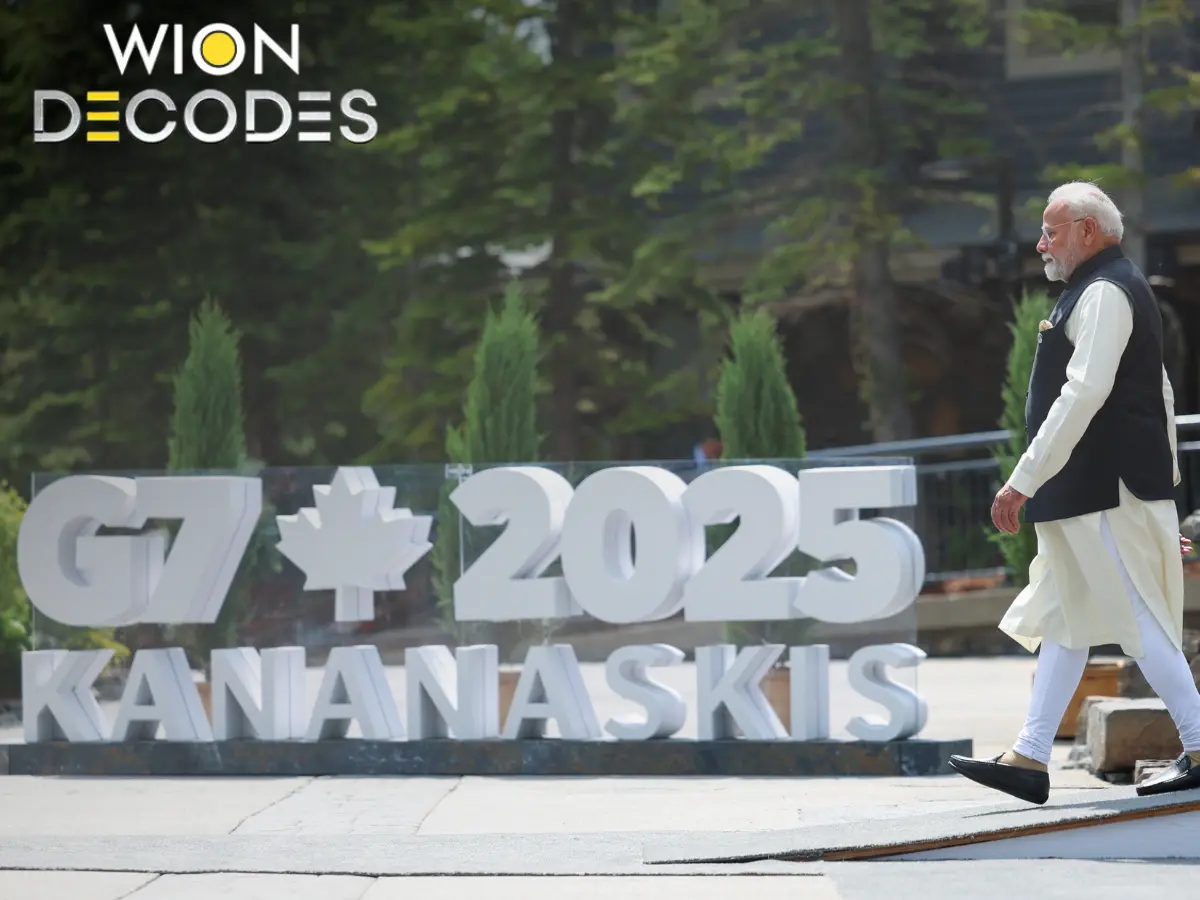
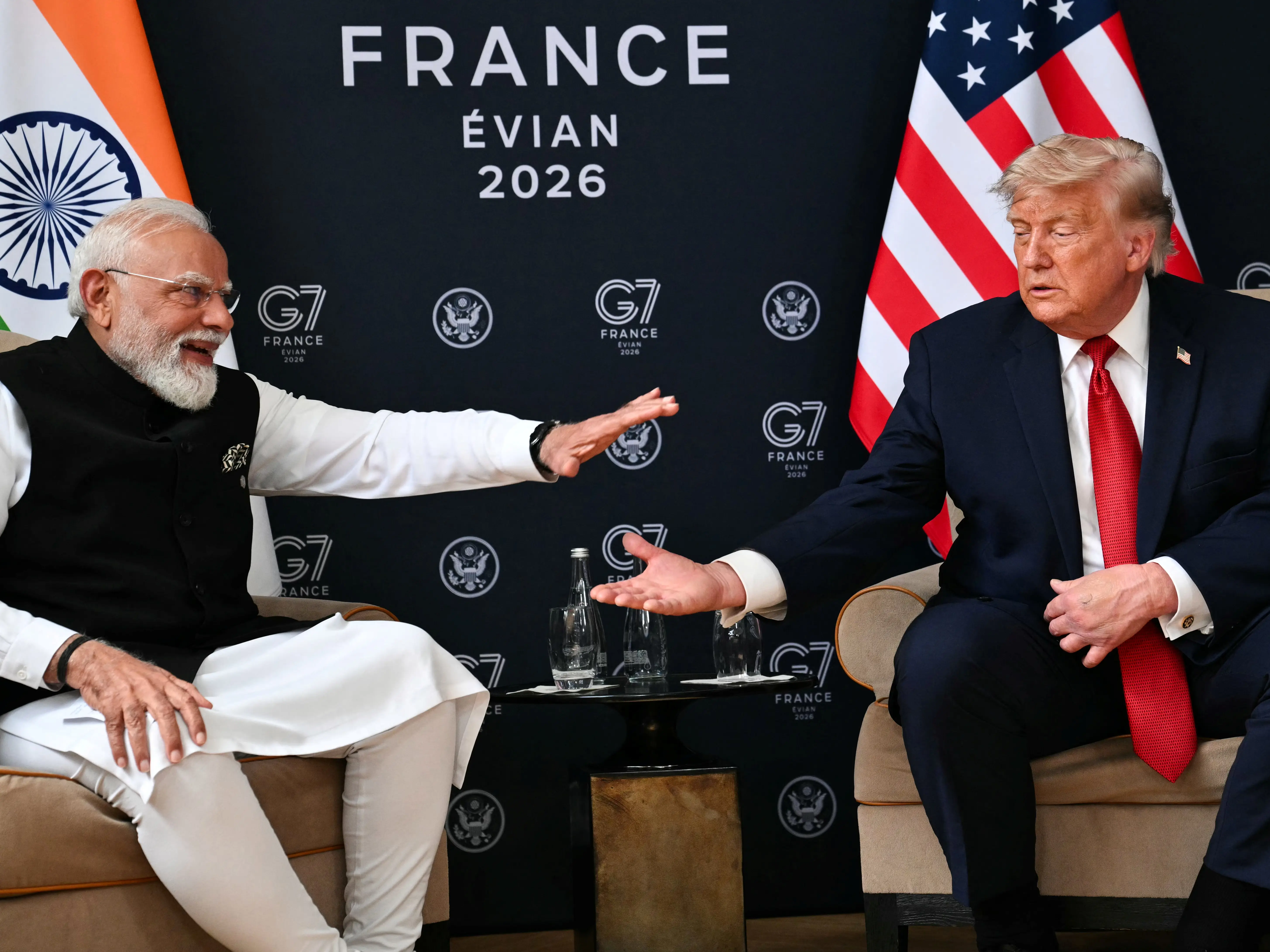
India is not a member of the G7 grouping. Yet once again this year, Prime Minister Narendra Modi has been invited to attend the summit, scheduled from June 15 to 17 in Évian-les-Bains, France. The invitation came from the host country, France, with President Emmanuel Macron formally inviting Indian Prime Minister Narendra Modi to attend the summit as a special guest. Significantly, this will mark Modi's seventh consecutive participation in a Group of Seven leaders' summit. Does this signal that India has moved from being a guest invitee to becoming an indispensable partner for the G7? WION decodes.
Why France invited India

Highlighting India's rise as one of the G7's most significant non-member partners, Prime Minister Narendra Modi is set to attend the summit in Évian-les-Bains, France. France extended the invitation in February of this year when Macron visited India. The French President also invited India to participate actively in the discussions and preparatory work ahead of the Summit, mainly on the key issues of tackling global macroeconomic imbalances and defining a new paradigm for international partnerships and solidarity.
Previously, in 2025, Canada also extended an invitation to India despite tensions between Ottawa and New Delhi over the killing of Khalistani activist Hardeep Singh Nijjar in 2023. At the time, while facing criticism over the decision to invite India to the Kananaskis summit, Canadian Prime Minister Mark Carney firmly argued that New Delhi is indispensable to discussions on global priorities such as energy security, critical minerals and infrastructure partnerships. Addressing the media, Carney stressed that India is the world's fifth-largest economy and "effectively the most populous country in the world, central to a number of those supply chains, at the heart of a number of those supply chains, so it makes sense."
India's growing role at the G7
Trending Stories
)
The Royals enter the Doctor Who universe: King Charles and Queen Camilla beam into Commonwealth Games in TARDIS
)
'Agitation cannot justify lathi-charge': CJI Surya Kant's BIG response to police brutality against protesting students
)
India avoids higher US tariff, secures lower 10% rate. Here's how
)
Hidden in British archives: Scientists decode 200-year-old Indian scroll that helped sailors cross one of the world's toughest seas
)
He predicted COVID-19 and 2008 economic crisis, was labeled fearmonger. Now he has another dire warning
)
'House raided, father picked up': UP man Mohd Junaid alleges crackdown after CJP protest; Police deny claims
)
Trump's latest rant is about a 'massive television outage' that never happened
)
Putin rambles in TV speech after cancelling Navy Day parade fearing an attack by Ukraine
)
RSS backed Jantar Mantar student protest? Mohan Bhagwat's 'question authority' remark resurfaces
)
Oil tanker explodes in the Strait of Hormuz after hitting a naval mine
)
ChatGPT invoked God, told pastor not to worry about his symptoms. Then pulmonary embolism hit
)
NEET Protests riddled with misinformation? Delhi Police blocks 480 Pakistan-based handles spreading 'fake news' since Operation Sindoor
)
Delhi Police issues BIG statement on viral 'don't leave national capital without permission' notice | FACT CHECK
)
'They’re afraid right now...': Netanyahu reacts for first time after Mamdani threatens arrest over ICC warrant
)
Trump says Iranian school bombing photos could be AI-generated - 'I don’t think...'
)
Lock Upp elimination takes dramatic turn as Shivangi Joshi's candid admission grabs attention
)
Google ends Play Services Support, likely to stop these Android phones from downloading apps & games
&im=FitAndFill=(700,400))
New OTT releases this week (July 27-August 2, 2026): The Devil Wears Prada 2, Batman, Demon Slayer- 5 titles coming on Netflix, Prime Video and more
)
Will Iran war last months or even years? Here's what new poll shows about what most Americans think
)
US says Turkey still barred from F-35 program until it gives up Russian S-400 system: Report
)
Spain: Fresh wildfires break out in Valencia
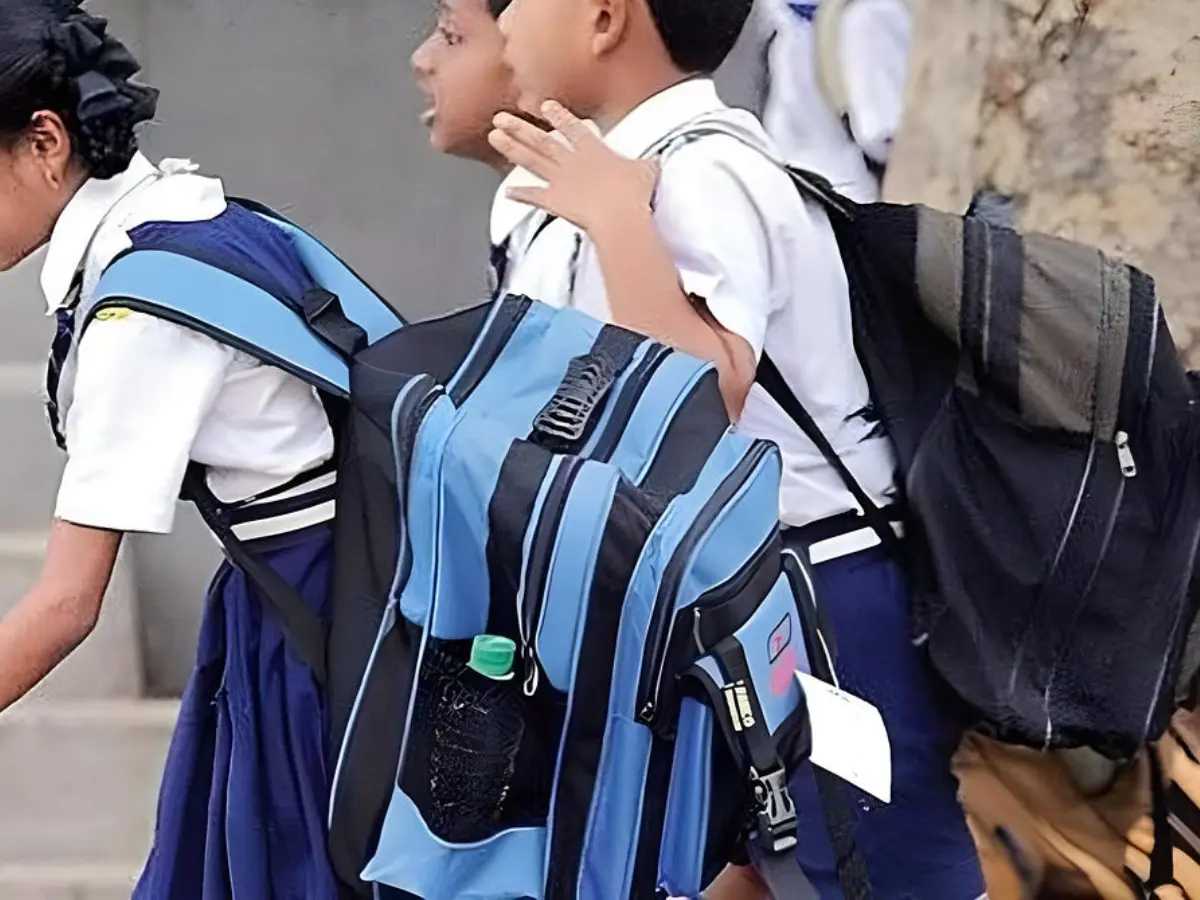)
Bihar wants 'backless Saturday’ in govt schools as official notice misspells 'bagless'
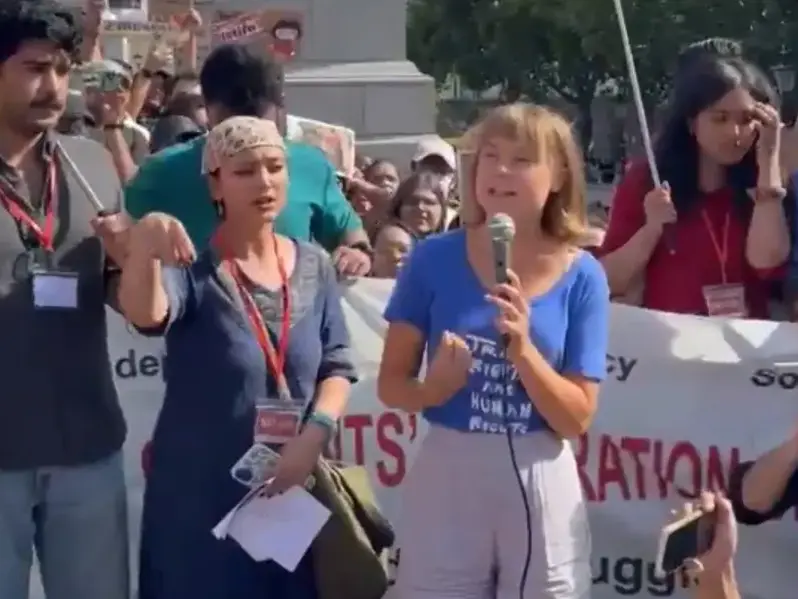)
'Broader struggle for democracy...': Greta Thunberg joins Indian students protest in London - What she said
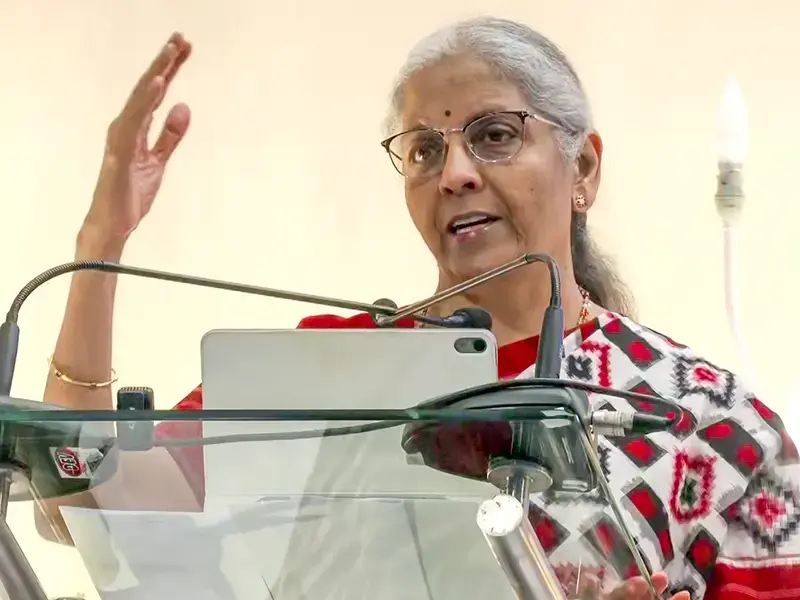)
'We didn't stop them...: Union Finance Minister Nirmala Sitharaman's first reaction on student protests
&im=FitAndFill=(700,400))
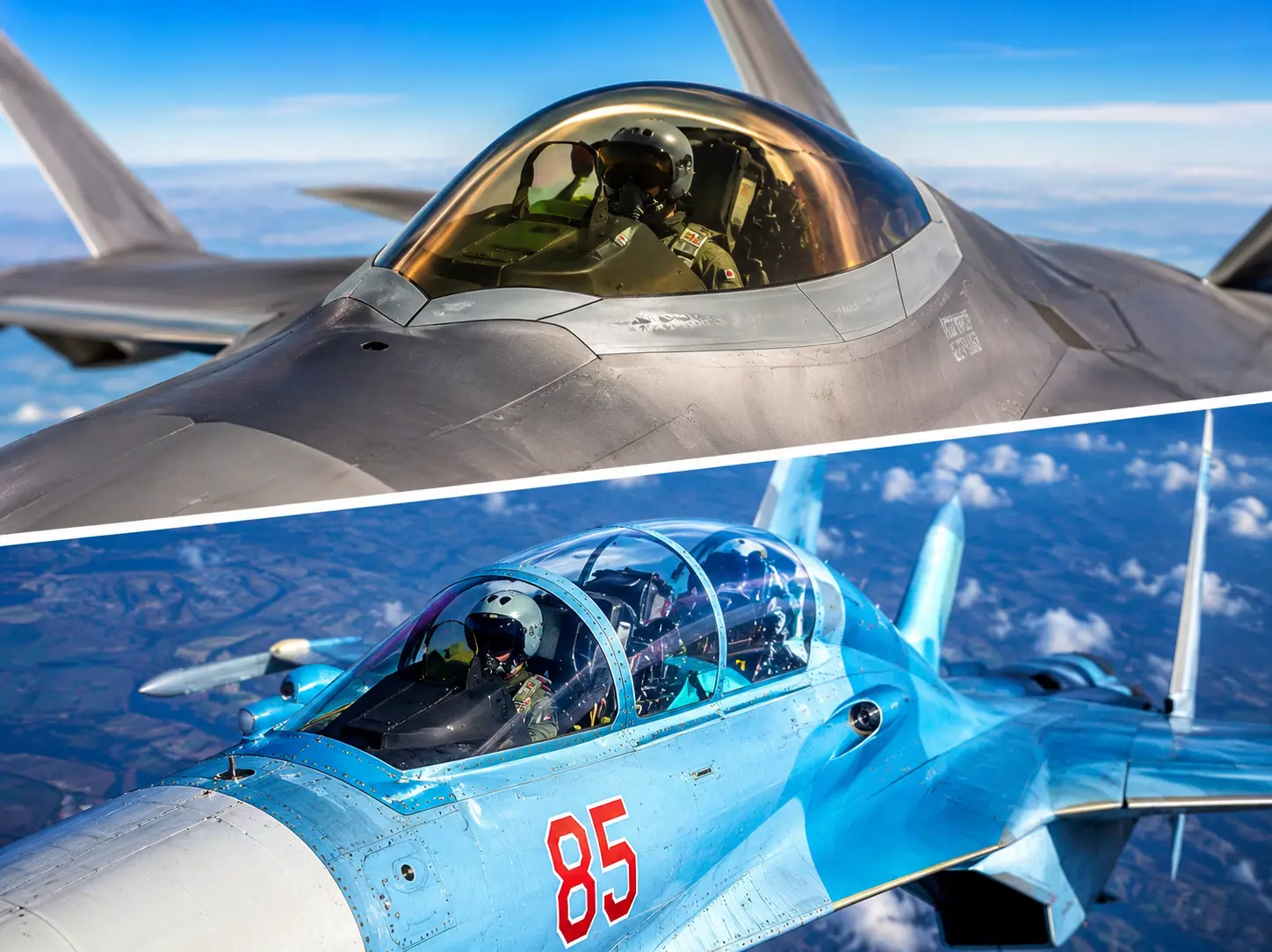
Why US fighter jets use seamless bubble canopies compared to Russian jets
)
What we know about Seattle mass shooting: 3 dead, suspect arrested and one at large
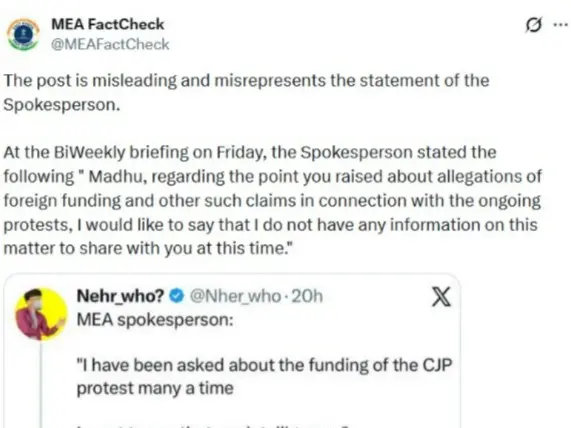)
India's foreign ministry debunks viral claim made during last week's protests
India has steadily positioned itself as the voice of the Global South — a diplomatic bridge between industrialised Western economies and the developing world. In recent years, by pushing issues central to the Global South — such as climate finance, food security and fair debt restructuring — onto the G7 agenda, New Delhi has helped ensure the forum remains globally inclusive rather than narrowly Eurocentric.
Additionally, as the world's most populous nation and fifth-largest economy, India remains central to Western efforts to diversify global supply chains away from China ("China+1" strategy).
What is the China+1 strategy?
The China Plus One (C+1) strategy is a supply-chain approach that encourages companies to reduce overdependence on China by developing at least one additional manufacturing or sourcing base, thereby spreading risk.
The approach began to take shape around 2013 amid concerns over the world's growing reliance on China. It has since gained momentum due to trade tensions, COVID-19 disruptions and rising labour costs in China.
Countries such as India and Vietnam have emerged as key alternative destinations for global companies looking to diversify beyond China.

