Who will be Mumbai’s next Mayor? Lottery will decide

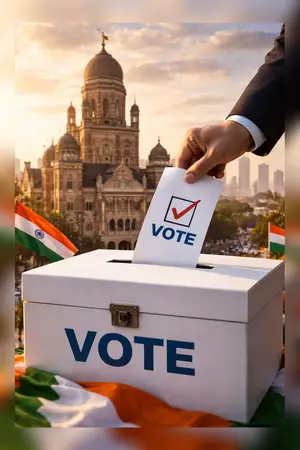
Who will be Mumbai’s next Mayor? Lottery will decide Photograph: (Credit: AI/Representational image)
The BMC, India’s largest municipal corporation, has 227 corporators, who vote to elect the mayor.
Mumbai has completed the BMC elections, but the city is still without a mayor. The reason: the mayoral post will be decided through a lottery system, not direct election. This lottery determines which social category—such as women, SC, ST, OBC, or general—the next mayor must come from, a process designed to ensure fair representation.
How the Mayor Is Chosen
The BMC, India’s largest municipal corporation, has 227 corporators, who vote to elect the mayor. A candidate needs a simple majority of 114 votes to win. Even though parties have secured their seats in the recent elections, the mayoral race cannot officially start until the lottery determines the reserved category.
Why the Lottery Exists
Mumbai’s reservation system is based on the 74th Constitutional Amendment Act, which ensures inclusivity in urban governance. Maharashtra’s Municipal Corporations Act extends this, including OBCs in the rotation. The lottery rotates the mayoral post among different categories, giving various social groups an opportunity to hold the city’s top ceremonial post.
The Lottery Process Explained
Trending Stories
&imwidth=280&imheight=210&format=webp&quality=medium)
&im=FitAndFill=(700,400)&imwidth=280&imheight=210&format=webp&quality=medium)
&im=FitAndFill=(700,400)&imwidth=280&imheight=210&format=webp&quality=medium)
&imwidth=280&imheight=210&format=webp&quality=medium)
&imwidth=280&imheight=210&format=webp&quality=medium)
&imwidth=280&imheight=210&format=webp&quality=medium)
&imwidth=280&imheight=210&format=webp&quality=medium)
&imwidth=280&imheight=210&format=webp&quality=medium)
&imwidth=280&imheight=210&format=webp&quality=medium)
&imwidth=280&imheight=210&format=webp&quality=medium)
&imwidth=280&imheight=210&format=webp&quality=medium)
&imwidth=280&imheight=210&format=webp&quality=medium)
&imwidth=280&imheight=210&format=webp&quality=medium)
&imwidth=280&imheight=210&format=webp&quality=medium)
&imwidth=280&imheight=210&format=webp&quality=medium)
&imwidth=280&imheight=210&format=webp&quality=medium)
&imwidth=280&imheight=210&format=webp&quality=medium)
&imwidth=280&imheight=210&format=webp&quality=medium)
&imwidth=280&imheight=210&format=webp&quality=medium)
&imwidth=280&imheight=210&format=webp&quality=medium)
&imwidth=280&imheight=210&format=webp&quality=medium)
&im=FitAndFill=(700,400)&imwidth=280&imheight=210&format=webp&quality=medium)
&imwidth=280&imheight=210&format=webp&quality=medium)
&imwidth=280&imheight=210&format=webp&quality=medium)
&imwidth=280&imheight=210&format=webp&quality=medium)
&imwidth=280&imheight=210&format=webp&quality=medium)
&imwidth=280&imheight=210&format=webp&quality=medium)
&imwidth=280&imheight=210&format=webp&quality=medium)
&imwidth=280&imheight=210&format=webp&quality=medium)
&imwidth=280&imheight=210&format=webp&quality=medium)
&imwidth=280&imheight=210&format=webp&quality=medium)
&imwidth=280&imheight=210&format=webp&quality=medium)
&imwidth=280&imheight=210&format=webp&quality=medium)
The Urban Development Department of Maharashtra oversees the draw. Officials prepare a list showing the rotation sequence, and a public draw randomly selects the category for the next term. Once the lottery result is out, parties can nominate corporators eligible to contest for the post.
Voting and Role of the Mayor
After nominations, the corporators vote in a special BMC session. The candidate with the majority becomes mayor for a two-and-a-half-year term. While largely ceremonial, the mayor presides over BMC meetings and represents the city in official functions. The Municipal Commissioner continues to hold executive power.
Why It Matters
The lottery ensures transparency and neutrality, preventing any party from manipulating the reservation system. In Mumbai’s closely contested political landscape, it’s a critical step that can influence which party ultimately occupies the mayor’s office. With the lottery and subsequent vote pending, all eyes are on who will become the city’s next first citizen.
