Triple talaq verdict: What it took for the five women petitioners

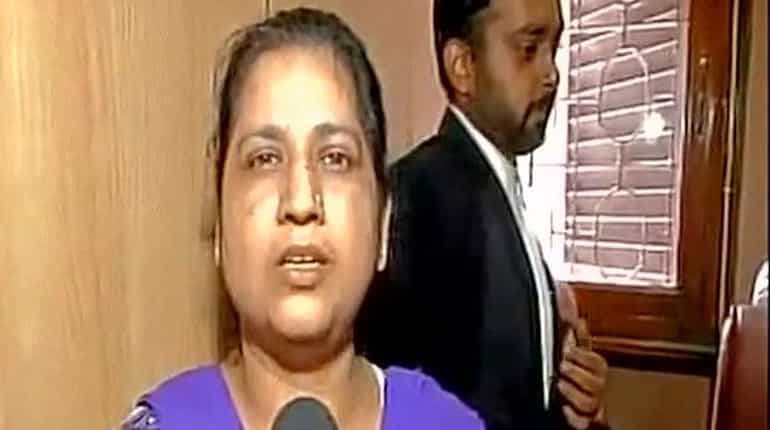
Shayara Bano
A look at the journey of the five petitioners in the case. Their marriage has been restored after the milestone judgement.
The Supreme Court verdict banning the practice of triple talaq in India is a landmark victory for Muslim women who had long argued that it violates their right to equality.
Triple talaq allows Muslim men to divorce their wives simply by uttering the word "talaq" three times. Muslim women say they have been left destitute by husbands divorcing them through "triple talaq", including by Skype and WhatsApp.
A look at the journey of the five petitioners who challenged triple talaq. Their marriage has been restored after the milestone judgement.

Shayara Bano: The main plea in the case was filed by 36-year-old Shayara Bano, who was divorced by her husband of 15 years through a talaqnama (written letter) with the word "talaq" written thrice.
"Finally, I feel free today," she said after the ruling. ""I have the order that will liberate many Muslim women."
Shayara, who is suffering from multiple ailments, accuses her in-laws of forcing her to have six abortions and says she suffered from immense physical and mental stress.
)
Three labourers killed as DU student loses control of his car, rams into them on Dwarka Expressway
)
Pentagon revives mandatory testosterone testing for male troops aged 30 and above
)
FACT CHECK: Why did PM Modi ask Xi ‘is it okay’ at BRICS Summit? New video reveals...
)
India seeks to build a full semiconductor supply chain
&im=FitAndFill=(700,400))
From Abhishek Sharma to Sahil Chauhan, 5 batters with fastest T20I hundreds
)
Indian activist-lawyer Prashant Bhushan's post brings focus on ‘conflict of interest’ appointments of ex-govt officials at Reliance, Adani groups
)
Pyongyang dismisses US, western pressure over nuclear programme
)
US And Denmark reach Greenland deal, Trump announces expanded military presence
)
Google’s Gemini AI hacks real systems by guessing passwords during security test
)
China may have gained access to US's classified F-35 jets; parts meant for repairs diverted to Hong Kong, sparking Pentagon inquiry
)
NASA research plane reaches 61,000 feet over Panama
)
Godfather of AI Geoffrey Hinton gives US lawmakers a one-year warning on AI
)
Shivakumar attends 79th Kalyana Karnataka Utsav in Kalaburagi
)
Trump signs Russia sanctions law: India faces fresh 100% tariff threat over Russian oil
)
Brigitte Bardot’s private collection set for Paris auction; key items and prices revealed
)
Why Ranveer Singh’s Dhurandhar missed India’s Oscar entry; FFI jury member reveals what happened
)
‘Will go to any extent’: Pakistan vows to defend Saudi Arabia amid Houthi attacks
)
The Verdict | When precision fails: US commits war crime in Minab school strike, UN finds
)
Trump signs Russia sanctions bill into law, targets Moscow’s energy sector
&im=FitAndFill=(700,400))
New Friday OTT releases (September 18, 2026): Lust Stories 3, You+Me, Best of the Best- 8 new titles coming on Netflix, Prime Video and more
)
Fast bowler Brydon Carse faces no charges over Derby nightclub incident
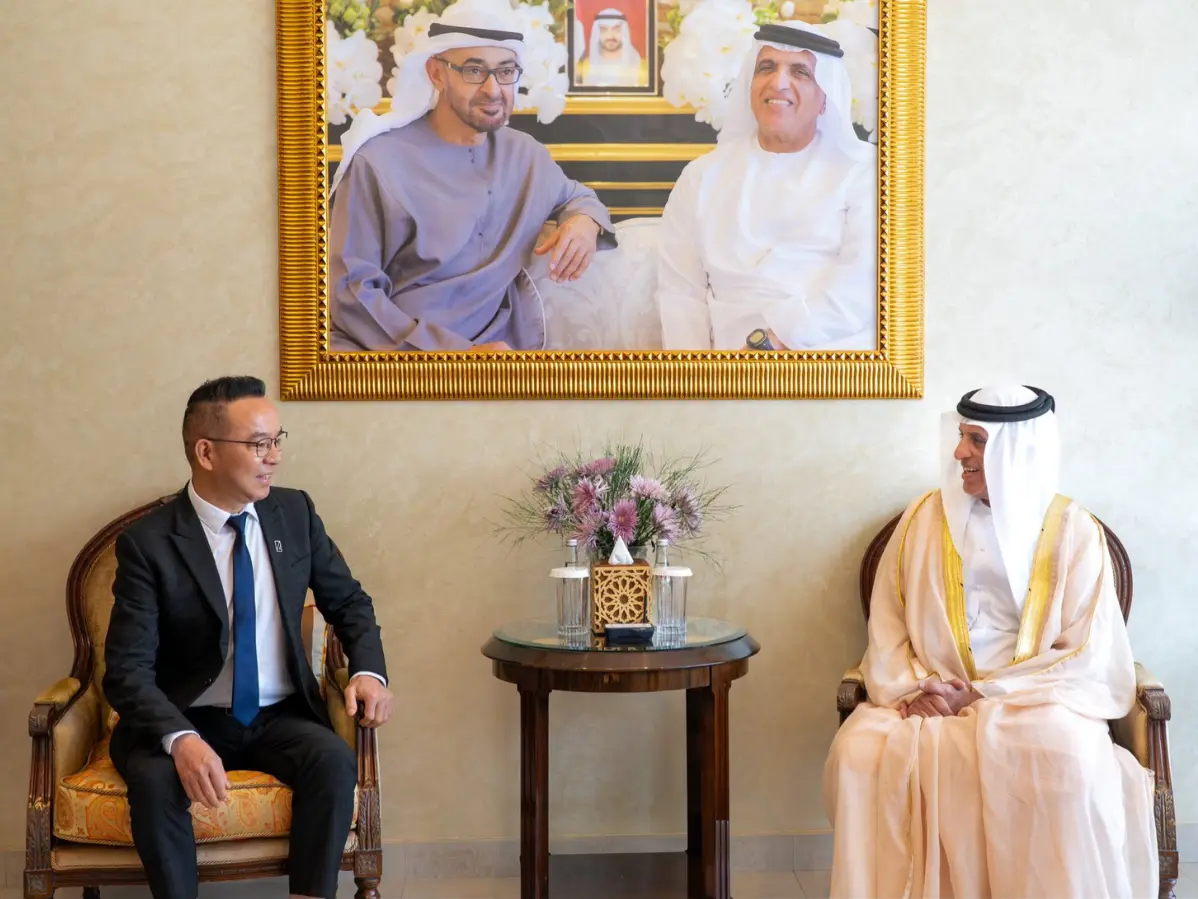)
Flying cars in UAE: Ras Al Khaimah signs deal with Chinese company to test new transport
)
Africa is splitting, and a lot sooner than estimated, giving way to a new ocean
)
'Gangsta' crab shoves knife blade at man and his dog in Florida - Watch
)
Trump bans CNN, MS NOW and Politico from White House over ‘FAKE NEWS’
)
Trump 2.0: Dark days ahead for America’s ‘imperial presidency’
)
Trump's Greenland dream comes true? POTUS announces 'Infinite Life' deal with Denmark, claims permanent US control
)
Drone strikes cooling tower at Russia's Kursk Nuclear Plant, IAEA confirms
)
Who is Khalilur Rahman? All you need to know about 81st UN General Assembly President
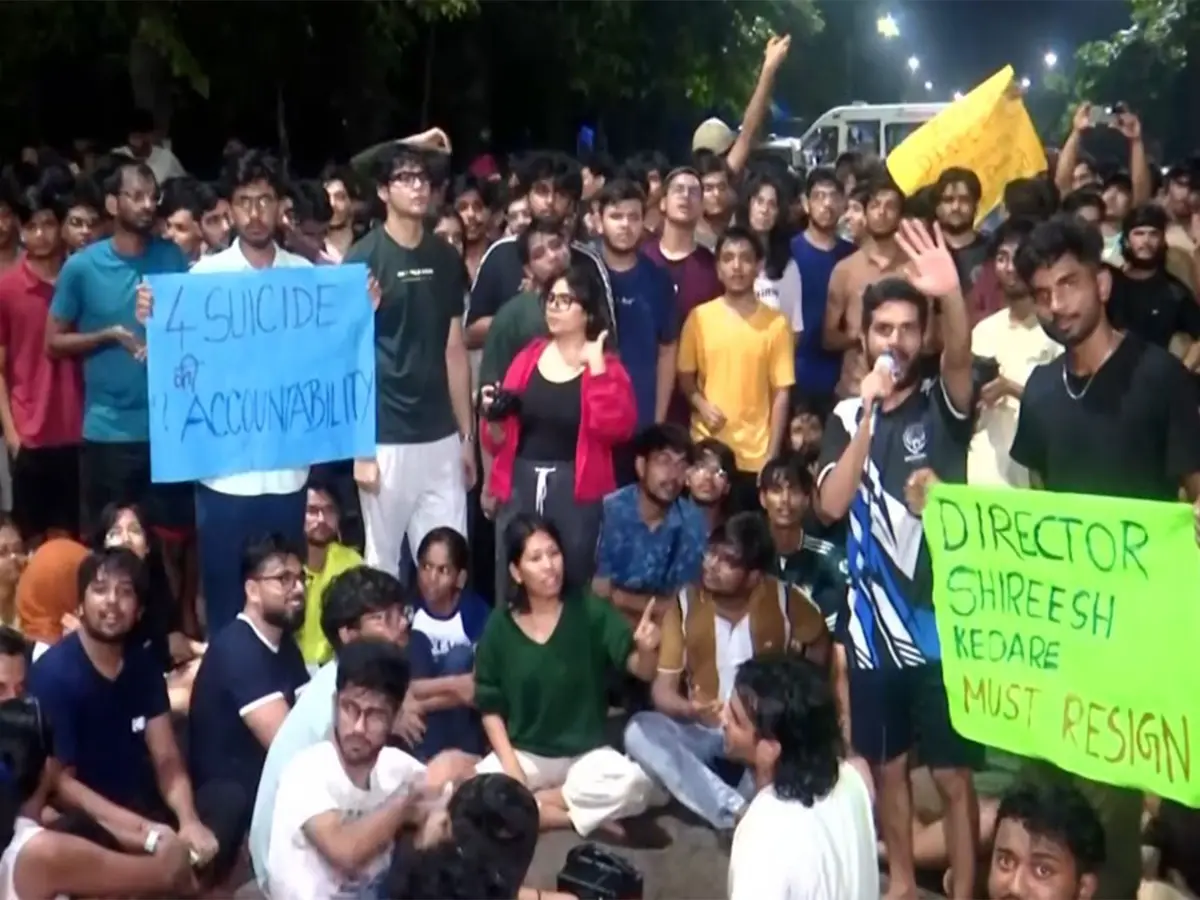)
IIT Bombay student dies by suicide, was caught seeking AI help during exams
&im=FitAndFill=(700,400))
Meet top 5 bowlers in latest ICC T20I rankings
)
Indian Cinema bets big on mythology, brings ancient stories to modern audiences
)
Ukraine plans record $109 bn defence spending, nearly two thirds of budget amid Russia war
)
Russia holds first parliamentary elections since the beginning of the Ukraine war
&im=FitAndFill=(700,400))
Meet top 5 Indian batters with fastest T20I centuries
Ishrat Jahan: Married for 15 years, Ishrat was left in the lurch after her husband uttered "talaq, talaq, talaq" over the phone from Dubai after a fight. Ishrat, 36, alleges her husband came back to the village, remarried and took her two children to Dubai. Her husband has not sent her money for three years and Ishrat was supported by her extended family.
Gulshan Parveen: The postgraduate in English Literature from Uttar Pradesh refused to accept the talaqnama notice sent by her husband while at her parents' home. Her husband approached the family court asking for the
dissolution of marriage, leaving her homeless with her two-year-old son. The Supreme Court clubbed her petition with the others. Married in 2013, she accused her husband of dowry harassment and criminal intimidation following which he was also arrested.
Aafreen Rehman: The 26-year-old petitioned the Supreme Court after she was divorced through speed post. She has accused her in-laws of mentally harrassing her and demanding dowry within a few months of marriage
in 2014.
Atiya Sabri: Married in 2012, Atiya is the last petitioner in the case and was divorced on a piece of paper, allegedly because she had two daughters and no son.