
&imwidth=800&imheight=600&format=webp&quality=medium "Rudra's network, Shaktibaan's drone, Bhairav's shock: India's high-tech war plan")
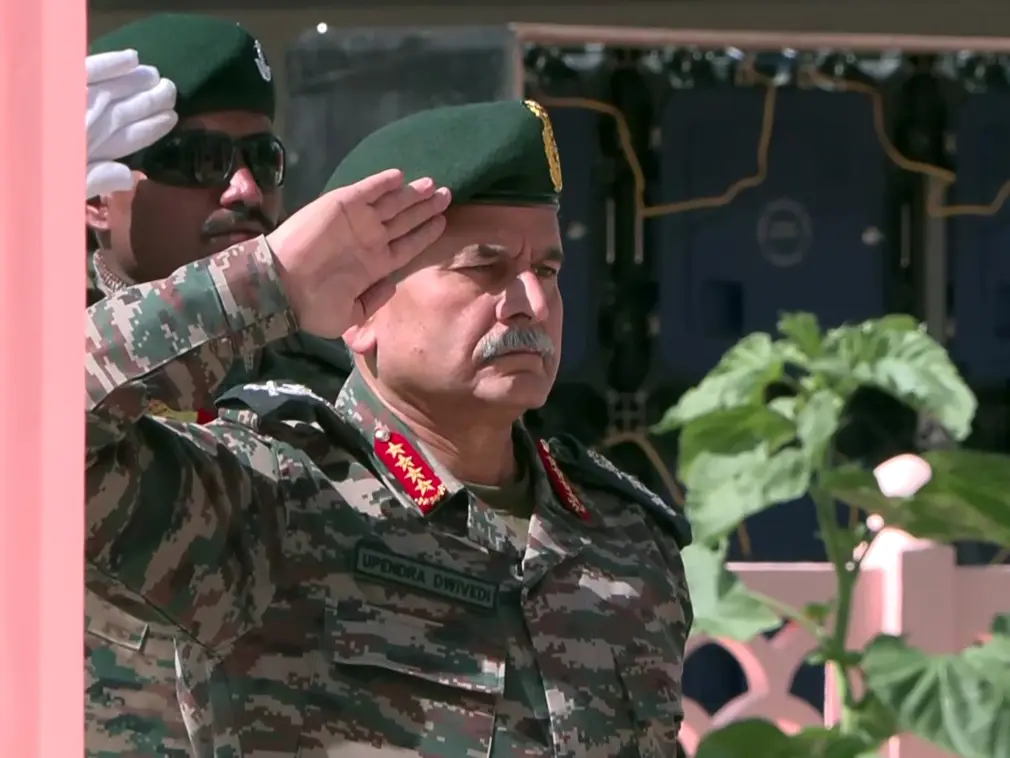
A few days back, the Indian Army’s new frontline groups – Rudra, Bhairav and Shaktibaan – were announced by Army Chief General Upendra Dwivedi.
They are named after Hindu mythological figures.
But experts say this looks more like a continuation of earlier dropped plans rather than a new war strategy.
Beyond their Indian names, these new groups are basically a repackaged version of the old Integrated Battle Group (IBG) plan, first introduced in 2019 by former Army Chief General Bipin Rawat, who later became India’s first Chief of Defence Staff.
The Rudra (‘destruction’) brigades – two already created – combine infantry (foot soldiers), armour (tanks), artillery (big guns), engineers (technical support for bridges/mines), and signals units (communication teams).The main aim is to launch quick attacks into enemy areas.

They were announced by Gen. Dwivedi on Kargil Vijay Diwas (day marking victory in 1999 Kargil War) in Drass (battle site in Ladakh) on July 26.
According to official sources, each Rudra brigade will have about 3,000 soldiers and work as a self-sufficient unit, able to carry out intense, short wars on India’s northern and western disputed borders.
These Rudra formations were given names to show aggression and spiritual symbolism, mixing Hindu mythology with modern military purpose.
Trending Stories
)
Trump-Xi Summit: Trade, Taiwan and the red lines shaping US-China talks | Race To Power
)
US citizen injured in Illinois after ICE agents mistook him for fugitive, hospitalised
)
US judge questions Trump’s decision to ban CNN, MS NOW and Politico from White House
)
Afghan woman cyclist who disguised herself as a boy to escape Taliban, wins Asian Games medal
)
Italy hit by floods in the north, drought in the south
)
'There will be elections': Venezuela's interim leader Delcy Rodriguez makes big announcement at UN
)
Would you date an AI? South Korea’s My AI Partner: Strange Love sparks buzz on relationship and intimacy
)
'Arrogant parasites': Milei blasts UN over Falklands dispute, warns Argentina will ‘take matters into our own hands’
)
IIT Bombay CCTV footage emerges: Sahil Wakode seen looking at phone in examination hall
)
Cyclone Arnab: Landfall expected before midnight tomorrow as IMD issues orange alerts across six states
)
9 killed, several injured as tourist bus catches fire on Yamuna Expressway
)
NBA player Steven Adams shares hilarious GTA VI theory
)
WION Iconic Tourism Summit 2026: Union Minister Shekhawat on 'experiential travel', peace diplomacy
)
'AI got into my speech': Prince Harry jokes after teleprompter failure at event in New York
)
Scientists detect first radio signals directly from faraway planet
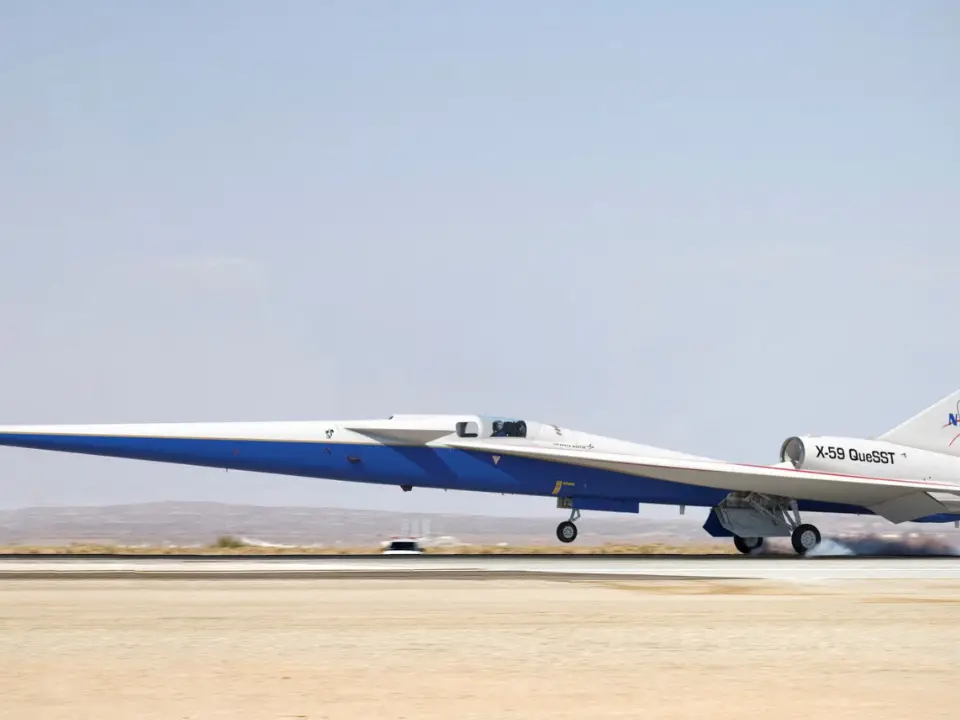)
China to test supersonic jet that moves at Mach 2, double the speed of sound
)
WION Iconic Tourism Summit: 'Hanuman Ansh' Director on blockbuster success
)
'Partners rather than rivals': Xi Jinping's first message after landing in US for Trump summit
)
WION Iconic Tourism Summit: Is India's travel boom outrunning its airports, airlines and hotels?
)
IIT Bombay student suicide case: CCTV from the exam hall hours before suicide
)
2,000-foot tube, laser tests and more: China builds towns to expand nuclear arsenal, satellite images show
)
French court upholds decision to send PSG and Morocco footballer Hakimi to rape trial
)
WION Iconic Tourism Summit and Awards 2026: Key voices to discuss India’s tourism future
&im=FitAndFill=(700,400))
New OTT releases this week (September 21-27, 2026): Shaque: Trust No One, Hunkkaar, Don’t Be Shy- 5 new titles coming to Netflix, Prime Video and more
)
WATCH | China President Xi Jinping lands in US as Trump greets him ahead of high-stakes summit
)
Australian PM Anthony Albanese calls OpenAI AI incident 'unacceptable' after restricted data access
)
Claude Opus 5.5 is here: Anthropic claims it can finish a 680,000-line code migration in less than a day
)
'What kind of confession is this?': Pakistan PM Shehbaz Sharif’s 'terrorists would be roaming New York' remark goes viral, raises alarm online. Watch
)
WION Iconic Tourism Summit: How local tourism MSMEs must upskill for AI integration
)
Eight USS Abraham Lincoln sailors attempted suicide, Acting Navy Secretary says
)
Trump’s Board of Peace unveils $2.45bn Gaza plan,66 projects: But where’s the money?
)
EC appointment law: Why is the 2023 act controversial, and what happens next? WION explains
)
'Putin is patient zero': Zelensky slams Russian president at UNGA, accuses him of using fighters from 47 countries
&im=FitAndFill=(700,400))
National Film Awards 2026: Kartik Aaryan, Mammootty, Yami Gautam, Randeep Hooda and other key winners
)
El Niño 2026 heats up to become strongest in 1,000 years
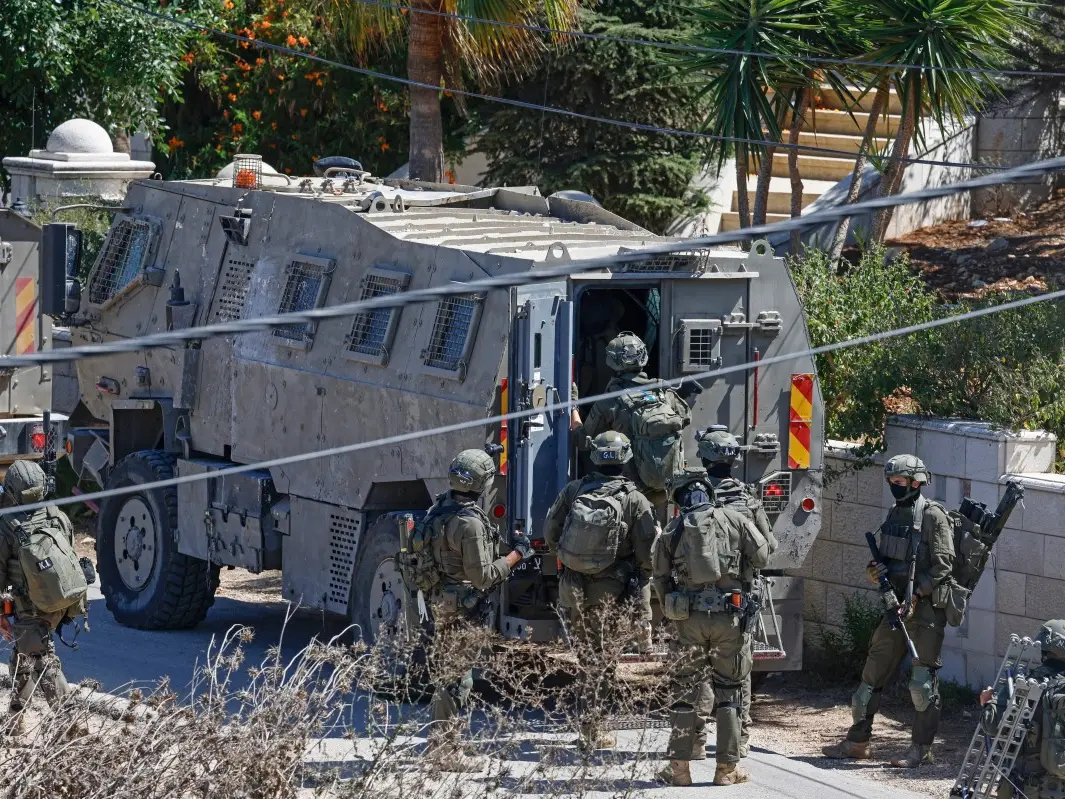)
Israeli envoy to US Yechiel Leiter’s son critically injured in West Bank ramming attack
&im=FitAndFill=(700,400))
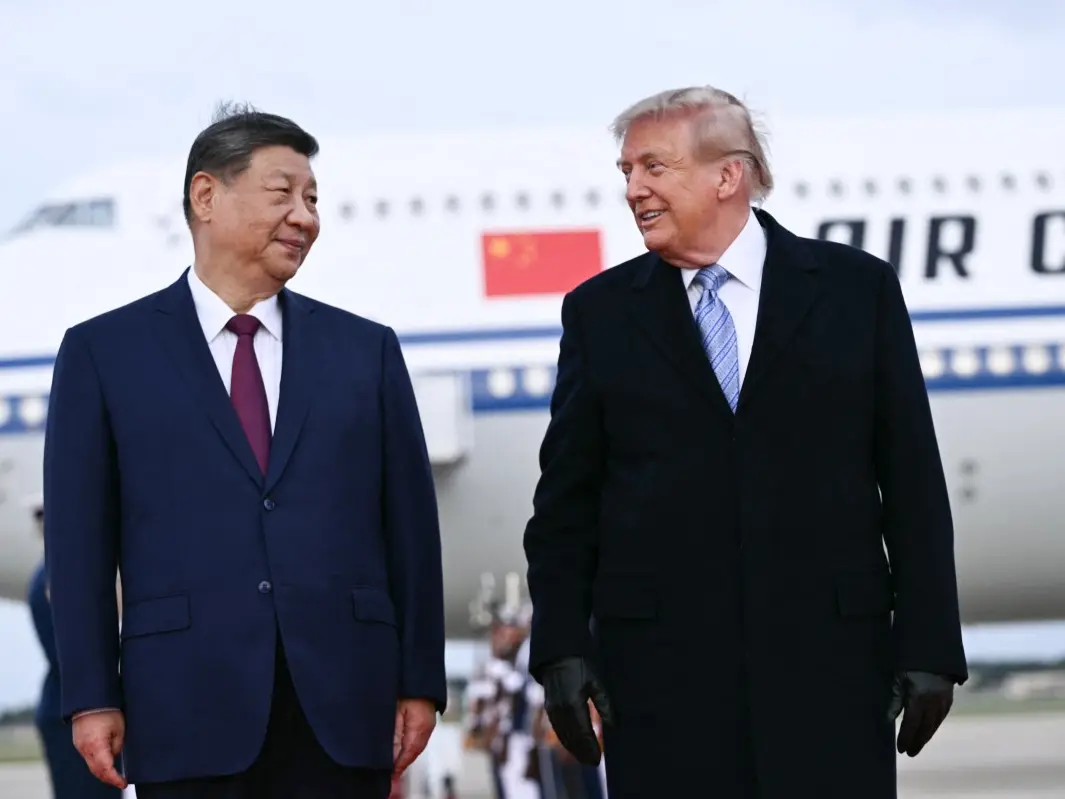
Trump welcomes Xi Jinping in rare airport gesture: Photos from Chinese President's arrival in US
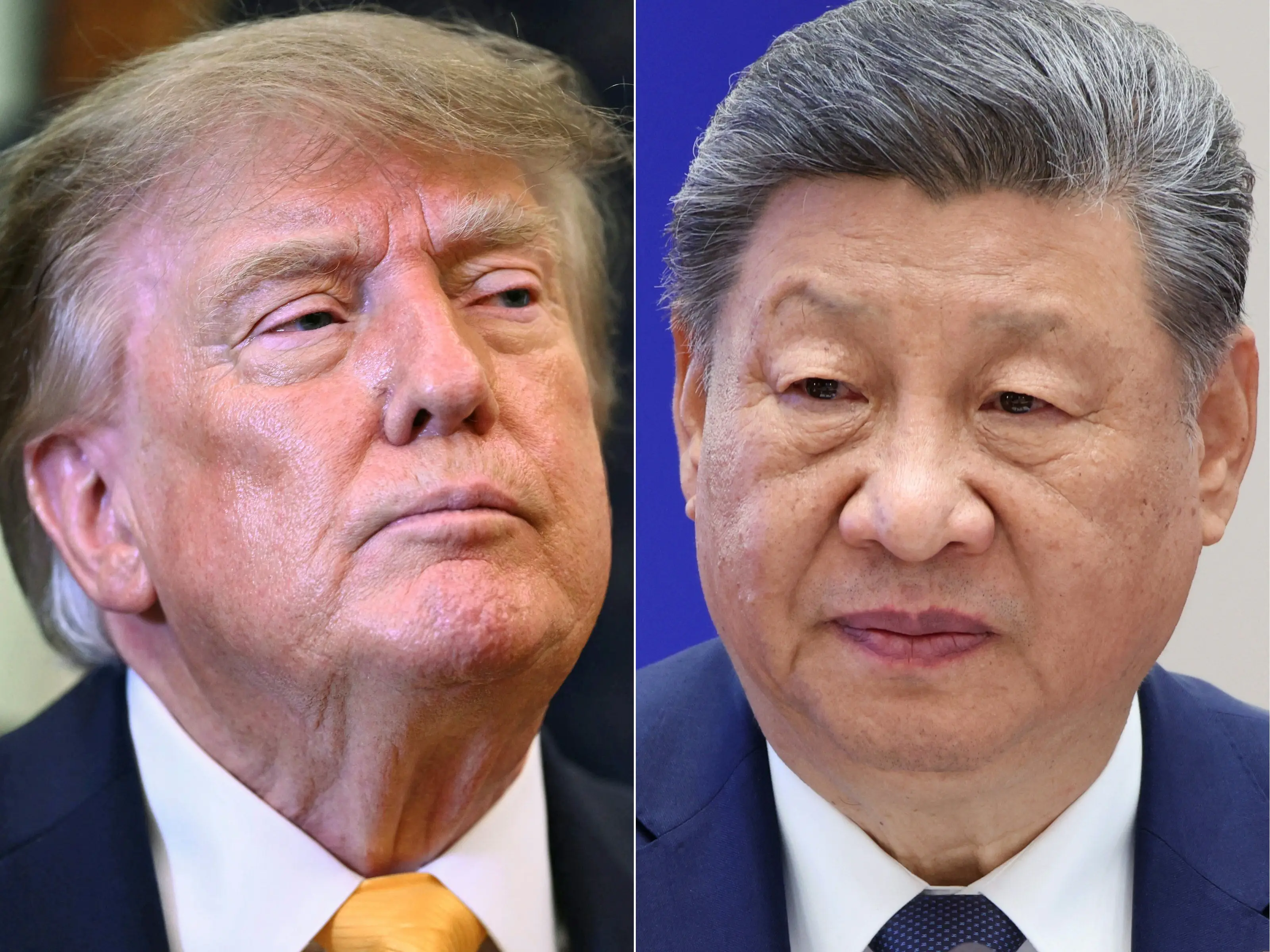)
Xi-Trump meeting: China’s human rights red line and past protests explained
What has changed?
About 10 weeks after fighting with Pakistan stopped under Operation Sindoor, Gen. Dwivedi introduced the Bhairav (‘ferocious’) light commando battalions as shock-and-awe units (troops trained to strike suddenly and create fear in the enemy), likely meant for city battles and close-range fighting.
Also announced were Shaktibaan (‘divine power’) artillery groups (teams using big guns heavy weapons that fire over long distances and missiles), supported by Divyastra (‘precision’) surveillance UAVs (unmanned aerial vehicles), drone units, and loitering munitions (drones that circle and strike targets) to add high-tech firepower.
The Bhairav units are like bigger versions of Ghatak platoons.
A Ghatak platoon is a small team of 20–30 soldiers in an infantry battalion (large group of foot soldiers) that carries out special attacks, scouting missions (checking and gathering information about enemy areas), and secret operations inside enemy areas.
Beyond their fierce names, very little information is shared about the Bhairav formations, so their structure, purpose, and strategy remain unclear.
The proposed Shaktibaan brigades, with precision artillery (accurate heavy weapons) and ISR drones (for intelligence, surveillance, and reconnaissance), were meant for quick cross-border attacks.They will also have cyber and electronic warfare units, which is new because earlier artillery (big guns and heavy weapons) and ISR (intelligence, surveillance, reconnaissance) were seen only as support elements.In Shaktibaan, these tools turn into the main weapons for fighting in a digital-first battlefield.
At the heart of Shaktibaan is the Divyastra unit, which mixes precision strikes and drone warfare using loitering munitions (drones that circle and hit targets), swarm drones, and real-time targeting.Divyastra is built for quick, disruptive attacks on enemy targets like air defences and supply hubs, while keeping soldiers safe, similar to what happened in Operation Sindoor.
IBGs
As per The Wire, official sources said there will be no new recruitments for these units. Instead, some of the Army’s 250 single-arm brigades (each brigade is a large unit with about 3,000–3,500 soldiers of only one type, like infantry, artillery, or armour) will be reshaped into multi-arm groups, without adding more soldiers.
The Chief of Army Staff Gen. Dwivedi’s launch of these ‘Sanskrit-named’ units is basically a revival of the old Integrated Battle Groups (IBGs), first planned under the Army’s ‘Cold Start’ doctrine (strategy for quick strikes into enemy territory).
The ‘Cold Start’ doctrine was made for quick, limited attacks on Pakistan without starting a full war.
It became important after the 2001–2002 Operation Parakram standoff, which happened after the terrorist attack on India’s Parliament that India blamed on Pakistan’s ISI (spy agency).
IBGs, led by major generals, were planned as fast-moving forces of 5,000–6,000 soldiers, combining foot soldiers, tanks, air defence, supply units, and attack helicopters. Their goal was to cut down delay between a political order and military action, allowing quick strikes even under a nuclear threat, before the enemy could react or escalate.
The Army’s 2018 Land Warfare Doctrine improved the IBG plan, with Gen. Rawat pushing for their use on both the Pakistan and China borders.
But the project got stuck due to internal disagreements and bureaucratic delays.
One of the most controversial ideas was to remove the brigadier rank, which met with strong opposition inside the Army. At the same time, Gen. Rawat avoided the bigger challenge – the serious lack of funds needed to turn these plans into reality.
In simple terms, the Army’s vision for new, faster-moving units (IBGs) faced two big hurdles:
Rank issue – Removing the brigadier rank (a key officer position) created unrest, as many officers felt it would disturb promotions and the command system.
Money issue – Even if the concept looked strong on paper, the Army did not have the budget for the necessary equipment, training, and restructuring.
This showed that while bold strategies are easy to design, they are much harder to finance and put into practice.
Despite problems, IBGs were approved in 2019 after many field exercises. But progress stopped because of slow decisions in the defence ministry, unclear logistics, and disagreements within the Army. The bigger change planned under Cold Start never happened – until it was revived at the end of July as Rudra with mythological names.
What happened to Rawat’s proposal?
These new brigades will be led by brigadier-rank officers, keeping their position safe and reversing Rawat’s earlier proposal to remove the rank.
Rudra’s name, like the other Sanskrit-based formations, reflects an effort to highlight Indian traditions. But the military structure behind it is still the same as the IBG design.
What makes Rudra different from the earlier IBG plan is still unclear.
The Army leadership calls Rudra an ‘upgrade’, without mentioning the old IBG plan.
They say over time Rudra brigades will use advanced tech like real-time drone intelligence, networked artillery, battlefield surveillance, and fast communications to make attacks quicker and give units more independence in battle.
These upgrades are also meant to fit into the Integrated Theatre Commands planned under CDS Gen. Anil Chauhan.
But many old problems still remain: disagreements between commands, weak logistics, poor communication links, and unresolved air support issues.
On top of this, delays in getting new equipment – both Indian-made and imported – make the situation even harder.
The question is whether the Indian Army can truly create fast, independent, and integrated units for its unsettled borders, or if these mythologically named formations will simply be presented again in the future with new titles and ceremonies.
