Pakistan’s Khawaja Asif revives anti-India rant, claims New Delhi ‘using Afghanistan as proxy’. Where's the proof?

&imwidth=600&imheight=450&format=webp&quality=medium "Pakistan’s Khawaja Asif revives anti-India rant, claims New Delhi ‘using Afghanistan as proxy’. Where's the proof?")
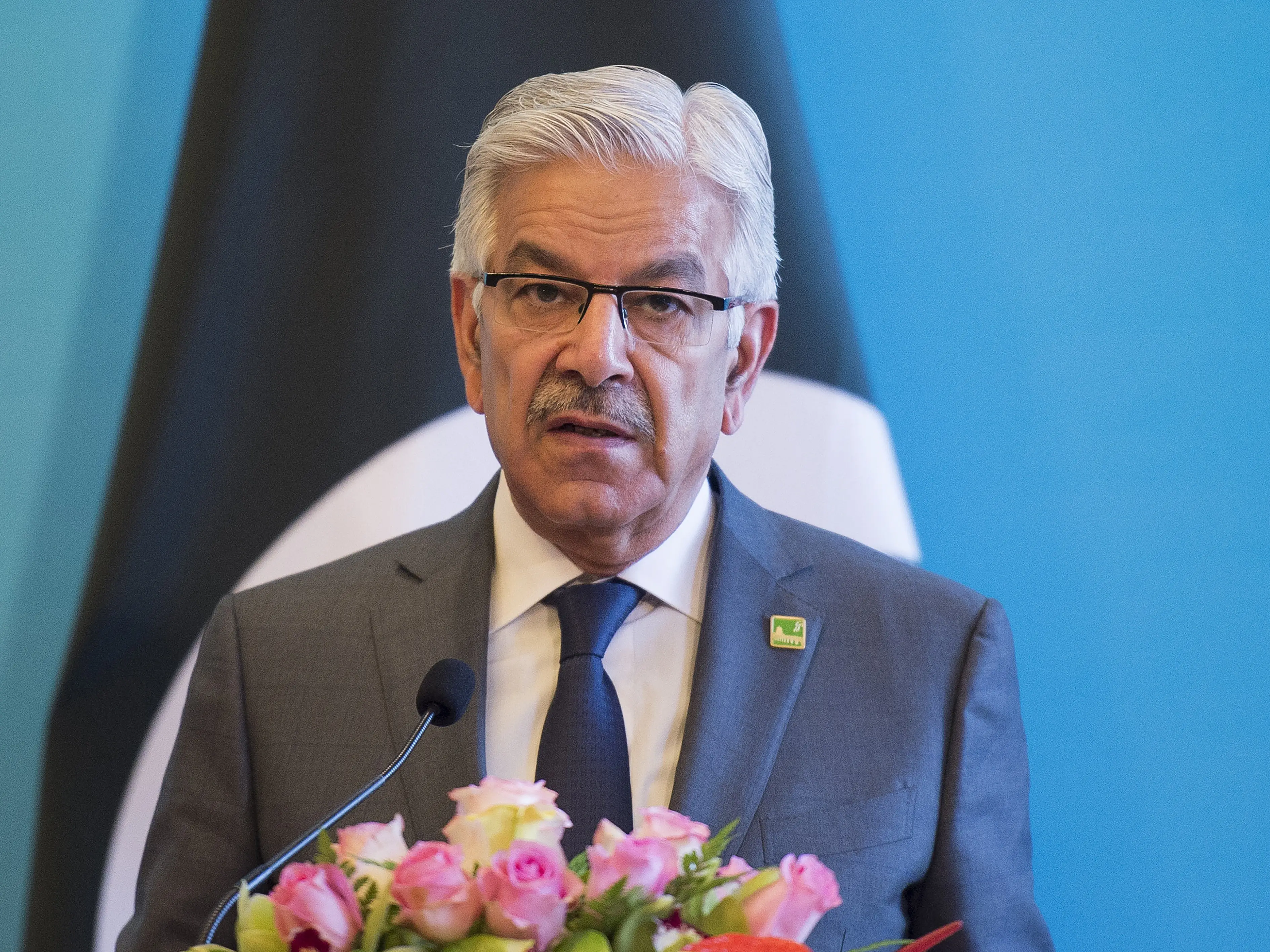
File Photo: Pakistan's Foreign Minister Khawaja Muhammad Asif Photograph: (AFP)
Pakistan’s Defence Minister Khawaja Asif has once again accused India of using Afghanistan as a “proxy” to destabilise Pakistan. But did he share proof to back the claim? Here's what he said.
Pakistan’s Defence Minister Khawaja Muhammad Asif on Saturday (Nov 1) renewed warnings of a "two-front war", while accusing neighbour India of trying to keep Islamabad engaged on both its eastern and western borders. In an interview, the Pakistan Defence minister repeated his allegations that India was using Afghanistan as a "proxy," but did not offer any proof to back the claim. Asif's comments come days after Pakistan and Afghanistan agreed to a ceasefire following last month's deadly border clashes.
What did Khwaja Asif say now?
Speaking to Geo News, Asif alleged that India was using Afghanistan as a "proxy" to destabilise Pakistan. He claimed that "India seeks to keep Pakistan preoccupied on two fronts: the eastern and western". He was referring to recent Pakistan-Afghanistan clashes on the nation's western border and conflict with India on the eastern border, which in May saw New Delhi launch anti-terror Operation Sindoor. Asif failed to present any proof to back his claims but insisted, "If necessary, we will present proof."
The Pak defence minister went further to claim that New Delhi has been "waging a proxy war against Pakistan since the Ashraf Ghani era." He also claimed that India "could play dirty at the border" but said that Pakistan was prepared for a "two-front war".
Asif's latest comments follow his earlier claims that India continues to influence the Taliban government in Kabul. "The people in Kabul pulling the strings and staging the puppet show are being controlled by Delhi," he said, reiterating his accusation that Afghanistan’s leadership was being manipulated by India.
Trending Stories
&imwidth=280&imheight=210&format=webp&quality=medium)
&imwidth=280&imheight=210&format=webp&quality=medium)
&imwidth=280&imheight=210&format=webp&quality=medium)
&imwidth=280&imheight=210&format=webp&quality=medium)
&imwidth=280&imheight=210&format=webp&quality=medium)
&imwidth=280&imheight=210&format=webp&quality=medium)
&imwidth=280&imheight=210&format=webp&quality=medium)
&imwidth=280&imheight=210&format=webp&quality=medium)
&imwidth=280&imheight=210&format=webp&quality=medium)
&imwidth=280&imheight=210&format=webp&quality=medium)
&imwidth=280&imheight=210&format=webp&quality=medium)
&imwidth=280&imheight=210&format=webp&quality=medium)
&imwidth=280&imheight=210&format=webp&quality=medium)
&imwidth=280&imheight=210&format=webp&quality=medium)
&im=FitAndFill=(700,400)&imwidth=280&imheight=210&format=webp&quality=medium)
&imwidth=280&imheight=210&format=webp&quality=medium)
&imwidth=280&imheight=210&format=webp&quality=medium)
&imwidth=280&imheight=210&format=webp&quality=medium)
&imwidth=280&imheight=210&format=webp&quality=medium)
&imwidth=280&imheight=210&format=webp&quality=medium)
&imwidth=280&imheight=210&format=webp&quality=medium)
&imwidth=280&imheight=210&format=webp&quality=medium)
&imwidth=280&imheight=210&format=webp&quality=medium)
&imwidth=280&imheight=210&format=webp&quality=medium)
&imwidth=280&imheight=210&format=webp&quality=medium)
&imwidth=280&imheight=210&format=webp&quality=medium)
&imwidth=280&imheight=210&format=webp&quality=medium)
&imwidth=280&imheight=210&format=webp&quality=medium)
&imwidth=280&imheight=210&format=webp&quality=medium)
&imwidth=280&imheight=210&format=webp&quality=medium)
&imwidth=280&imheight=210&format=webp&quality=medium)
Afghanistan-Pakistan tensions
Tensions between Islamabad and Kabul escalated last month when border clashes killed several soldiers on both sides. The violence coincided with a visit to India by Taliban foreign minister Amir Khan Muttaqi, which Pakistan has viewed with suspicion. Following mediation efforts by Qatar and Turkey, both countries agreed to maintain a ceasefire during talks held in Istanbul earlier this week. Asif said he was hopeful that the truce would hold and that "mediation by friendly nations" would lead to a lasting settlement.

