Opinion: What is the essence of Indian nationalism?


Indian Unity
S Irfan Habib opines that what is at stake now is the essence of ‘liberal nationalism, which the nation has nursed through the last century.
Book Review: “Indian Nationalism – The Essential Writings”
Edited by: S Irfan Habib,
Aleph Book Co, 2017, ISBN: 978-93-86021-05-2, 295 pages

S.I.Habib writes this anthology with a clear view that we need to introspect seriously the democratic and civilised concepts of ‘nation, patriotism, nationalism, and culture’. A better understanding of these concepts can come from only defining and articulating them. Habib, a renowned historian of science and modern political history, has himself tried to define these in the book, Indian Nationalism – The Essential Writings (Aleph Book Co, 2017).
The anthology brings together some selected essays, pieces of debates, speeches and narrations penned over the period around the 1870s to 1980s that are not easy to find. The goal is to understand, interpret and frame nascent nationalism in India from the work of those thinkers. The book highlights, in particular, some of the secular thoughts of Indian Muslim pragmatic thinkers who have put India to be the country of their soul much ahead of their religious identity.
Poet Allama Iqbal writes to (Pandit) Nehru on the question of self-determination of the Muslims, the community's quest for cultural unification:
&imwidth=180&imheight=135&format=webp&quality=medium)
Pakistan to head IMF, World Bank boards after 74 years amid persistent economic crisis
&imwidth=180&imheight=135&format=webp&quality=medium)
Group's fibre-optic drones pose new challenge for Israel
&imwidth=180&imheight=135&format=webp&quality=medium)
CJP's Tiranga march: People hit streets of Delhi again, reiterate call for Gyanesh Kumar's resignation
&imwidth=180&imheight=135&format=webp&quality=medium)
US midterms 2026: Ken Paxton may have Elon Musk to thank if he wins the Texas Senate race. Here's why
&imwidth=180&imheight=135&format=webp&quality=medium)
AI decodes Napoleon-era secret letter unsolved for more than 200 years. What was hidden in the ciphers?
&imwidth=180&imheight=135&format=webp&quality=medium)
Ankita Bhandari murder case: Parents meet CBI, seek impartial investigation
&imwidth=180&imheight=135&format=webp&quality=medium)
US budget deficit nears $2 trn as tariff refunds rise; debt crosses $40 trn
&imwidth=180&imheight=135&format=webp&quality=medium)
Gravitas | Iran threatens to hit key bridges in 7 countries if US resumes strikes
&imwidth=180&imheight=135&format=webp&quality=medium)
Ukraine drone strike disrupts 22 Russian airports, over 200 flights

Not Khan but Pal: Why did Imran Khan choose his mother's surname over his father's? Family tree explained
&imwidth=180&imheight=135&format=webp&quality=medium)
Iranian woman, 23, handed death sentence for ‘blasphemy’ in social media post; appeals for help
&imwidth=180&imheight=135&format=webp&quality=medium)
A secret code, a midnight escape and 300 deaths: The Russian officer who turned on Putin
&imwidth=180&imheight=135&format=webp&quality=medium)
'Turns out the future does have flying cars': Musk's Tesla unveils 'flying' sports car with SpaceX technology | Watch
&imwidth=180&imheight=135&format=webp&quality=medium)
Oregon school shooting: 16-year-old shooter identified, used shotgun bought by mother; Trump praises bystander who shot gunman as 'great hero'
&imwidth=180&imheight=135&format=webp&quality=medium)
After ODIs, T20Is and Tests, cricket set to introduce a new format: All you need to know
&imwidth=180&imheight=135&format=webp&quality=medium)
China tells Israel to stop West Bank settlements, calls Palestine issue ‘historic injustice’
&imwidth=180&imheight=135&format=webp&quality=medium)
‘My president, I mean my husband’: Trump's new press secretary Katie Zacharia's first briefing goes off the rails in 14 minutes
&imwidth=180&imheight=135&format=webp&quality=medium)
China responds to Trump's Press Secretary Katie Zacharia after toilet remark: 'Visit China more often'
&im=FitAndFill=(700,400)&imwidth=180&imheight=135&format=webp&quality=medium)
Who left the White House podium the fastest? Press secretaries with the shortest stints
&imwidth=180&imheight=135&format=webp&quality=medium)
Vijay Deverakonda and Rashmika Mandanna's Ranabaali X Review: Netizens call it history-rich but overstuffed
&imwidth=180&imheight=135&format=webp&quality=medium)
Israel examines Russia's Shahed-type drones sent by Ukraine to combat Iran | Gravitas
&imwidth=180&imheight=135&format=webp&quality=medium)
US midterms 2026: Alexandria Ocasio-Cortez donates $1 million to Abdul El-Sayed’s as Michigan race heats up
&imwidth=180&imheight=135&format=webp&quality=medium)
Here’s who is eyeing the White House press secretary role after Katie Zacharia’s exit
&imwidth=180&imheight=135&format=webp&quality=medium)
BCCI names India’s ODI squad for New Zealand tour, Gill and Iyer to share captaincy
&imwidth=180&imheight=135&format=webp&quality=medium)
Abhishek Sharma sets all-time record for most T20I sixes in a year
&imwidth=180&imheight=135&format=webp&quality=medium)
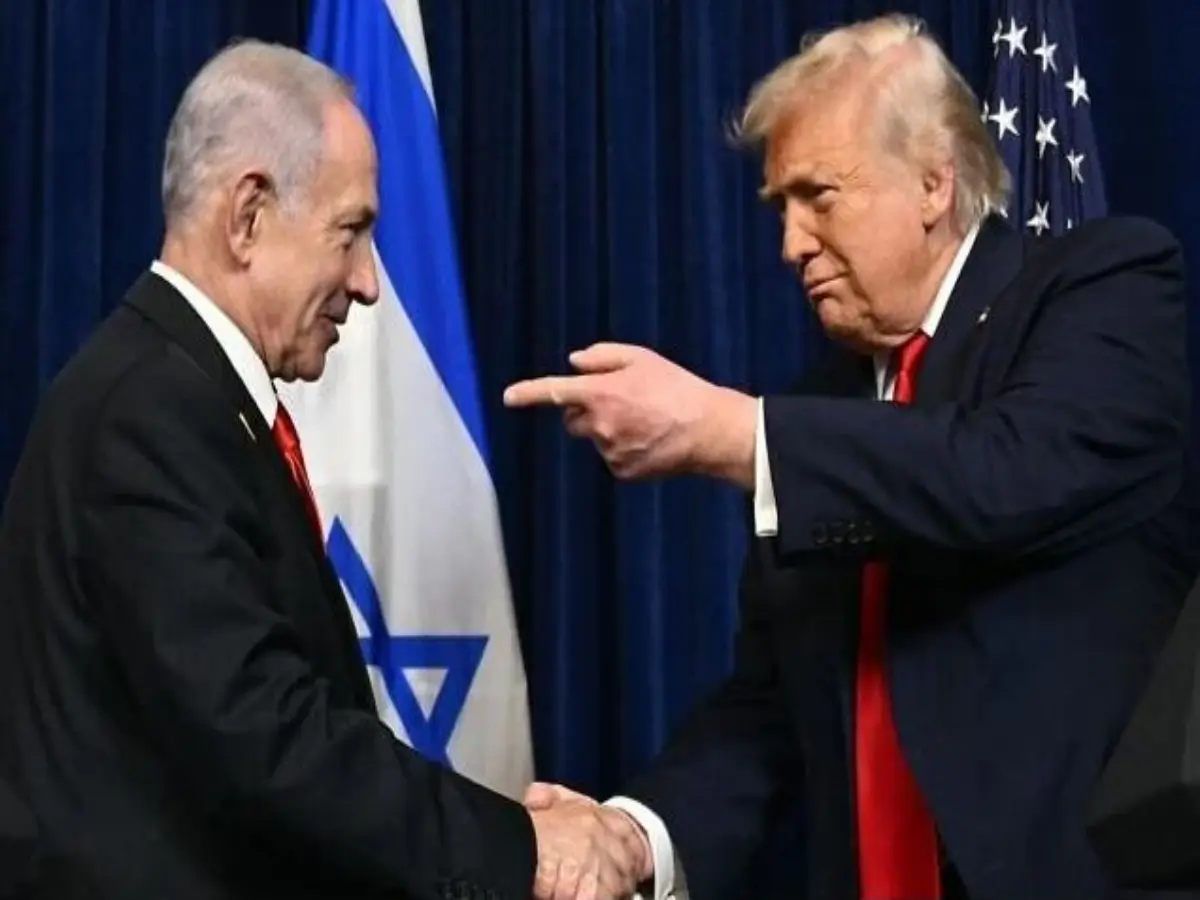
'I don’t trust anybody', says Trump when asked about Netanyahu
&im=FitAndFill=(700,400)&imwidth=180&imheight=135&format=webp&quality=medium)
Inside Tesla's Roadster: 10 features of Elon Musk's 'flying car' that push the limits of electric vehicles | In Pics
&imwidth=180&imheight=135&format=webp&quality=medium)
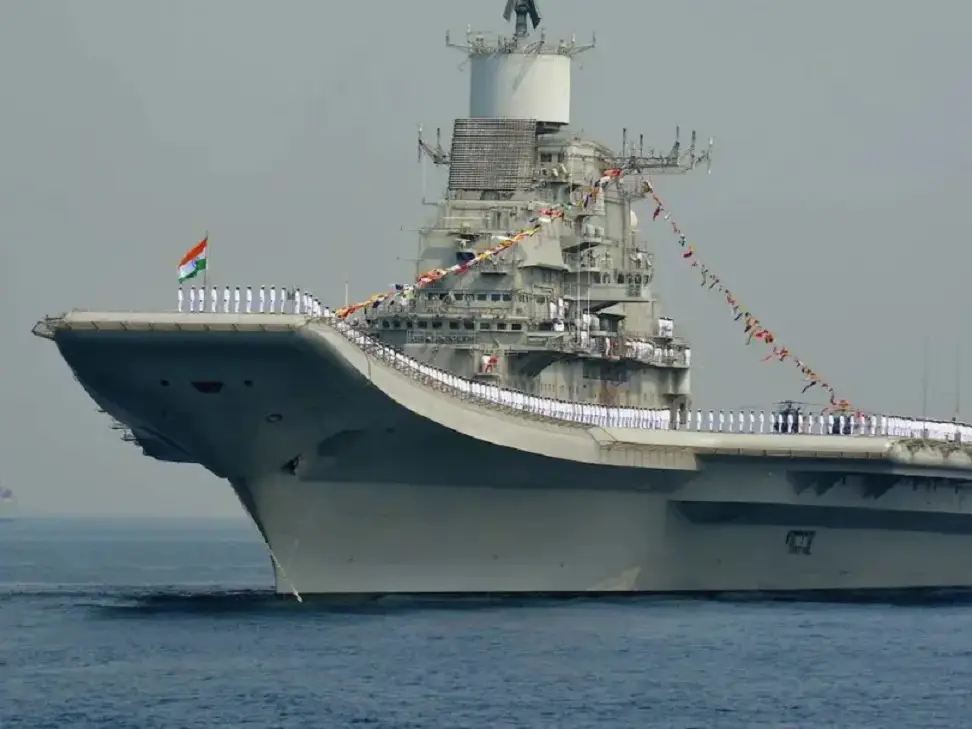
India’s naval priorities: Ex-Navy Chief calls for third aircraft carrier, more warships and submarines
&im=FitAndFill=(700,400)&imwidth=180&imheight=135&format=webp&quality=medium)
New Friday OTT releases (October 16, 2026): DC, Sacrifice, Aasha- 6 new movies and TV shows coming on Netflix, Zee 5, Prime Video and more
&imwidth=180&imheight=135&format=webp&quality=medium)
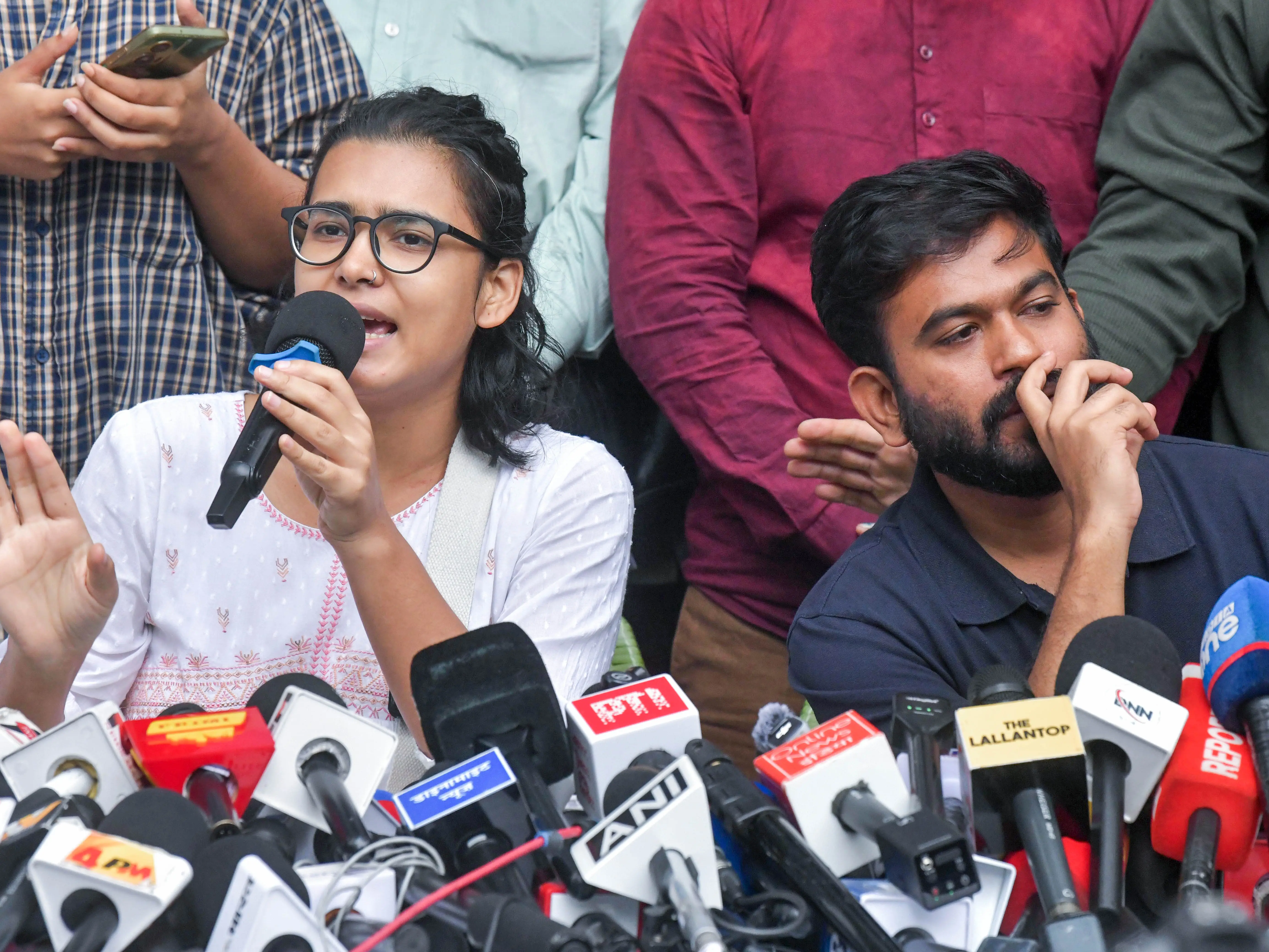
India's Gen Z rebellion: Can the 'Lehra Do Tiranga' movement reshape the political order? | The Verdict

US ends automatic work permit extensions; Indian workers lose 540-day safety net: What it means
&im=FitAndFill=(700,400)&imwidth=180&imheight=135&format=webp&quality=medium)
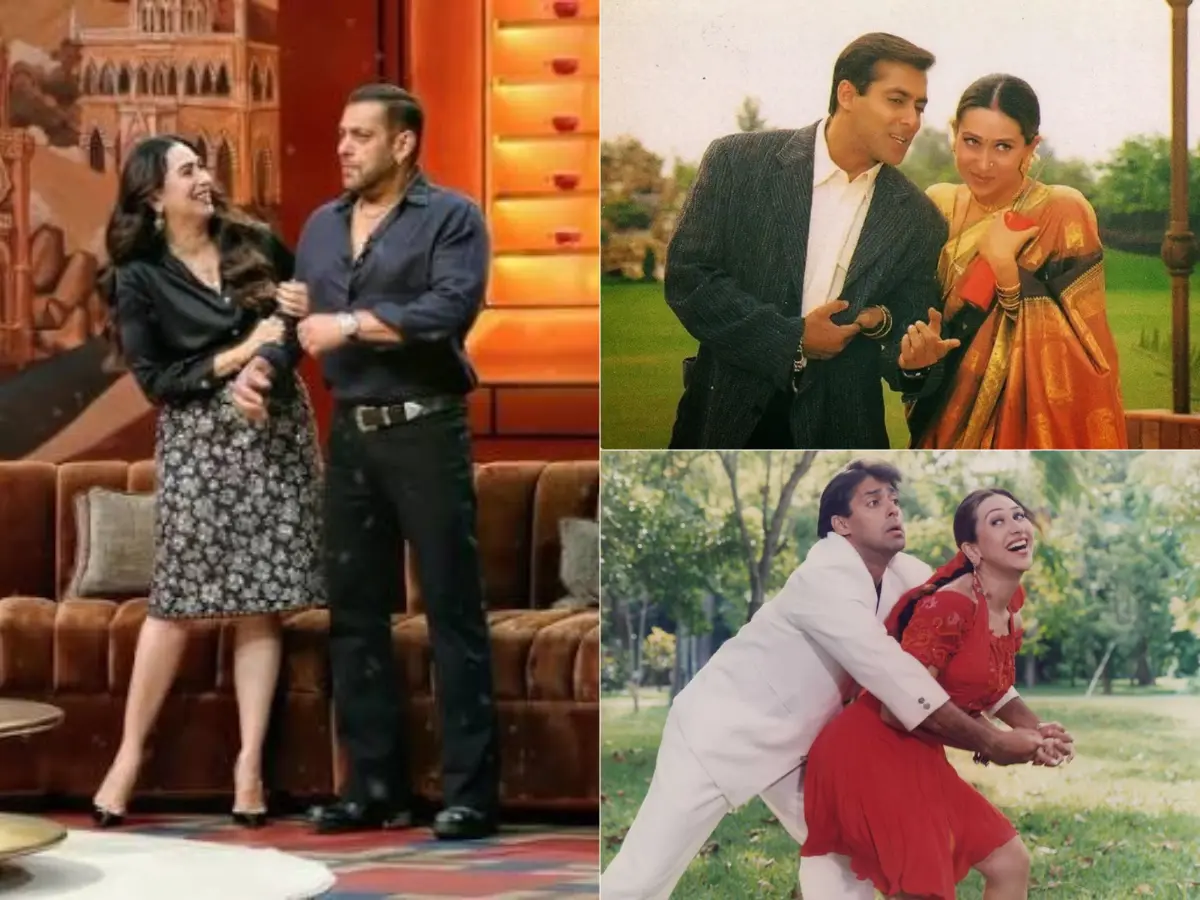
Salman Khan-Karisma Kapoor reunion at Koffee with Karan season 9 sparks nostalgia: A look at their most loved films
&imwidth=180&imheight=135&format=webp&quality=medium)
Did Trump just fire Katie Zacharia as his new press secretary? Here’s what he said
&imwidth=180&imheight=135&format=webp&quality=medium)
Iran rejects Saudi allegations of backing Houthi attacks, renews mediation offer
‘The body and the soul are alike mortgaged to others/Neither the house nor the house-owner remains."
 “Indian Nationalism – The Essential Writings”. Edited by: S Irfan Habib (Others)
Discussing the current state of nationalism in India, S I Habib describes the current spates of events, particularly the JNU crisis of 2016-17, as ‘ballistic nationalism’. The current form of nationalism is different from the nationalism as originally perceived during the formative phases of the freedom movement. The idea of the Indian nation, Habib shows, rests on a ‘liberal-moderate' form of nationalism which gradually transformed into a consensus-based ‘inclusive nationalism’.
Habib, in this anthology, brings out the very many forms of nationalism ranging from economic, combative, paranoid to cosmopolitan.
While referring to the expert views of prominent scholars of nationalism, such as Elie Kedourie and Harold Laski, Habib traces the global discourse on nationalism. Though the first pulse of nationalism became evident in the 1750s, it is only in the twentieth century that the ideas of national received global reception.
An interesting feature of nationalism, Habib points out, is that it is a very strong political emotion, yet malleable enough to accommodate the mix of political, cultural, linguistic and religious identities.
Ruled by ancient and medieval kingdoms, Habib points out that India has been a mixed mosaic. Here, for long, the love was for the dynasties and not for the nation. It was with the oppressive colonial regime that Indian nationalism emerged as a reactive tool. Under this newfound nationalism is where the Indians found an identity beyond local and regional boundaries.
It has been discussed in the essays how British colonial rulers interrupted the political evolution of a nation-state that was driven by the inner dynamics of a disintegrating Mughal empire. A new mix of ‘political community’ got concretised under colonial modernity but that nationalism turned out to be an antithesis of colonisation.
Habib refers to Benjamin Zachariah’s book ‘Playing the Nation Game’ (2011) that discusses a variety of rabid forms of nationalism that emerged particularly because of state-sponsorship to nationalistic fervour. Monopolising the regimented patriotism, the governing power is charging the sentiment of the common people to find ‘the other – the object of hate’ to focus on. Thus, nationalism is transforming into theology, opposing this view is dubbed as blasphemy; history has seldom spared the men of reason.
Any discussion on nationalism within the Indian context is complete without mentioning Jawaharlal Nehru. Habib refers to Nehru's writings before the independence wherein he spoke unequivocally about the forces "which under the guise of ‘their-culture’ narrows our minds and outlook, and essentially restricts and denies..." rather than widen the mind and the spirit. Habib observes that this kind nationalism, the legacy of the freedom struggle, was challenged by the RSS since the 1930s, and has become a serious threat now.
As we celebrate the 69th year of the Indian Constitution, we have to remember that a much inclusive form of nationalism lies at the core of our Constitution. Gopal Gandhi most aptly and crisply sums of the sentiment in the book as ‘India is all Indians and all Indians are India’. Habib opines that what is at stake now is the essence of ‘liberal nationalism, which the nation has nursed through the last century.
The book is pretty well presented except a negligible misprint in the content page; there are two chapter ‘VI’s. In jest, perhaps the publishers did not want a chapter XIII, could have followed the British legacy of calling it ‘XII and Half’, a cabin so numbered in the ‘Woodburn Ward’ of PG Hospital, Kolkata during their regime.
(Disclaimer: The opinions expressed above are the personal views of the author and do not reflect the views of ZMCL)