Lift accident? Maintenance, builders & makers are ALL liable now, rules Supreme Court: 3 major regulations | WION Decodes

&imwidth=600&imheight=450&format=webp&quality=medium "Lift accident? Maintenance, builders & makers are ALL liable now, rules Supreme Court: 3 major regulations | WION Decodes")
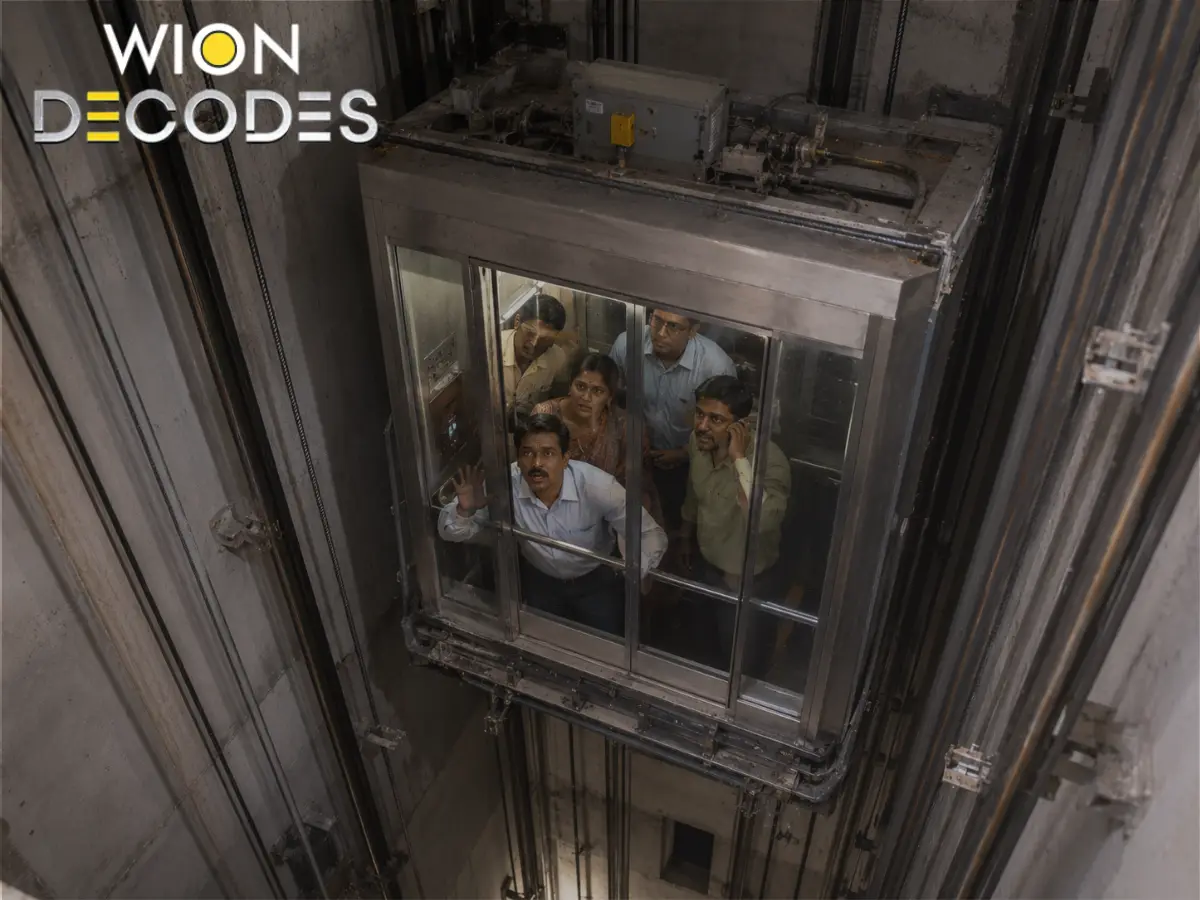
No more shifting blame: Supreme Court rules building owners, makers jointly liable for lift accidents Photograph: (AI-Generated image)
The Supreme Court has ruled that manufacturers, maintenance agencies and building owners can all be held jointly liable for lift accidents, classifying elevators as "common carriers" and introducing stricter legal responsibilities. Here's all you need to know.
India's top court has laid down new rules that could affect every apartment society, office building, and mall with an elevator. In a landmark ruling, the Supreme Court on Wednesday (Jul 29) held that lift accidents are not the responsibility of just one party. Instead, the manufacturer, maintenance agency, and building owner can all be held jointly liable when something goes wrong.
The verdict, arising from a 22-year-old fatal lift accident, is expected to reshape how lifts are maintained, inspected, and managed across India's rapidly growing cities. Here's all you need to know about the landmark SC ruling.
Why did the Supreme Court intervene?
The judgment stems from the 2003 death of former diplomat Vipin Handa at the R&AW headquarters in New Delhi.
The lift had reportedly become stuck between the sixth and seventh floors. During the rescue operation, it suddenly slipped. Handa, who was halfway out of the elevator, was fatally crushed. Eleven others were rescued safely.
Otis Elevator, the manufacturer, argued before the court that the immediate cause was "human error" during the rescue.
Trending Stories
)
)
)
)
&im=FitAndFill=(700,400))
)
)
&im=FitAndFill=(700,400))
)
)
)
)
)
)
)
)
)
)
)
)
)
)
)
)
)
)
&im=FitAndFill=(700,400))
)
)
)
)
)
&im=FitAndFill=(700,400))
)
)
)
)
The Supreme Court disagreed with the elevator manufacturer's claim. It said the records showed the elevator had been malfunctioning for a long time and that multiple agencies were aware of the problems but failed to act.
The court upheld compensation of ₹3.01 crore to Handa's family, along with interest.
Three major rules laid down by the Supreme Court
1. A lift is now treated like a 'common carrier'
One of the biggest legal shifts is the court's decision to classify elevators as common carriers, similar to public transport. The reasoning behind this is simple. Once passengers enter a lift, they surrender complete control over their safety. They cannot steer it, stop it or inspect its condition.
Because users place complete trust in the system, the court said everyone involved in making that system work owes passengers a higher duty of care. "In such a setting, even a slight jolt, a sudden halt or an unusual noise from the machinery can instill fear in passengers. It serves as a reminder to every passenger that safety is not merely an expectation but a fundamental guarantee that every lift must provide," the Supreme Court said.
2. Responsibility will be shared, not shifted
Earlier, accident cases often turned into a blame game. The manufacturer blames the maintenance company; the maintenance company in turn blames the building owner; and the building owner blames the contractor.
The Supreme Court has now made it clear that victims should not have to untangle this chain. It said that a victim or their family can seek compensation from any liable party. If one party believes another bears a larger share of responsibility, they can settle those liabilities among themselves later.
In the Vipin Handa case, Otis Elevators (the manufacturer) sought to blame the maintenance company. It claimed that it had previously advised the installation of a stabiliser to address voltage fluctuation issues, but this recommendation was not implemented. In its ruling, the court found that the liability rests with:
- Otis Elevator Company – 70 per cent
- Military Engineering Services (maintenance oversight) – 25 per cent
- Government department managing the building – 5 per cent
3. Knowing about faults and doing nothing is unacceptable
The court noted that the lift had a documented history of malfunctioning. Despite knowing this, the manufacturer did not ensure adequate safety measures or declare the lift unsafe. Similarly, maintenance authorities failed to supervise repairs properly, while the building managers allegedly ignored repeated complaints.
In other words, awareness without action can itself amount to liability.
What does this mean for apartment societies and commercial buildings?
The ruling significantly raises the bar for everyone responsible for operating lifts.
For Resident Welfare Associations (RWAs), housing societies, office complexes, hospitals and malls, routine maintenance is no longer just good practice. It is a legal responsibility. Ignoring recurring complaints, delaying repairs or continuing to operate a lift known to have faults could expose building managers to substantial legal liability if an accident occurs.
Maintenance agencies, too, may now face greater scrutiny over inspection records, servicing schedules and safety certifications. Meanwhile, manufacturers cannot simply point to maintenance contracts if they were aware of persistent defects and failed to act.
What changes for residents?
For residents and regular lift users, the judgment strengthens consumer rights. If an accident occurs, victims are not expected to investigate who exactly was responsible before seeking compensation.
Instead, they can pursue their claim against any of the responsible entities, leaving the manufacturer, maintenance contractor and building management to resolve liability among themselves.
The ruling also reinforces the expectation that lifts should not continue operating if recurring defects remain unresolved.
What societies and building managers should do now
The judgment effectively creates a new compliance checklist for high-rise societies:
- Ensure lifts undergo regular inspection and preventive maintenance.
- Maintain written service and repair records.
- Act immediately on repeated complaints or unusual lift behaviour.
- Do not continue operating lifts with unresolved safety defects.
- Clearly define responsibilities between manufacturers, maintenance agencies and building management.
- Review insurance coverage for lift-related accidents.

