NDA sweeps Rajya Sabha seats in Bihar, Odisha; Haryana sees close contest

&imwidth=600&imheight=450&format=webp&quality=medium "NDA sweeps Rajya Sabha seats in Bihar, Odisha; Haryana sees close contest")
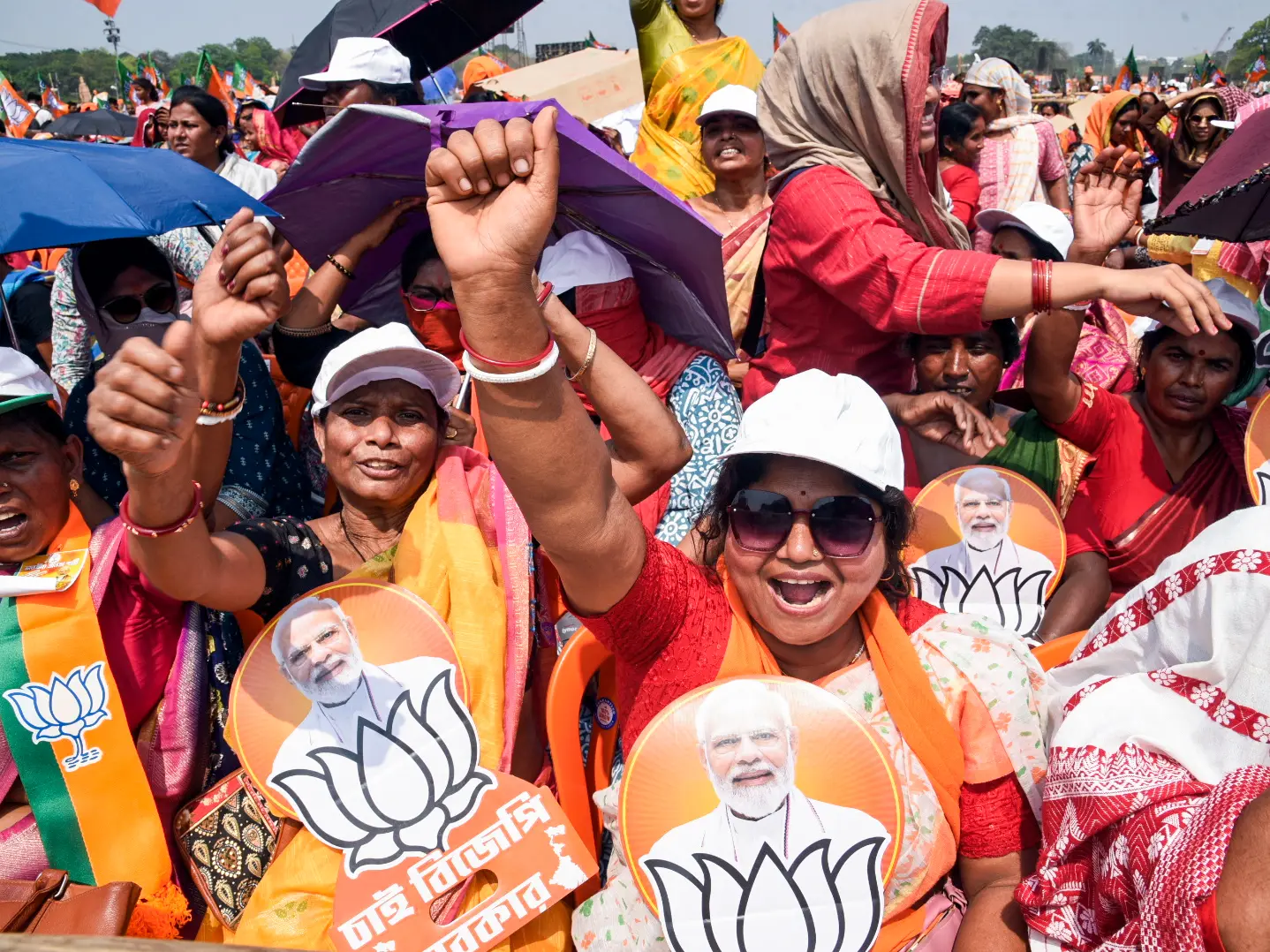
The National Democratic Alliance delivered a strong performance in the latest Rajya Sabha elections, winning all five seats in Bihar, three in Odisha and one in Haryana on Monday (Mar 16). Of the 37 Rajya Sabha vacancies nationwide, voting was required in only 11 seats across the three states, with the rest filled unopposed. Bihar: NDA benefits as opposition skips vote In Bihar, the NDA secured a clean sweep after opposition legislators, four MLAs of the Opposition Mahagathbandhan, stayed away from voting. While all 202 MLAs of the NDA cast their votes, only 37 MLAs from the Mahagathbandhan voted. Winners include Chief Minister Nitish Kumar, along with BJP leaders Nitin Nabin and Shivesh Kumar and Ramnath Thakur from Janata Dal (United). Upendra Kushwaha of the Rashtriya Lok Morcha also won. Also read | Opposition NDA to protest against ruling DMK in Tamil Nadu Odisha: Cross-voting tilts the balance In Odisha, the Bharatiya Janata Party won three seats, including one backed Independent candidate, Dilip Ray. The Biju Janata Dal managed to secure just one seat despite expectations of a closer fight. The outcome was shaped by cross-voting with many Congress and BJD MLAs voting across party lines in favour of Ray, a BJD founding member. At least 11 MLAs, including members from both the BJD and the Congress, voted in favour of Ray, turning what was expected to be a competitive contest into a one-sided result. Haryana: Counting delay amid complaints In Haryana, the election process was briefly held up during counting after both the BJP and the Indian National Congress filed complaints alleging violations of voting secrecy. Eventually, BJP candidate Sanjay Bhatia and Congress nominee Karamvir Singh Boudh were declared elected. Chief Minister Nayab Singh Saini congratulated both winners following the announcement. Also read | India slams USCIRF report as 'biased', rejects allegations on religious freedom How the Rajya Sabha voting works Rajya Sabha elections follow a proportional representation system using a single transferable vote. MLAs rank candidates in order of preference rather than choosing just one. A candidate needs to cross a fixed vote quota to win. Surplus votes are then transferred based on second preferences, which can often decide close contests, as seen in Bihar. Photograph: (ANI)
NDA sweeps key Rajya Sabha seats across Bihar, Odisha and Haryana: The National Democratic Alliance secured a strong win, aided by opposition absences in Bihar and cross-voting in Odisha.
The National Democratic Alliance delivered a strong performance in the latest Rajya Sabha elections, winning all five seats in Bihar, three in Odisha and one in Haryana on Monday (Mar 16). Of the 37 Rajya Sabha vacancies nationwide, voting was required in only 11 seats across the three states, with the rest filled unopposed.
Bihar: NDA benefits as opposition skips vote
In Bihar, the NDA secured a clean sweep after opposition legislators, four MLAs of the Opposition Mahagathbandhan, stayed away from voting. While all 202 MLAs of the NDA cast their votes, only 37 MLAs from the Mahagathbandhan voted.
Winners include Chief Minister Nitish Kumar, along with BJP leaders Nitin Nabin and Shivesh Kumar and Ramnath Thakur from Janata Dal (United). Upendra Kushwaha of the Rashtriya Lok Morcha also won.
Odisha: Cross-voting tilts the balance
Trending Stories
)
)
&im=FitAndFill=(700,400))
)
)
)
)
)
)
)
)
)
)
)
)
)
)
)
)
)
&im=FitAndFill=(700,400))
)
&im=FitAndFill=(700,400))
&im=FitAndFill=(700,400))
)
&im=FitAndFill=(700,400))
&im=FitAndFill=(700,400))
)
)
)
In Odisha, the Bharatiya Janata Party won three seats, including one backed Independent candidate, Dilip Ray. The Biju Janata Dal managed to secure just one seat despite expectations of a closer fight.
The outcome was shaped by cross-voting with many Congress and BJD MLAs voting across party lines in favour of Ray, a BJD founding member. At least 11 MLAs, including members from both the BJD and the Congress, voted in favour of Ray, turning what was expected to be a competitive contest into a one-sided result.
Haryana: Counting delay amid complaints
In Haryana, the election process was briefly held up during counting after both the BJP and the Indian National Congress filed complaints alleging violations of voting secrecy.
Eventually, BJP candidate Sanjay Bhatia and Congress nominee Karamvir Singh Boudh were declared elected. Chief Minister Nayab Singh Saini congratulated both winners following the announcement.
How the Rajya Sabha voting works
Rajya Sabha elections follow a proportional representation system using a single transferable vote.
MLAs rank candidates in order of preference rather than choosing just one. A candidate needs to cross a fixed vote quota to win. Surplus votes are then transferred based on second preferences, which can often decide close contests, as seen in Bihar.

