
&imwidth=800&imheight=600&format=webp&quality=medium "'National Stock Exchange of India using AI to track & curb malpractices'")
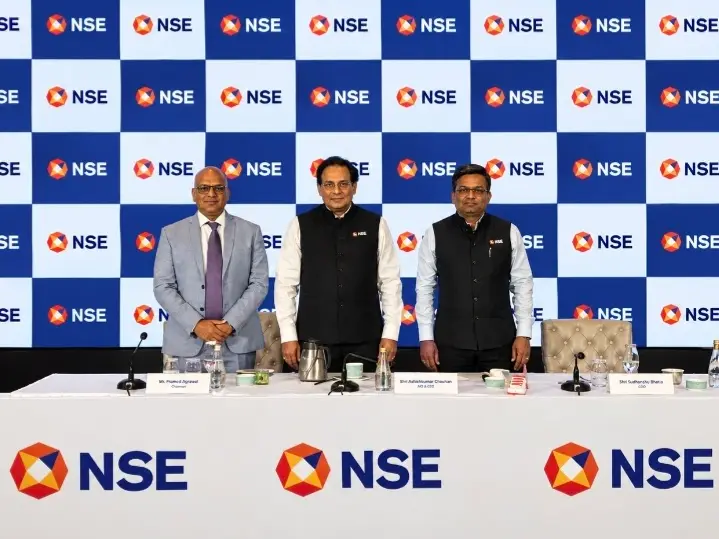
AI surveillance is being used to determine behavioural patterns, detect manipulation and insider trading in the stock market, said Sriram Krishnan, Chief Business Development Officer(CBDO) at the National Stock Exchange of India (NSE). "For the last two or three years, we have been using homegrown algorithms mainly as a means of detecting and preventing malpractices in the market," he added, while refusing to disclose statistics on the malpractices it has prevented or detected. He said that the NSE does not publish such statistics, as "it would not be in the interest of the market". On the extent of AI use for surveillance of malpractices, he said it was an evolving process.
The National Stock Exchange of India (NSE) Initial Public Offering (IPO) will open for public subscription on Thursday, September 17, 2026, and close on Monday, September 21, 2026. After regulatory approvals, National Stock Exchange of India Limited has fixed the price band of Rs 1,700/- to Rs 1,785/- per Equity Share of face value Rs. 1/- each for its initial public offer. Investors can bid for a minimum of 8 Equity Shares and in multiples of 8 Equity Shares thereafter.
National Stock Exchange of India (NSE) began its operations in 1994 and was the first exchange in India to implement electronic or screen-based trading. NSE is ranked third in the world in the equity segment by number of trades (electronic order book) in 2025, as per the statistics maintained by the World Federation of Exchanges (WFE).

NSE's IPO comes amid growing pressure on Indian market
When queried about NSE's IPO coming at a time when the Indian markets are facing sustained pressures due to high oil prices, falling value of Indian Rupee, geopolitical tensions, Krishnan replied that the NSE IPO is not meant to "time the market" and that this IPO is only meant to facilitate price discovery. "Investors who commit to NSE are very long-term oriented. They don't look at the current environment. Foreign Investors told us that buying NSE is like buying the India growth story, and that NSE will do well as India continues to develop," he cited.
Why FPIs are pulling out of Indian stock market
Trending Stories
)
Osama Bin Laden's son ALIVE? Al-Qaeda releases video 7 years after US declared him dead
)
BRICS Summit 2026: South Africa says it will use the summit to advance its economic priorities
)
BRICS Summit 2026: 30+ countries seek BRICS membership
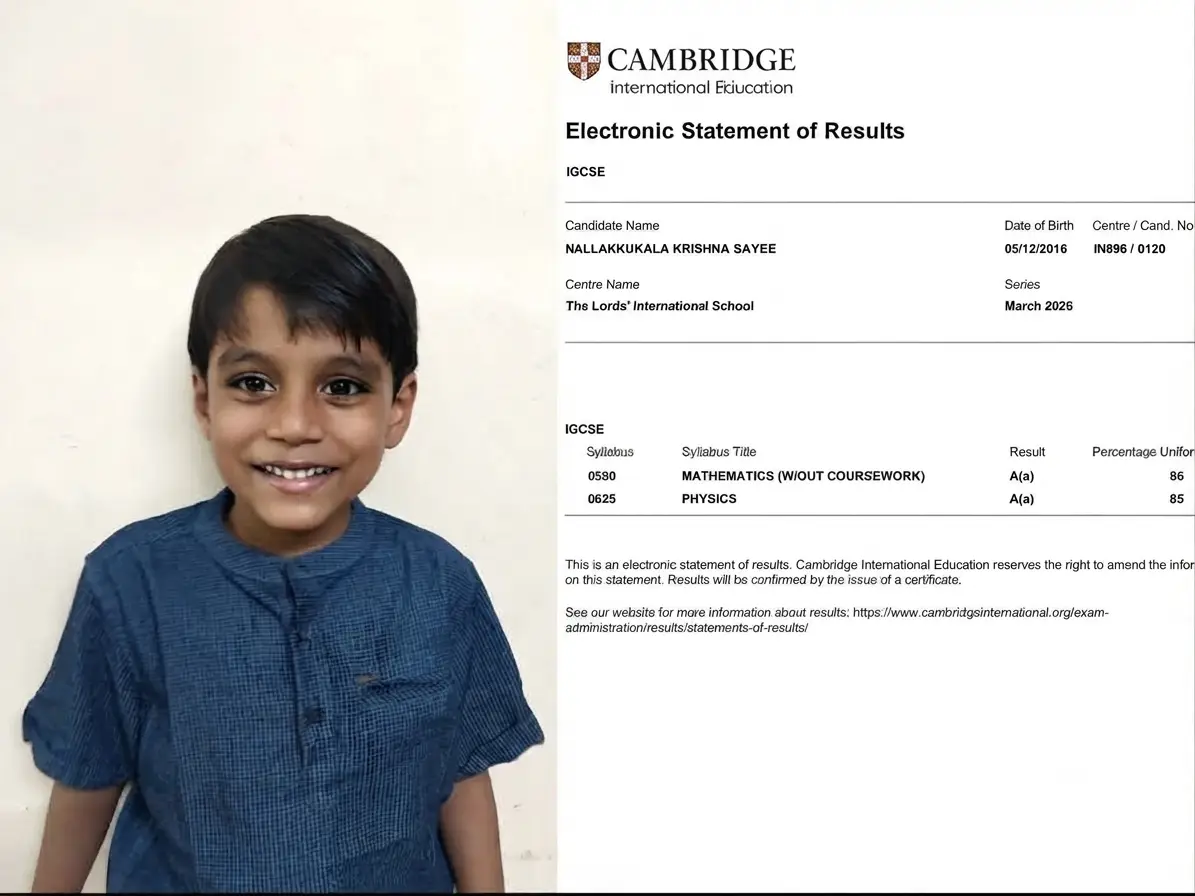)
9-year-old Chennai prodigy clears Cambridge IGCSE grade 10 exams
)
Frustrated man demolishes his kitchen after thousands flock to see Mother Mary his wife spotted on the wall
)
WION Expertspeak: Understanding India's BRICS presidency amid wars, trade tensions and global turmoil
)
North Korea fires missiles after US, South Korea and Japan military drills but America says 'does not pose immediate threat'
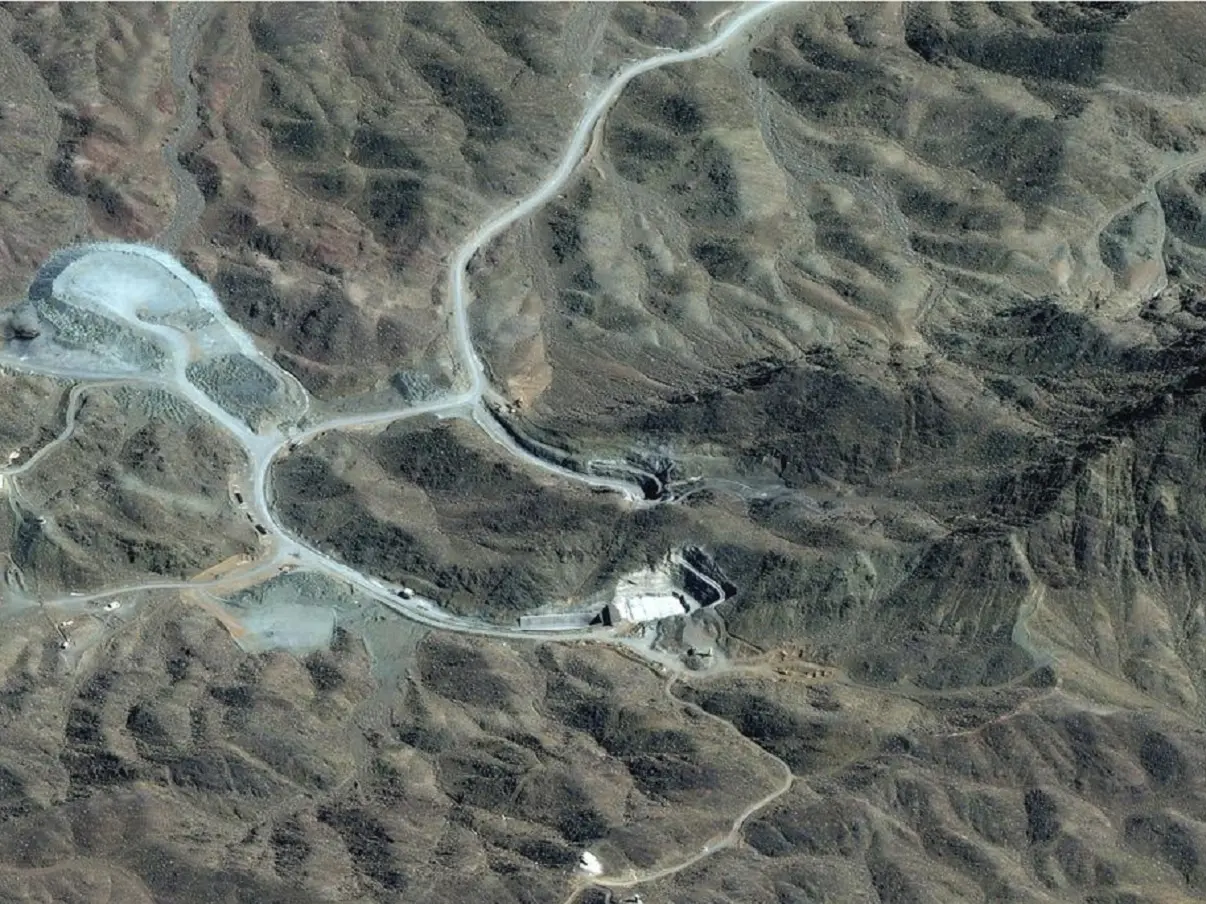)
Satellite images show construction surge at Iran’s Pickaxe nuclear site amid US war
)
From drones to KAAN fighters: Turkey outlines 229% surge in defence spending amid regional shifts
)
Houthis vs Saudi Arabia: East-west oil pipeline shut after drone attacks from Iraq
)
Satya Niketan horror: Who is responsible?
)
Karthik Subbaraj’s Dorothy gets a standing ovation at TIFF world premiere
)
BRICS Summit 2026: PM Modi meets Malaysia, Ethiopia leaders; defence ties, trade in focus
)
South Africa batter Jordan Hermann hits highest individual score on ODI debut
)
BRICS Summit 2026: Iran's Pezeshkian praises PM Modi at BRICS
)
Israel spent nearly $470,000 on PM's hair, makeup since 2019, data shows
)
Gravitas | Iran hammers US air power in West Asia after Navy badly hit
)
BRICS Summit 2026: Rivals in West Asia, partners in BRICS, UAE, Iran, and Saudi delegations in Delhi
)
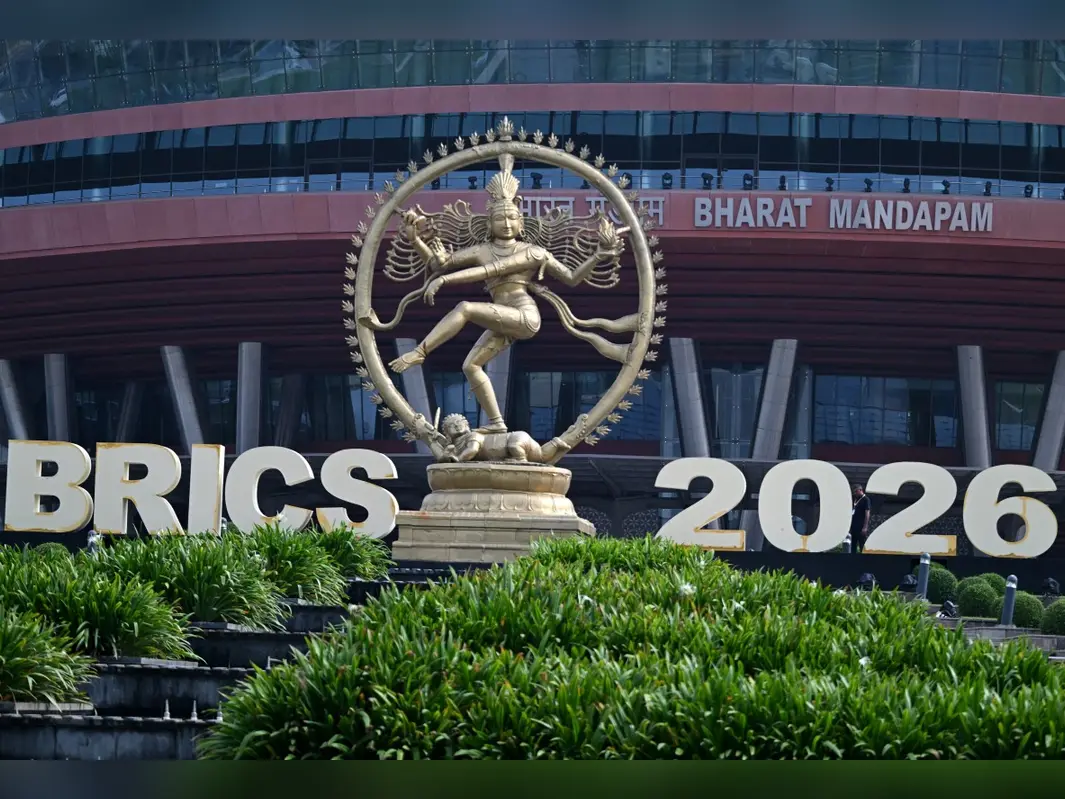
BRICS Summit 2026: Top world leaders in New Delhi; West Asia war casts shadow on BRICS Summit
)
Delhi's top luxury hotels turn into high-security fortress hubs for BRICS 2026 delegations
)
800 million years old - Scientists discover 'fingerprints' of supercontinent Gondwana in ancient rocks
)
Saudi Arabia shuts East-West oil pipeline, key Hormuz bypass, after attacks
)
BRICS Summit: China resumes Guangzhou-New Delhi flight, issues 'good-neighbourliness' remark ahead of Xi-Modi meet
)
Did you know THIS actor narrowly escaped the 9/11 terror attacks due to a last-minute change of travel plans?
)
In first of its kind, Trump admin deports Afghan woman via Alien Terrorist Court
)
IND vs AFG, 1st T20I: When and where to watch live streaming in India?
)
Harry Potter TV show vs films: Gary Oldman explains why HBO’s reboot could be better
)
After praising Modi, Pezeshkian meets Indian religious leaders, Hurriyat's Mirwaiz Umar Farooq
)
Lady Gaga is a mom! Oscar-winning singer welcomes first child with fiance Michael Polansky
)
BRICS summit: India faces delicate Iran-UAE diplomatic test
)
Years before 9/11, CIA warned Clinton, Bush of 'explosive-packed airplane attack': What newly released files reveal
&im=FitAndFill=(700,400))
New Friday OTT releases (September 11, 2026): The Revolutionaries, Vishwanath & Sons, Ghamasaan- 6 new titles coming on Netflix, Prime Video and more
On the trend of Foreign Portfolio Investors (FPIs) pulling out of the Indian stock market and opting to invest in overseas markets, NSE's CBDO explained that FPIs have the choice to invest anywhere they find suitable. "For example, a fund manager in San Francisco would prefer to invest in an AI firm delivering 2000% returns, given that India does not have such AI-centric options for investment. They are free to invest anywhere in the world. However, they also reallocate their investments every few months. All this depends on the choice of the fund managers. If they feel India is lacking in AI and that there are risk factors in India, they might go elsewhere. On the contrary, when the AI bubble bursts, or there is a market correction, they will come back to India," he elaborated.
Potential for growth in the Indian stock market
Citing data from recent years, NSE officials pointed out that India's unique registered investor base (tracked via PAN) on the National Stock Exchange surged from approximately 3.1 crore (31 million) in March 2020 just as the COVID-19 pandemic hit, and crossed the 13 crore (130 million) milestone by April 2026. They said that at least 20-30 lakh (2-3 million) new DMAT accounts(for holding investments digitally) were being opened every month over the last five years.
Further, they also highlighted that such growth is sustainable, given that only 13.3 crore Indians out of the country's 140 crore population are trading in the capital markets.
Our job is to bring good firms to the trading platform after checking their history and antecedents, track record, trust quotient, among others. To facilitate such growth of investors in the Indian market, we will also need to invest in the technology infrastructure that can help 40-50 crore people trade online, while also having the mechanism to deal with cybercrime and related threats.
Market cap of NSE-listed firms could hit $11 trillion in a decade
Quoting projections, NSE officials said that India's nominal GDP is estimated to climb toward the $10 trillion mark in a decade, which is more than double the present $4.3 trillion. Likewise, they expressed hope that the total market capitalisation of all NSE-listed firms could double from the present $5.1trillion to almost $11-12trillion in a decade. They believe that such growth can be achieved when India's startups, unicorns, and small-medium enterprises transition to public exchange listings. Citing the consistent growth of firms getting listed in the stock market, they pointed out that more than 250 firms have been getting listed every year over the last two years. Citing such numbers, an NSE official expressed hope that it would be possible to add about 3,000 firms to the stock market in about a decade.
