'Instagram is not ballot box': Shashi Tharoor urges Gen Z to seek change through democracy

&imwidth=600&imheight=450&format=webp&quality=medium "'Instagram is not ballot box': Shashi Tharoor urges Gen Z to seek change through democracy")
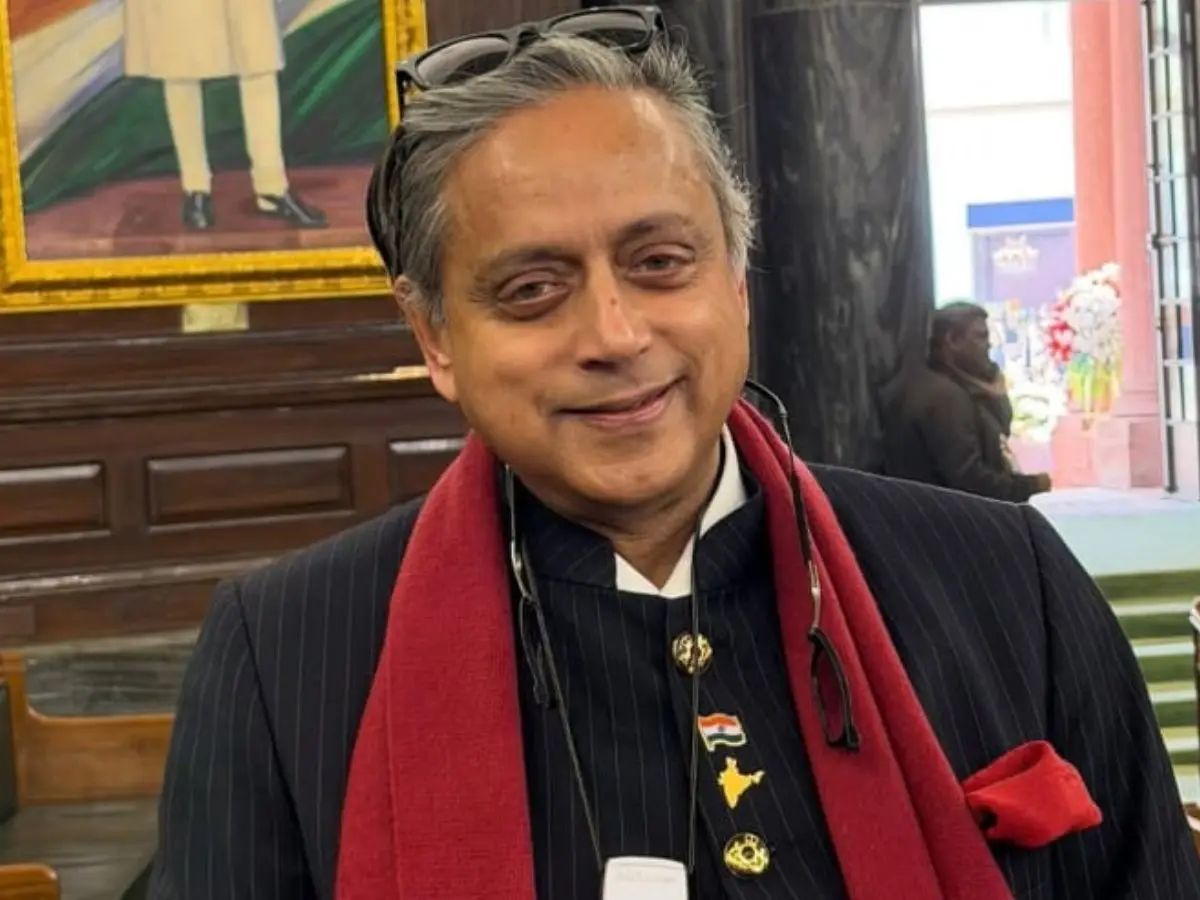
File photo of Congress MP Shashi Tharoor. Photograph: (Instagram/@shashitharoor)
The Congress leader urged students and supporters to push for real accountability through established democratic and legal avenues. He also emphasised the importance of centring advocacy around clear, concrete policy demands.
Congress MP Shashi Tharoor on Thursday pushed young Indians linked with the viral “Cockroach Janta Party" (CJP) movement to express their frustrations using democratic and institutional means. He emphasised that changes can be achieved after being involved with the system rather than being outside of it. Tharoor noted that the popularity of this movement shows widespread frustration among young individuals over insufficiencies of the political structure and controversies surrounding examinations in India.
Highlighting the movement’s founder, Abhijeet Dipke, Tharoor said the “Cockroach Janta Party" has rapidly gained traction online, soon after being launched on social media. “Instagram is your town square. But it is not a ballot box," he wrote in The Indian Express.
Validating the concerns of the people that is driving them to support the movement, Tharoor stated that young people had justifiable reasons to feel disappointed with the performance of institutions and governance. “To those of you feeling lost, angry, and disillusioned: your pain is seen, and your anger is heard. The reasons you signed up for the CJP are valid," he wrote.
Tharoor warns against relying solely on social media
Giving reference to recent examination-related controversies, he pointed out that issues like paper leaks and administrative breakdowns are a direct betrayal of the years of hard work and dedication students pour into competitive tests. However, he warned against relying solely on social media outrage to fix the system, noting there is a real danger in treating a digital outlet for frustration as an actual solution.
Trending Stories
&im=FitAndFill=(700,400))
)
)
)
&im=FitAndFill=(700,400))
)
)
)
)
)
)
)
)
)
)
&im=FitAndFill=(700,400))
)
)
)
)
)
)
)
)
&im=FitAndFill=(700,400))
&im=FitAndFill=(700,400))
)
)
)
&im=FitAndFill=(700,400))
)
)
Instead, the Congress leader urged students and supporters to push for real accountability through established democratic and legal avenues. “As an MP myself, let me tell you that you can make your representatives accountable," he wrote. He suggested directly engaging with lawmakers, filing Right to Information (RTI) requests, and demanding absolute transparency in exams and hiring processes.
Tharoor also emphasised the importance of centring advocacy around clear, concrete policy demands. He noted that organised campaigns are far more effective at shifting public debate because when dissent is built on actionable solutions, the media is forced to focus on fixing the problem rather than just sensationalising the scandal.
Ultimately, he called on the youth to partner with student unions, legal bodies, and policy groups to turn public anger into structured movements. “The most successful movements in democratic history didn’t just shout; they organised, they drafted, they lobbied, they agitated," he wrote. He encouraged leveraging the courts when needed, advising campaigners to build rock-solid legal cases rather than relying on slogans and trending hashtags.

