India’s gold reserves now larger than Saudi Arabia, UK; check full list here


Gold Reserve and USD (Representative image)
According to the latest estimates released by the World Gold Council (WGC), India has emerged as the country having the ninth-largest gold reserves in the world. With its gold reserves measuring 2,191.53 tonnes, valued at $ 131,795 million, India is ranked ahead of wealthy Arab and Western nations such as Saudi Arabia and the United Kingdom.
Meanwhile, the US grabbed the top spot, having gold reserves measuring 8,133.46 tonnes as per the WGC list, valued at $489,133 million. Germany came in the second distant spot with estimated gold reserves of 3,352 tonnes. Italy, France and Russia occupy the third, fourth and fifth spots respectively, Forbes reported.
Russia is trying to get its gold reserves back from the Western countries, seized in the aftermath of its invasion of Ukraine. In an attempt to stop the West from seizing its frozen reserves, Moscow has floated the idea of using those reserves to finance the climate change fund to help developing nations.

Russia's climate envoy recently said at the COP28 summit the move would help to close the gap between developed and developing countries in tackling climate change.
Here are the top 10 countries with the largest gold reserves in the world.
)
IND vs AFG, 1st T20I: When and where to watch live streaming in India?
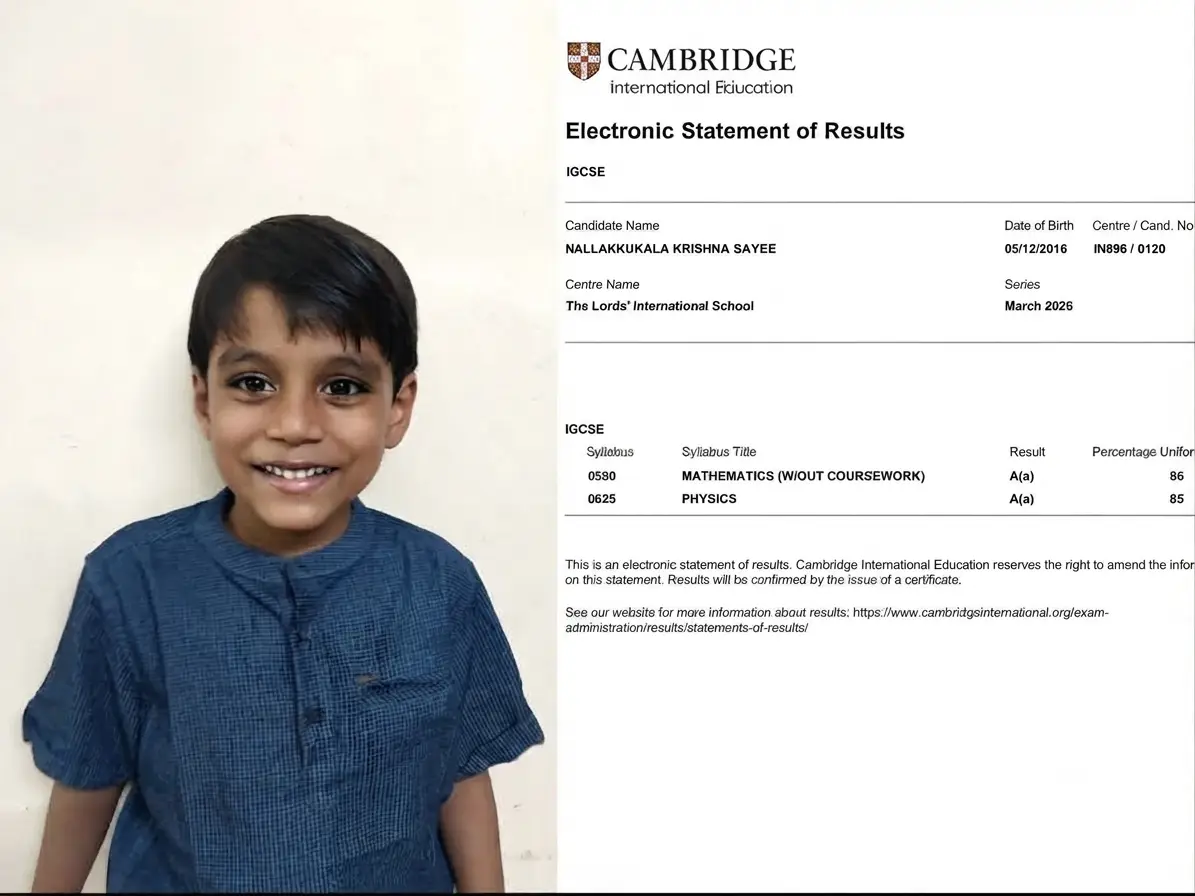)
9-year-old Chennai prodigy clears Cambridge IGCSE grade 10 exams
)
Bigg Boss 20: Qazi Touqeer gets a special ‘rockstar’ moment from Salman Khan
)
Did Iran President Pezeshkian touch feet of Hindu spiritual leader at Delhi event as shown in viral video?
&im=FitAndFill=(700,400))
Meet top 5 batters fastest to 3000 runs in T20Is
)
BRICS Summit 2026: PM Modi to hold bilateral with leaders of seven countries
)
‘Partners, not rivals’: Xi outlines four point plan for stronger India-China ties
)
Could staying indoors all day affect your health?
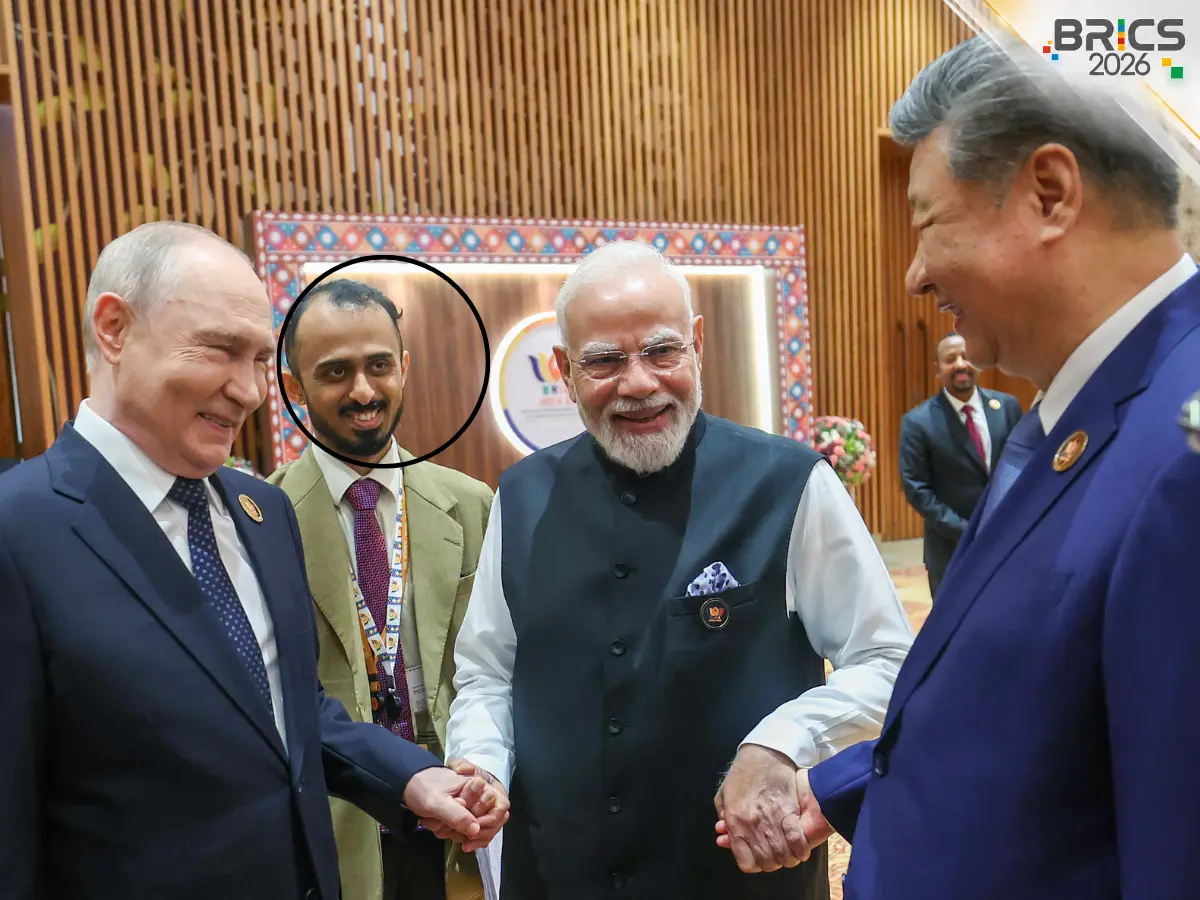)
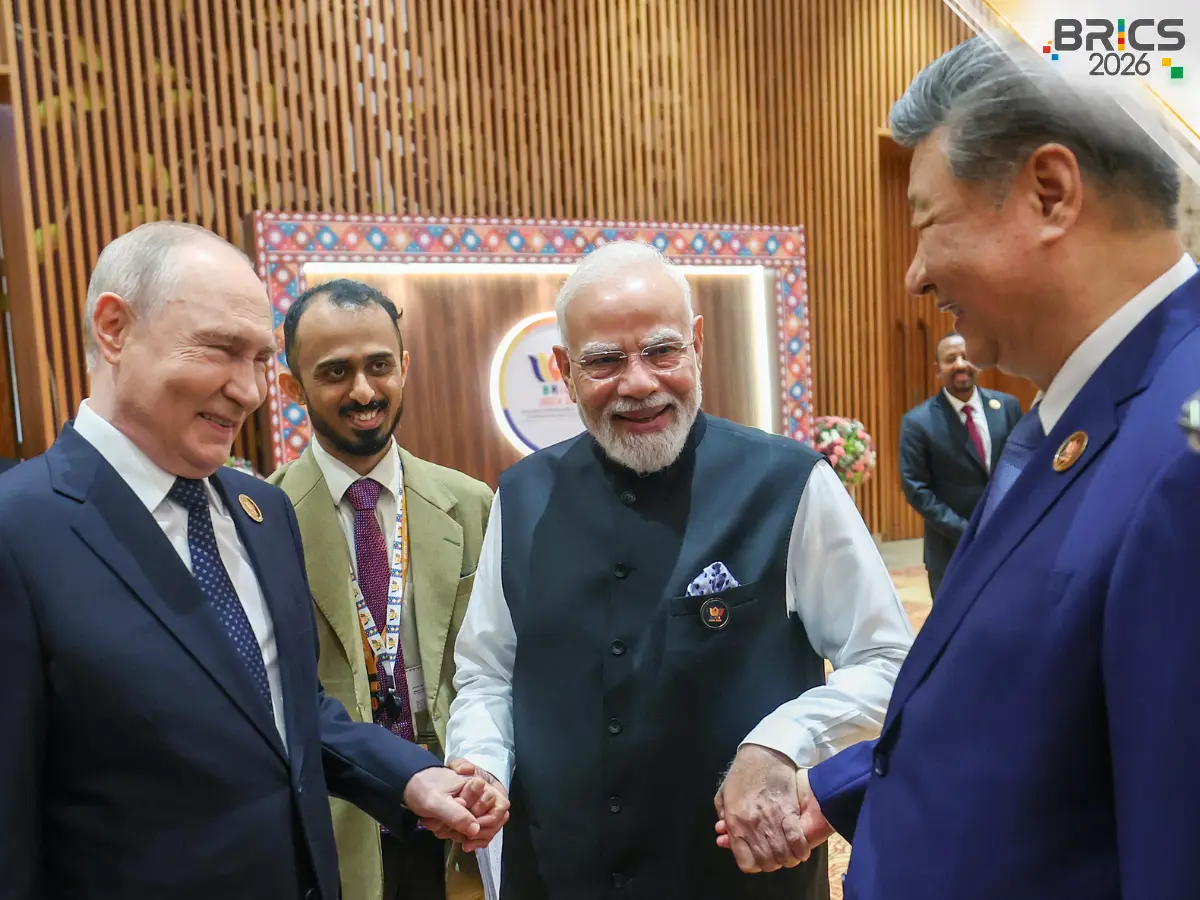
Who is the smiling man beside Modi, Putin and Xi at BRICS Summit 2026?
)
BRICS Summit day 1: New Delhi declaration adopted with full consensus, big diplomatic win for India
)
800 million years old - Scientists discover 'fingerprints' of supercontinent Gondwana in ancient rocks
)
BRICS Summit 2026: PM Modi addresses Day 2 of 18th BRICS summit
)
Houthis launch cross-border strike on Saudi Arabia as Yemen war escalates
)
BRICS Summit 2026: PM Modi, Xi reach key consensus on ties, China to assume BRICS chairmanship in 2027
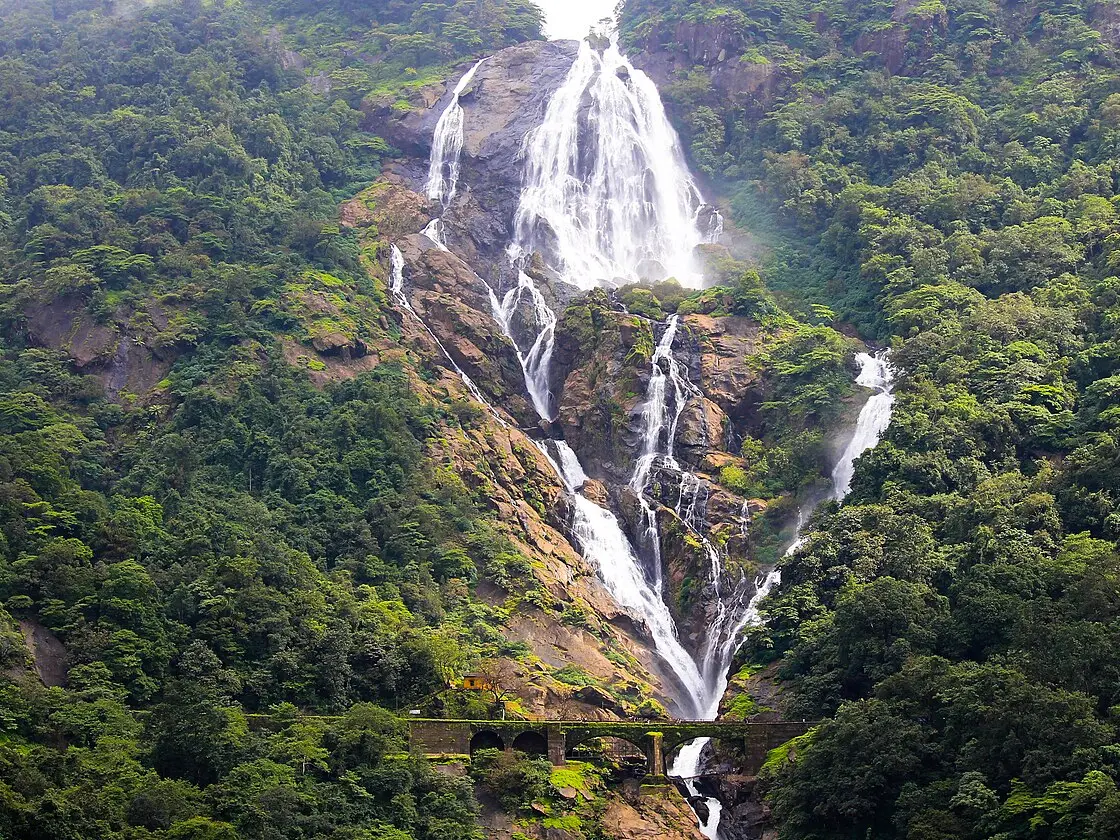)
Top 5 places to visit in Goa beyond its famous beaches
)
How does the loss of forests affect the way wildlife lives and moves?
)
Humans may lose control of AI: Anthropic CEO calls for slowdown, Altman, Musk back him
)
War is making Russia stronger? How Ukraine is shaping Moscow’s next generation of weapons
&im=FitAndFill=(700,400))
Why do air defence missiles explode near their target instead of hitting it?
)
BRICS Summit 2026: Chinese president Xi Jinping departs from New Delhi after attending BRICS summit
)
Why asking questions could be more important than memorising answers
&im=FitAndFill=(700,400))
Why Chinese PL-15 air-to-air missiles use dual-pulse motors compared to European interceptors
)
Trump says Canada eager to reach a deal, it could come ‘fairly soon’ if Ottawa treats US farmers better
)
Why going digital does not always mean becoming more efficient
)
'He is popular...': Malaysian PM Anwar Ibrahim's praise for PM Modi during bilateral meeting | WATCH
)
Osama Bin Laden ‘planned’ to target India, CIA reveals dozens of declassified documents
)
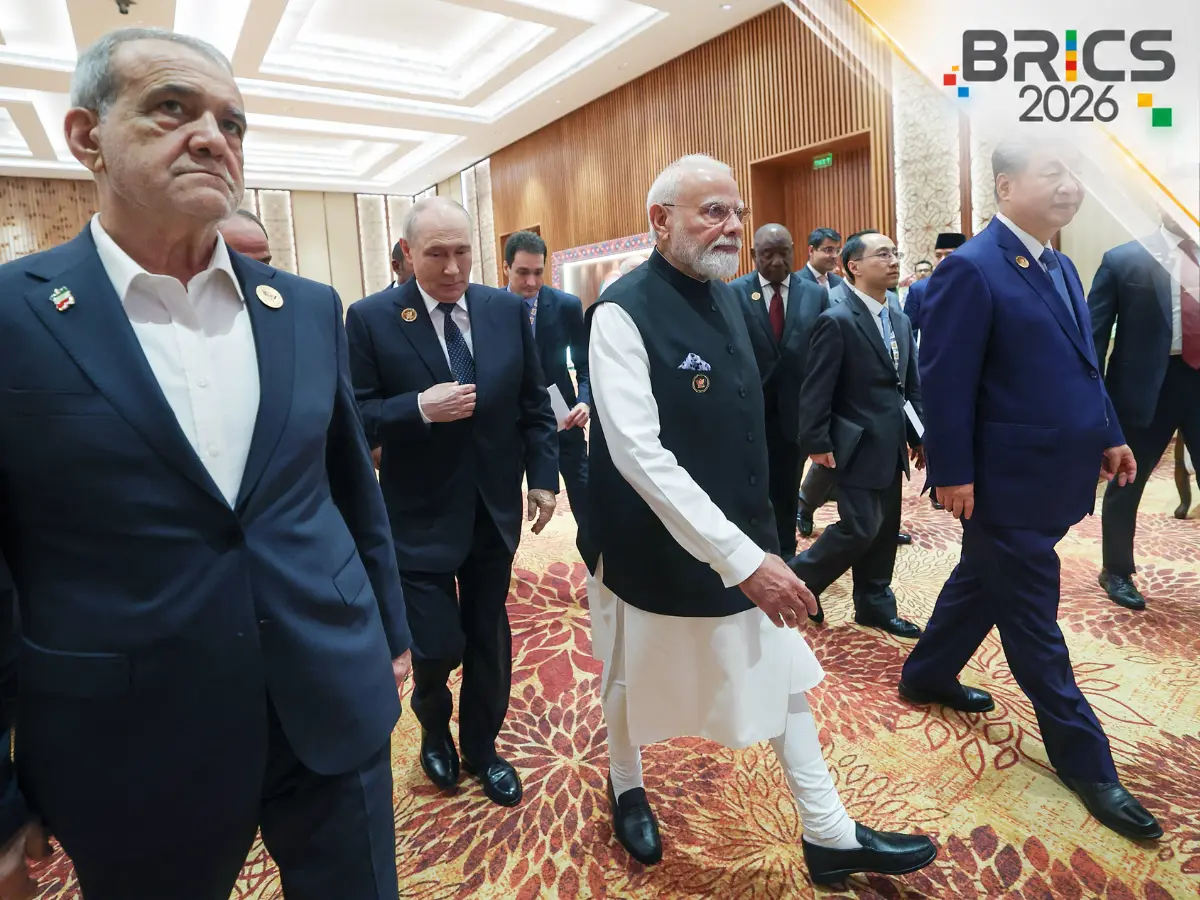
BRICS Summit 2026: Global leaders of BRICS nations attend main open session
)
'Iran won't surrender': Pezeshkian sends blunt message to US while attending BRICS Summit in India
)
Why dehydration is the hidden cause of travel fatigue on long flights
)
Why does your skin need protection from UV rays?
)
Frustrated man demolishes his kitchen after thousands flock to see Mother Mary his wife spotted on the wall
)
BRICS Summit 2026: Consensus on joint declaration, diplomatic win for India
)
Why does your body need time to adjust after a long journey?
)
BRICS Summit 2026: Iran's Pezeshkian praises PM Modi at BRICS
)
PM Modi and China's Xi offered to help resolve Russia-Ukraine war: Kremlin
)
From severe mobility problems to recovery: Madhuri the elephant’s journey of wildlife care
)
Why do wild animals need quiet places to survive?
)
Ramanathaswamy temple takes centre stage as PM Modi welcomes world leaders at BRICS
1) UNITED STATES 8,133.46 tonnes $489,133.74 million
2. GERMANY 3,352.65 tonnes $201,623.07 million
3. ITALY 2,451.84 tonnes $147,449.64 million
4. FRANCE 2,436.88 tonnes $146,551.80 million
5. RUSSIA 2,332.74 tonnes $140,287.50 million
6. CHINA 2,191.53 tonnes $131,795.43 million
7. SWITZERLAND 1,040.00 tonnes $62,543.91 million
8. JAPAN 845.97 tonnes $50,875.51 million
9. INDIA 800.78 tonnes $48,157.71 million
10. NETHERLANDS 612.45 tonnes $36,832.02 million
Why do nations hold gold reserves?
Countries hold gold reserves for various reasons, with the foremost being its role as a stable store of value, supporting the currency's worth. Additionally, nations see gold reserves as a means to diversify their portfolios, mitigating risks linked to other asset value fluctuations.
Watch:2024 military strength rankings out: US tops, India at fourth Place
The inverse relationship between gold prices and the US dollar is also a significant factor. When the dollar depreciates, gold rates tend to rise, allowing central banks to safeguard reserves amid market volatility.
Some countries use gold to settle trade imbalances or as collateral during economic downturns, as its value typically increases, serving as a hedge in crises.
(With inputs from agencies)