Indian LPG tankers BW Elm and BW Tyr begin Hormuz transit

&imwidth=600&imheight=450&format=webp&quality=medium "Indian LPG tankers BW Elm and BW Tyr begin Hormuz transit")
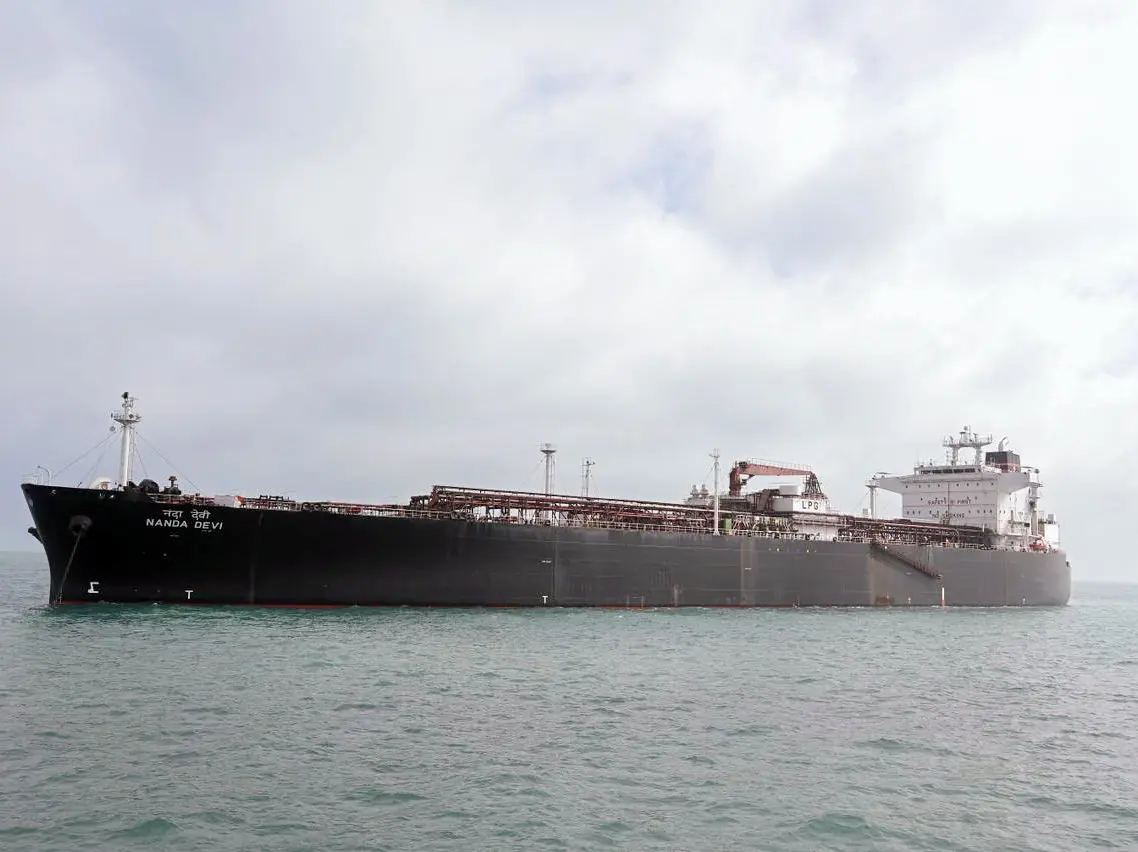
The Nanda Devi vessel carrying 46,500 metric tonnes of LPG arrived at Vadinar port, Gujarat. Photograph: (ANI)
The Indian Navy is playing a key role in escorting them in the Arabian Sea, and also guiding them through Hormuz as part of operation Ojra Surakhsha (Energy Security).
Two Indian-flagged LPG tankers, BW Elm and BW Tyr, are heading towards India after beginning their transit through the Strait of Hormuz, shipping sources and tracking data indicate. The vessels, both very large gas carriers, are carrying cargoes of liquefied petroleum gas (LPG) destined for Indian ports.
This movement comes as more tankers are expected to make the journey in the coming days, building on earlier transits by ships such as the Jag Vasant, Nanda Devi, and Shivalik, which safely delivered tonnes of LPG to India in the past few weeks. Sources say several more Indian-flagged vessels carrying energy cargoes remain west of the strait, with authorities monitoring their movements closely for safety.
The Indian Navy is playing a key role in escorting them in the Arabian Sea, and also guiding them through Hormuz as part of operation Ojra Surakhsha (Energy Security). In the past as well, the Indian Navy has played a key role in escorting Indian vessels during the anti-piracy operation under Operation Sankalp.
The Strait of Hormuz, a narrow choke point between Iran and Oman, is one of the world's most critical energy arteries. It handles a significant portion of global oil and gas shipments, with a significant quantity of India's LPG imports traditionally passing through it.
The war in West Asia has disrupted shipping, leading to delays and a sharp drop in vessels passing through the Hormuz. India, the world's second-largest importer of LPG, relies heavily on these imports to meet household demand for cooking gas.
India has said that it has been in touch with countries of the region for the safe transit of Indian vessels through the Hormuz. PM Modi has spoken to the Iranian President 2 times, while EAM Jaishankar has spoken to his Iranian counterpart 4 times. India has also diversified sources, turning to suppliers in the US, Argentina and elsewhere, but proximity and cost make Gulf routes vital.
&im=FitAndFill=(700,400))
)
)
)
)
)
)
)
)
)
)
)
)
)
)
&im=FitAndFill=(700,400))
)
)
)
)
)
)
)
)
)
)
)
)
)
&im=FitAndFill=(700,400))
