Indian govt's hi-tech security arrangements for Amarnath Yatra: Facial recognition, biometric verification and more | Details here

&imwidth=600&imheight=450&format=webp&quality=medium "Indian govt's hi-tech security arrangements for Amarnath Yatra: Facial recognition, biometric verification and more | Details here")
Indian govt's hi-tech security arrangements for Amarnath Yatra
With an aim to ensure smooth and safe conduct of the annual Amarnath Yatra, the Indian government has taken a significant technological leap in security arrangements
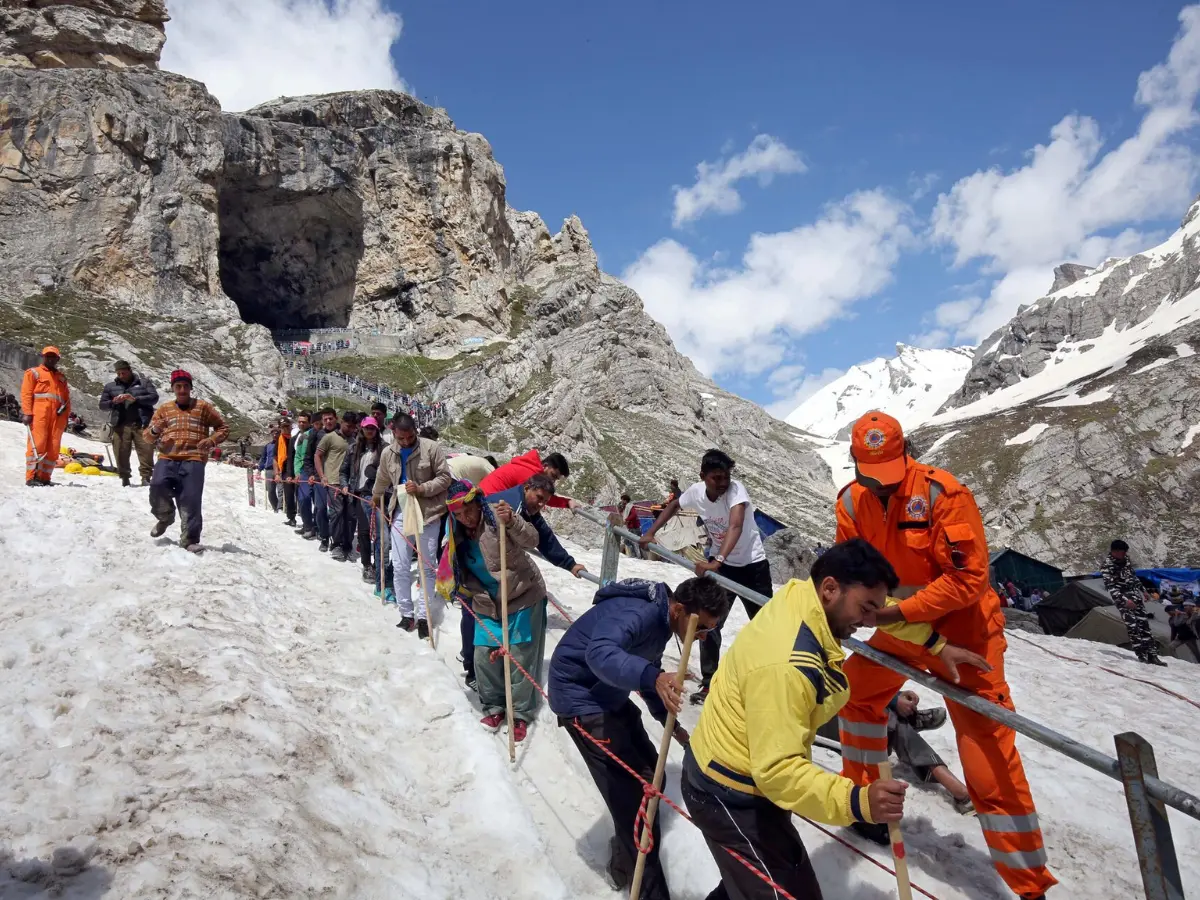
With an aim to ensure smooth and safe conduct of the annual Amarnath Yatra, the Indian government has taken a significant technological leap in security arrangements. This comes amid heightened security threats post Pahalgam attack and increased pilgrim footfall expected in the yatra this year. Union Home Minister Amit Shah chaired two high-level review meetings, finalising security protocols and logistical support to safeguard the pilgrimage.
Facial Recognition System, Biometric Verification, and more
From Facial Recognition System (FRS) to Biometric Verification, Artificial Intelligence (AI) will be a key player in securing the pilgrimage. The government has deployed a Facial Recognition System (FRS) along both the Pahalgam and Baltal routes, including every pilgrim camp from Jammu to Kashmir. This AI-powered system scans and matches faces in real time against a central database containing images of active terrorists, overground workers, and other blacklisted individuals, enabling instant alerts to security agencies.
Shahid Ahmad, the contractor responsible for FRS installation, explained, “Facial recognition cameras are now visible and highly accurate. They record every face passing through. This system enhances identification and overall security. Every pilgrim is safer this year.”
Additionally, all pilgrims are mandated to carry RFID (Radio Frequency Identification) tags, which help track their location for better crowd management and security coordination. Entry through barricades is strictly controlled; only those with valid RFID tags are allowed.
Manav Dhar, RFID in-charge, stated, “Like online KYC, the RFID system cross-verifies identity with Aadhaar-based data. Kiosk machines have been installed this year to allow spot verification through facial recognition as well. Without RFID, entry will not be permitted.”
Trending Stories
&imwidth=280&imheight=210&format=webp&quality=medium)
&imwidth=280&imheight=210&format=webp&quality=medium)
&imwidth=280&imheight=210&format=webp&quality=medium)
&imwidth=280&imheight=210&format=webp&quality=medium)
&imwidth=280&imheight=210&format=webp&quality=medium)
&imwidth=280&imheight=210&format=webp&quality=medium)
&imwidth=280&imheight=210&format=webp&quality=medium)
&im=FitAndFill=(700,400)&imwidth=280&imheight=210&format=webp&quality=medium)
&imwidth=280&imheight=210&format=webp&quality=medium)
&imwidth=280&imheight=210&format=webp&quality=medium)
&imwidth=280&imheight=210&format=webp&quality=medium)
&imwidth=280&imheight=210&format=webp&quality=medium)
&imwidth=280&imheight=210&format=webp&quality=medium)
&imwidth=280&imheight=210&format=webp&quality=medium)
&imwidth=280&imheight=210&format=webp&quality=medium)
&imwidth=280&imheight=210&format=webp&quality=medium)
&imwidth=280&imheight=210&format=webp&quality=medium)
&imwidth=280&imheight=210&format=webp&quality=medium)
&imwidth=280&imheight=210&format=webp&quality=medium)
&im=FitAndFill=(700,400)&imwidth=280&imheight=210&format=webp&quality=medium)
&imwidth=280&imheight=210&format=webp&quality=medium)
&imwidth=280&imheight=210&format=webp&quality=medium)
&imwidth=280&imheight=210&format=webp&quality=medium)
&im=FitAndFill=(700,400)&imwidth=280&imheight=210&format=webp&quality=medium)
&imwidth=280&imheight=210&format=webp&quality=medium)
&imwidth=280&imheight=210&format=webp&quality=medium)
&imwidth=280&imheight=210&format=webp&quality=medium)
&imwidth=280&imheight=210&format=webp&quality=medium)
&imwidth=280&imheight=210&format=webp&quality=medium)
&imwidth=280&imheight=210&format=webp&quality=medium)
&imwidth=280&imheight=210&format=webp&quality=medium)
&imwidth=280&imheight=210&format=webp&quality=medium)
&imwidth=280&imheight=210&format=webp&quality=medium)
Moreover, to secure the pilgrimage, over 70,000 security personnel will be deployed across the region. This includes 42,000 Central Armed Police Forces (CAPF) personnel , 15,000 Jammu & Kashmir Police, units from the Indian Army’s 15 Corps. In total, 581 paramilitary battalions will guard base camps, Yatra routes, and the cave shrine.
Earlier, it was announced that both Yatra routes and the cave area will be designated no-fly zones for the entire pilgrimage duration.
Quick Reaction Teams and vetting of service providers
Quick Reaction Teams (QRTs), bomb disposal squads, and anti-sabotage units have been deployed. In addition to FRS, drones and CCTV cameras will conduct round-the-clock aerial and ground surveillance. Satellite phones and a dedicated radio network have been deployed in areas with poor mobile coverage.
Over 20,000 ponywallas, porters, and langar workers have undergone police verification and received Aadhaar-linked ID cards to prevent infiltration and ensure accountability.
The Jammu & Kashmir State Road Transport Corporation (JKSRTC) will operate 500 special buses from Jammu to Nunwan and Baltal base camps. Camps are being equipped with solar-powered lighting, mobile network boosters, and power backup systems to ensure seamless operations, especially for medical and security needs.