Humour, people-power and a political newbie: How India's Gen Z protest used social media to break the traditional agitation playbook

&imwidth=600&imheight=450&format=webp&quality=medium "Humour, people-power and a political newbie: How India's Gen Z protest used social media to break the traditional agitation playbook")
India’s CJP-led Gen Z protest stood apart from traditional agitations Photograph: (ANI)
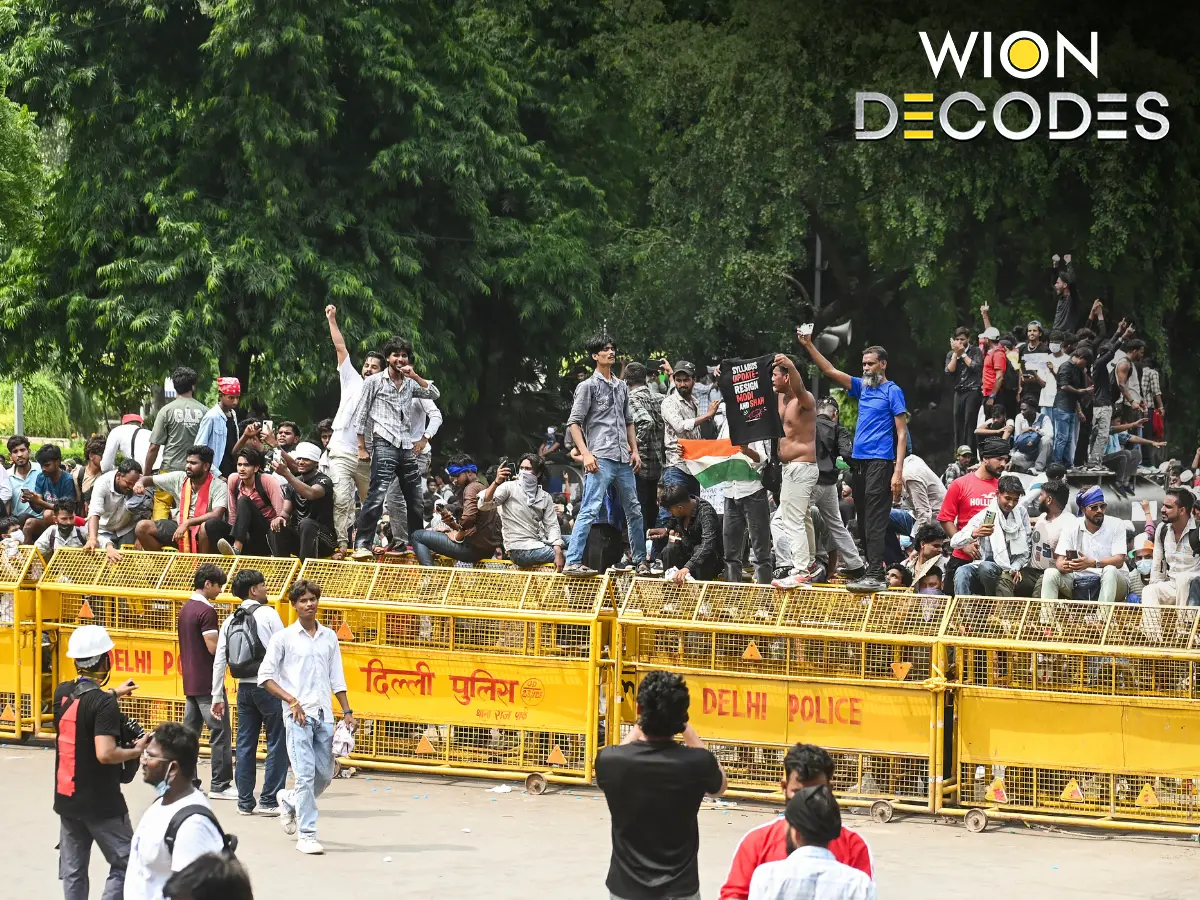
India’s CJP-led Gen Z protest stood apart from traditional agitations through its decentralised, people-powered approach. Volunteers provided food, fans, medical aid and legal help, while memes and humour drove its social media strategy.
The Gen Z protest movement that rocked much of South Asia reached India this month when young students under the leadership of the Cockroach Janta Party (CJP) started protesting at the heart of the country. While the fervour of the protest had similarities to the protests in the neighbouring countries -- Nepal, Bangladesh and Sri Lanka – the Indian movement was entirely different from the kind of protest witnessed by those nations. The sole reason for this lies in the fact that Indian students wanted reforms within the already existing system, respected the legitimacy of the elected government and wanted the elected leaders be held more accountable in the matters affecting the lives of people. This was unlike the protest seen in the aforementioned countries, as Gen Zs in these countries de-established the system and uprooted existing governments, forcing leaders to flee.
In India, the protests made a difference because they forced the ruling BJP to cave in to the demands within 37 days. The venue played a key role because it was closer to the Indian Parliament. The ruling BJP—which was once known for boasting that it had ended the trend of resignations—had to ensure that Education Minister Dharmendra Pradhan resigned. So, what was different about the protest led by CJP, and how was this different from another political protest?
Not another political agitation
The student protest in India began under the leadership of Cockroach Janta Party (CJP) and that is what made a difference. The CJP originated on May 17 as a satirical social media page on Instagram after Chief Justice of India Justice Surya Kant called unemployed youths as “cockroaches” while hearing a case on May 15. He later clarified his remark but the damage was done.
As more and more people joined the page, the makers decided to bring it outside the world of internet. They picked up on the issue of NEET-UG paper leak and the death by suicide by at least 22 students to demand accountability from the Education Ministry. As they launched their group with ten members, they decided that they would protest against the leak and would not stop till Union Education Minister Dharmendra Pradhan resigns.
Trending Stories
&im=FitAndFill=(700,400))
)
)
)
&im=FitAndFill=(700,400))
)
)
)
)
)
)
)
)
)
)
)
&im=FitAndFill=(700,400))
)
)
)
)
)
)
)
)
)
&im=FitAndFill=(700,400))
&im=FitAndFill=(700,400))
)
)
&im=FitAndFill=(700,400))
)
)
Fast forward to present, they have achieved what they wanted. The reason for why BJP caved in lies in lessons from the past and BJP's extreme flexibility in adapting to changing situations. While they did not want another Aam Aadmi Party (AAP) kind of political outfit to challenge their dominance politically, they also were aware that GenZs are their future voters. First, they allegedly attempted to block the visibility of CJP, then they allegedly used force, but when it didn't work, they gave the Gen Zs what they asked for.
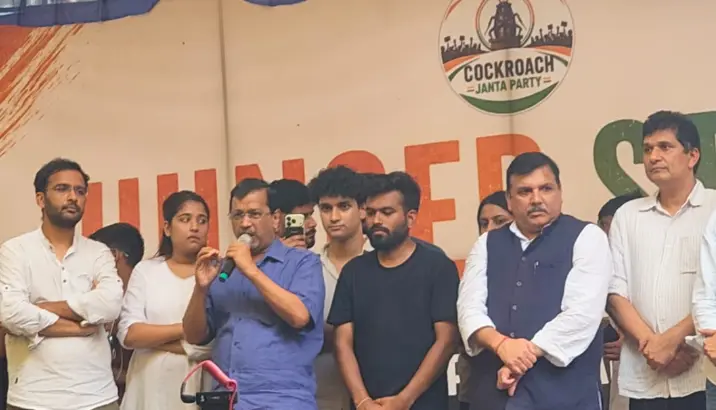
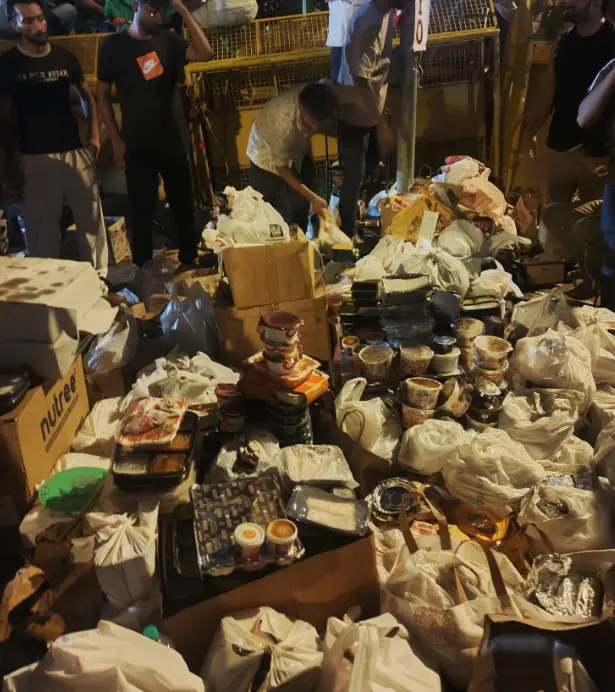
Hungry protesters? Food was available
Despite initial ignorance, the BJP was forced to speak to CJP leaders not via officials but via Union Ministers. This was possible only because crowd swelled in New Delhi's Jantar Mantar after activist Sonam Wangchuk joined the protest and his fast entered Day 10. Though, CJP was criticised for being unorganised, the protest looked entirely different on the ground. Food orders was sent by people across the countries, but that didn't lead to chaos. People volunteered to arrange the food into different sections - veg and non veg, they queued up the protesters and food was distributed in a organised manner.
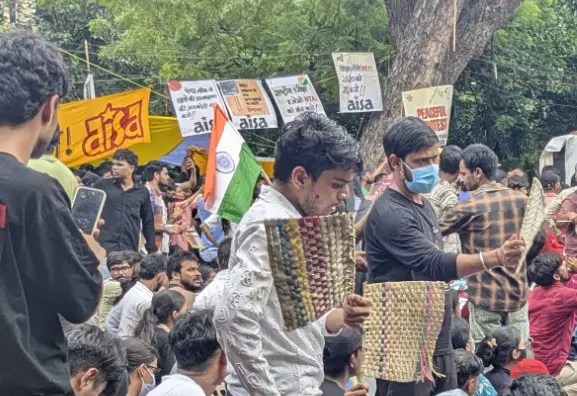
Humidity and heat? Hand fan at the service
Hand fans become best friends of protesters at Delhi’s Jantar Mantar as heat and humidity added to their as hurdles. No one asked anyone, but people started turning up holding hand fans made of plastic and bamboo to cope with the conditions. What was unique was the fact that people did not only fan themselves but also others to beat the heat. A protester, Gaurang, who spoke to WION, said he equates it with “Seva” in Gururdwaras.
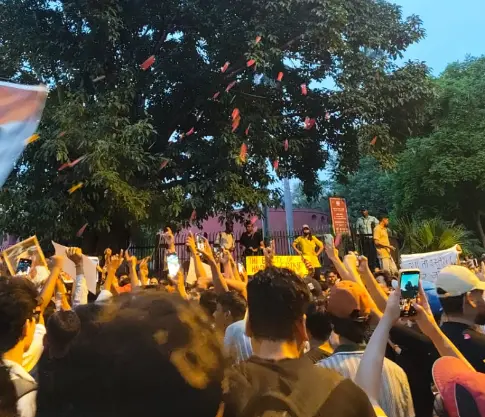
Swelling crowd? Volunteers queued all
Delhi is unsafe for women and there has been no doubt about it. At CJP protest, though, women felt safe as volunteers stood up to ensure it. Separate queues were formed for women and men with volunteers guiding the protesters at every point. Crowd was asked to not gather near stalls, were guided to sit properly to ensure maximum space utilization and avoid any stampede situation. To boost each other's spirit, people used many ways such as few of them showered flower petals on protesters appreciating their determination.
Medical aid? Doctors present
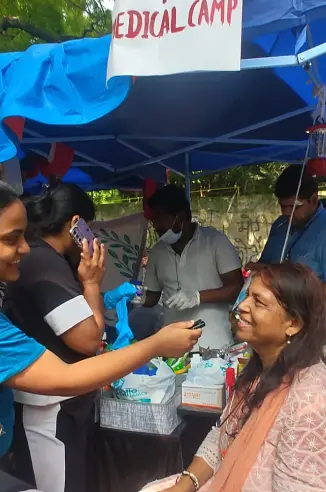
Nobody called the, but they were there from across the country. Volunteer doctors and medical students set up stalls and attended to injured and exhausted protesters. Amid the chaos of a growing crowd in a confined space of Jantar Mantar, they said that it is their way to contribute to the larger movement. Dr Daisy Panna spoke to WION and said that the doctors from Delhi, Jaipur, Kerala and West Bengal gathered to help the protesters. “We are providing basic medicines, some are dehydrated, others are suffering from sore throat due to sloganeering. We are also advising a few to take rest away from the space if required.”
Students fearful of crackdown? Lawyers on the spot
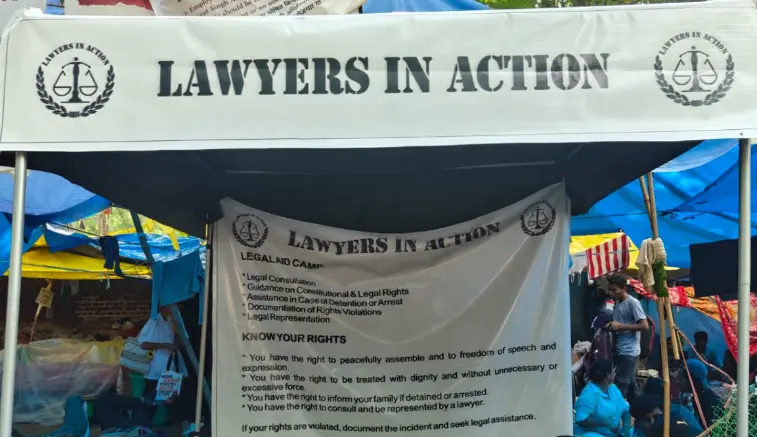
Lawyers also mobilized in solidarity with student demonstrators at Jantar Mantar following the crackdown on July 20. Speaking to WION, group of lawyers said that they are telling the students about their rights and preparing them in case of an extreme scenario. Advocate Sarthak said, “We are spreading awareness because the problem is people do not know their right. Students are fearful of joining protests because they fear the crackdown, so we are trying to make them know that right to protest is enshrined in the Constitution.”
Memes and humour: VIRAL guranteed
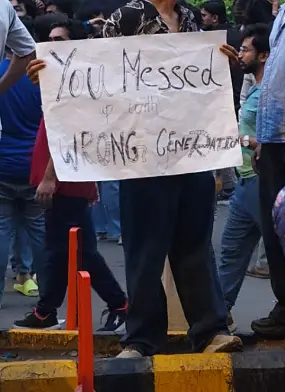
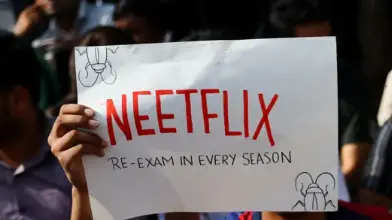
GenZs brought their love for memes outside social media and spread their humour to one and all. From GRWM modified to make it protest worthy to converting viral memes to fit the movement - they did it all. They made memes of leaders without fear and created reels as cops chased them with batons in their hands. Tear gas shells were fired, but that didn't stop them from their humour. From Gen Z lingo to GenZ's unserious attitude during most serious situations, everything was documented and it showed their determination. It also revealed an important thing about this generation - that they didn't grow up with social media, they were born with it. Shruti from Haryana said that it is Gen Zs way to tell the world that they are aware of what they are doing. Many shared Instagram videos saying: "Going to get beaten by cops, guys."
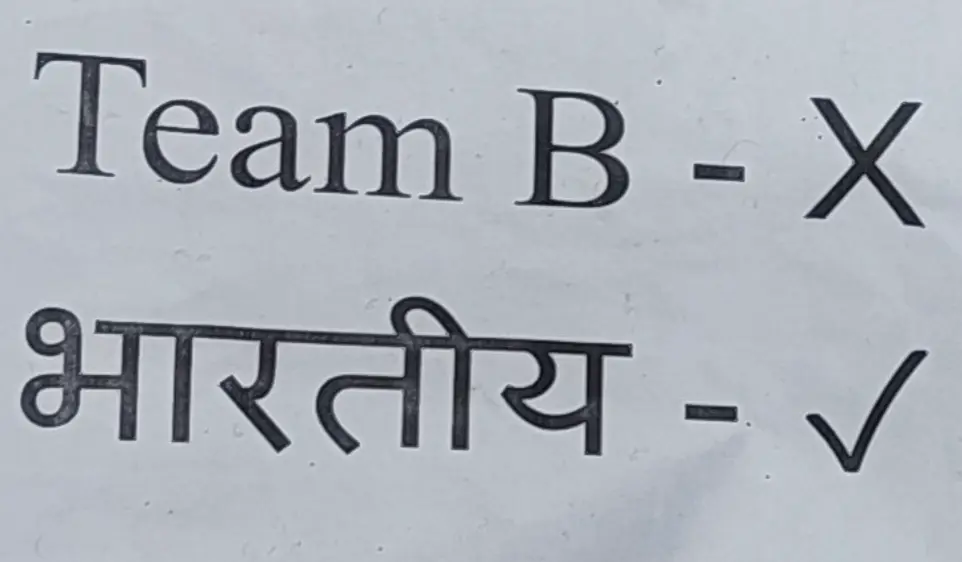
India's Gen Zs protest has been successful for now and CJP spokesperson Ashutosh Ranka statement best captures the nature of the protest: “CJP did not control this movement. It was a people's movement.” It was not traditional protest, it was what the world calls - a GenZ movement. It also became an example for the world to show that India has immense power to unite despite extreme diversity.

