Gyanvapi Mosque case: India’s top court refuses to halt Hindu prayers inside complex cellar

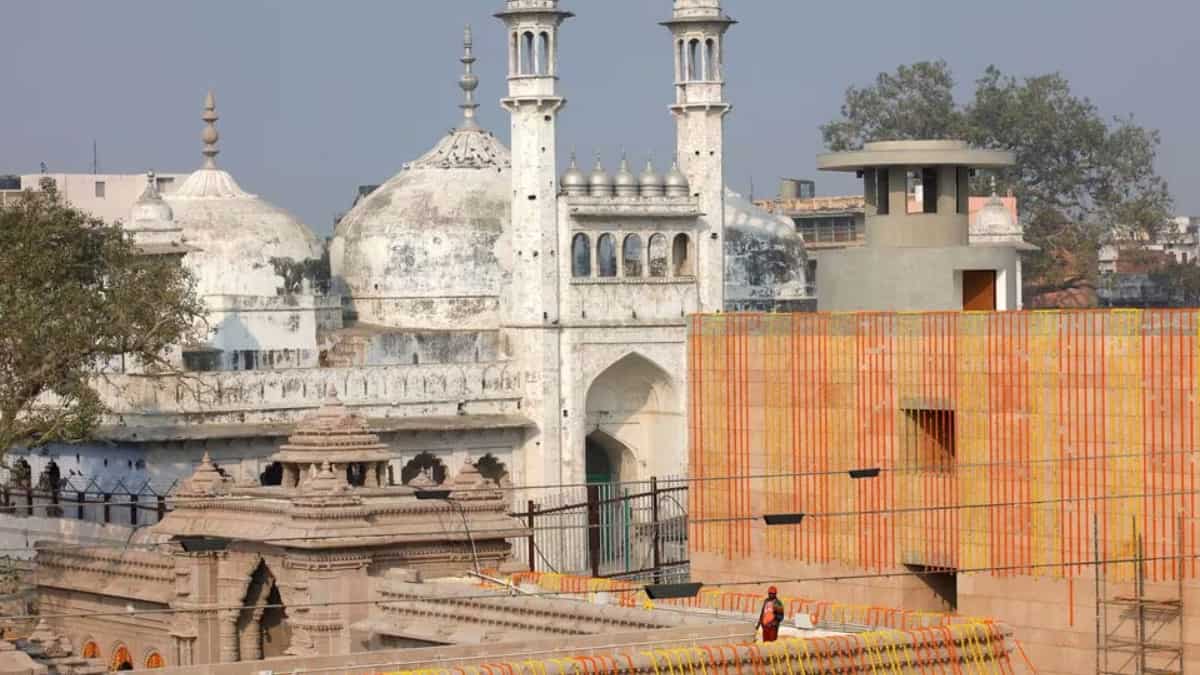
File photo of the Gyanvapi mosque in UP's Varanasi.
On Monday (April 1), the Supreme Court issued notices returnable by April 31 and passed an interim order to preserve the current situation regarding the Hindu prayers conducted at the Gyanvapi mosque complex. The court was responding to a plea from the Gyanvapi mosque committee, which contested orders from the Allahabad High Court and Varanasi court permitting 'puja' in the 'Vyas Tehkhana' or the southern cellar of the structure.
"At this stage, bearing in mind the fact that the Namaz is offered by Muslim community unhindered after the orders dated January 17 and January 31 and the offering of pooja by Hindu priest is confined to the area of tehkhana, it is appropriate to maintain status quo so as to enable both the communities to offer worships in the above terms," the CJI DY Chandrachud said while dictating order.
The Chief Justice of India additionally mentioned that the religious practices of Hindus would adhere to the guidelines outlined in the order dated January 31, 2024, and would be subject to the secure guardianship of the receivership.

Senior Advocate Huzefa Ahmadi represented the mosque committee and informed the court that the trial court and subsequently the Allahabad High Court had issued an unprecedented order. He stated, "The consequence of the order is to provide final relief at the interim stage."
Ahmadi further mentioned that despite the state government not being involved in the case, they enforced the trial court's order in the late hours of the night, allowing the puja to take place immediately after the order was issued. This action, according to Ahmadi, prevented the mosque committee from seeking a stay.
Following inquiries about the mosque's entry and exit points, the Chief Justice of India suggested that the Supreme Court could allow Namaz to continue after entry from the north side, while worship in the south cellar could proceed.
)
Claude Opus 5.5 is here: Anthropic claims it can finish a 680,000-line code migration in less than a day
)
WION Iconic Tourism Summit: Is India's travel boom outrunning its airports, airlines and hotels?
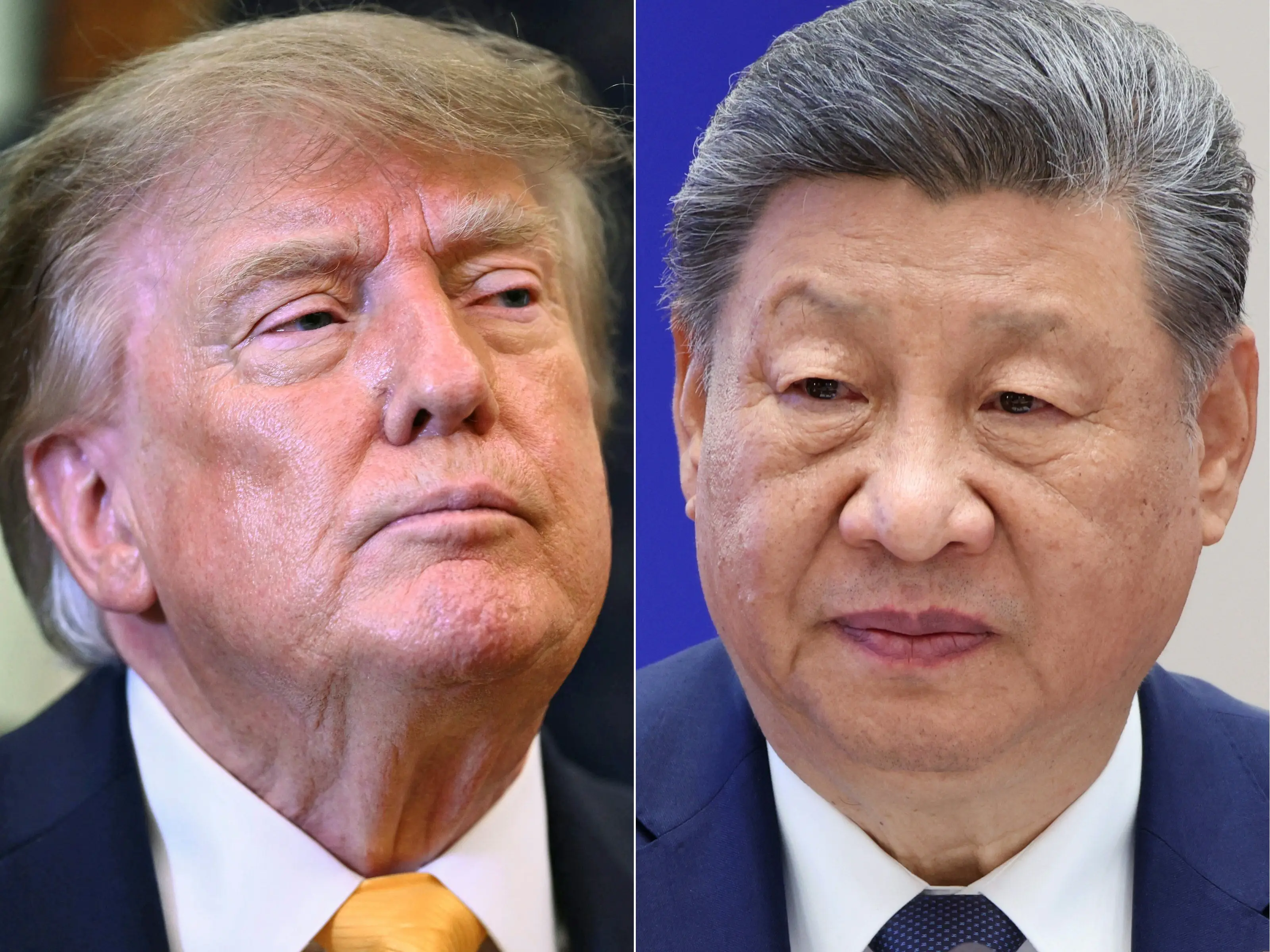)
Xi-Trump meeting: China’s human rights red line and past protests explained
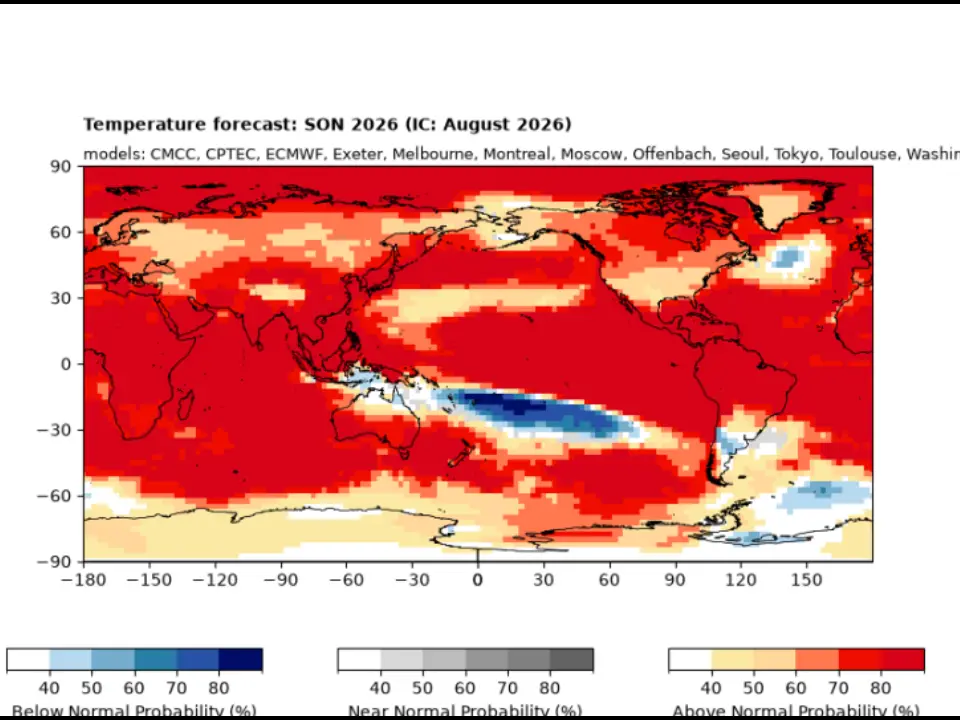)
El Niño 2026 heats up to become strongest in 1,000 years
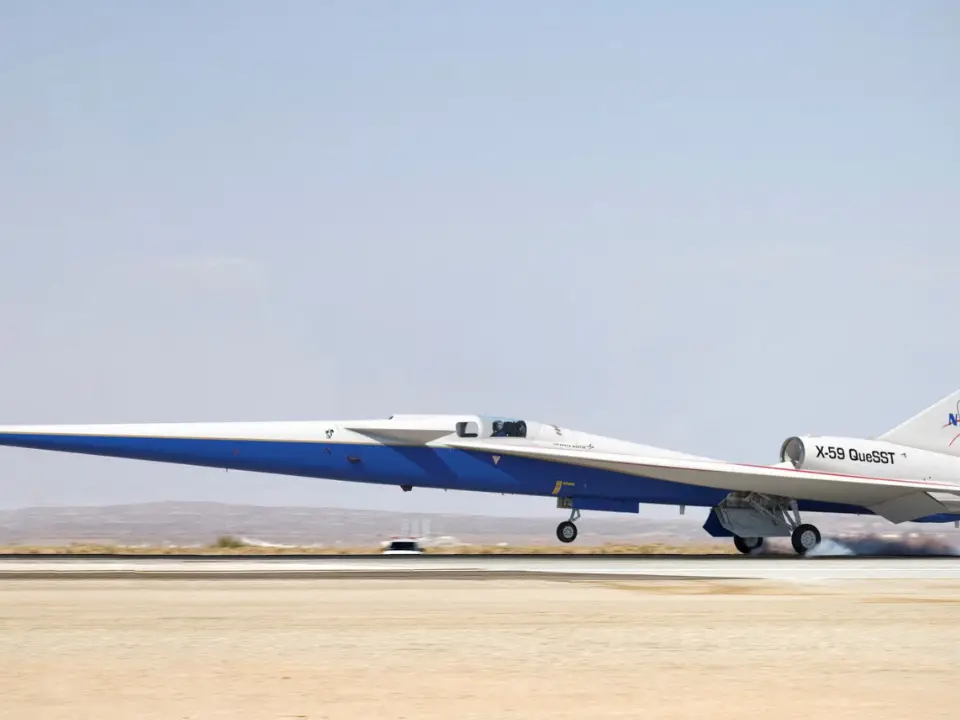)
China to test supersonic jet that moves at Mach 2, double the speed of sound
)
Australian PM Anthony Albanese calls OpenAI AI incident 'unacceptable' after restricted data access
)
'AI got into my speech': Prince Harry jokes after teleprompter failure at event in New York
)
Afghan woman cyclist who disguised herself as a boy to escape Taliban, wins Asian Games medal
)
'What kind of confession is this?': Pakistan PM Shehbaz Sharif’s 'terrorists would be roaming New York' remark goes viral, raises alarm online. Watch
)
French court upholds decision to send PSG and Morocco footballer Hakimi to rape trial
)
WION Iconic Tourism Summit and Awards 2026: Key voices to discuss India’s tourism future
)
Eight USS Abraham Lincoln sailors attempted suicide, Acting Navy Secretary says
)
NBA player Steven Adams shares hilarious GTA VI theory
)
Trump-Xi Summit: Trade, Taiwan and the red lines shaping US-China talks | Race To Power
)
Would you date an AI? South Korea’s My AI Partner: Strange Love sparks buzz on relationship and intimacy
)
US citizen injured in Illinois after ICE agents mistook him for fugitive, hospitalised
)
WATCH | China President Xi Jinping lands in US as Trump greets him ahead of high-stakes summit
)
EC appointment law: Why is the 2023 act controversial, and what happens next? WION explains
)
Scientists detect first radio signals directly from faraway planet
)
WION Iconic Tourism Summit: How local tourism MSMEs must upskill for AI integration
)
IIT Bombay CCTV footage emerges: Sahil Wakode seen looking at phone in examination hall
)
WION Iconic Tourism Summit: 'Hanuman Ansh' Director on blockbuster success
&im=FitAndFill=(700,400))
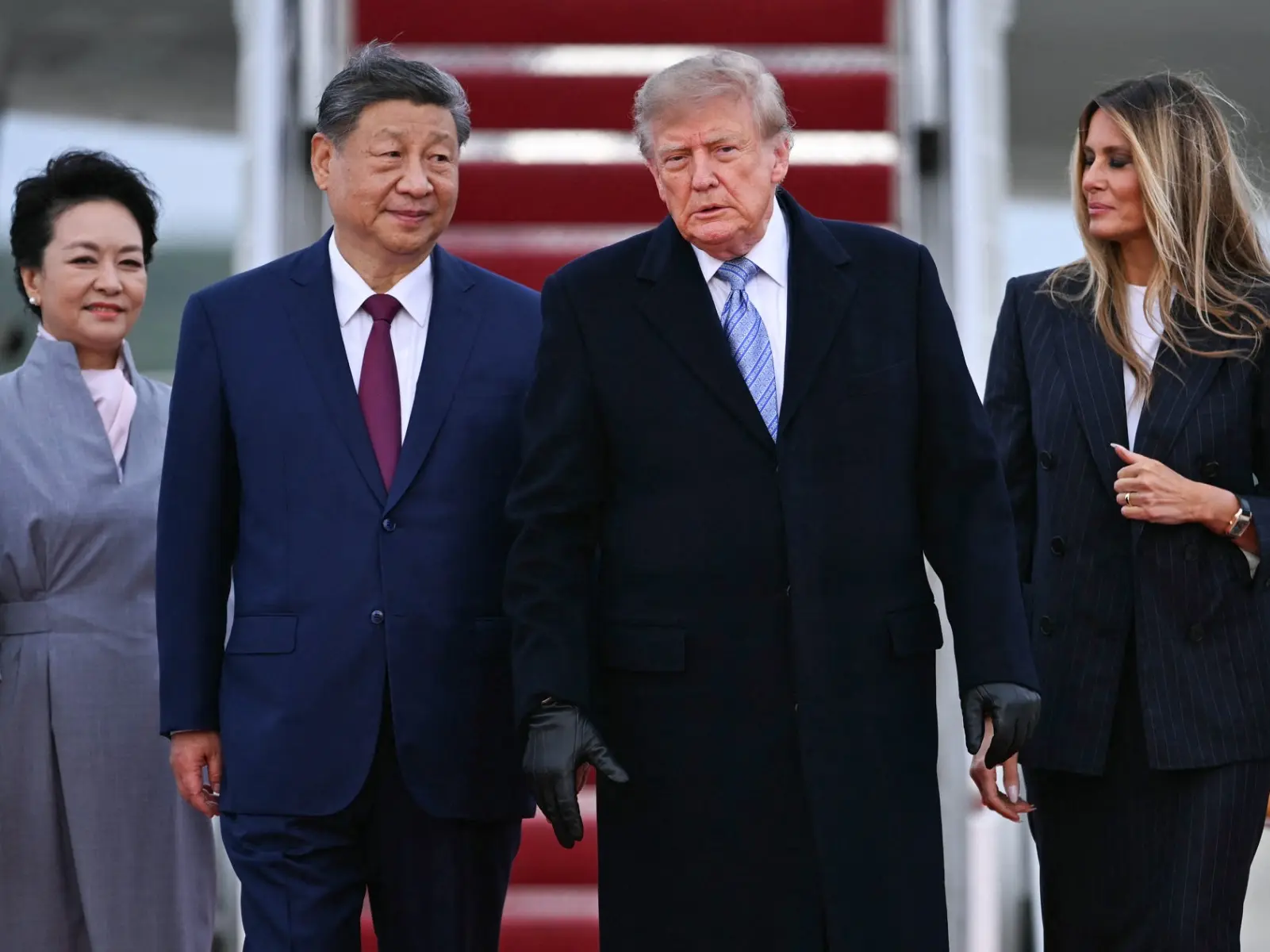
Trump welcomes Xi Jinping in rare airport gesture: Photos from Chinese President's arrival in US
)
2,000-foot tube, laser tests and more: China builds towns to expand nuclear arsenal, satellite images show
)
Italy hit by floods in the north, drought in the south
&im=FitAndFill=(700,400))
New OTT releases this week (September 21-27, 2026): Shaque: Trust No One, Hunkkaar, Don’t Be Shy- 5 new titles coming to Netflix, Prime Video and more
)
'There will be elections': Venezuela's interim leader Delcy Rodriguez makes big announcement at UN
)
IIT Bombay student suicide case: CCTV from the exam hall hours before suicide
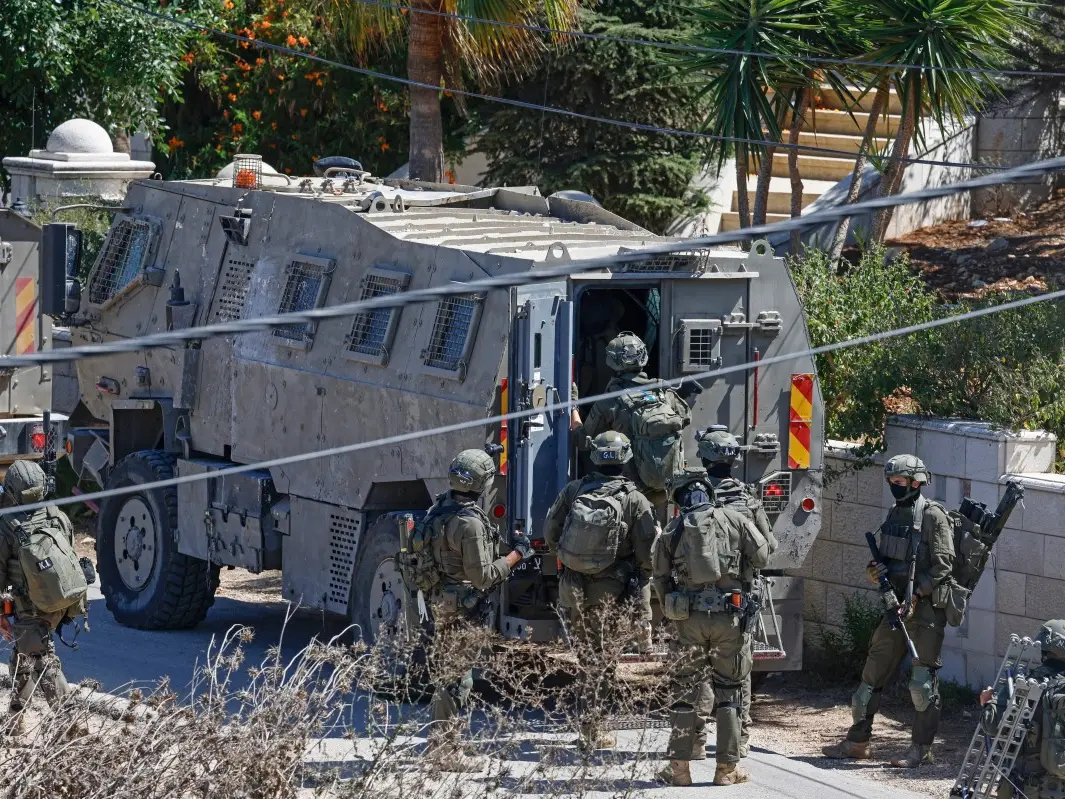)
Israeli envoy to US Yechiel Leiter’s son critically injured in West Bank ramming attack
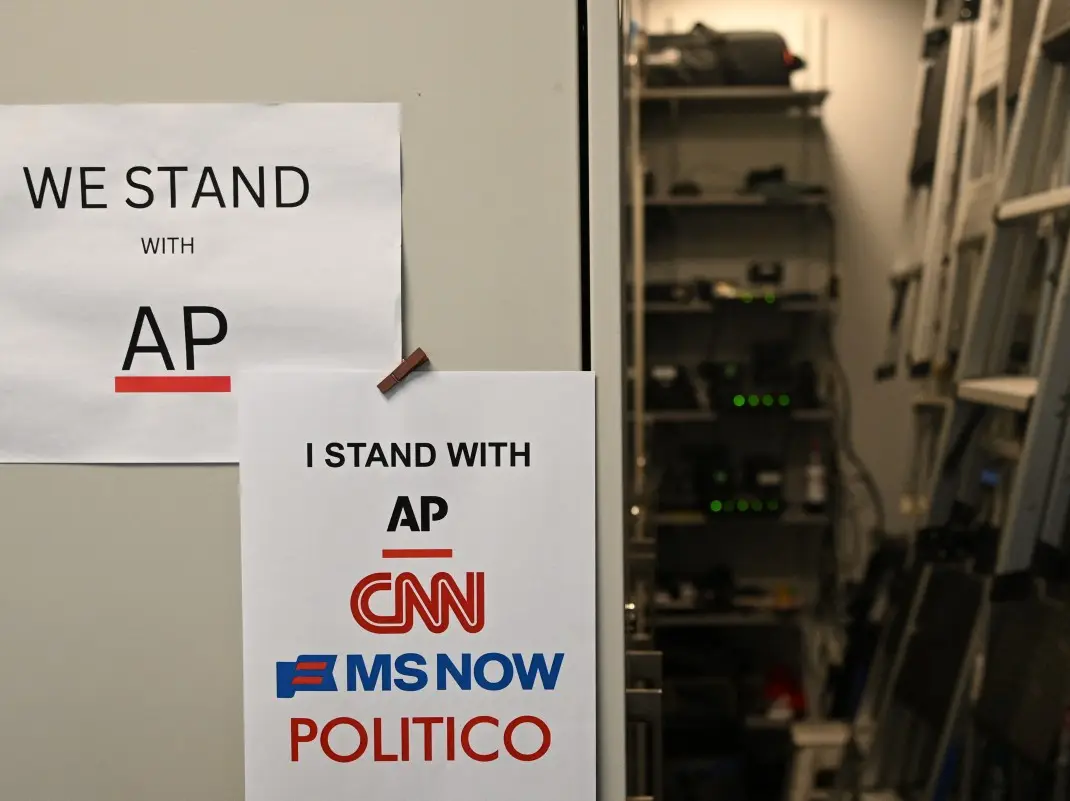)
US judge questions Trump’s decision to ban CNN, MS NOW and Politico from White House
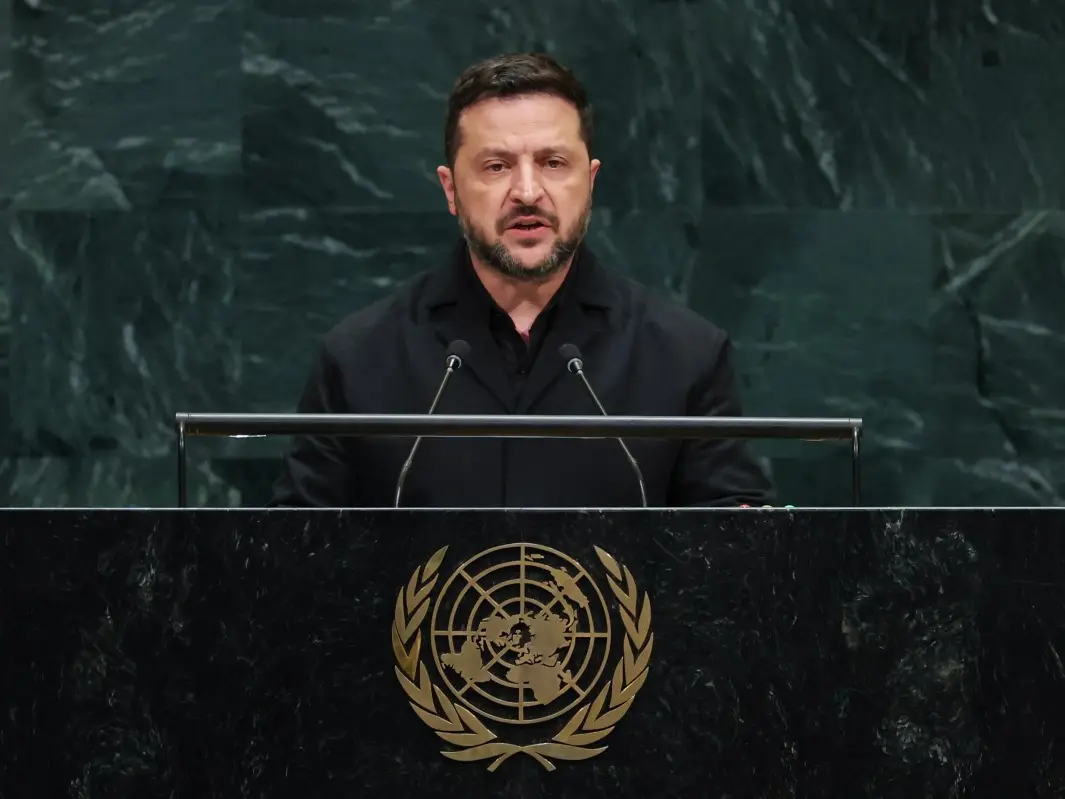)
'Putin is patient zero': Zelensky slams Russian president at UNGA, accuses him of using fighters from 47 countries
)
Trump’s Board of Peace unveils $2.45bn Gaza plan,66 projects: But where’s the money?
)
'Arrogant parasites': Milei blasts UN over Falklands dispute, warns Argentina will ‘take matters into our own hands’
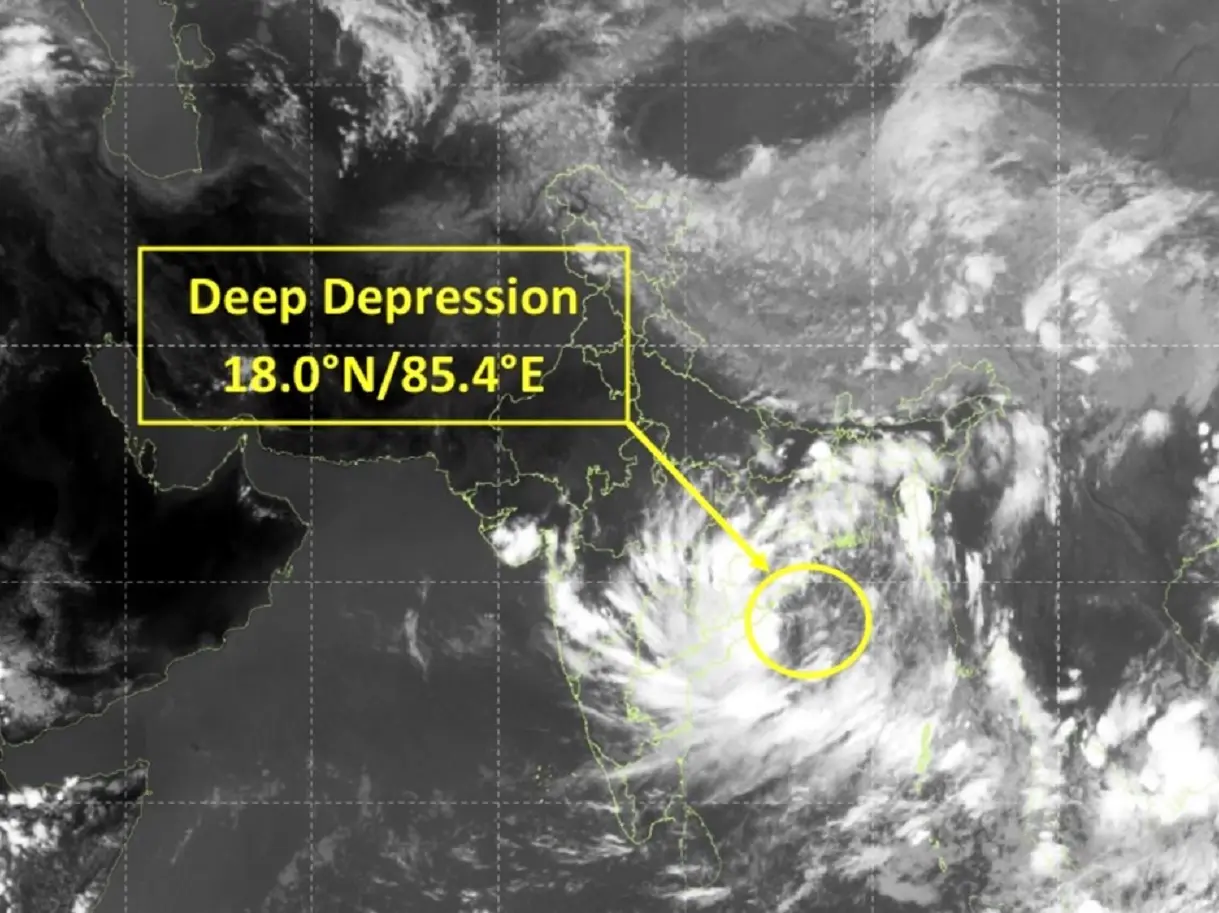)
Cyclone Arnab: Landfall expected before midnight tomorrow as IMD issues orange alerts across six states
&im=FitAndFill=(700,400))
National Film Awards 2026: Kartik Aaryan, Mammootty, Yami Gautam, Randeep Hooda and other key winners
)
9 killed, several injured as tourist bus catches fire on Yamuna Expressway
)
WION Iconic Tourism Summit 2026: Union Minister Shekhawat on 'experiential travel', peace diplomacy
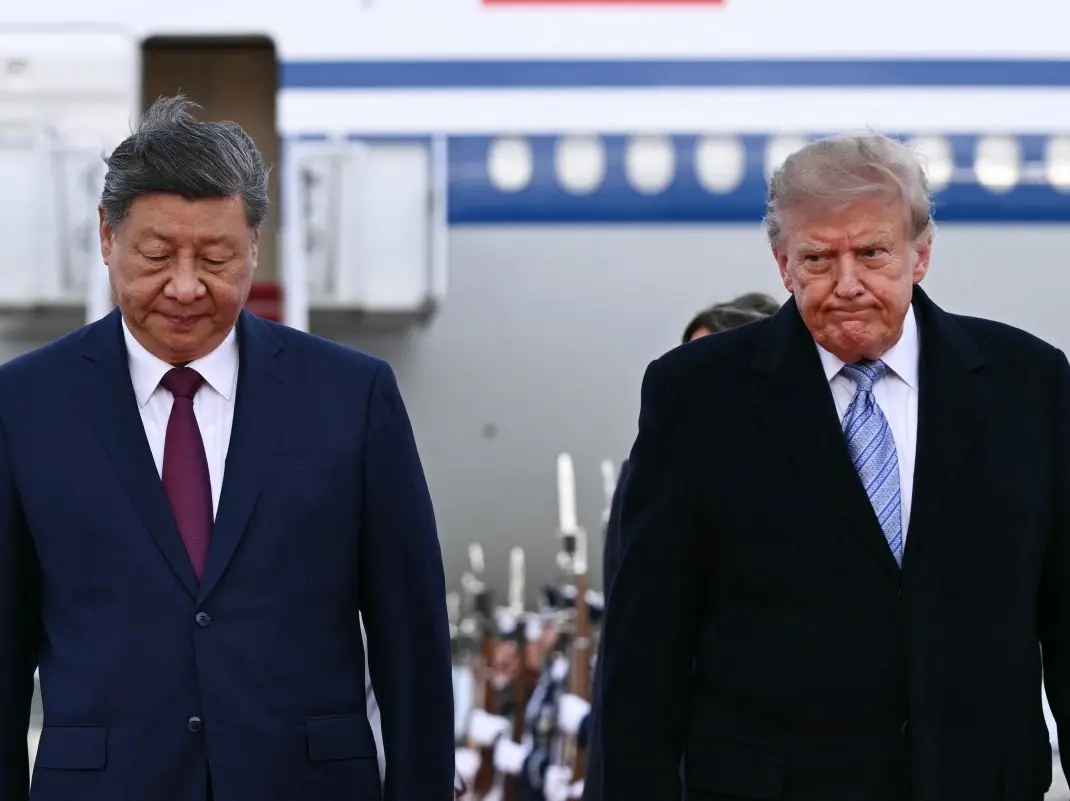)
'Partners rather than rivals': Xi Jinping's first message after landing in US for Trump summit
"So if this is the position, we can issue notice to seek replies and post the matter for further hearing in July," the CJI suggested.
However, Ahmadi asserted that his argument is for a complete halt and conveyed to the court that gradually, the committee will lose control of the entire premises due to the manner in which petitions are being lodged in the trial court. He stated that approximately 20 lawsuits have been filed, with one aimed at preventing access to the courtyard.
"History has taught us that what happened in Ayodhya where multiple interim orders were passed and we could protect the mosque."
Senior Advocate Shyam Diwan, representing the Hindu party, stated that there is currently no requirement for intervention by the Supreme Court.
"This is a personal right as far as the Vyas family is concerned. For generations, they have been the pujaris. The final relief is not yet granted by the Court," Diwan said.
Hindu argument on access
Representing the Hindu side, it was argued that access to the Vyas Tehkhana area is traditionally from the southern side of the Gyanvapi complex, while access to the mosque for Namaz is from the north side. They further saidthat the Vyas family has historically maintained possession of the Vyas Tehkhana.
Additionally, they stated that idol worship startedfollowing the trial court's order, and disrupting these arrangements may not be appropriate.
Prayers began in the Vyas Tehkhana on January 31 following a Varanasi court ruling allowing prayers in the southern cellar of the mosque.
On February 26, the Allahabad High Court upheld the Varanasi court's decision permitting Hindu prayers in the Vyas cellar of the Gyanvapi mosque. The court deemed the Uttar Pradesh government's 1993 action of halting Hindu prayers inside the Vyas basement illegal, as it was executed without a written order.
Also watch |ASI releases report on Gyanvapi mosque, finds sculptures of Hindu deity
Currently, prayers are being conducted by a Hindu priest appointed by the Kashi Vishwanath temple trust and petitioner Shailendra Kumar Pathak, who claims that his maternal grandfather Somnath Vyas, also a priest, offered prayers in the cellar until December 1993.
(With inputs from agencies)