Gyanvapi mosque case: Indian court dismisses masjid committee’s plea seeking dismissal of civil suit


Gyanvapi mosque
The Allahabad High Court on Tuesday (Dec 19) dismissed all petitions filed by the mosque committee challenging a civil suit pending before a lower court in Varanasi seeking the restoration of a temple at the site where the mosque exists.
The high court ordered the Varanasi court to complete the hearing of the case within six months.
The Muslim side plaintiff represents the Anjuman Intezamia Masjid Committee, which runs the Gyanvapi mosque, and the UP Sunni Central Waqf Board, among others.

They had challenged the maintainability of the suit, saying that it goes against the 1991 Places of Worship Act, which freeze the status of religious places of worshipas theyexisted on August 15, 1947,and prohibits the conversion of any place of worship and ensures the maintenance of theirreligious character.
The only exception to this act is the Ram Janmabhoomi-Babri Masjid site.
Arguing that the suit is not barred by the Places of Worship Act, the court said that the mosque complex can have either a Muslim character or a Hindu character and can't have a dual religious character.
)
Nigeria: Protesters take to the streets, police fire shots
)
US-Iran war: Tehran draws red lines — seven demands before any peace talks
)
Russia-Europe tensions: Polish PM warns Russian attacks could test NATO's unity
&im=FitAndFill=(700,400))
‘Not the US or China’: These are the countries leading the world in arable land
)
Mark Carney mimics Trump in hilarious moment over C$70 billion clean-energy investment; room erupts in laughter
)
Pentagon revives mandatory testosterone testing for male troops aged 30 and above
)
‘End of my career...’: NSA Doval recalls tense Sikkim mission when China captured Indian intelligence team
)
Trump defends AI amid growing alarm, announces new 'AI force' and promises an 'AI czar'
)
Iran sets 7 conditions to end war with US: What are Tehran’s demands?
)
Trump announces ‘AI Force’ as debate grows over AI risks and regulation
)
China may have gained access to US's classified F-35 jets; parts meant for repairs diverted to Hong Kong, sparking Pentagon inquiry
)
Gaza under attack: Health chief's son killed in IDF strikes
)
Inspired by podcasts and Meghalaya murder case: How Siya allegedly planned Ketan Agarwal’s Lohagad fort murder
)
Arvind Kejriwal, family members, Delhi CM Rekha Gupta get SIR notices
)
Cochin shipyard starts building Indian Navy's next-gen missile vessels
)
Saudi vs Houthis: Houthis claim missiles & drones used in attack on key Saudi sites
)
Ed Sheeran addresses Macklemore's removal, Gaza conflict during Philadelphia concert: 'I cannot hide how I feel'
)
Brigitte Bardot’s private collection set for Paris auction; key items and prices revealed
)
‘Will go to any extent’: Pakistan vows to defend Saudi Arabia amid Houthi attacks
66 years of the Indus Waters Treaty: How India and Pakistan settled a bitter river dispute
)
The Verdict | When precision fails: US commits war crime in Minab school strike, UN finds
)
9 women found dead near Johannesburg: South Africans rally, demand 'enough' to femicide
)
Trump wants to rename ‘Artificial Intelligence’, gives 3 options: Which one would you pick?
)
US-Iran war: Tehran sets seven conditions to re-engage in talks with US
)
Reacher star Alan Ritchson opens up about alleged blackmail, suicide attempt during difficult period
)
Africa is splitting, and a lot sooner than estimated, giving way to a new ocean
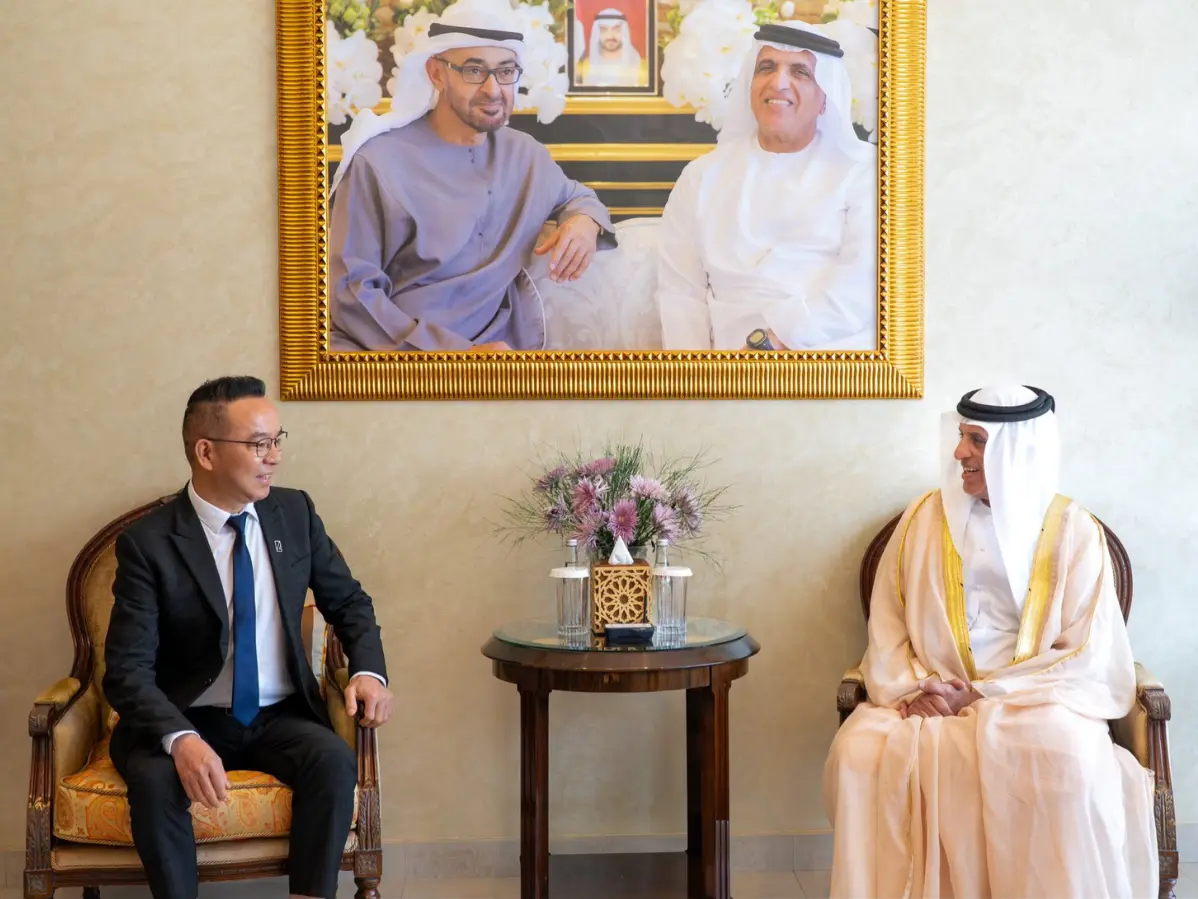)
Flying cars in UAE: Ras Al Khaimah signs deal with Chinese company to test new transport
)
Trump bans CNN, MS NOW and Politico from White House over ‘FAKE NEWS’
)
Trump 2.0: Dark days ahead for America’s ‘imperial presidency’
&im=FitAndFill=(700,400))
How many F-35s does Britain, Japan and Israel have?
)
Harry Brook targets long reign at top of T20I rankings after Sri Lanka sweep
)
Russia's deadly Ukraine strikes kill 2 in Sumy, hit Dnipro mall
)
Russia holds first parliamentary elections since the beginning of the Ukraine war
&im=FitAndFill=(700,400))
Meet top 5 Indian batters with fastest T20I centuries
)
Raphinha hat-trick powers Barcelona to 3-1 win over Sevilla in La Liga
)
'Suit doesn't contravene Places of Worship Act'
"The suit affects two major communities of the country...We direct the trial court to expeditiously decide the suit in 6 months," the bench of Justice Rohit Ranjan Agrawal said.
The civil suit in contention seeks to restore an ancient temple at the disputed site currently occupied by the Gyanvapi mosque, with the petitioners claiming that the mosque is a part of the temple.
The court had reserved its judgment on December 8 after hearing the counsels of the petitioners and the respondent.
On Monday, the Archaeological Survey of India (ASI) submitted its scientific survey report of the mosque premises, after the Varanasi court ordered to check if the late-17th century mosque was built over a Hindu temple.
About the case
The report was submitted in a sealed document to a court of the district judge in Uttar Pradesh's Varanasi.
Also read |India: ASI submits sealed cover report on scientific survey of ‘disputed’ Gyanvapi Mosque
While the Hindu side objected to a sealed report, the Muslim side opposed a public report.
The Hindu plaintiffs claim that Mughal emperor Aurangzeb ordered the demolition of an ancient temple to make way for a mosque, which is adjacent to the iconic Kashi Vishwanath Temple.