Indian govt urges calm as LPG supply concerns mount amid Iran conflict

&imwidth=600&imheight=450&format=webp&quality=medium "Indian govt urges calm as LPG supply concerns mount amid Iran conflict")
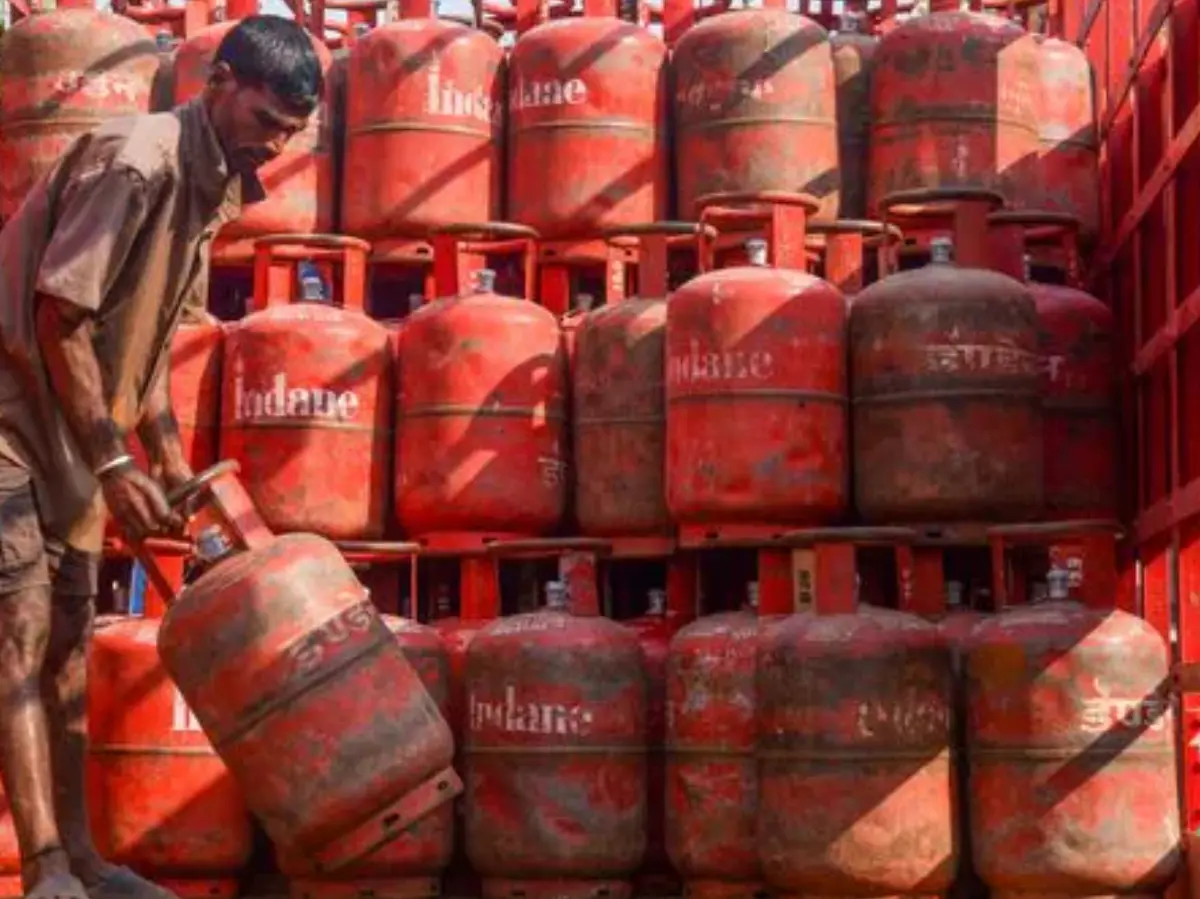
File image for representation Photograph: (PTI)
The Union government urged consumers to avoid panic booking of LPG cylinders amid supply concerns linked to tensions near the Strait of Hormuz. While commercial sectors face delays and price hikes, authorities say domestic supplies remain secure.
The Union government has issued an urgent appeal to consumers to avoid "panic booking" of LPG cylinders, moving to quell growing public anxiety over potential fuel shortages linked to the escalating conflict in West Asia.
As geopolitical tensions disrupt shipping routes near the critical Strait of Hormuz - a vital passage for global energy - India has seen a surge in demand and reports of supply-side friction. While the government maintains that national fuel stocks are secure, the impact of the crisis is becoming increasingly visible on the ground.
Commercial Sector Faces Greatest Strain
The current supply squeeze has disproportionately affected the hospitality and commercial sectors. Restaurants, hotels, and small businesses in major hubs like Bengaluru, Mumbai, and Chennai are reporting severe delays and, in some cases, a total halt in the delivery of commercial LPG cylinders.
To mitigate the impact, industry bodies have warned that significant numbers of establishments may be forced to suspend operations or drastically reduce menus if the supply chain is not restored. Already, many eateries have pivoted to alternative cooking methods, including induction cookers, electric ovens, and even traditional coal-based tandoors to remain functional.
Trending Stories
)
)
)
)
)
)
)
)
)
)
)
)
)
)
)
&im=FitAndFill=(700,400))
)
)
)
&im=FitAndFill=(700,400))
)
)
)
)
)
)
)
)
)
)
)
)
)
)
Government Measures to Stabilise Supply
In response to the tightening market, the government has invoked the Essential Commodities Act, 1955. This move allows authorities to:
Prioritise Domestic Supply: Directing oil marketing companies to ensure that household LPG demand is met first.
Boost Production: Ordering domestic refineries to maximise LPG output by diverting hydrocarbon streams previously used for other industrial purposes. Curtail Hoarding: Implementing a new mandate that extends the minimum gap between domestic cylinder refills from 21 days to 25 days to prevent artificial scarcity.
Price Hikes and Public Concern
The supply-chain pressure has been compounded by recent price adjustments. As of March 7, the cost of a 14.2-kg domestic LPG cylinder was increased by ₹60, bringing the price in Delhi to ₹913. Simultaneously, commercial cylinders saw a steeper hike of approximately ₹115, now retailing at ₹1,883 in the capital.
Despite the strain, senior government officials have reiterated that India’s energy import strategy has been diversified to reduce reliance on any single transit route. They continue to urge citizens to trust in the adequacy of national reserves and refrain from unnecessary bookings that exacerbate the logistical burden on distributors.

