From oil markets to dinner plates: How West Asia tensions are making Indian meals costlier

&imwidth=600&imheight=450&format=webp&quality=medium "From oil markets to dinner plates: How West Asia tensions are making Indian meals costlier")
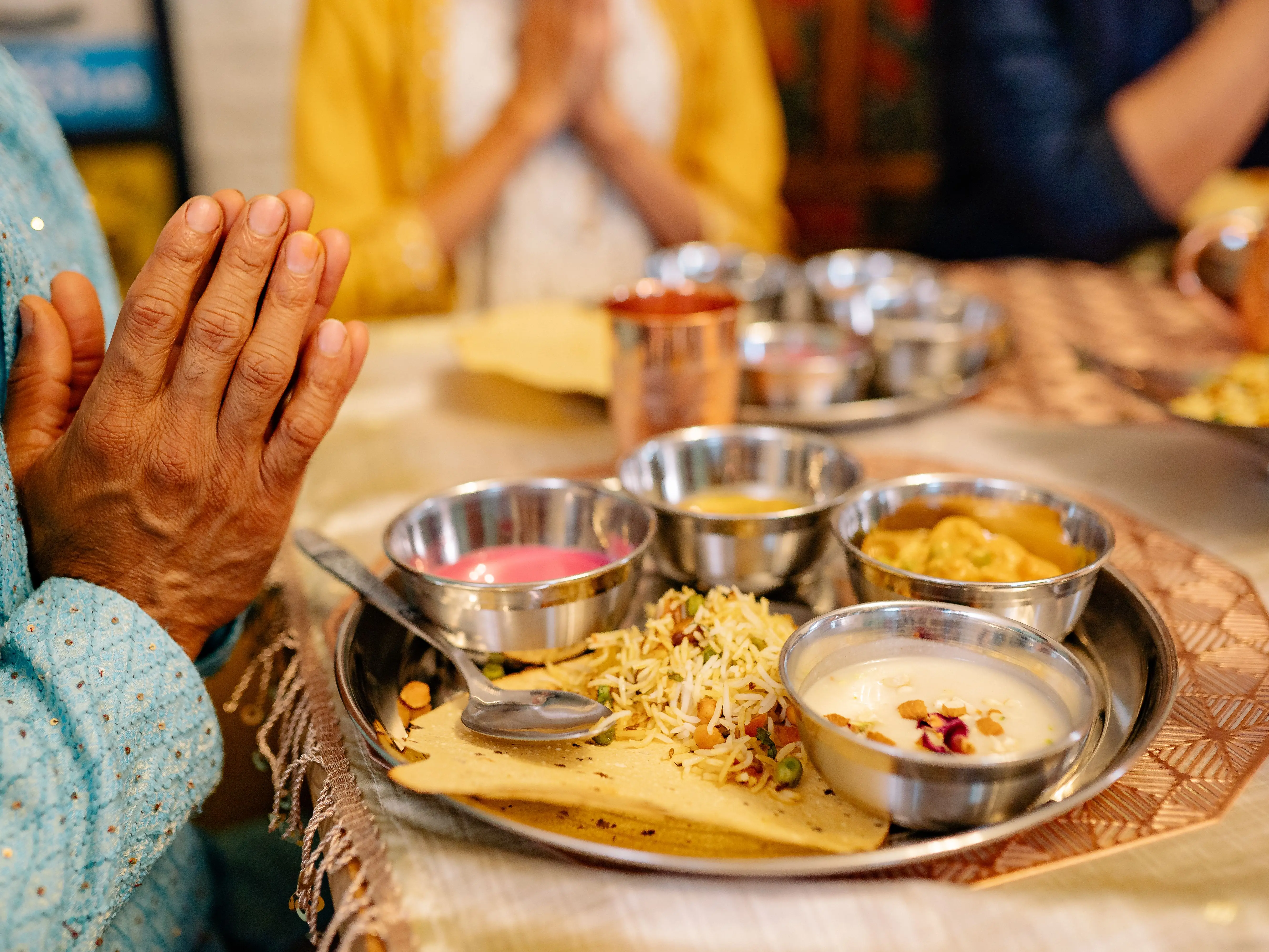
Representative image Photograph: (Pexels)
According to Crisil, a vegetarian thali now costs about ₹28.4, up from ₹27.4 in May. A non-vegetarian version, which includes chicken, costs ₹58.2, up from ₹56.5 last month.
The conflict in West Asia is quietly making everyday meals more expensive, and in some cases, less nutritious.
In India, the cost of a basic home-cooked meal, known locally as a "thali", has climbed to a five-month high in June. Think of a thali as a low-cost, all-in-one meal designed to deliver essential calories and nutrients. The numbers show how quickly things are shifting.
According to Crisil, a vegetarian thali now costs about ₹28.4, up from ₹27.4 in May. A non-vegetarian version, which includes chicken, costs ₹58.2, up from ₹56.5 last month. That’s a 4 per cent monthly rise for vegetarian meals and 3 per cent for non-vegetarian.
At first glance, these may seem like small increases. But for millions of households, this is the cost of daily nutrition. In emerging economies, where food takes up a larger share of income, the same shock can change what ends up on the plate.
Also read | From China's shadow to Made-in-India toys: Imports fall 71% as Centre targets 25% global share
The biggest driver is not just local weather or crop cycles but global disruption. Vegetable oil and cooking gas prices have risen about 10 per cent year-on-year, partly due to supply shocks linked to the West Asia conflict. Higher crude oil prices ripple through food systems, raising transport, packaging, and cooking costs.
Trending Stories
)
)
)
)
)
)
)
)
)
)
)
)
)
)
)
)
)
)
)
)
)
)
)
)
)
)
)
)
)
)
)
)
)
)
)
)
&im=FitAndFill=(700,400))
)
At the same time, tomato prices have surged over 30 per cent from a year ago due to heat-related crop damage. For non-vegetarian meals, chicken prices have also risen, adding to the cost of protein. The result is a squeeze on both affordability and nutrition.
When meal costs rise, households often adjust by cutting back on vegetables or protein portions. Over time, that can reduce calorie intake or shift diets toward cheaper, less diverse foods. This is the hidden global chain reaction: geopolitical tensions push up energy prices, energy prices inflate food costs, and food inflation reshapes how people consume.
In simple terms, when oil markets heat up, everyday meals get more expensive and leaner.
Watch | US-Iran War: How war in West Asia hits your next meal explained
